



Easy Exercises to Remain Agile
Learn easy exercises to stay active curated with the insight of the experts at Prakash Hospital, Noida.
3 Nov 2025
by Prakash Hospital
by Prakash Hospital

Complete Guide to Building Healthy Blood
When people ask "how to increase blood in the body," they usually mean one of three things — raising hemoglobin, increasing red blood cell count, or improving overall blood quality. These are related but distinct concepts. Understanding which one you actually need helps you take the right action.
Healthy blood does an enormous amount of work. It carries oxygen to every tissue. It delivers nutrients to cells. It removes carbon dioxide and waste products. It transports hormones, distributes heat, fights infections, and helps heal wounds. When blood quality suffers, every system in the body feels the impact.
This article walks through what "more blood" actually means, the foods and habits that support healthy blood production, the common causes of low blood quality, and when medical care is the right step.
Blood is made up of several components:
Red blood cells (RBCs) — carry oxygen via hemoglobin. About 45 percent of blood volume.
White blood cells (WBCs) — fight infections. A small percentage.
Platelets — help with clotting.
Plasma — the liquid component carrying everything else. About 55 percent of blood volume.
When someone says they want to "increase blood," they usually mean increasing red blood cells and hemoglobin specifically. Sometimes they mean overall blood volume. Occasionally they mean improving platelets or white blood cells.
Each of these requires somewhat different strategies, but the foundations overlap.
Hemoglobin — adult men 13.5 to 17.5 g/dL, adult women 12 to 15.5 g/dL.
Red blood cell count — adult men 4.7 to 6.1 million per microliter, adult women 4.2 to 5.4 million per microliter.
Hematocrit — the percentage of blood made up of red cells. Men 40 to 54 percent, women 36 to 48 percent.
White blood cell count — 4,000 to 11,000 per microliter normally.
Platelet count — 150,000 to 400,000 per microliter.
A complete blood count (CBC) measures all of these and gives a picture of overall blood health.
Several causes can lower different aspects of blood health:
Iron deficiency — reduces hemoglobin production.
Vitamin B12 deficiency — affects red blood cell maturation, common in vegetarians.
Folate deficiency — affects red blood cell production.
Vitamin C deficiency — affects iron absorption and overall blood vessel health.
Vitamin A deficiency — affects red blood cell production.
Copper deficiency — affects iron metabolism.
Blood loss — heavy periods, GI bleeding, surgery, trauma, frequent donation.
Chronic diseases — kidney disease, autoimmune conditions, infections suppress production.
Inherited disorders — thalassemia, sickle cell disease affect blood structure.
Bone marrow problems — affect production of all blood cells.
Pregnancy — increases blood volume and nutrient demands.
Dehydration — reduces blood volume temporarily.
The right approach to "increasing blood" depends on which component is low and why.
A blood-building diet is essentially a comprehensive diet rich in iron, B vitamins, vitamin C, and protein, with adequate hydration.
For red blood cell and hemoglobin production:
Animal sources (heme iron, easily absorbed) — liver, red meat, poultry, fish, eggs, shellfish.
Plant sources (non-heme iron) — lentils and dals, chickpeas, kidney beans, soybeans, spinach, methi, amaranth, pumpkin seeds, sesame seeds, dried fruits, jaggery, millets like bajra and ragi.
For red blood cell maturation:
Animal sources — fish, meat, poultry, eggs, dairy products.
Vegetarian sources — fortified plant milks, fortified cereals, nutritional yeast, B12 supplements when needed.
For red blood cell production:
Leafy greens — spinach, methi, amaranth, kale. Legumes — chickpeas, lentils, kidney beans. Asparagus, broccoli, Brussels sprouts. Avocado. Beetroot. Citrus fruits. Fortified breakfast cereals.
For iron absorption and overall blood vessel health:
Citrus fruits, amla, guava, bell peppers, tomatoes, kiwi, strawberries, broccoli, papaya. Combine these with iron-rich foods at every meal.
For red blood cell production:
Carrots, sweet potatoes, pumpkin, mangoes, papaya, leafy greens, eggs, liver, fortified milk.
For iron metabolism:
Shellfish, nuts and seeds, organ meats, whole grains, dark chocolate, mushrooms, leafy greens.
Adequate protein supports all blood cell production:
Legumes, dairy, eggs, paneer, tofu, fish, poultry, lean meats, nuts and seeds.
Adequate water maintains blood volume. 8 to 10 glasses of water daily, more in hot weather or with physical activity. Coconut water is particularly useful for replacing electrolytes.
Some foods are particularly valued in Indian tradition for blood building. The traditional wisdom often aligns with modern nutritional science.
Pomegranate is rich in iron, vitamin C, and antioxidants. Daily consumption — fresh juice or seeds — supports blood health. The combination of iron with vitamin C in one food makes it particularly useful.
Beetroot provides folate, iron, and nitrates. Beetroot juice or beetroot in curries and salads is a traditional blood-building food.
Spinach and other leafy greens provide iron, folate, vitamin C, and many other nutrients. The iron in spinach is poorly absorbed but the folate and other benefits are real.
Dates and figs provide iron with natural sweetness. Daily consumption as snacks adds meaningful nutrients.
Jaggery (gur) is a traditional iron source widely used in Indian cooking.
Sesame seeds (til), particularly black sesame, are rich in iron, calcium, and many minerals. Used in laddoos, chikkis, or simply sprinkled on food.
Pumpkin seeds are exceptionally iron-rich. A handful daily as a snack.
Amla (Indian gooseberry) provides vitamin C, which dramatically improves iron absorption.
Bananas provide folate and B6, supporting red blood cell production.
Eggs provide protein, iron, B12, and many other nutrients in one food.

On a wooden table a healthy meal is shown with focus on a woman's hand going to eat it with a fork in hand.
Liver is the single most nutrient-dense food for blood building, containing iron, B12, folate, vitamin A, and protein in concentrated form. Cultural and preference factors limit how often it appears in Indian diets.
Beyond food, several habits make a meaningful difference.
Adequate sleep of 7 to 9 hours. Bone marrow activity peaks during sleep. Sleep deprivation directly affects red blood cell production.
Regular moderate exercise stimulates red blood cell production. Walking, swimming, yoga, and light cardiovascular exercise all help. Avoid pushing too hard if already anaemic — let your body recover first.
Stress management. Chronic stress raises cortisol, which affects digestion, nutrient absorption, and immune function. Yoga, meditation, hobbies, and adequate downtime all help.
Avoiding excessive alcohol. Alcohol affects nutrient absorption, damages the liver (which processes many blood-related nutrients), and directly suppresses bone marrow function.
Not smoking. Smoking damages blood vessels, raises certain blood components artificially, and worsens overall blood health.
Treating underlying conditions like heavy menstrual bleeding, ulcers, or chronic infections that cause ongoing blood loss or interfere with production.
Avoiding tea and coffee with meals to maximise iron absorption from food. Spacing them out by 1 to 2 hours.
Using iron cookware when cooking acidic foods.
Sprouting and fermenting foods to improve nutrient absorption.
Excessive caffeine with meals reduces iron absorption.
Heavy alcohol consumption damages multiple aspects of blood production.
Smoking worsens blood vessel and red blood cell health.
Crash diets and severe calorie restriction deprive the body of nutrients needed for blood production.
Excessive antacid use reduces stomach acid needed for iron and B12 absorption.
Highly processed foods that displace nutrient-dense foods.
Self-prescribed iron at high doses which can cause organ damage and mask underlying causes.
A complete blood count (CBC) is the starting point. It shows hemoglobin, red and white blood cell counts, platelets, and several other parameters.
Iron studies including serum iron, ferritin, TIBC, and transferrin saturation give detailed information about iron status.
Vitamin B12 and folate levels are checked when relevant.
Other tests like reticulocyte count, peripheral blood smear, and bone marrow examination are added in specific situations.
Underlying cause investigation — for unexplained anaemia, particularly in adult men or postmenopausal women, additional tests look for sources of blood loss or absorption issues.
Diet alone is the right starting point for mild deficiencies. But several situations call for medical intervention:
Established anaemia with hemoglobin below the normal range typically needs supplements alongside dietary changes.
Symptoms of severe anaemia — chest pain, breathing difficulty, fainting — require immediate medical attention.
Underlying causes that need direct treatment — heavy menstrual bleeding, GI bleeding, parasitic infections.
Specific deficiencies like vitamin B12 deficiency often need supplementation or injections.
Chronic disease anaemia needs treatment of the underlying condition along with sometimes erythropoietin injections.
Severe deficiency may need intravenous iron or, rarely, blood transfusion.
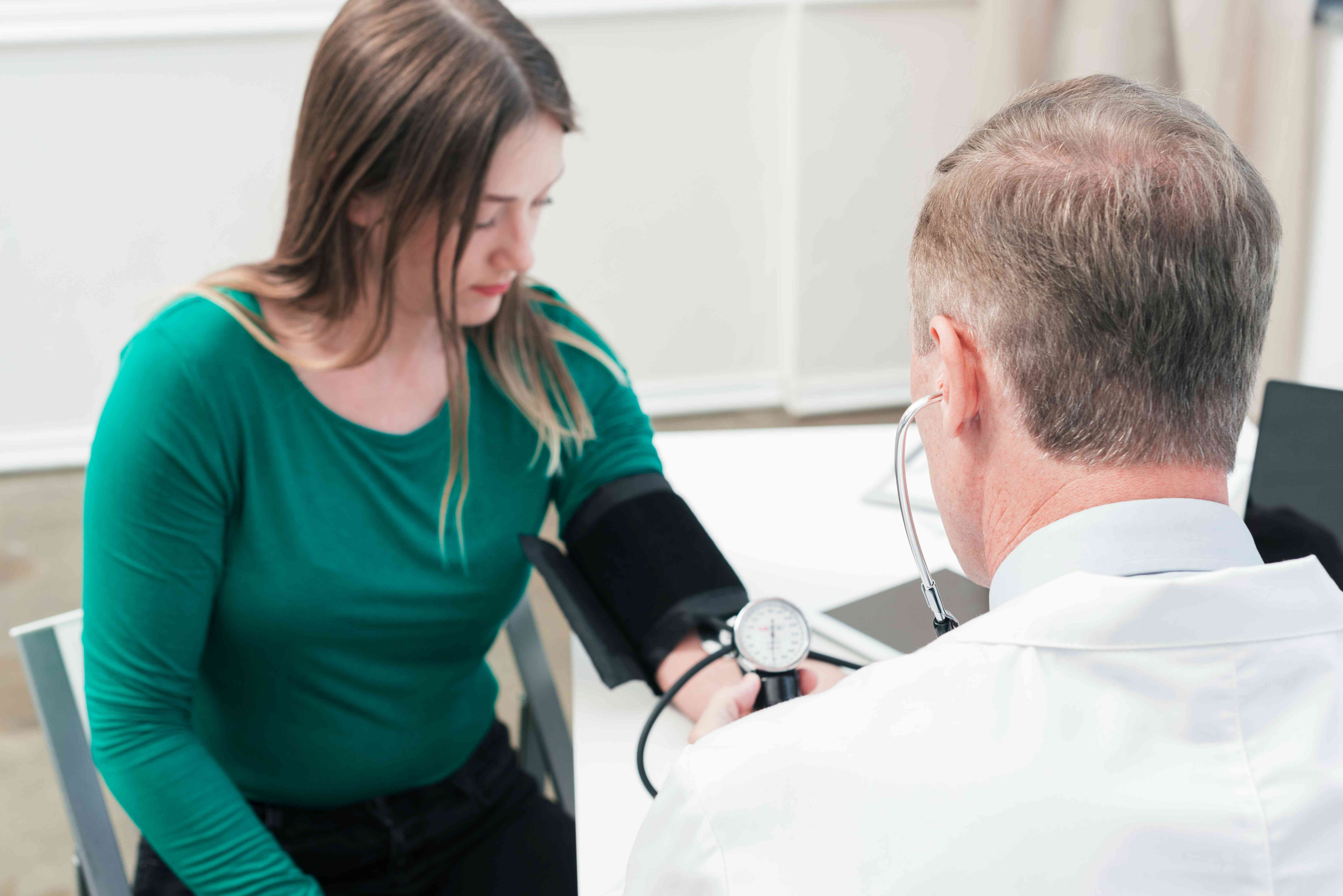
Doctor measuring a young woman's blood pressure during a medical checkup.
Blood volume increases by about 50 percent during pregnancy. Iron, folate, and B12 needs all rise dramatically. Routine supplementation is standard.
Monthly blood loss creates ongoing demand for iron replacement. Heavy menstrual bleeding compounds this significantly.
Growth spurts require sustained blood production. Iron and B12 deficiencies affect cognitive development.
Plant-based iron and B12 sources require careful attention to absorption. Fortified foods and sometimes supplements are needed.
Reduced stomach acid affects absorption. Chronic conditions complicate the picture. Unexplained anaemia in older adults always needs investigation.
Endurance athletes have higher iron needs from increased red blood cell turnover.
Regular donors need conscious iron replacement to avoid depleting their stores.
"More red foods mean more blood." The colour of food has no relationship to its blood-building properties. Pale foods like lentils are excellent. Red foods like beetroot help but are not magic.
"Eat liver and your blood will double." Liver is exceptionally nutrient-dense, but no single food doubles blood production overnight.
"You can have too much blood from eating these foods." Healthy diet cannot push blood values above normal range in a healthy person. The body regulates production.
"Iron supplements are for everyone with low energy." Iron supplements are appropriate only when iron deficiency is confirmed. Taking them unnecessarily can cause harm.
"Anaemia is only women's problem." Men get anaemia too, often from blood loss or chronic conditions. Anaemia in men always needs investigation.
"Drinking more water increases blood." Hydration affects blood volume temporarily but does not change red blood cell count.
A consultation makes sense when you have persistent symptoms of low blood quality — fatigue, paleness, breathlessness, weakness, dizziness. People in higher-risk groups (heavy menstrual bleeding, vegetarian diet, chronic conditions) benefit from annual checkups even without obvious symptoms.
Anaemia found in adult men, postmenopausal women, or anyone with unexplained drops in blood values always needs investigation for underlying causes.
Working women in Noida and Greater Noida often have suboptimal blood health because of the combination of heavy menstrual bleeding, vegetarian diets, frequent tea and coffee with meals, irregular eating, stress, and limited time for cooking. Many live with persistent fatigue without realising the cause.
Annual blood tests during routine health checkups identify problems early. The corrections — dietary changes, supplements when needed, treatment of underlying issues — are usually straightforward once the problem is identified.
At Prakash Hospital, Noida, experienced doctors offer comprehensive blood evaluation including CBC, iron studies, B12, folate, and other relevant tests. The team investigates underlying causes when needed and provides personalised treatment plans — dietary guidance, supplementation, intravenous therapy, or other interventions as appropriate.
Whether you are in Sector 18, Sector 62, Greater Noida West, or anywhere nearby, Prakash Hospital Noida is a trusted name for blood tests and treatment.
To book a consultation, call the number.
Building healthy blood is one of the most important things you can do for your overall health. Blood quality affects energy, immunity, cognition, exercise tolerance, and long-term wellbeing.
The path is well established. Eat iron-rich foods paired with vitamin C at every meal. Include B12 and folate sources. Stay hydrated. Avoid tea and coffee with meals. Use iron cookware. Get adequate sleep. Manage stress. Treat underlying causes. Take supplements when prescribed.
For most people, consistent attention to these basics produces noticeable improvements in energy and well-being within weeks and significant improvements in blood values over months. The body responds to good inputs reliably.
If you suspect your blood is not as healthy as it should be, get a blood test. The simple step of knowing where you stand opens up the path to feeling significantly better.

Round-the-clock emergency scans and treatment for stroke, followed by rehabilitation and prevention.
Replaces a worn or collapsed hip ball and socket with an artificial joint to end groin pain and restore walking.
A controlled acid solution lifts damaged surface skin to fade pigmentation, tanning and acne marks.
Free tools to check your weight, plan a pregnancy, track calories and more.
We offer expert care across key specialties, including Medicine, Cardiology, Orthopaedics, ENT, Gynaecology, and more—delivering trusted treatment under one roof.
Learn easy exercises to stay active curated with the insight of the experts at Prakash Hospital, Noida.
3 Nov 2025
by Prakash Hospital

Learn the medical causes of persistent fatigue, including anemia, thyroid disorders, sleep problems, and stress. Understand when to seek medical evaluation.
2 Mar 2026
by Prakash Hospital

Learn all there is to about the risks and treatments for esophageal cancer with advice from the best doctors at Prakash Hospital, Noida.
22 Sept 2025
by Prakash Hospital

ज्यादा नमक खाने से क्या नुकसान होते हैं? जानिए हाई ब्लड प्रेशर, किडनी और दिल पर नमक का प्रभाव और रोजाना कितना नमक सुरक्षित है।
10 Mar 2026
by Prakash Hospital

शुगर कंट्रोल कैसे रखें? जानिए डायबिटीज को नियंत्रित रखने के आसान घरेलू उपाय, सही खानपान, दिनचर्या और ज़रूरी सावधानियाँ।
13 Feb 2026
by Prakash Hospital

Learn why processed foods increase disease risk including heart disease, diabetes and obesity. Discover healthier choices and expert nutrition care in Noida.
26 Mar 2026
by Prakash Hospital


Book a consultation with Prakash Hospital's specialists — 24/7 emergency care, 100+ doctors, NABH accredited.
View All Departments