


Bone Fractures in Adults
Learn about bone fractures in adults including types of fractures, causes, symptoms, diagnosis, treatment options at Prakash Hospital.
23 Feb 2026
by Prakash Hospital
by Prakash Hospital
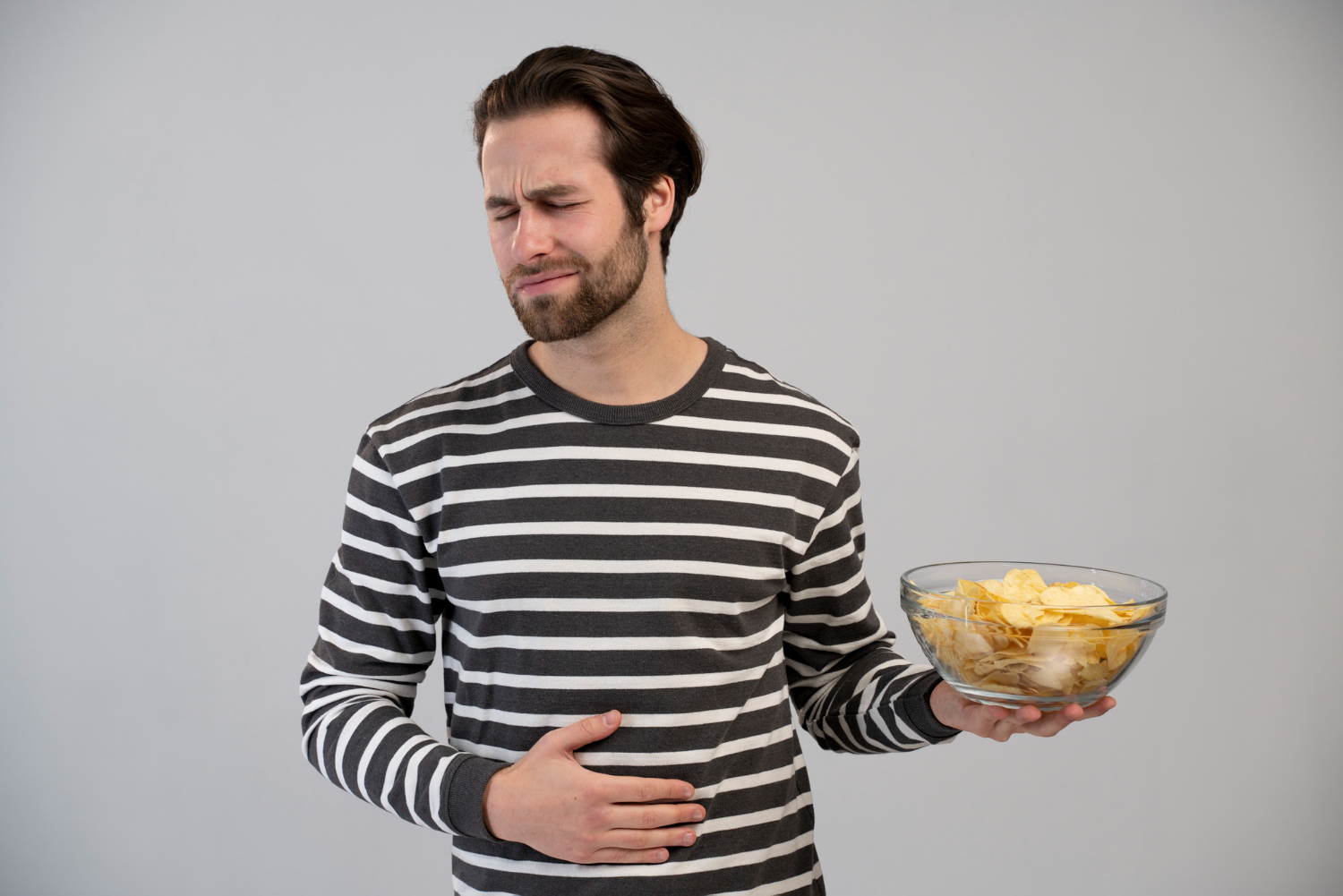
A person holding their stomach and worried about belly fat.
First, the honest answer: exercise is genuinely one of the most effective tools for reducing belly fat — particularly visceral fat (the dangerous internal kind around organs). Advising you to skip it would be misleading.
But there are real situations where exercise isn't currently possible: injury, recovery from illness, disability, severe work constraints, or simply the reality that someone needs to start somewhere before they can exercise. And diet and lifestyle changes — even without exercise — do move belly fat measurably.
So this guide covers what's genuinely achievable through non-exercise changes, with honesty about what it can and can't do.
Without exercise, you can:
What this achieves: meaningful visceral fat reduction over months, less visible subcutaneous fat reduction, and significantly reduced metabolic risk even before you can see results in the mirror.
What you're missing: muscle preservation during weight loss, the metabolic afterburn, the specific visceral-fat-targeting effect of aerobic exercise, and the insulin-sensitivity improvement from resistance training.
The combination works better than either alone. But diet and lifestyle alone, done well, is real — not trivial.
This is the single most impactful dietary change for belly fat, particularly without exercise. Sugary drinks — cola, packaged juice, sweetened chai with multiple teaspoons of sugar, sports drinks, energy drinks — deliver fructose that is converted directly to liver fat, spike insulin, and deliver calories without satiety.
A person who removes two or three sweetened drinks a day from their diet without replacing them with other high-calorie options loses meaningful weight over months from this change alone.
Replace with: plain water, buttermilk, coconut water, plain green tea, plain black coffee, nimbu pani without added sugar or with minimal.
Before changing what you eat, change how much. Reduce portions of the highest-calorie items at each meal by 20–25%:
Add more dal, vegetables, and salad to fill the plate. The meal looks similar, the calorie content is lower.
Satiety signals take 15–20 minutes to reach the brain from the gut. People who eat quickly consistently eat more before feeling full. Eating more slowly — putting the spoon down between bites, chewing thoroughly — allows the satiety signals to catch up and reduces total intake.
This sounds trivial but studies consistently show it produces meaningful difference in calorie intake and weight over time.
Protein is more satiating than carbohydrate or fat — it keeps you full longer per calorie. Including protein at every meal naturally reduces overall calorie intake.
Practical: dal at lunch and dinner (not just dinner). Eggs at breakfast rather than just toast or paratha. Curd with lunch. Paneer in one meal. These additions replace some refined carbohydrate, improving the macronutrient profile.
High-fibre foods — vegetables, dals, fruits — take longer to eat, slow digestion, and produce more satiety per calorie than refined foods. They also feed gut bacteria associated with healthy metabolism.
Aim for two to three large portions of vegetables daily. Add a salad before or with lunch and dinner. Replace packaged snacks with seasonal fruit.
White rice in large quantities, maida products (puri, naan, samosa wrappers, packaged biscuits), sugary snacks — all spike glucose and insulin. Insulin directs fat to be stored, particularly in the abdominal depot.
You don't need to eliminate these. Reducing portions and frequency matters. The practical question is: what in your current diet is you eating in large amounts regularly that is mostly refined carbohydrate? Target that.
The same calories eaten late at night (after 8 pm) produce worse metabolic outcomes — higher glucose response, worse fat storage — than the same calories eaten earlier in the day. This is partly circadian and partly because late-night eating follows a sedentary evening.
Try to finish the last significant meal by 7–8 pm. If evening hunger is a problem, the calorie distribution through the day may need adjusting — more at lunch, appropriate afternoon snack.
Not magic, but it works by reducing the eating window and thus total calorie intake for most people. The 16:8 approach (eating within an 8-hour window, fasting the other 16 — typically skipping breakfast and eating from 12 noon to 8 pm) is the most sustainable form.
Some research shows specific visceral fat reduction from intermittent fasting beyond what calorie restriction alone produces. It also has the effect of shifting timing away from late-night eating.
Not appropriate for: pregnant women, people with a history of eating disorders, those on medications requiring food, diabetics without medical supervision. Should be tried cautiously in women with hormonal conditions (some women notice menstrual changes with extended fasting).
Sleep is not a lifestyle "nice to have" for belly fat. It's a mechanism. Short sleep raises cortisol (which specifically drives visceral fat storage), disrupts ghrelin and leptin (hunger hormones — short sleepers are significantly hungrier and crave higher-calorie foods), and impairs insulin sensitivity.
Research consistently shows that people sleeping six hours or less have significantly more belly fat than those sleeping seven to eight hours — independent of diet and exercise.
Getting from six hours to eight hours of sleep, consistently, can move the belly fat dial meaningfully without any other change. Combined with dietary changes, the effect is significant.
Practical improvements: consistent bed and wake time, phone out of the bedroom, screen-free 45 minutes before bed, cool dark room, no caffeine after 1 pm.
Cortisol, the main stress hormone, specifically promotes visceral fat storage. It tells the body to store fuel for the emergency. Chronically elevated cortisol from ongoing stress means ongoing visceral fat accumulation regardless of what else you're doing.
Urban Indian life — commute stress, work pressure, financial worry, family obligations — often means chronically elevated cortisol. This is a real physiological driver of the belly fat that urban professionals accumulate despite relatively controlled diets.
Interventions with evidence:
These aren't just wellness ideas. They directly influence the hormonal environment that determines where the body stores fat.
Hypothyroidism: dramatically slows metabolism and promotes weight gain, particularly centrally. Treated with thyroid hormone replacement — metabolism normalises and weight management becomes much more tractable.
Insulin resistance and prediabetes: the core metabolic driver of visceral fat in many people. Needs dietary change (less refined carbohydrate specifically) and sometimes medication. Inositol supplementation has evidence for improving insulin sensitivity, particularly in PCOD.
PCOD: hormonal disorder with insulin resistance at its centre. Specific treatment (dietary changes, inositol, metformin sometimes) is needed alongside general lifestyle.
Cushing's syndrome: rare but worth knowing — excess cortisol from adrenal problems produces characteristic central obesity. Diagnosed with blood and urine tests.
Medications: some medications promote weight gain (corticosteroids, certain antidepressants and antipsychotics, insulin). If weight gain began with a medication change, discuss with your doctor.
Not gym exercise, but not zero movement either — these count:
Post-meal walking: 10–15 minutes of walking after each meal dramatically reduces post-meal glucose spikes and insulin response. This significantly reduces the stimulus for fat storage. Three meals a day with a short walk each = 30–45 minutes of walking, no gym required.
Standing during phone calls: a simple switch that adds non-exercise activity.
Taking stairs: when available.
Walking where walking is feasible: instead of auto or car for short distances.
Standing desk or standing breaks: stand for 2 minutes every 45 minutes of desk sitting. This specifically addresses the metabolic harm of prolonged sitting.
These aren't replacements for exercise — they're the non-exercise activity thermogenesis (NEAT) that the body does throughout the day and that desk-bound, car-commuting, elevator-using urban Indians have dramatically reduced.
Appetite suppressant teas and detox products: no evidence.
Fat-burning supplements: very limited evidence, some potential harm.
Waist trainers and abdominal belts: don't reduce fat. May temporarily reduce the appearance of the waist by compressing. Don't improve the underlying metabolic situation.
Crash diets: produce rapid weight loss including muscle loss. When stopped (and they always are), weight returns faster because muscle mass is lower and metabolic rate is reduced.
Targeted "belly fat" foods: no food directly targets belly fat. Foods that reduce overall calorie intake and improve metabolic health reduce belly fat alongside fat elsewhere.
Week 1: Remove all sugary drinks. Reduce sugar in tea/coffee to zero or minimal. Track how much water you drink — reach 8–10 glasses daily.
Week 2: Reduce portion of rice or roti at dinner by 25%. Add a large vegetable side or salad to lunch and dinner. Protein at every meal.
Week 3: Fix sleep schedule. Same wake time every day. Phone out of the bedroom. No screens 45 minutes before bed.
Week 4: 10-minute walk after each meal. 10-minute breathing or meditation before bed.
Combine all four by the end of the month and maintain consistently. Over 3–6 months, these changes produce meaningful visceral fat reduction even without formal exercise.
At Prakash Hospital Noida, our physicians evaluate medical contributors to belly fat — thyroid, insulin resistance, PCOD, hormonal factors — and provide dietary and lifestyle counselling for weight management. For those who can't exercise due to injury or illness, our team can build a plan around the non-exercise components.
Whether you're in Sector 18, Sector 62, Greater Noida West, or anywhere nearby, Prakash Hospital Noida is a trusted name for metabolic health and weight management in Noida.
To book a consultation, call the number.
Tags: #BellyFatWithoutExercise #DietForBellyFat #PrakashHospitalNoida

Removes enlarged adenoids that block a child's nose, disturb sleep or keep causing ear infections.
Removes uterine fibroids and repairs the womb, easing heavy bleeding and pressure while keeping pregnancy possible.
Measures pressure and oxygen inside the heart and lungs through a thin tube, to guide valve and heart failure care.
Free tools to check your weight, plan a pregnancy, track calories and more.
We offer expert care across key specialties, including Medicine, Cardiology, Orthopaedics, ENT, Gynaecology, and more—delivering trusted treatment under one roof.
Learn about bone fractures in adults including types of fractures, causes, symptoms, diagnosis, treatment options at Prakash Hospital.
23 Feb 2026
by Prakash Hospital

Understand common therapy myths and learn how professional counseling supports mental and emotional well-being.
7 Nov 2025
by Prakash Hospital

What 30 minutes of walking daily does for your heart, blood sugar, mood, and weight. Evidence-based guide from Prakash Hospital Noida.
28 Sept 2026
by Prakash Hospital

Learn the early symptoms of thyroid problems in women, common causes, and when to seek medical advice for timely diagnosis and treatment.
13 May 2026
by Prakash Hospital

Low testosterone symptoms — fatigue, low libido, mood changes and more. Causes, when to get a morning blood test, and treatment. Prakash Hospital Noida.
6 Oct 2026
by Prakash Hospital

HOMA-IR equals fasting glucose times fasting insulin divided by 405. See worked examples, what the ranges mean, how to prepare and how to improve your score.
15 Oct 2026
by Prakash Hospital


Book a consultation with Prakash Hospital's specialists — 24/7 emergency care, 100+ doctors, NABH accredited.
View All Departments