


बढ़ती उम्र में हड्डियों को मजबूत कैसे रखें
बढ़ती उम्र में हड्डियाँ कमजोर क्यों होती हैं? जानिए हड्डियों को मजबूत रखने के सही उपाय, डाइट, एक्सरसाइज़ और बोन डेंसिटी टेस्ट की ज़रूरत Prakash Hospital।
7 Jan 2026
by Prakash Hospital
by Prakash Hospital

Doctor reviewing medical reports to assess a patient’s health condition.
Uric acid is a normal waste product of the body's metabolism. It forms when purines — compounds found in certain foods and produced naturally by the body — are broken down. Under normal circumstances, uric acid dissolves in the blood, passes through the kidneys, and exits the body in urine.
The problem begins when uric acid levels rise too high. At elevated concentrations, uric acid can crystallise and deposit in joints — causing gout, one of the most painful conditions in medicine. It can also form kidney stones. And increasingly, high uric acid is recognised as a marker of broader metabolic risk — associated with insulin resistance, high blood pressure, cardiovascular disease, and chronic kidney disease.
| Category | Uric Acid Level | |---|---| | Normal (men) | 3.5 – 7.2 mg/dL | | Normal (women) | 2.6 – 6.0 mg/dL | | Hyperuricaemia (elevated) | Above 7.0 mg/dL (men), above 6.0 mg/dL (women) | | Gout risk threshold | Sustained levels above 6.8 mg/dL |
Many people have elevated uric acid without any symptoms for years — this is called asymptomatic hyperuricaemia. Whether to treat asymptomatic cases is a medical decision based on the level and other risk factors.
When the body breaks down purines, uric acid is the end product. Foods very high in purines raise uric acid most — though genetics and kidney function matter more than diet for most people.
Very high-purine foods (significantly raise uric acid):
Moderate-purine foods (relevant in large quantities):
Note on dal and pulses: spinach, dal, and lentils contain moderate purines but their association with gout is much weaker than animal protein purines. The older advice to avoid all high-purine vegetables has been largely updated in current guidelines — plant purines appear to be metabolised differently and don't raise gout risk significantly for most people.
Fructose — the sugar in sugary drinks, commercial fruit juices, and jaggery in large quantities — directly stimulates uric acid production independent of purine metabolism. Fructose is metabolised rapidly in the liver, and the process consumes ATP (cellular energy molecules) and generates uric acid as a byproduct.
This explains why the rise of uric acid and gout in India correlates so closely with the rise of sugary drink consumption, not just meat eating. A person who drinks two or three packaged cold drinks or fruit juices daily may have significantly elevated uric acid regardless of their meat intake.
Alcohol raises uric acid through multiple mechanisms: it increases purine turnover, reduces kidney excretion of uric acid (the kidneys prioritise excreting alcohol metabolites over uric acid), and beer specifically contains guanosine, a purine that directly raises uric acid.
Beer is the most significant alcoholic drink for uric acid. Wine and spirits raise uric acid less, though still meaningfully.
When fluid intake is insufficient, the kidneys produce concentrated urine. Concentrated urine means less uric acid is cleared per unit time — levels rise. Dehydration is a common trigger of acute gout attacks.
The kidneys excrete approximately 70% of uric acid produced. Any reduction in kidney function reduces this excretion and raises blood uric acid. This is why kidney disease and high uric acid so often coexist — and why managing both together matters.
Fasting and crash dieting produce ketones, which compete with uric acid for kidney excretion — uric acid rises. This is counterintuitive (weight loss ultimately helps) but explains why gout attacks sometimes occur at the start of a weight-loss programme.
Uric acid levels are strongly hereditary. Variants in genes controlling urate transporters in the kidney (ABCG2, SLC22A12) determine baseline excretion capacity. Some people produce the same amount of uric acid as others but excrete it less efficiently — they will have higher levels regardless of diet.
Given the fructose-uric acid link, removing sugary drinks is the single most impactful dietary change for most people with high uric acid. Cold drinks, packaged fruit juices, energy drinks, and sports drinks all contain significant fructose.
Replace with: water, plain chaas, coconut water, plain green tea, diluted nimbu pani without sugar (lemon is low in fructose).
Adequate hydration dilutes uric acid in blood and urine and promotes its kidney excretion. This is one of the simplest and most effective strategies.
Water is the best choice. Coconut water (natural electrolytes, low purine, helps with hydration) is an excellent additional choice.
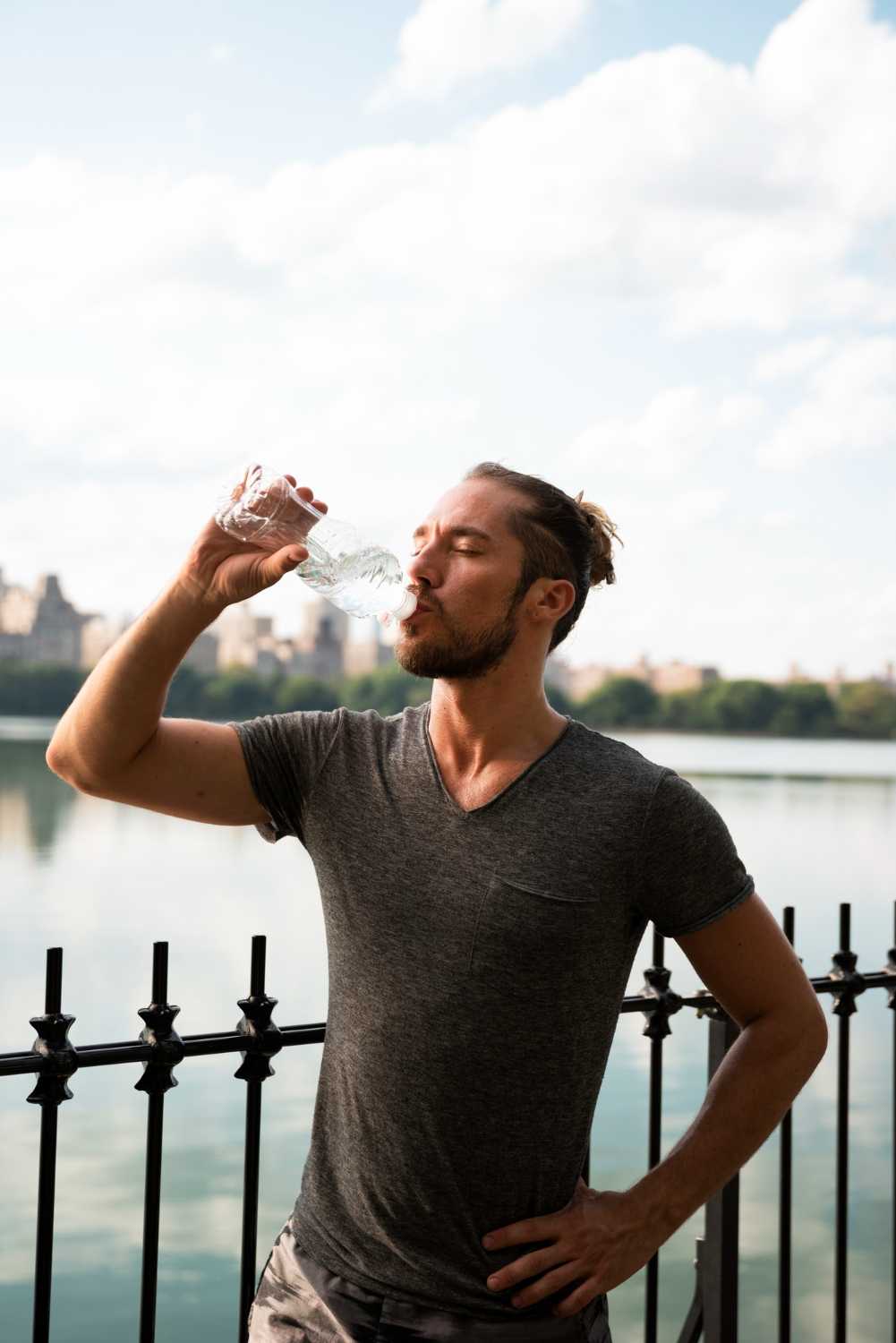
Split image showing an athlete exercising in heat and drinking water
Mutton, beef, and organ meats have the highest purine content among common Indian foods. This doesn't mean eliminating meat — it means limiting frequency and portion size.
Practical: limit mutton, beef, or organ meat to once or twice a week at most during periods of elevated uric acid. Chicken and fish (except sardines and mackerel) in moderate quantities are better choices.
For people with high uric acid or gout, beer is the most important alcoholic drink to reduce or eliminate. Wine has a lesser effect; spirits have the least (though still not zero).
This seems counterintuitive given that dairy contains some purines, but dairy proteins (casein and lactalbumin) actually promote renal uric acid excretion through a specific pathway — effectively lowering uric acid levels. Multiple studies confirm that people who consume more dairy have lower uric acid levels.
Low-fat milk and plain curd are the best choices — they provide the beneficial proteins without excess saturated fat.
Vitamin C directly promotes kidney excretion of uric acid. Studies show that 500 mg of vitamin C daily reduces serum uric acid by approximately 0.5 mg/dL. This is modest but meaningful at borderline levels.
Food sources: amla (the highest vitamin C in Indian foods), guava, capsicum, citrus.
Supplement: 500 mg daily is a safe, inexpensive, and evidence-supported addition.
Multiple large studies have found that regular coffee consumption (2–4 cups daily) is associated with lower uric acid levels — through compounds in coffee (xanthines) that may compete with urate reabsorption in the kidneys. This is a correlation that appears robust; it applies to both regular and decaf coffee.
If you already drink coffee and don't have other reasons to avoid it, moderate consumption may be mildly beneficial.
Fresh and tart cherries have consistent evidence for reducing both serum uric acid and gout attack frequency. Anthocyanins (the pigments in dark berries) reduce inflammation and appear to inhibit xanthine oxidase (the enzyme that produces uric acid). Daily cherry consumption in trials with gout patients reduced attack frequency by 35–50%.
Fresh cherries aren't widely available year-round in India, but pomegranate (which contains similar anthocyanins) and jamun (Indian blackberry) are good alternatives. Pomegranate juice without added sugar is a practical form.
Overweight is associated with higher uric acid — more tissue means more purine turnover. Weight loss reduces uric acid. However, rapid weight loss through crash dieting temporarily raises uric acid and can trigger acute gout attacks. The approach: gradual, sustainable weight reduction.
Regular moderate exercise supports weight management and improves metabolic health — both lower uric acid over time. During an active gout attack, the affected joint should rest; resuming exercise once the attack resolves is important for long-term management.
For people with:
...lifestyle changes alone are typically insufficient and urate-lowering medication is needed.
Allopurinol is the first-line medication — it inhibits xanthine oxidase, reducing uric acid production. Safe and effective for long-term use. Started at low doses and gradually increased.
Febuxostat is an alternative with a different mechanism, useful when allopurinol isn't tolerated.
During an acute gout attack itself, uric acid-lowering drugs are typically not started (they can prolong the attack). Attack management uses colchicine, NSAIDs, or corticosteroids.
At Prakash Hospital Noida, our physicians evaluate uric acid levels, assess for gout, kidney stones, and related conditions, and provide dietary guidance alongside medication management where needed. Kidney function tests and comprehensive metabolic screening are available.
Whether you live in Sector 18, Sector 62, Greater Noida West, or anywhere in the NCR, Prakash Hospital Noida is a trusted name for uric acid management, gout treatment, and metabolic health in Noida.

Straightens the bent wall inside the nose to relieve a constantly blocked nostril, with no cut outside.
Records the brain's electrical activity through scalp electrodes to help diagnose epilepsy and seizures.
Gentle exfoliation that removes dead surface skin to brighten dull skin and soften light marks, with no downtime.
Free tools to check your weight, plan a pregnancy, track calories and more.
We offer expert care across key specialties, including Medicine, Cardiology, Orthopaedics, ENT, Gynaecology, and more—delivering trusted treatment under one roof.
बढ़ती उम्र में हड्डियाँ कमजोर क्यों होती हैं? जानिए हड्डियों को मजबूत रखने के सही उपाय, डाइट, एक्सरसाइज़ और बोन डेंसिटी टेस्ट की ज़रूरत Prakash Hospital।
7 Jan 2026
by Prakash Hospital
Viral fever symptoms, treatment, recovery tips, and when to see a doctor. Visit Prakash Hospital Noida for proper evaluation and care.
26 Jun 2026
by Prakash Hospital

पेट की खराब सेहत से जुड़ी समस्याएं जैसे गैस, एसिडिटी, कब्ज़ और IBS क्यों होती हैं? जानिए इनके कारण, लक्षण और सही इलाज के उपाय Prakash Hospital।
13 Jan 2026
by Prakash Hospital

जानिए थायरॉइड टेस्ट कब करवाना चाहिए, किन लक्षणों में जांच जरूरी है, और कौन-कौन से टेस्ट होते हैं। सही समय पर Prakash Hospital से संपर्क करें।
2 Mar 2026
by Prakash Hospital

Low testosterone symptoms — fatigue, low libido, mood changes and more. Causes, when to get a morning blood test, and treatment. Prakash Hospital Noida.
6 Oct 2026
by Prakash Hospital

Discover what causes insulin resistance and how diet, exercise, sleep, and lifestyle changes can help you take control of your health
9 Apr 2026
by Prakash Hospital


Book a consultation with Prakash Hospital's specialists — 24/7 emergency care, 100+ doctors, NABH accredited.
View All Departments