


Orthopedic Fitness: Safe Exercise Tips for Joint Support
Discover expert-approved orthopedic fitness strategies with safe exercises to support your joints, reduce pain, and improve mobility. Ideal for all age groups.
25 Jun 2025
by Prakash Hospital
by By Prakash Hospital

Osteoarthritis, the most common cause of joint pain in older adults, often affects the knees, hips and spine.
"It is just age." Millions of older Indians hear and say this about aching knees, stiff hips, and sore hands. While some joint wear is part of aging, persistent pain is not something you simply have to live with. Many causes are treatable, and the right care can restore comfort, mobility, and independence.
Joints are the meeting points of bones, cushioned by smooth cartilage and lubricated by joint fluid. Over decades:
The most common cause. Cartilage wears down, causing pain, stiffness, swelling, and sometimes a grating sensation.
An autoimmune condition where the immune system attacks the joint lining.
Caused by uric acid crystals in a joint, often the big toe, causing sudden, severe pain, redness, and swelling. Triggered by high uric acid, certain foods, alcohol, dehydration, and some medicines.
Weak bones can cause back pain, hip and wrist fractures, and height loss. Osteoporosis itself is silent until a fracture occurs. See our blog on osteoporosis symptoms.
Extremely common in India and a frequent reason for bone and muscle aches in the elderly. Often undiagnosed.
Sudden stiffness and aching in the shoulders and hips in people over 50, worse in the morning.
Inflammation of fluid sacs or tendons around the shoulder, hip, knee, or elbow, often from repetitive use.
Painful stiffness restricting shoulder movement, more common in people with diabetes.
Cervical and lumbar spondylosis, spinal stenosis, and disc problems cause neck and back pain, sometimes with arm or leg pain, tingling, or weakness.
Avoid long-term self-medication with painkillers.
A physiotherapist designs a programme to strengthen muscles around the joint, improve flexibility and balance, and teach safe movement. Techniques include exercise therapy, ultrasound, TENS, and manual therapy.
When pain and disability persist despite other treatment:
Modern joint replacement has good outcomes, including in people in their 70s and 80s who are otherwise medically fit.
Always start gently and stop if pain sharpens.
Review the home for hazards, keep up exercise and balance training, check vision and medicines, and treat osteoporosis. Even a minor fall can cause a serious fracture in brittle bones.
At Prakash Hospital Noida, our physicians and orthopaedic team assess joint pain with examination, imaging, and blood tests, and plan treatment ranging from lifestyle and physiotherapy to injections and surgery where needed.
Whether you live in Sector 18, Sector 62, Greater Noida West, or anywhere nearby, Prakash Hospital Noida is a trusted name for joint pain and orthopaedic care in Noida.
To book a consultation, call the number.
Tags: #JointPainInElderly #ArthritisInOldAge #PrakashHospitalNoida

This article covers orthopaedic concerns. These Prakash Hospital doctors in Noida treat them.

Dr. Mayank Chauhan
Consultant Orthopaedics & Joint Replacement Surgeon
Orthopaedics · Joint Replacement

Dr. Manoj Mehra
Consultant Orthopaedics Surgeon
Orthopaedic Surgeon · Joint Replacement Surgeries
Keyhole surgery using a thin camera to diagnose and repair problems inside the knee or shoulder.
Replaces only the worn part of an arthritic knee, keeping the healthy cartilage and ligaments.
Replaces a damaged shoulder ball and socket to relieve arthritis pain and help you use your arm again.
Free tools to check your weight, plan a pregnancy, track calories and more.
We offer expert care across key specialties, including Medicine, Cardiology, Orthopaedics, ENT, Gynaecology, and more—delivering trusted treatment under one roof.
Discover expert-approved orthopedic fitness strategies with safe exercises to support your joints, reduce pain, and improve mobility. Ideal for all age groups.
25 Jun 2025
by Prakash Hospital
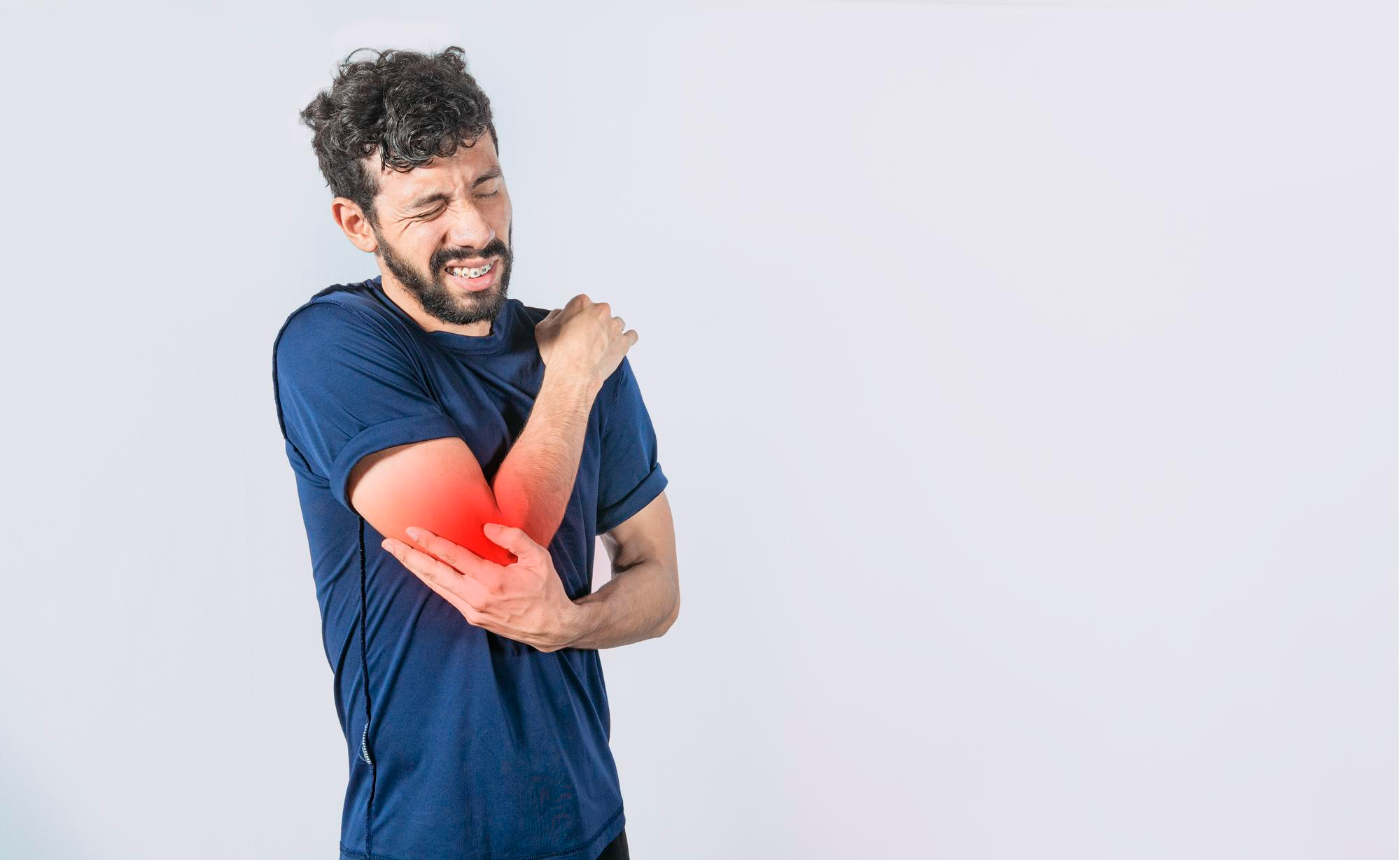
Learn why joint pain becomes common after 40 and how to prevent it. Discover causes, symptoms, and treatment options from experts at Prakash Hospital.
17 Nov 2025
by Prakash Hospital
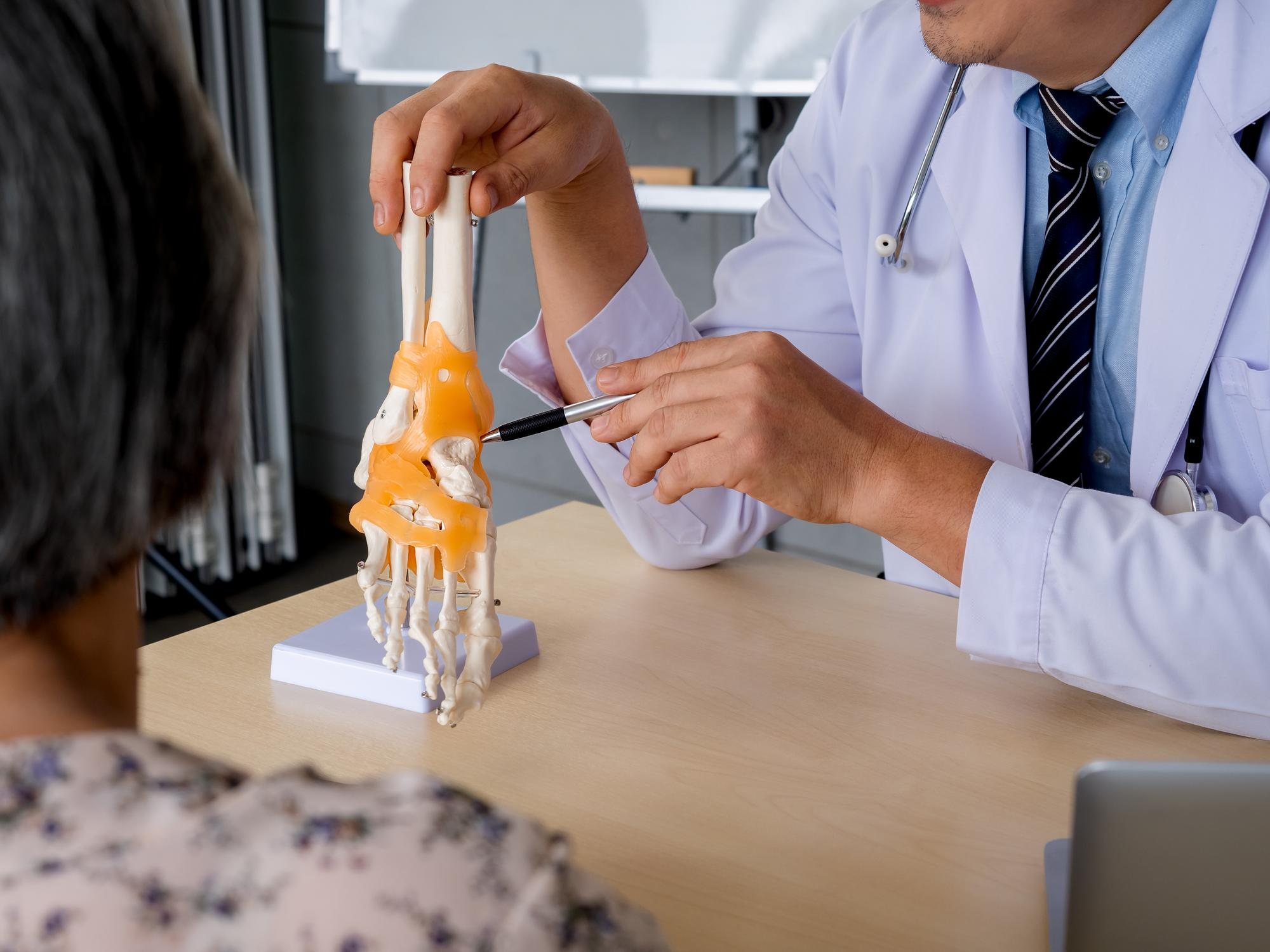
हड्डियों में सूजन के कारण, लक्षण और इलाज जानें। ऑस्टियोमाइलाइटिस, आर्थराइटिस और हड्डी के दर्द को नजरअंदाज न करें। Prakash Hospital में पाएं एडवांस ऑर्थोपेडिक उपचार।
9 Jun 2026
by Prakash Hospital

Discover what causes insulin resistance and how diet, exercise, sleep, and lifestyle changes can help you take control of your health
9 Apr 2026
by Prakash Hospital

Low testosterone symptoms — fatigue, low libido, mood changes and more. Causes, when to get a morning blood test, and treatment. Prakash Hospital Noida.
6 Oct 2026
by Prakash Hospital

HOMA-IR equals fasting glucose times fasting insulin divided by 405. See worked examples, what the ranges mean, how to prepare and how to improve your score.
15 Oct 2026
by Prakash Hospital

Calcium-rich foods — the best Indian sources for strong bones and teeth. Visit Prakash Hospital Noida for nutrition consultation and bone health.
20 Jul 2026
by Prakash Hospital

घुटनों के दर्द के कारण, लक्षण और राहत पाने के उपाय जानें। पढ़ें क्या करना चाहिए और क्या नहीं करना चाहिए, ताकि घुटने स्वस्थ रहें।
19 Feb 2026
by Prakash Hospital

जानिए स्ट्रेस फ्रैक्चर के कारण, लक्षण और सही इलाज। समय पर देखभाल, आराम और सही उपचार से जल्दी रिकवरी कैसे पाएं।
12 May 2026
by Prakash Hospital


Book a consultation with Prakash Hospital's specialists — 24/7 emergency care, 100+ doctors, NABH accredited.
View All Departments