


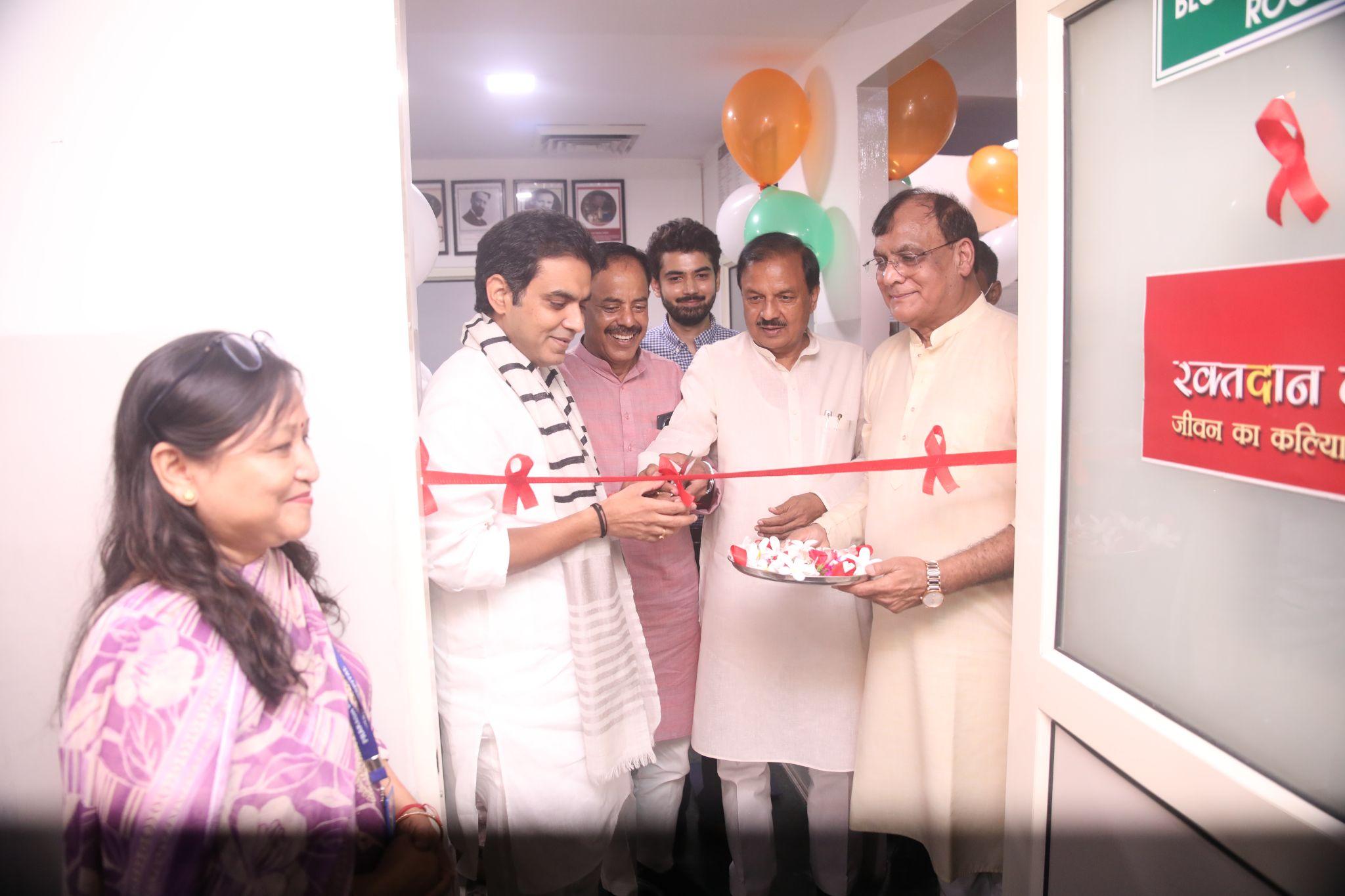
Prakash Hospital Organises Successful Blood Donation Camp
Learn about the successful blood camp conducted by Prakash Hospital, thanks to support from local community and leaders.
19 Sept 2025
by Prakash Hospital
by Prakash Hospital

Blood sugar, cholesterol, kidney, liver and thyroid checks can all come from one blood sample.
Men in India use healthcare reactively. They go to a doctor when something is wrong — a fever, an injury, chest pain — and tend to avoid health checkups that might find something they didn't know about. The irony is that the conditions most likely to kill or seriously disable Indian men — heart disease, type 2 diabetes, hypertension, liver disease, kidney disease — are typically silent in their early and most treatable stages.
Proactive screening doesn't just detect problems earlier. In many cases, it prevents them. Finding prediabetes in a 38-year-old man and making dietary and lifestyle changes reverses it before it becomes type 2 diabetes. Finding hypertension in a 42-year-old prevents the stroke that might have come at 50.
This guide covers the evidence-based screening tests that matter for Indian men, when to start, and how often to repeat them.
Indian men face a specific combination of elevated health risks:
Cardiovascular disease: Indian men develop coronary artery disease on average 5–10 years earlier than Western men. Heart attacks in men in their 30s and 40s are far more common in India than in most other countries. The combination of genetic factors (elevated Lp(a), raised LDL, insulin resistance), dietary patterns (high refined carbohydrates, trans fats), and lifestyle factors (sedentary work, chronic stress, tobacco) creates a particularly high-risk environment.
Type 2 diabetes: Indians develop diabetes at a lower BMI than Western populations — the "thin-fat" phenomenon where metabolic risk is high even at apparently normal weight. An Indian man with a BMI of 24 may have the insulin resistance and visceral fat of a Western man with a BMI of 28.
Hypertension: high rates, typically undetected until a cardiovascular event.
Liver disease: alcohol-related liver disease is common; non-alcoholic fatty liver disease is epidemic in urban India.
Lung cancer: tobacco (cigarettes and bidi) is the leading modifiable cause of premature male death in India.
Undiagnosed thyroid disease: hypothyroidism is less common in men than women but still significant and often undetected.
Start: at every healthcare contact from age 18; annually from age 30.
Why: hypertension is the "silent killer" — no symptoms until end-organ damage (stroke, heart failure, kidney disease) occurs. Blood pressure above 130/80 should be addressed. Indian men have very high rates of undiagnosed hypertension.
How: proper technique matters. Sit quietly for 5 minutes. No caffeine or exercise in the 30 minutes prior. Use upper arm cuff. Take two readings, one minute apart. Home monitoring over a week gives more reliable data than a single clinic reading.
Start: from age 25–30 as part of an annual health review.
Why: detects anaemia (less common in men than women but present; in men, anaemia is more likely to indicate a serious underlying cause like gastrointestinal blood loss than simple dietary deficiency), infection, and blood disorders.
What to look for: haemoglobin (normal above 13 g/dL in men), MCV (size of red cells — microcytic suggests iron deficiency; macrocytic suggests B12/folate deficiency), white cell count (infection, immune disorders).
Start: from age 30 for all men; from age 25 for men with obesity, family history, or waist circumference above 90 cm.
Why: type 2 diabetes and prediabetes are extremely common in Indian men, often silent for years before diagnosis. The average Indian man with type 2 diabetes has had the condition for 4–7 years before diagnosis.
How often: annually for those with risk factors; every 2–3 years for low-risk men with normal results.
Targets: fasting glucose below 100 mg/dL; HbA1c below 5.7% (normal); 5.7–6.4% (prediabetes); above 6.5% on two tests (diabetes).
Start: from age 30 for all men; from age 25 if family history of early heart disease, high-fat diet, or obesity.
Why: dyslipidaemia — particularly high LDL, low HDL, and high triglycerides — is a major driver of atherosclerosis and heart disease. Indian men with apparently "normal" total cholesterol often have the specific pattern of small, dense LDL particles and elevated triglycerides that is more atherogenic than the total figure suggests.
What to get: total cholesterol, LDL, HDL, triglycerides. Non-HDL cholesterol (total minus HDL) is increasingly recommended as a more complete risk marker. Lp(a) should be measured at least once — a genetic lipoprotein that is a major independent cardiovascular risk factor at higher rates in South Asians.
Targets: LDL below 100 mg/dL (below 70 for those with cardiovascular risk factors); HDL above 40 mg/dL; triglycerides below 150 mg/dL.
How often: every 1–2 years if normal; annual if borderline; more frequently if on treatment.
Start: from age 35; earlier for men with diabetes, hypertension, or family history.
Why: chronic kidney disease (CKD) is common, silent in early stages, and accelerates cardiovascular risk when undetected. Diabetes and hypertension — both prevalent in Indian men — are the leading causes of CKD.
What to check: serum creatinine and calculated eGFR (estimated glomerular filtration rate — a measure of kidney filtering capacity); urine albumin-creatinine ratio (detects early kidney damage from diabetes or hypertension).
Targets: eGFR above 60 mL/min/1.73m2; urine ACR below 30 mg/g (normal).
Start: from age 30; earlier for men who drink alcohol regularly or who are overweight.
Why: non-alcoholic fatty liver disease affects 25–30% of Indian men, most of whom don't know it. Alcohol-related liver disease is common and underdiagnosed. Elevated liver enzymes (ALT, AST) are often the first sign.
What to check: ALT (alanine aminotransferase — most liver-specific), AST, ALP, GGT (particularly elevated with alcohol-related liver disease), bilirubin, albumin.
Start: from age 35; earlier if symptoms of thyroid disease (fatigue, weight change, hair loss).
Why: hypothyroidism is less common in men than women but still significant. It causes fatigue, weight gain, constipation, and cognitive slowing — symptoms that are easily attributed to stress or aging. TSH is the most sensitive screening test.
Start: from age 30 for men with joint pain, family history of gout, or metabolic syndrome.
Why: hyperuricaemia and gout are more common in men; uric acid is an independent cardiovascular risk marker and is increasingly recognised in metabolic syndrome.
Resting ECG (electrocardiogram): detects silent myocardial ischaemia, arrhythmias, and conduction abnormalities. Many Indian men have had silent heart attacks they were unaware of. An annual ECG from 40 onwards is reasonable for men with cardiovascular risk factors.
Cardiovascular risk score: the Framingham Risk Score or WHO cardiovascular risk chart — calculated from age, blood pressure, cholesterol, smoking status, and diabetes — gives a 10-year cardiovascular event risk percentage. Guides the decision on whether statins or other preventive medication are appropriate.
Detects fatty liver, liver enlargement, gallstones, kidney cysts, aortic aneurysm (particularly in smokers above 65), and abdominal masses.
Consider from age 50; from age 40–45 if African heritage or family history of prostate cancer.
PSA is a blood test that, when elevated, may indicate prostate cancer, prostate enlargement (BPH), or prostatitis. It is a screening tool — not a diagnosis — and elevated PSA requires further evaluation (urological consultation, biopsy consideration) rather than a conclusion.
Prostate cancer is less common in Indian men than in Western men, but its incidence is rising. Discussion with a doctor about the risks and benefits of PSA screening is appropriate in this age group.
From age 45–50 for average risk; earlier if first-degree relative with colorectal cancer.
Colorectal cancer is the third most common cancer in men globally. Colonoscopy detects pre-cancerous polyps that can be removed before becoming cancer. If normal, repeat every 10 years. Annual faecal occult blood test is an alternative for men who decline colonoscopy.
Waist circumference: a waist above 90 cm in Indian men (the Indian-specific cut-off, lower than Western guidelines of 102 cm) indicates central obesity and high metabolic risk. This simple measurement — a tape around the belly button — predicts cardiovascular and metabolic risk better than BMI alone.
BMI: a useful population measure, though the Indian-specific cut-offs (overweight above 23, obese above 27.5) are lower than Western guidelines.
Blood pressure at home: home monitoring over a week is significantly more reliable than a single clinic measurement for true blood pressure assessment.
Normal results: repeat on the indicated schedule.
Borderline or mildly abnormal results: almost always warrant lifestyle modification first — dietary changes, exercise, weight loss — with repeat testing in 3–6 months before medication decisions.
Significantly abnormal results: prompt medical management. A fasting glucose of 210 mg/dL, an LDL of 200 mg/dL, or blood pressure of 170/100 requires treatment, not just lifestyle advice.
At Prakash Hospital Noida, comprehensive men's health checkup packages are available — including blood pressure, CBC, blood sugar, lipid profile, kidney and liver function, thyroid, and ECG. Consultation and follow-up for abnormal results is provided by our physicians.
Whether you live in Sector 18, Sector 62, Greater Noida West, or anywhere in the NCR, Prakash Hospital Noida is a trusted name for men's health, preventive medicine, and health screening in Noida.
To book a consultation, call the number.
Tags: #MensHealthScreening #MensHealthCheckup #PrakashHospitalNoida

A camera test of the food pipe, stomach and duodenum for acidity, ulcers, bleeding and swallowing problems.
Rebuilds a torn ACL with a tendon graft through keyhole surgery to stop the knee giving way.
Care through labour and vaginal birth, including VBAC for suitable women who have had one caesarean before.
Free tools to check your weight, plan a pregnancy, track calories and more.
We offer expert care across key specialties, including Medicine, Cardiology, Orthopaedics, ENT, Gynaecology, and more—delivering trusted treatment under one roof.
Learn about the successful blood camp conducted by Prakash Hospital, thanks to support from local community and leaders.
19 Sept 2025
by Prakash Hospital

Discover how sleep apnoea silently harms your heart and brain. Learn its symptoms, risks, and treatment options at Prakash Hospitals.
3 Nov 2025
by Prakash Hospital
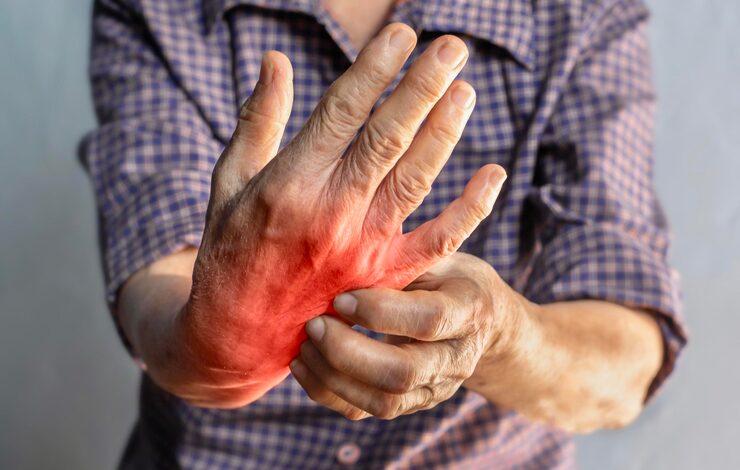
Learn about septic arthritis, including its symptoms, causes, and treatment options with advice from Prakash Hospital, Noida.
13 Oct 2025
by Prakash Hospital

Comprehensive guide on lowering high blood pressure naturally through diet, exercise, weight control, and medical monitoring.
24 Feb 2026
by Prakash Hospital

Learn what atherosclerosis is, how plaque builds up in arteries, its causes, symptoms, risk factors, and how to prevent heart attack and stroke
6 Mar 2026
by Prakash Hospital

Learn symptoms, risk factors, prevention tips and when to seek expert cardiac care in Noida.
25 Mar 2026
by Prakash Hospital


Book a consultation with Prakash Hospital's specialists — 24/7 emergency care, 100+ doctors, NABH accredited.
View All Departments