


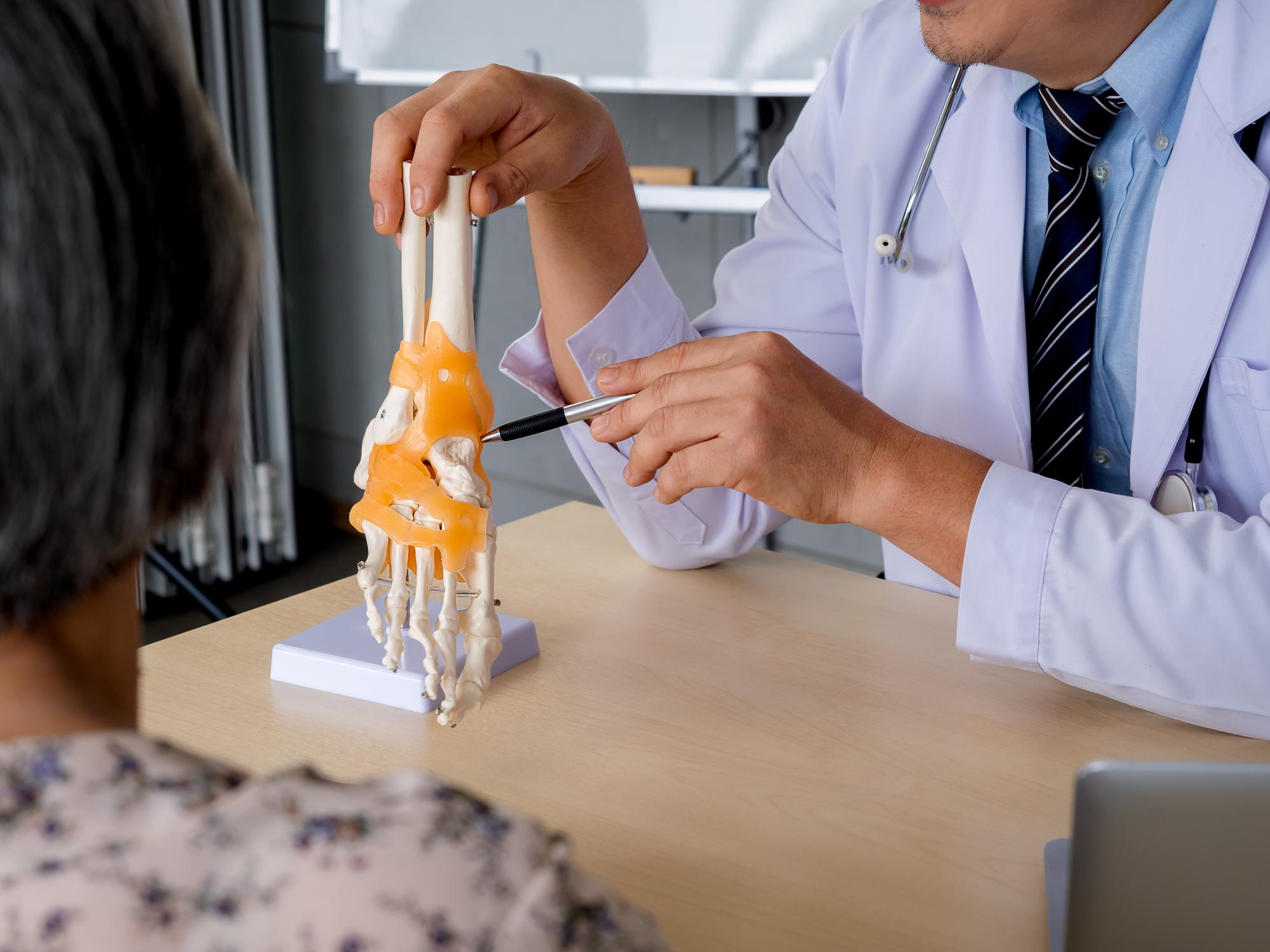
हड्डियों में सूजन (Bone Inflammation) क्यों होती है?
हड्डियों में सूजन के कारण, लक्षण और इलाज जानें। ऑस्टियोमाइलाइटिस, आर्थराइटिस और हड्डी के दर्द को नजरअंदाज न करें। Prakash Hospital में पाएं एडवांस ऑर्थोपेडिक उपचार।
9 Jun 2026
by Prakash Hospital
by Prakash Hospital

Woman feeling depressed, sitting alone
Depression is still widely misunderstood in India. "Just be positive," "everyone has problems, you'll be fine," "pray more," "why are you being so sensitive?" These responses — usually offered with genuine care — miss what's actually happening.
Depression is a medical condition. It has identifiable neurobiological underpinnings: altered activity in the prefrontal cortex and limbic system, disrupted serotonin, norepinephrine, and dopamine signalling, inflammatory changes, and structural brain differences in chronic cases. It's not a character flaw. It's not weakness. It's not a choice.
And it responds to treatment. Significantly. Most people with depression improve with appropriate care. The barrier is usually identification and help-seeking.
Sadness is not depression. Feeling sad after a loss, a disappointment, or a difficult period is a normal human response. It's expected. It passes.
Depression is persistent. It doesn't resolve when circumstances improve. It colours everything — the past feels worse, the present feels hopeless, the future feels pointless. The person can't explain it logically. "I have no reason to feel this way" is something many people with depression say, which adds guilt to the suffering.
Grief is not depression — though depression can develop in grief if it becomes complicated and prolonged. Short-term depressive episodes following major stressors (job loss, relationship breakdown, bereavement) are common and often resolve with time and support. Clinical depression is more persistent and usually more severe.
Two symptoms are central to depression. Most diagnostic criteria require at least one of them, most of the time, for at least two weeks:
Persistent low mood: feeling sad, empty, hopeless, or tearful most of the day, most days. Not related to a specific event. Not lifting even on good days. Sometimes described as feeling nothing rather than feeling sad.
Anhedonia: loss of interest or pleasure in activities that used to be enjoyable. Stopped reading books, watching favourite shows, spending time with friends, engaging with hobbies. Nothing feels worthwhile or pleasurable. This is often more diagnostically reliable than low mood — it's harder to attribute to circumstances.
Beyond the core two, depression produces a cluster of symptoms:
Physical symptoms:
Cognitive symptoms:
Emotional symptoms:
Women are diagnosed with depression at roughly twice the rate of men, though men are likely underdiagnosed. Women with depression more commonly present with:
Hormonal factors — premenstrual dysphoric disorder (PMDD), postpartum depression, perimenopausal depression — are specific presentations relevant to women.
Men are less likely to recognise or label their experience as depression and less likely to seek help. Depression in men more commonly presents as:
Men have significantly higher suicide rates than women — partly because depression is missed and undertreated.
Depression in the elderly often presents with physical symptoms, cognitive complaints, and withdrawal rather than reported sadness. It's frequently attributed to "just getting old" or confusion with dementia. Often coexists with physical illness.
Irritability, declining school performance, social withdrawal, increased conflict, and risk-taking behaviour may all indicate depression in young people, even without classic sadness. Social media use patterns (comparing, scrolling, withdrawing from real relationships) can both reflect and worsen depression.

A depressed teenage boy sitting alone in a quiet room, looking down at his phone with a sad and troubled expression.
Thoughts of suicide or self-harm require immediate attention. Warning signs:
If someone expresses suicidal thoughts or intentions, take it seriously. Ask directly — "Are you thinking about ending your life?" — asking the question doesn't increase risk. It opens the conversation.
In India: iCall helpline (9152987821) and Vandrevala Foundation (1860-2662-345) provide mental health support. For immediate crisis, the nearest emergency room is appropriate.
Depression doesn't have a single cause. Contributing factors include:
Biological: genetics (family history significantly raises risk), neurotransmitter dysregulation, hormonal factors, inflammation, thyroid dysfunction, chronic pain.
Psychological: personality factors (perfectionism, self-criticism, negative attribution style), adverse childhood experiences, trauma, chronic stress.
Social: relationship difficulties, isolation, financial stress, job stress or loss, major life changes, chronic illness in self or family member.
Often it's a combination — a person with biological predisposition experiences a difficult life period and develops depression.
Medical conditions that can cause depression include hypothyroidism, vitamin B12 deficiency, vitamin D deficiency, anaemia, chronic pain, and several neurological conditions. Ruling out these causes with blood tests is worthwhile, particularly when depression presents with physical symptoms or in older adults.
Depression is one of the most treatable medical conditions. Multiple evidence-based approaches exist:
Psychotherapy (talking therapy): Cognitive Behavioural Therapy (CBT) is the most extensively researched. It works by identifying and changing negative thought patterns and behaviours that maintain depression. Interpersonal therapy, mindfulness-based CBT, and others are also effective. Therapy produces durable change because it builds skills.
Antidepressants: SSRIs (fluoxetine, sertraline, escitalopram) and SNRIs are the most commonly used. They reduce depression symptoms in most people over 2–4 weeks. They don't cause addiction in the traditional sense — but they need to be stopped gradually and usually continued for at least 6–12 months after recovery to prevent relapse.
Combination: therapy plus medication is typically more effective than either alone for moderate to severe depression.
Lifestyle: exercise has strong evidence for antidepressant effect (comparable to medication for mild to moderate depression). Sleep, diet, social connection, and reduced alcohol all matter.
Transcranial Magnetic Stimulation (TMS) and Electroconvulsive Therapy (ECT): for severe or treatment-resistant depression. ECT in particular has a surprisingly strong evidence base.
Treatment takes time. There is rarely instant relief. Most people need 2–4 weeks before medication effects are felt, and several months of therapy before significant progress. Patience with the process is part of recovery.
Several cultural barriers remain:
These are real barriers. They're also barriers that depression itself makes harder to overcome — the condition reduces motivation, hope, and energy. Having a trusted person — family member, friend, GP — who takes symptoms seriously and supports help-seeking is often what makes the difference.
"You look sad. Are you okay?" is a start.
"Have you been feeling this way for a while?" helps distinguish temporary sadness from persistent depression.
"I'm worried about you" is honest and caring.
Don't: tell them to be positive, suggest there are people worse off, dismiss it as stress, or promise it will pass quickly.
Do: listen, take it seriously, offer to accompany them to a doctor, check in consistently.
At Prakash Hospital Noida, our physicians evaluate depression through clinical assessment, blood tests to rule out medical causes (thyroid, B12, vitamin D, glucose), and referral to mental health specialists where appropriate. We provide a non-judgmental environment for discussing mental health concerns.
Whether you're in Sector 18, Sector 62, Greater Noida West, or anywhere nearby, Prakash Hospital Noida is a trusted name for general health, mental health screening, and specialist referral in Noida.

A magnified check of the cervix after an abnormal Pap or HPV test, with a small biopsy if needed.
A thin needle sample of liver tissue to diagnose liver disease and measure scarring when other tests can't.
A camera test of the large bowel that investigates bleeding or bowel changes and removes polyps early.
Free tools to check your weight, plan a pregnancy, track calories and more.
We offer expert care across key specialties, including Medicine, Cardiology, Orthopaedics, ENT, Gynaecology, and more—delivering trusted treatment under one roof.
हड्डियों में सूजन के कारण, लक्षण और इलाज जानें। ऑस्टियोमाइलाइटिस, आर्थराइटिस और हड्डी के दर्द को नजरअंदाज न करें। Prakash Hospital में पाएं एडवांस ऑर्थोपेडिक उपचार।
9 Jun 2026
by Prakash Hospital
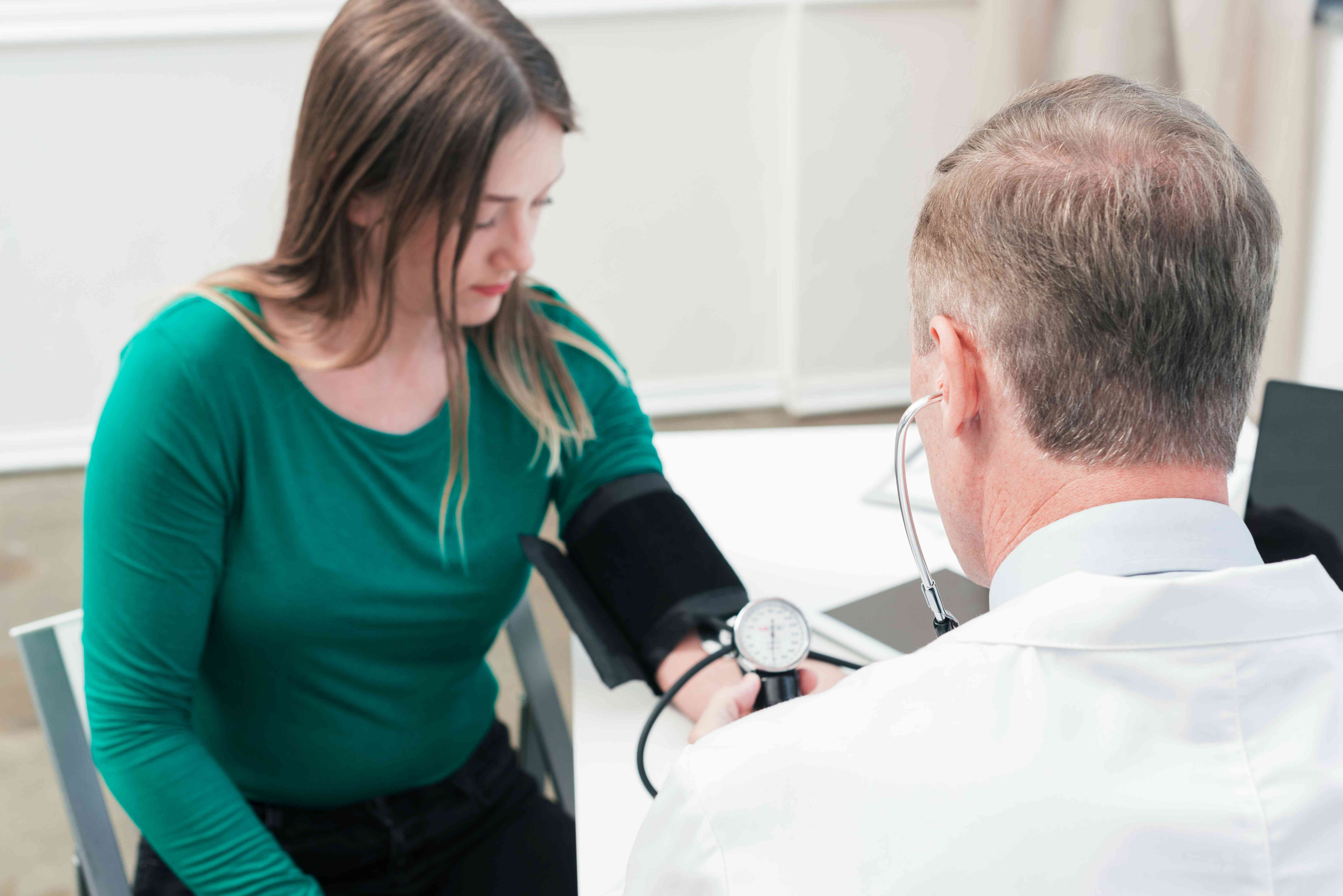
Discover how routine blood pressure checks help detect early health risks and support long-term wellness with expert guidance from Prakash Hospital.
11 Jul 2025
by Prakash Hospital

Vitamin D rich vegetables और fruits की पूरी list — कौन से शाकाहारी foods विटामिन डी देते हैं। नोएडा में health checkup के लिए Prakash Hospital।
17 Jun 2026
by Prakash Hospital

जानिए थायरॉइड टेस्ट कब करवाना चाहिए, किन लक्षणों में जांच जरूरी है, और कौन-कौन से टेस्ट होते हैं। सही समय पर Prakash Hospital से संपर्क करें।
2 Mar 2026
by Prakash Hospital

Low testosterone symptoms — fatigue, low libido, mood changes and more. Causes, when to get a morning blood test, and treatment. Prakash Hospital Noida.
6 Oct 2026
by Prakash Hospital

Learn the early symptoms of thyroid problems in women, common causes, and when to seek medical advice for timely diagnosis and treatment.
13 May 2026
by Prakash Hospital


Book a consultation with Prakash Hospital's specialists — 24/7 emergency care, 100+ doctors, NABH accredited.
View All Departments