


Why Regular Blood Tests Matter Even If You Feel Fine
Discover why routine blood tests are essential even if you feel healthy. Learn how early detection can prevent complications.
17 Mar 2026
by Prakash Hospital
by By Prakash Hospital

Iron-rich food helps, but diet alone rarely raises haemoglobin quickly once anaemia is established.
Haemoglobin does not rise meaningfully in 3 days, and food alone rarely moves it much in a week. With iron treatment prescribed by a doctor, a typical rise is about 1 g/dL over two to four weeks, so someone at 9.5 g/dL may need around two months to reach 12, and then several more months of iron to refill the body's stores. Faster correction is possible only with medical treatment such as intravenous iron or a blood transfusion, which are reserved for specific situations.
This guide gives honest timelines, explains why a low reading has to be investigated and not just treated, shows how to get more out of the iron you eat, includes an Indian menu, and lists the situations when low haemoglobin is urgent.
The World Health Organization defines anaemia as haemoglobin below:
| Group | Anaemia if haemoglobin is below | |---|---| | Adult men | 13.0 g/dL | | Non-pregnant women | 12.0 g/dL | | Pregnant women | 11.0 g/dL | | Children 5 to 11 years | 11.5 g/dL | | Children 12 to 14 years | 12.0 g/dL |
By the same system, anaemia is mild when the level sits just below the cut-off down to about 11 g/dL in non-pregnant women, moderate between about 8 and 10.9, and severe below 8. Laboratories print their own reference ranges, which may differ slightly.
Anaemia is very common in India, particularly among women, adolescent girls and pregnant women. National surveys have found that a majority of women of reproductive age have it.
Haemoglobin is a symptom, not a diagnosis. Treating it without finding the cause can mean months of tablets while the real problem continues. Common causes:
Tests a doctor may order: a complete blood count (haemoglobin, MCV, RBC count), ferritin, serum iron and transferrin saturation, B12, folate, a peripheral blood smear, and further tests for bleeding if needed. For adult men and for postmenopausal women, unexplained iron deficiency calls for a search for a source of bleeding.
| Timeframe | What can realistically happen | |---|---| | 3 days | No measurable rise from diet or tablets. Any change on repeat tests is within normal variation and lab differences. Only a blood transfusion changes haemoglobin that quickly. | | 1 week | Possibly a small rise in the reticulocyte count (young red cells), which shows treatment is working. Haemoglobin itself rises little. You may start to feel less tired. | | 2 weeks | With iron treatment, haemoglobin often rises by about 0.5 to 1 g/dL in people who respond. Doctors often recheck at 2 to 4 weeks to confirm response. | | 4 weeks | A rise of about 1 to 2 g/dL is typical if the cause is iron deficiency and the treatment is taken properly. | | 3 months | Haemoglobin normally returns to the normal range for mild to moderate iron-deficiency anaemia. | | 3 to 6 months after that | Iron treatment is often continued to refill stores (ferritin), because haemoglobin can normalise before stores do. |
These figures are typical, not guaranteed. They depend on the cause, the dose, absorption, and whether bleeding continues.
Meena, 34, has haemoglobin of 9.5 g/dL and low ferritin. Her target is 12 g/dL, so she needs a rise of 2.5 g/dL.
If her haemoglobin has risen by less than 1 g/dL after four weeks, her doctor will ask whether she is taking the tablets as directed, whether she is still losing blood, whether another deficiency such as B12 exists, or whether the problem is not iron deficiency.
Online posts promise to "increase haemoglobin in 3 days" or "in a week". Here's why they fall short. Making new red blood cells takes time: red cells are produced in the bone marrow over about a week, and live for around 120 days. Iron absorbed from food or tablets goes first to make haemoglobin in new red cells, and the haemoglobin number only changes as those new cells enter the blood. Diet alone, even a very good diet, supplies a few extra milligrams of iron a day, whereas the body needs far more to correct a deficiency quickly.
There are two types of dietary iron.
If your doctor has prescribed iron, take it as advised, often on an empty stomach or with a vitamin C source, away from tea, coffee, milk and calcium. If it upsets your stomach, tell your doctor. Taking tablets on alternate days is sometimes recommended, because a daily dose raises a hormone (hepcidin) that blocks further absorption for about a day. A small study published in The Lancet Haematology in 2017 suggested alternate-day dosing improved fractional absorption, but your doctor decides the right schedule for you.
Iron tablets can darken stools (harmless) and cause constipation or nausea. Keep them locked away from children, since an iron overdose in a child is a medical emergency.
Quantities of iron vary by recipe, brand and variety. The foods below are among the better sources.
| Source | Examples | |---|---| | Animal foods (haem iron) | Liver (in moderation, and avoid in pregnancy unless advised), chicken, mutton, fish, eggs | | Legumes | Rajma, chana (black and white), masoor dal, moong, soyabean, lobhia | | Greens | Spinach (palak), amaranth (chaulai), fenugreek (methi), mustard greens, drumstick leaves | | Grains and millets | Ragi (nachni), bajra, whole wheat, poha (rice flakes) | | Seeds and nuts | Sesame (til), pumpkin seeds, flaxseed, peanuts, almonds | | Dried fruits | Dates, raisins, dried figs (anjeer), apricots | | Others | Jaggery (in small amounts), beetroot, pomegranate |
Spinach has often been over-sold as an iron source. It contains iron, but also compounds (oxalates) that limit absorption, so it is helpful, not magic.
They contain some iron and vitamins and are healthy foods, but none is a proven way to raise haemoglobin rapidly. They are best used as part of an overall diet, not as a substitute for treatment when anaemia is established. Jaggery is a sugar, so go easy, especially with diabetes.
Doctors decide on treatment according to cause and severity.
There's no safe way to do it in days at home. Start the right treatment based on the cause, take iron as directed, improve absorption and recheck after 2 to 4 weeks.
Not meaningfully. You may feel somewhat better, but the measured haemoglobin usually rises by less than 1 g/dL in a week even with treatment.
Typically two to three months with proper iron treatment if the cause is iron deficiency, followed by several months to rebuild stores.
No fruit raises haemoglobin dramatically. Vitamin C-rich fruits such as oranges, guava and amla help your body absorb iron from meals.
Tiredness, weakness, pale skin, breathlessness on exertion, palpitations, headaches, dizziness, cold hands, brittle nails and hair loss.
It's moderate anaemia in most adults and needs evaluation and treatment. It is not an emergency unless there are symptoms such as chest pain, severe breathlessness or fainting.
See a doctor for any haemoglobin below the normal range. Go to a hospital urgently if you have chest pain, severe breathlessness, fainting, a very fast heartbeat, black or bloody stools, vomiting blood, or very heavy bleeding. During pregnancy, any anaemia needs prompt medical care.
Whether you live in Sector 18, Sector 62, Greater Noida West, or anywhere nearby, Prakash Hospital Noida is a trusted name for general medicine, gynaecology and haematology care in Noida. Our doctors find the cause of low haemoglobin, set the right treatment and follow your progress.
To book a consultation, call the number.
Sources: World Health Organization, Haemoglobin concentrations for the diagnosis of anaemia and assessment of severity, 2011. Stoffel NU et al. Iron absorption from oral iron supplements given on consecutive versus alternate days. Lancet Haematology, 2017.
Tags: #IncreaseHaemoglobin #LowHaemoglobin #PrakashHospitalNoida

Removes enlarged adenoids that block a child's nose, disturb sleep or keep causing ear infections.
Targeted injections for chronic migraine, dystonia, eyelid spasm and muscle stiffness after a stroke.
Gentle exfoliation that removes dead surface skin to brighten dull skin and soften light marks, with no downtime.
Free tools to check your weight, plan a pregnancy, track calories and more.
We offer expert care across key specialties, including Medicine, Cardiology, Orthopaedics, ENT, Gynaecology, and more—delivering trusted treatment under one roof.
Discover why routine blood tests are essential even if you feel healthy. Learn how early detection can prevent complications.
17 Mar 2026
by Prakash Hospital

कोलेस्ट्रॉल को नियंत्रित रखना दिल की सेहत के लिए बेहद ज़रूरी है। जानें HDL, LDL और ट्राइग्लिसराइड्स को संतुलित करने के आसान और प्रभावी उपाय।
5 Feb 2026
by Prakash Hospital
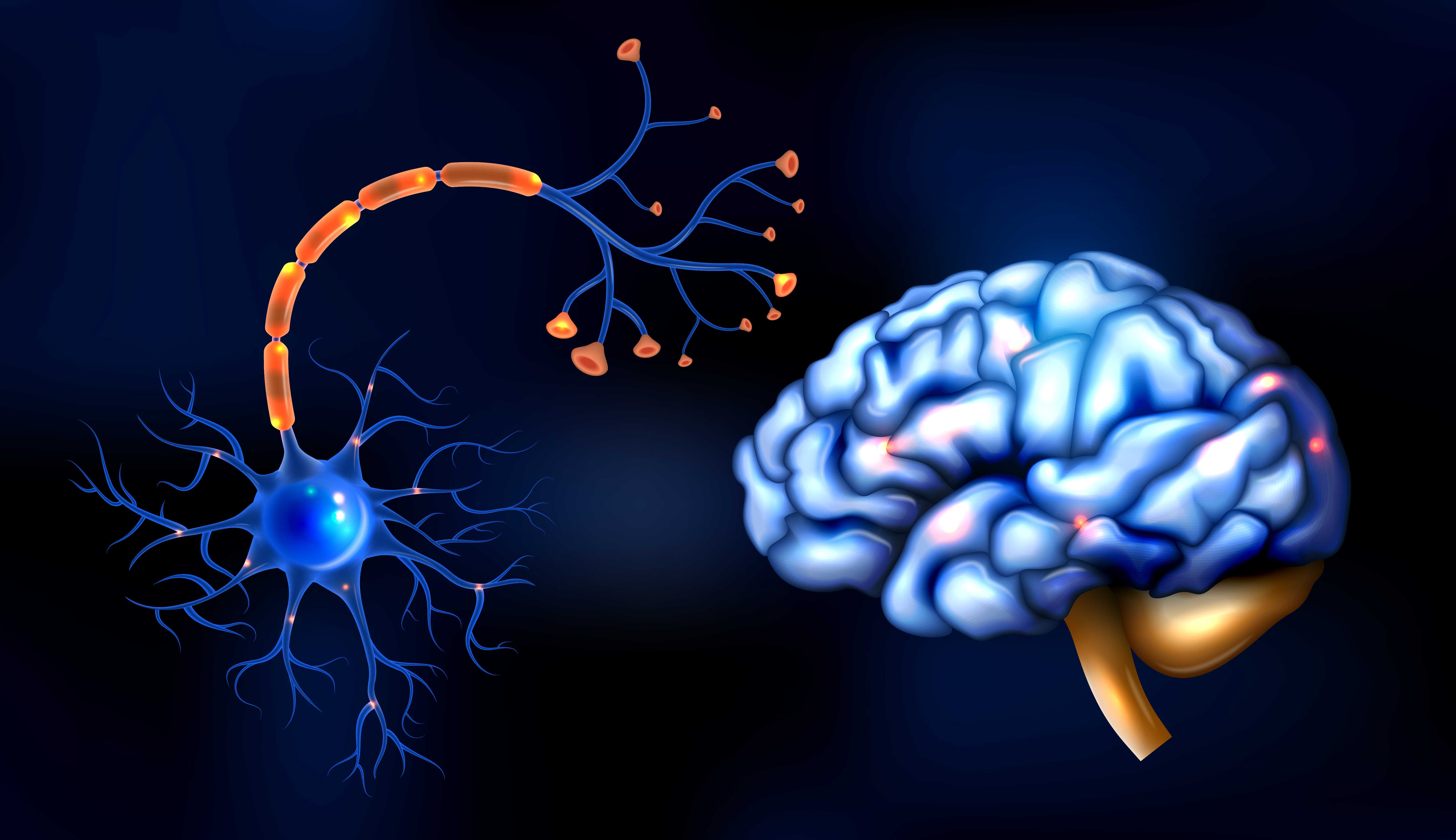
Learn the warning signs of brain hemorrhage, possible causes, emergency treatment options, and why immediate medical attention is critical.
19 May 2026
by Prakash Hospital

Focus, concentration or ADHD? Learn how they differ, the types of attention, what an ADHD diagnosis needs, other causes of poor focus and when to get tested.
21 Oct 2026
by Prakash Hospital

Brain-training apps rarely transfer to real life. Build focus with single-tasking, fewer interruptions, breath practice, exercise, sleep and a 4-week plan.
12 Oct 2026
by Prakash Hospital


Book a consultation with Prakash Hospital's specialists — 24/7 emergency care, 100+ doctors, NABH accredited.
View All Departments