



Living with thyroid problems: Tips for making life easier every day
Discover practical lifestyle tips to help manage thyroid problems and improve daily well-being with guidance from Prakash Hospital.
15 Aug 2025
by Prakash Hospital
by Prakash Hospital

A man looking confused and overwhelmed, representing early warning signs of cognitive issues and the importance of recognising when to be concerned about brain health, memory problems and mental clarity changes.
The question itself is the problem. If you're asking "why can't I concentrate?", you're probably already frustrated — you've tried to focus, it isn't working, and you don't know why. That frustration makes it worse. The brain under pressure to focus often produces exactly the opposite of focus.
But the question is worth answering seriously, because poor concentration usually has a specific cause. Once you know the cause, you can address it directly instead of battling willpower against a problem that willpower can't solve.
Here are the most common reasons concentration fails, and what each one requires.
Start here because it's the most common and most underappreciated. Sleep deprivation — even mild, chronic sleep deprivation from consistently getting 6 hours instead of 8 — measurably impairs every aspect of cognitive performance. Working memory, attention span, processing speed, decision-making. All of it.
What makes it tricky is that sleep-deprived people are generally poor judges of their own impairment. The brain adapts to feeling tired and normalises it. You stop noticing how much worse you're functioning.
Signs this is your problem:
What to do:
Prioritise sleep above almost everything else. Seven to nine hours in a consistent schedule. Screen-free for 45 minutes before bed. No caffeine after 2 pm. If sleep is poor despite good habits, that's worth investigating medically — sleep apnea is more common than people realise and almost always undiagnosed.
Not a discipline problem — a design problem. Social media, messaging apps, and notification systems are engineered by very smart people to capture and hold attention. Variable reward (you never know what the next notification or scroll will bring) is the same mechanism used in slot machines. It's genuinely hard to resist, and using willpower to fight it every day is a losing strategy.
What makes this particularly damaging for concentration is the recovery time. After an interruption — even a brief phone check — it takes 15–20 minutes to return to deep concentrated work. Most people check their phones multiple times an hour. At that rate, deep work never actually happens.
Signs this is your problem:
What to do:
The phone needs to be physically in another room when you need to concentrate. Not muted, not face-down — another room. Use website and app blockers for work sessions. Turn off all notifications except calls from important contacts. This is not a small thing to do but it produces an immediate and substantial difference.
Stress and anxiety are cognitive attention problems as much as emotional ones. When the stress response is activated, the brain's attention narrows onto the source of threat — real or perceived. Worry floods working memory. The mental bandwidth available for the task at hand shrinks.
Under chronic stress, cortisol — the main stress hormone — physically damages the hippocampus and impairs prefrontal cortex function over time. This is not metaphorical. It's structural damage that affects memory and concentration.
Signs this is your problem:
What to do:
Manage the stress, not just the symptoms. Identify what's driving it. Meditation and breathwork have the best evidence for immediate cortisol reduction. Exercise is powerful. Adequate sleep is necessary. If anxiety is severe and persistent, a doctor should be involved — anxiety disorders are medical conditions that respond to treatment, and untreated anxiety makes concentration genuinely near-impossible.
Several specific deficiencies directly impair concentration, and several are common in India:
Iron deficiency reduces oxygen delivery to the brain. Concentration and cognitive speed both suffer. Extremely common in premenopausal women, adolescents, and people with low meat intake.
Vitamin B12 deficiency affects nerve function and is widespread in vegetarians, older adults, and anyone on metformin. Causes cognitive slowing, brain fog, and memory issues. Straightforwardly tested and treated.
Vitamin D deficiency is near-universal among urban Indians despite abundant sunlight — air conditioning, indoor work, and covered clothing all reduce synthesis. Associated with poor mood, fatigue, and impaired cognition.
Iron and omega-3 work together to support brain structure and signalling.
Signs this is your problem:
What to do:
Get a blood test. Specifically: hemoglobin, serum iron/ferritin, B12, vitamin D, and TSH (thyroid). These are inexpensive and the results tell you specifically what to address. Deficiencies are treated with diet changes and supplements, and cognitive improvement often follows within weeks to months.
Both hypothyroidism (underactive thyroid) and, less commonly, hyperthyroidism can cause concentration difficulties. Hypothyroidism is particularly associated with cognitive slowing, brain fog, and memory problems. It's very common in India, often undetected, and highly treatable.
Signs this might be your problem:
What to do:
A TSH blood test is the standard first step. Hypothyroidism is treated with daily thyroid hormone medication, and cognitive function typically improves significantly within months of starting treatment.
Depression is not just sadness. One of its most disabling features is cognitive — slowed thinking, impaired concentration, difficulty making decisions, and a flattening of mental engagement. People with depression often describe feeling like they're thinking through fog.
Depression also disrupts sleep (which further impairs concentration) and reduces motivation to use strategies that would help.
Signs this might be your problem:
What to do:
Speak to a doctor. Depression responds well to treatment — therapy, medication, or both — and the cognitive symptoms typically improve as the depression lifts. This isn't something to try to push through with concentration strategies alone.
Mild dehydration (1–2% of body weight, often before thirst is felt) measurably slows information processing, impairs working memory, and reduces sustained attention. In India's climate, this is genuinely common, especially in summer or for people who work in air conditioning without drinking regularly.
Signs this might be your problem:
What to do:
Drink water consistently through the day rather than in large amounts at once. Two and a half to three litres in typical Indian conditions. Keep water visible on the desk. Set a reminder if needed.
Adult ADHD is more common and more underdiagnosed than most people realise — particularly in India, where awareness is low, and particularly in women and people whose ADHD presented as inattentiveness rather than hyperactivity as children.
ADHD is not a lack of intelligence or willpower. It's a neurological condition involving dopamine regulation and prefrontal cortex function. People with ADHD can hyperfocus on intensely interesting things while struggling profoundly to maintain attention on routine tasks.
Signs this might be your problem:
What to do:
Speak to a psychiatrist or neurologist. ADHD in adults is diagnosed through evaluation and treated with a combination of behavioural strategies and, often, medication. It's one of the most highly treatable conditions in psychiatry.
This one sounds obvious but gets overlooked. Sustained concentration is much harder on tasks that are genuinely uninteresting. This is not a character flaw — the brain's attention system evolved to flag novel, relevant, and rewarding things. Routine, low-interest tasks fight against basic brain architecture.
Signs this might be your problem:
What to do:
Find angles that make the task more interesting — connect it to something meaningful, challenge yourself to finish faster or more accurately than before, pair it with mild stimulation (background music), or break it into short timed challenges. When possible, organise work so that high-interest tasks support momentum into lower-interest ones.
Most people have natural peaks of cognitive performance — typically mid-morning for many people, late afternoon for some. Scheduling demanding cognitive work during biological low points (early morning before waking fully, early afternoon post-lunch, late evening) produces worse concentration than scheduling the same work at peak times.
What to do:
Pay attention to when focus feels easiest over a week. Schedule your most demanding cognitive work for those times. Use lower-energy periods for routine tasks.
See a doctor if:
A basic blood panel (hemoglobin, B12, vitamin D, TSH, fasting glucose) and a clinical evaluation covers the most common medical causes efficiently.
At Prakash Hospital Noida, our physicians evaluate concentration and cognitive complaints systematically — starting with blood tests for common deficiencies and conditions, through to specialist referral for thyroid, mental health, or neurological concerns. Most causes of poor concentration are identifiable and treatable.
Whether you're in Sector 18, Sector 62, Greater Noida West, or anywhere nearby, Prakash Hospital Noida is a trusted name for general health, cognitive wellness, and specialist care in Noida.
To book a consultation, call the number.
Tags: #WhyCantIConcentrate #PoorConcentration #PrakashHospitalNoida

Realigns broken bones and holds them with plates, screws, rods or frames so they heal in the right position.
A camera test of the large bowel that investigates bleeding or bowel changes and removes polyps early.
Examines the vocal cords under a microscope to remove growths or take a biopsy, working through the mouth.
Free tools to check your weight, plan a pregnancy, track calories and more.
We offer expert care across key specialties, including Medicine, Cardiology, Orthopaedics, ENT, Gynaecology, and more—delivering trusted treatment under one roof.
Discover practical lifestyle tips to help manage thyroid problems and improve daily well-being with guidance from Prakash Hospital.
15 Aug 2025
by Prakash Hospital

Learn about septic arthritis, including its symptoms, causes, and treatment options with advice from Prakash Hospital, Noida.
13 Oct 2025
by Prakash Hospital

Exercises for lower back pain that actually work — safe, home-friendly movements for pain relief and prevention. Prakash Hospital Noida.
24 Aug 2026
by Prakash Hospital
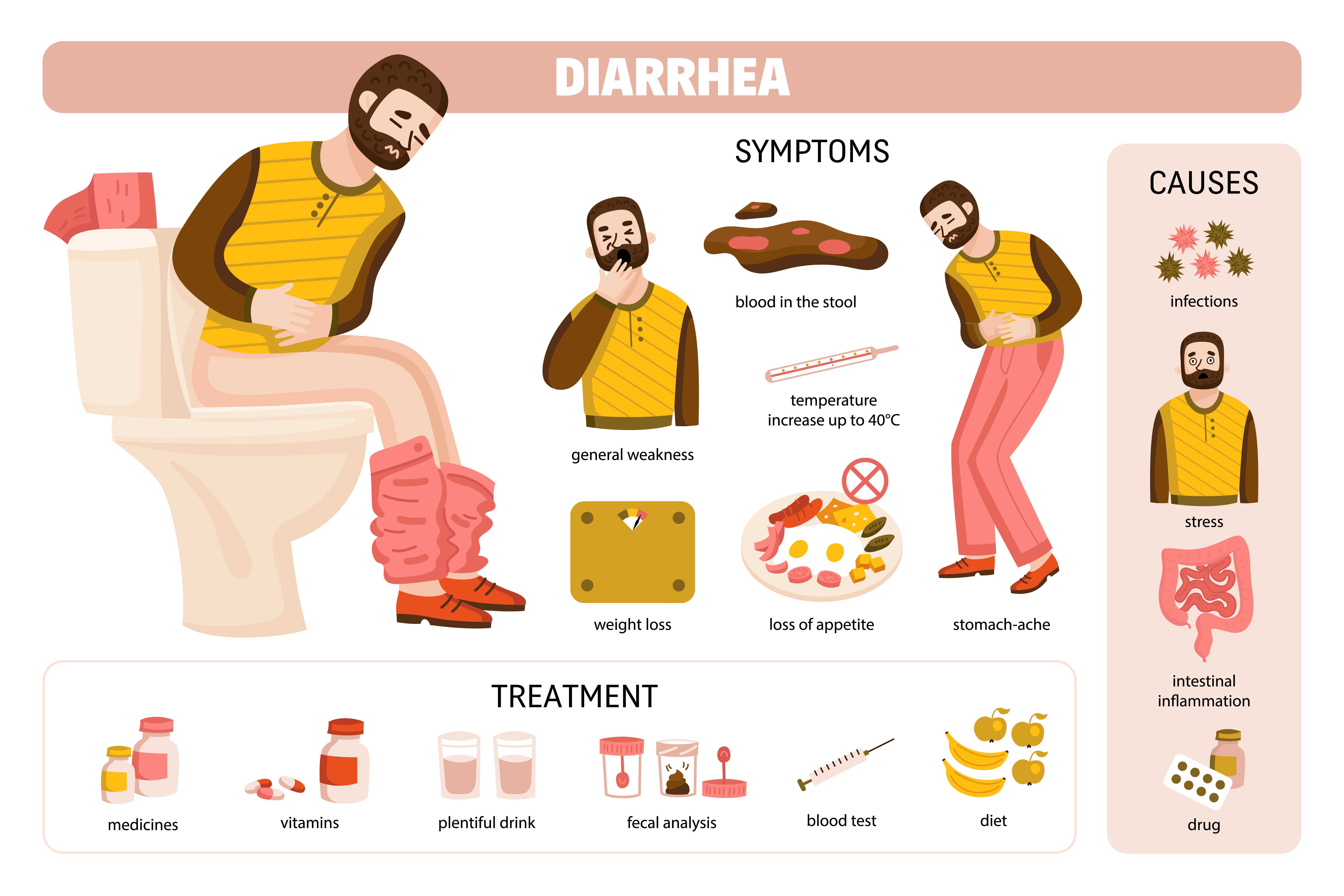
How to relieve constipation with Indian diet, home remedies, and when to see a doctor. Practical guide from Prakash Hospital Noida.
15 Sept 2026
by Prakash Hospital

Learn about intestinal pain, its causes, warning signs, associated symptoms, and when to seek medical attention.
13 Feb 2026
by Prakash Hospital

एसिडिटी और गैस क्यों होती है, इसके लक्षण क्या हैं और इससे राहत पाने के घरेलू व मेडिकल उपाय हिंदी में जानें।
21 Jan 2026
by Prakash Hospital


Book a consultation with Prakash Hospital's specialists — 24/7 emergency care, 100+ doctors, NABH accredited.
View All Departments