


Hair Fall in Men: Why It Happens and What Can Be Done
Hair fall in men — male pattern baldness, causes, and what treatments actually work. Guide from Prakash Hospital Noida, Noida.
7 Sept 2026
by Prakash Hospital
by Prakash Hospital
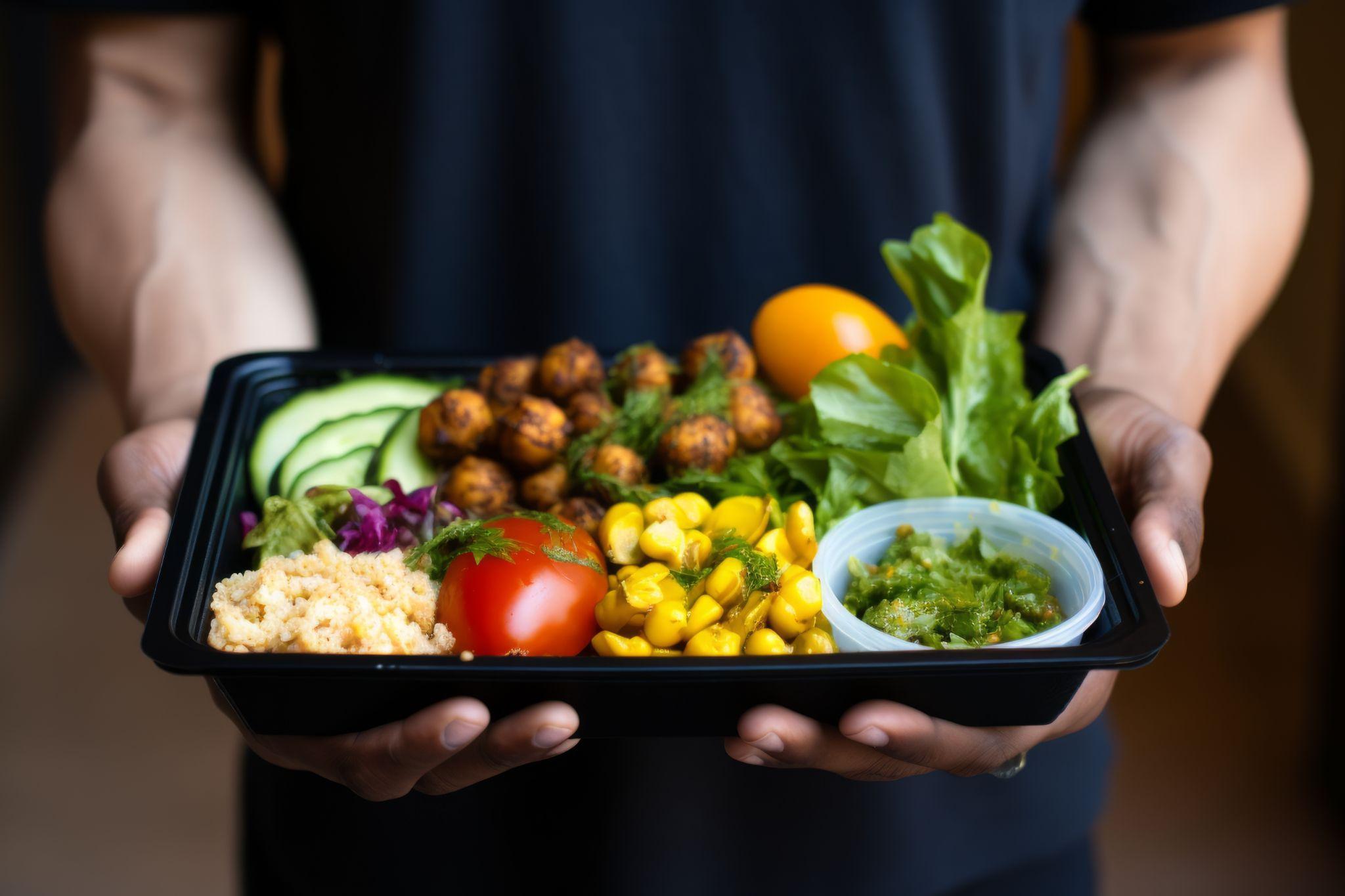
A meal on a platter with leafy green vegetables, corn, nuts, tomatoes, egg, and some avocados.
The hair growth supplement market in India is enormous — and largely unnecessary for anyone who is already eating well. The nutrients that most directly support hair follicle function are all present in common Indian foods. The challenge isn't finding exotic superfoods; it's consistently including the right foods in the right proportions.
Here is what the evidence shows works, and how to build it into an Indian diet practically.
Eggs are the most complete hair nutrition package available in a single food. They provide:
One to two eggs daily covers many of the micronutrient requirements for hair health simultaneously. The yolk must be included — it contains most of the micronutrients.
Methi is arguably the most hair-supportive food specifically grown and consumed in India. Available as seeds and fresh leaves (saag).
Fenugreek seeds: high in protein, nicotinic acid (a B vitamin with vasodilatory effect on scalp vessels), lecithin (a natural emollient that strengthens hair), and iron.
Fenugreek leaves (methi saag): rich in iron, vitamin C (enhances iron absorption), folic acid, and vitamin K.
How to use for hair:
Amla is the richest natural source of vitamin C in the Indian diet — more than oranges, more than guava. Vitamin C's role in hair growth has two aspects:
Additionally, amla contains tannins and other polyphenols that are antioxidants protecting follicle cells from oxidative damage.
How to eat it: fresh amla (December–March season), amla powder (year-round) in warm water, amla candy in moderation, amla pickle.
Ragi stands out among grains for hair health:
How to include: ragi roti substituted for wheat 2–3 times weekly; ragi porridge for breakfast; ragi ladoo.
Dark leafy greens provide the combination of iron, folate, vitamin A (as beta-carotene), and vitamin C that hair follicles specifically need.
Palak (spinach): iron (though absorption is partially blocked by oxalic acid — pair with lemon/amla for better absorption), folate, vitamin A, vitamin C.
Drumstick leaves (moringa/sahjan): exceptional for hair — very high calcium (440 mg per 100g), iron, vitamin C, and protein. Rapidly gaining recognition as a nutritional powerhouse. Moringa saag, drumstick in dal.
Methi saag: as above — iron, folate, vitamin C, and protein.
Aim: at least one generous serving of dark leafy greens daily.
Fatty fish provide the two nutrients that are hardest to obtain in adequate quantities from plant-based Indian diets:
Omega-3 fatty acids (EPA and DHA): directly anti-inflammatory for the scalp; improve hair shaft flexibility and elasticity; associated with reduced hair shedding in clinical research.
Vitamin D: the most concentrated dietary source available. Egg yolk also provides vitamin D, but fatty fish provides more per serving.
Two to three servings of fatty fish per week is the recommendation that covers both omega-3 and vitamin D contribution meaningfully.
For vegetarians: ground flaxseed and walnuts provide ALA (the plant precursor to EPA and DHA — partially converted). Combined with vitamin D supplementation, this covers the omega-3 and vitamin D needs.
Dal is the backbone of Indian protein and among the most important foods for hair growth. Every variety contributes:
Key: eat dal at both meals, not just dinner. Many people eat dal once daily — this limits the sustained protein and iron exposure that follicle cells need.
Rajma and chana are particularly iron-dense. Moong dal is easily digestible and bioavailable.
Walnuts: the best nut for hair — omega-3 ALA, vitamin E, zinc, biotin. A small handful (4–5 walnuts) daily.
Almonds: vitamin E (antioxidant protecting follicle cells), magnesium, protein. 6–8 soaked almonds daily.
Pumpkin seeds: the highest plant-based zinc source per practical serving. A tablespoon daily sprinkled on curd or in a snack mix.
Sesame seeds (til): iron, calcium, zinc. Added to curd, as til chutney, or in til ke ladoo.
Flaxseeds (ground): omega-3 ALA. Must be ground for absorption — whole seeds pass through undigested. One tablespoon ground flaxseed in curd, porridge, or dal daily.
Plain curd (dahi): protein (casein and whey), probiotics (gut health influences overall nutrient absorption), calcium (scalp tissue health), and some B vitamins.
Probiotic bacteria in curd improve gut health, which in turn improves the absorption of nutrients from food — including the iron, zinc, and other minerals that follicles need. This indirect pathway is genuinely meaningful.
Paneer: very high protein, calcium, and some zinc. A practical protein source particularly at lunch.
Vitamin A regulates the hair growth cycle. Both sweet potato and pumpkin are rich in beta-carotene (converted to vitamin A by the body as needed — no toxicity risk). They're also easily available, affordable, and culturally familiar in Indian cooking.
Sweet potato in sabzi or boiled as a snack; pumpkin (kaddu) sabzi 2–3 times weekly.
EGCG in green tea inhibits 5-alpha reductase (the enzyme that converts testosterone to the hair-damaging DHT) and is a powerful scalp antioxidant. Two to three cups of plain green tea daily is a low-effort addition with meaningful scalp health benefits.
Morning:
Breakfast:
Lunch:
Snack:
Dinner:
This dietary pattern consistently provides iron, protein, zinc, omega-3, vitamin D, biotin, folate, and vitamin C — everything hair follicles need to stay in the growth phase and produce thick, strong hair.
At Prakash Hospital Noida, our physicians and dietitians provide personalised nutritional assessment and dietary planning for hair health — including testing for iron, vitamin D, B12, and thyroid function that directly affect hair growth.
Whether you live in Sector 18, Sector 62, Greater Noida West, or anywhere in the NCR, Prakash Hospital Noida is a trusted name for hair health, nutrition counselling, and general wellness in Noida.
Tags: #FoodsForHairGrowth #IndianDietForHair #PrakashHospitalNoida

Laser light damages hair roots to reduce unwanted hair over 6 to 8 sessions, with settings matched to your skin.
Creams, light therapy, tablets and grafting to stop white patches spreading and restore skin colour.
A controlled acid solution lifts damaged surface skin to fade pigmentation, tanning and acne marks.
Free tools to check your weight, plan a pregnancy, track calories and more.
We offer expert care across key specialties, including Medicine, Cardiology, Orthopaedics, ENT, Gynaecology, and more—delivering trusted treatment under one roof.
Hair fall in men — male pattern baldness, causes, and what treatments actually work. Guide from Prakash Hospital Noida, Noida.
7 Sept 2026
by Prakash Hospital

Does dandruff cause hair fall? The link between scalp inflammation and hair loss — and how to treat both. Prakash Hospital Noida.
7 Sept 2026
by Prakash Hospital

Which vitamin deficiencies cause hair fall — iron, vitamin D, B12, and zinc. How to test and fix them. Prakash Hospital Noida.
4 Sept 2026
by Prakash Hospital

Read your urine routine and microscopy report: colour, pH, protein, glucose, pus cells, RBCs and casts, with normal values and what abnormal results suggest.
9 Oct 2026
by Prakash Hospital

Prostate problems — symptoms of BPH, prostatitis and prostate cancer, the tests used to diagnose them, and when to see a doctor. Prakash Hospital Noida.
5 Oct 2026
by Prakash Hospital

जानिए किडनी फंक्शन टेस्ट (KFT) क्या होता है, यह किन-किन पैरामीटर्स को मापता है और किडनी की सेहत के बारे में क्या जानकारी देता है।
11 May 2026
by Prakash Hospital

Natural ways to stop hair fall at home — diet, scalp care, Ayurvedic remedies with evidence, and what to avoid. Prakash Hospital Noida.
2 Sept 2026
by Prakash Hospital

Noticing unusual hair fall after your pregnancy? Prakash Hospital's experts in Noida explain the real causes, timeline, and treatments for postpartum hair loss.
31 Mar 2026
by Prakash Hospital
Learn The 10 Best Things to Do for Your Hair to Prevent Hair Loss with expert guidance from doctors at Prakash Hospital, Noida.
15 Oct 2025
by Prakash Hospital


Book a consultation with Prakash Hospital's specialists — 24/7 emergency care, 100+ doctors, NABH accredited.
View All Departments