


Gut Health and Digestive Balance
Detailed guide on gut health, gut microbiome imbalance, symptoms of poor gut health and scientifically proven ways to improve digestive health.
19 Feb 2026
by Prakash Hospital
by Prakash Hospital

Man holding stomach due to acidity and gas pain.
Acidity is one of the most common health complaints in India. Ask around any workplace or family gathering and at least a few people will mention that they have "the acidity problem." Many of them have been living with it for years — managing it with antacids they buy at the chemist, assuming it's a permanent feature of their constitution.
It usually isn't. Chronic acidity almost always has identifiable, modifiable causes. And it's worth taking seriously — not just for comfort, but because long-term uncontrolled acid reflux can damage the oesophagus, increase cancer risk in extreme cases, and significantly impair quality of life.
"Acidity" is the common Indian term for what medicine calls acid reflux, GERD (gastroesophageal reflux disease), or hyperacidity. The stomach naturally produces hydrochloric acid to digest food. This is normal. The problem occurs when acid travels backward (refluxes) from the stomach into the oesophagus — a tube not equipped to handle acid — causing a burning sensation.
The mechanism: at the junction of the oesophagus and stomach sits a ring of muscle called the lower oesophageal sphincter (LOS). Normally the LOS stays closed, preventing acid reflux. When it relaxes inappropriately or is weakened, acid escapes upward.
Heartburn: the classic burning sensation in the chest or upper abdomen. Often worse after meals, when lying down, or bending forward. It rises from the stomach toward the throat.
Regurgitation: the actual movement of acid or food back into the throat or mouth. A sour or bitter taste, particularly when lying down or bending.
Burping and bloating: often accompany reflux.
Nausea: particularly in the morning or after large meals.
Sour or bitter taste in the mouth: particularly on waking.
Difficulty swallowing (dysphagia): in chronic GERD, scarring can narrow the oesophagus, making swallowing difficult. This requires prompt medical evaluation.
Hoarse voice, chronic cough, or throat clearing: acid reaching the throat and larynx (laryngopharyngeal reflux) causes throat irritation, chronic cough, and hoarseness — symptoms that don't feel like typical "acidity" and are often misattributed to allergies or sinus.
Dental erosion: chronic acid exposure erodes tooth enamel on the inner surfaces of the teeth.
This bears repeating because the mistake is common and can be fatal.
Both conditions produce chest discomfort. Both can involve upper abdominal discomfort, nausea, and a burning sensation.
Features suggesting cardiac cause (not acidity):
Features more typical of acidity:
When in doubt, particularly if the discomfort is new, strong, or accompanied by any of the cardiac warning signs above — go to an emergency room. Don't self-diagnose a cardiac event as acidity.
Spicy food: chilli irritates the oesophageal lining and may relax the LOS. Very commonly implicated in India.
Fried and fatty foods: fatty food delays gastric emptying — food stays in the stomach longer, producing more acid for longer. Fried food also relaxes the LOS.
Tomatoes and tomato-based dishes: high in citric acid and ascorbic acid; can trigger reflux in susceptible people.
Citrus fruits and juices: acidic pH irritates an already inflamed oesophagus.
Chocolate: relaxes the LOS through methylxanthine content.
Mint and peppermint: counterintuitively, peppermint relaxes the LOS and worsens reflux despite its cooling sensation.
Onion and garlic (raw): can trigger reflux in some people.
Tea and coffee: caffeine relaxes the LOS. Multiple cups of chai daily is a common contributor to chronic acidity in India.
Carbonated drinks: the bubbles increase stomach pressure, promoting reflux.
Alcohol: relaxes the LOS, increases acid production, and directly irritates the oesophageal lining.
Large meals: overfilling the stomach increases pressure and promotes reflux. Eating smaller amounts more frequently reduces this pressure.
Eating quickly: swallowing air with food increases bloating and reflux risk.
Eating immediately before lying down: gravity normally helps keep stomach contents down. Lying down within two hours of a large meal removes this gravitational advantage.
Late-night eating: dinner at 10 or 11 pm, followed by sleeping by midnight, is very common in Indian urban households and very damaging to acid reflux.
Eating under stress: stress increases acid production and impairs digestion.
Overweight and obesity: excess abdominal weight increases pressure on the stomach (intra-abdominal pressure), forcing the LOS open. Even modest weight loss — 5–8 kg — can significantly reduce reflux episodes.
Pregnancy: growing uterus increases intra-abdominal pressure; pregnancy hormones relax the LOS. Reflux is nearly universal in the third trimester.
NSAIDs (ibuprofen, aspirin, diclofenac): damage the stomach lining and increase acid production. Extremely common in India — many people self-prescribe these for headache, back pain, or joint pain without knowing the gastric consequences.
Steroids: reduce the protective mucus layer of the stomach.
Some antihypertensives (calcium channel blockers): relax the LOS.
Iron and potassium supplements: can cause gastric irritation.
Bisphosphonates (for osteoporosis): should be taken strictly per instructions — sitting upright, with a full glass of water, not lying down for 30 minutes — to prevent oesophageal damage.
Hiatus hernia: part of the stomach protrudes above the diaphragm into the chest cavity, impairing the LOS mechanism. Common and often asymptomatic but a major contributor to GERD.
Weak lower oesophageal sphincter: can be constitutional (some people are simply born with a less effective LOS) or worsen with age.
Helicobacter pylori infection: H. pylori is a bacterium that infects the stomach lining — extremely common in India. It causes gastritis (stomach lining inflammation) and peptic ulcers. It alters stomach acid regulation and can cause both increased and decreased acid production depending on where in the stomach the infection is. H. pylori infection is treatable with a course of antibiotics.
Smoking: significantly increases acidity by relaxing the LOS, reducing saliva (which neutralises acid), and directly irritating the stomach lining.
Stress: increases cortisol, which promotes acid production. Stress also impairs gut motility, slows digestion, and heightens the perception of discomfort.
Tight clothing: belts or waistbands that compress the abdomen increase intra-abdominal pressure and reflux.
Antacids (Gelusil, Digene, Eno): neutralise stomach acid rapidly. Appropriate for occasional use — not for daily chronic use over months without investigation.
H2 blockers (ranitidine, famotidine): reduce acid production; work over hours rather than minutes. Useful for predictable situations (a large meal, before travel).
Cold milk: the alkaline nature of milk temporarily neutralises acid. The relief is real but short-lived. Not ideal for people with lactose intolerance.
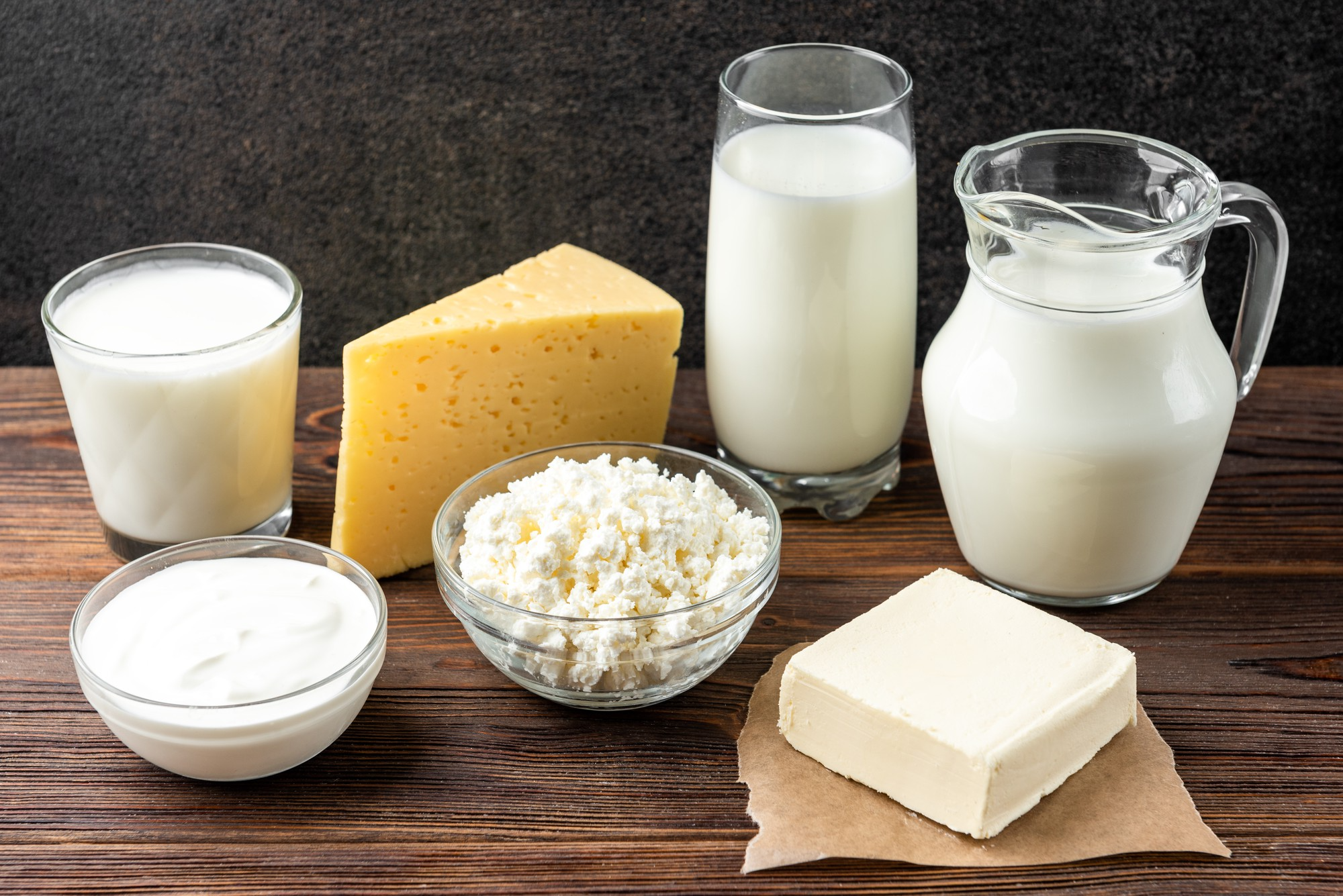
Sources of calcium including milk, cheese, yogurt, dairy products and fortified foods.
Banana: alkaline, easy to digest, coats the oesophagus. A practical immediate remedy.
Coconut water: alkaline and hydrating; genuinely helpful for mild acidity.
Jeera (cumin) water: warm water with half a teaspoon of roasted and powdered jeera; helps with bloating and mild acidity.
Eat smaller, more frequent meals: three moderate meals and one or two small snacks rather than two or three large meals.
Don't eat within two hours of sleeping: make this a non-negotiable rule if acidity is chronic.
Elevate the head of your bed: raising the head end by 15–20 cm (a foam wedge or books under the bed legs, not just pillows — pillows don't elevate enough) uses gravity to reduce nocturnal reflux. More effective than people expect.
Identify and reduce your personal trigger foods: keep a two-week food diary alongside symptom recording. Your triggers may not be universal — some people have no problem with tomatoes but are severely affected by fried food.
Lose weight if overweight: the intra-abdominal pressure mechanism is real. Even 5 kg makes a measurable difference.
Quit smoking: one of the most effective interventions for chronic GERD.
Wear loose clothing: particularly at the waist.
Reduce NSAIDs: find alternatives for pain management — paracetamol is much gentler on the stomach than ibuprofen or diclofenac.
Manage stress: chronic stress is a chronic acidity driver. Yoga and slow breathing reduce both.
PPIs are the most effective medications for acid reflux — they suppress acid production significantly. They're appropriate and safe for defined periods (typically 4–8 weeks) for treating active GERD, oesophagitis, H. pylori (as part of triple therapy), and peptic ulcers.
The problem is long-term chronic use: many people in India take PPIs daily for years without medical review. Long-term PPI use reduces magnesium and B12 absorption, increases risk of kidney disease with prolonged use, and reduces the gut's acid barrier against infections. They should be used at the lowest effective dose for the shortest necessary period — and chronic use should be under doctor supervision.
See a doctor if:
An upper GI endoscopy (gastroscopy) is the definitive investigation for chronic or complicated GERD — it visualises the oesophagus, stomach, and upper small intestine directly and can detect oesophagitis, H. pylori, Barrett's oesophagus, and other conditions.
At Prakash Hospital Noida, our physicians and gastroenterologists evaluate chronic acidity — including H. pylori testing, upper GI endoscopy where indicated, and comprehensive management of GERD and related conditions. Dietary and lifestyle counselling for acid reflux is available.
Whether you live in Sector 18, Sector 62, Greater Noida West, or anywhere in the NCR, Prakash Hospital Noida is a trusted name for gastroenterology, acidity treatment, and digestive health in Noida.

This article covers gastroenterology concerns. These Prakash Hospital doctors in Noida treat them.

Dr. Syed Uzair Yawar
Consultant Gastroenterologist
Gastroenterologist · Hepatologist · Therapeutic Endoscopist

Dr. Rohit Singh
Consultant GI/HPB surgery
GI/HPB Surgery · Liver Transplant · Gastrointestinal Surgery
A thin needle sample of liver tissue to diagnose liver disease and measure scarring when other tests can't.
A camera test of the food pipe, stomach and duodenum for acidity, ulcers, bleeding and swallowing problems.
Endoscopic treatment through the mouth that removes bile duct stones and opens blockages causing jaundice.
Free tools to check your weight, plan a pregnancy, track calories and more.
We offer expert care across key specialties, including Medicine, Cardiology, Orthopaedics, ENT, Gynaecology, and more—delivering trusted treatment under one roof.
Detailed guide on gut health, gut microbiome imbalance, symptoms of poor gut health and scientifically proven ways to improve digestive health.
19 Feb 2026
by Prakash Hospital

लिवर सिरोसिस के लक्षण, कारण, स्टेज और इलाज जानें। पीलिया, पेट में सूजन और थकान को नजरअंदाज न करें। Prakash Hospital में पाएं एडवांस लिवर केयर और गैस्ट्रोएंटरोलॉजी उपचार।
12 Jun 2026
by Prakash Hospital

Discover early signs your liver may not be functioning properly, including fatigue, jaundice and digestive issues, expert liver care in Noida.
24 Mar 2026
by Prakash Hospital

Learn whether lipoma can be treated naturally, its causes, symptoms, and available medical and home management options for safe care.
20 Apr 2026
by Prakash Hospital

White patches on face — understand what causes them, when they are concerning, and treatment options. Visit Prakash Hospital Noida for dermatology consultation.
26 May 2026
by Prakash Hospital

How to remove dandruff — understand causes, get rid of flakes permanently, and prevent it from returning. Visit Prakash Hospital Noida for dermatology consultation.
4 Jun 2026
by Prakash Hospital

Liver cirrhosis — understand symptoms, causes, stages, and treatment options. Visit Prakash Hospital Noida for liver health care and consultation.
2 Jun 2026
by Prakash Hospital

Stomach infection symptoms — gastroenteritis, H. pylori, amoeba and more. What to do at home and when to see a doctor. Prakash Hospital Noida.
21 Aug 2026
by Prakash Hospital
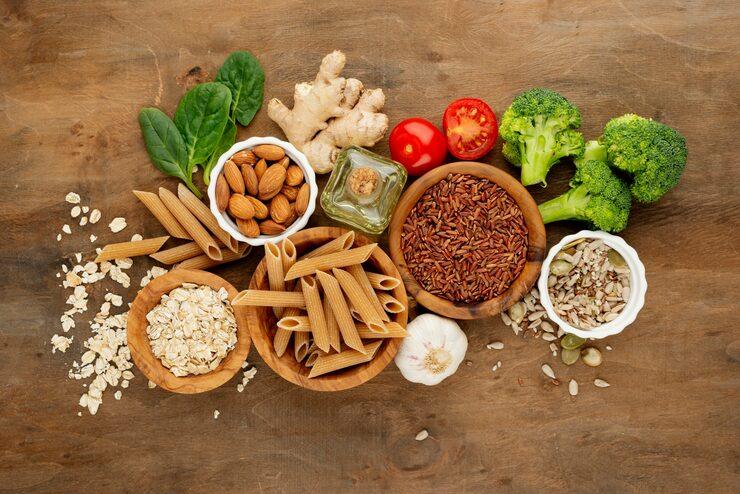
Learn the importance of dietary fiber for digestion, heart health, and immunity with expert-backed insights from Prakash Hospital, Noida.
15 Sept 2025
by Prakash Hospital


Book a consultation with Prakash Hospital's specialists — 24/7 emergency care, 100+ doctors, NABH accredited.
View All Departments