


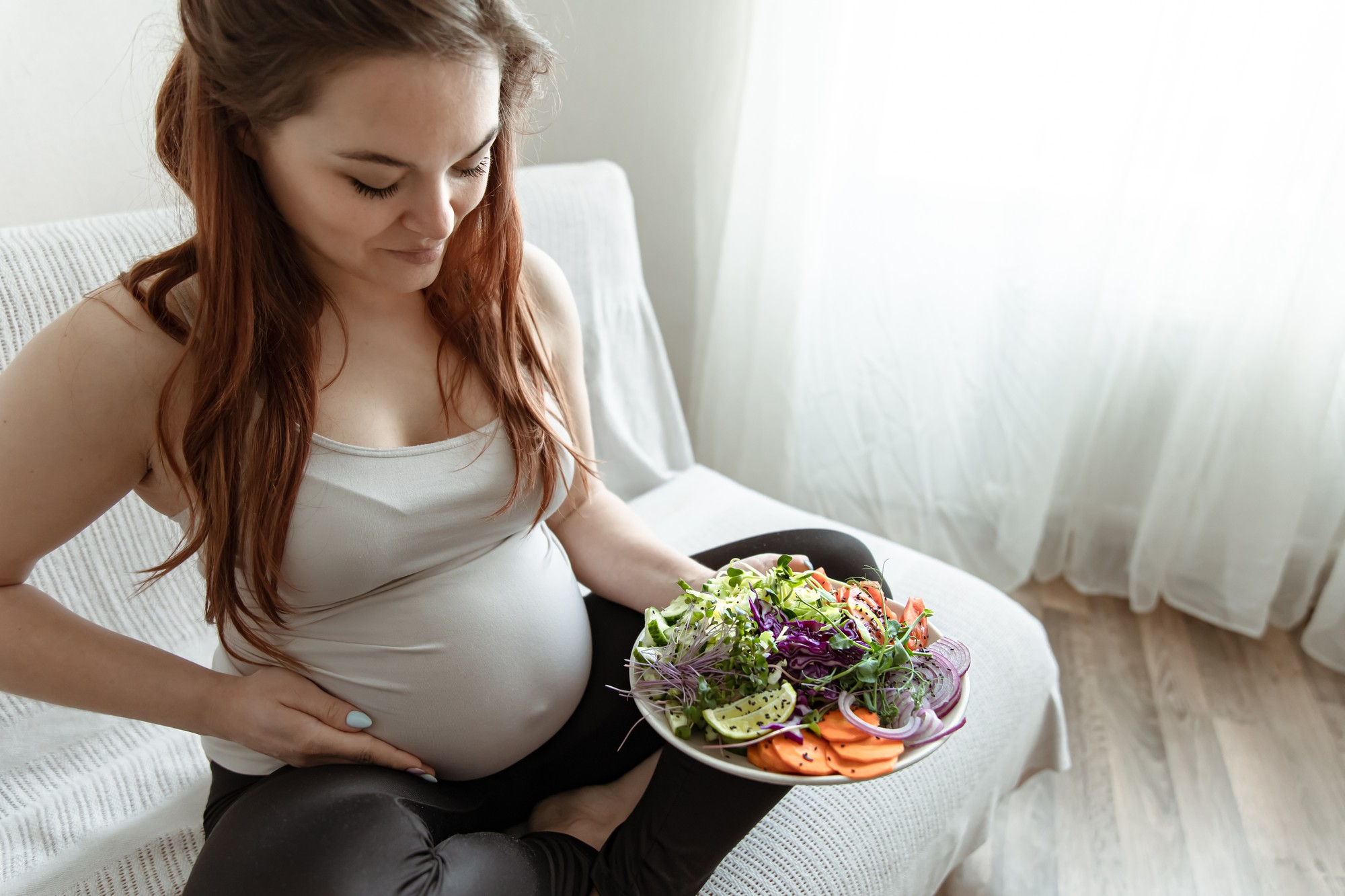
Nutrition During Pregnancy: Best Foods to Eat & Avoid for a Healthy Baby
Learn what to eat and avoid during pregnancy with expert-approved nutrition tips for a healthy mother and baby.
25 Nov 2025
by Prakash Hospital
by By Prakash Hospital

A tape measure is all the US Navy method needs to estimate body fat at home.
To calculate your body fat percentage at home, measure your height, neck and waist (and hips, if you're a woman) with a tape, then put them into the US Navy formula. That gives an estimate, usually within a few percentage points of a lab result. For a more accurate number you need a DEXA scan. For an estimate you can track over time with little effort, a smart scale or skinfold calipers will do.
That's the short answer. The rest of this guide explains each method, shows the arithmetic with real numbers, and tells you how far to trust the result. It also covers what your percentage means for an Indian body, because the usual charts weren't built with us in mind.
Body fat percentage is the share of your total weight that is fat. If you weigh 70 kg and carry 14 kg of fat, your body fat is 20 percent. The other 56 kg is lean mass: muscle, bone, organs, skin and the water inside them.
Some of that fat is necessary. It protects organs, stores energy and helps regulate hormones. Women need more of it than men, partly because of reproduction. The trouble starts when there's a lot of it, and especially when it sits deep in the abdomen around the liver and intestines. Doctors call that visceral fat, and it is the type linked to diabetes, fatty liver and heart disease.
This is why weight alone is a poor guide. Two people can both weigh 72 kg. One has 15 percent body fat and plays football on weekends. The other has 32 percent, sits at a desk for ten hours, and looks "normal" in clothes. Their scales say the same thing. Their health risks don't.
A large review of the research on Asian Indians (Misra and Shrivastava, published in the journal Nutrients in 2013) found that at the same BMI, South Asians carry more body fat than white Caucasians. In the Singapore data it cites, Indians, Chinese and Malays had a BMI about 3 points lower than white participants at the same body fat percentage. The authors also note that the risk of diabetes and heart disease in South Asians begins at lower BMI and smaller waist sizes.
In practical terms, an Indian man with a BMI of 22 can have a body fat percentage that would be considered high elsewhere. This is the "thin-fat" pattern doctors in India keep describing. If you've been told your weight is "fine" and you still have a belly, a body fat measurement tells you something the scale can't.
One honest caveat: the research does not give a single, widely accepted set of body fat percentage cut-offs for Indians. What we do have are BMI and waist cut-offs (more on those below). So the ranges in this guide are the commonly used international ones, and you should read your result a little more cautiously if you're South Asian.
This is the best home method, because it needs nothing except a flexible tape. It was developed by US Navy researchers (Hodgdon and Beckett, 1984) to screen personnel without equipment.
Measure in the morning before eating, three times each, and use the average.
Men: Body fat % = 495 ÷ (1.0324 − 0.19077 × log10(waist − neck) + 0.15456 × log10(height)) − 450
Women: Body fat % = 495 ÷ (1.29579 − 0.35004 × log10(waist + hip − neck) + 0.22100 × log10(height)) − 450
"log10" is the base 10 logarithm, the "log" button on any phone calculator.
Rahul is 172 cm tall. His neck is 38 cm and his waist is 94 cm.
Neha is 160 cm tall. Her neck is 31 cm, waist 82 cm and hips 98 cm.
In validation studies it usually lands within about 3 to 4 percentage points of a laboratory measurement, and the error tends to be a little bigger in women. That's good enough to tell 15 percent from 30 percent. It's not good enough to tell 22 from 24. It also struggles in very muscular people (a thick neck and waist from muscle gets read as fat) and in people who carry fat mainly in the hips and thighs rather than the belly.
If you want the full step-by-step on the technique, including the common measuring mistakes, see our separate guide on the US Navy method.
You can estimate body fat from BMI, age and sex using a formula called the Deurenberg equation:
Body fat % = (1.20 × BMI) + (0.23 × age) − (10.8 × sex) − 5.4
Here "sex" is 1 for men and 0 for women.
Example: a 30-year-old man, 78 kg, 172 cm. His BMI is 78 ÷ (1.72 × 1.72) = 26.4. (1.20 × 26.4) + (0.23 × 30) − 10.8 − 5.4 = 31.7 + 6.9 − 10.8 − 5.4 = 22.3 percent.
Notice that's different from what the Navy method gave for a similar man. The BMI method can't see where your fat sits or how much muscle you carry, so it's a rough guess. It also tends to underestimate body fat in Asian populations. Use it only when you have a scale and nothing else. We cover its weaknesses in a separate post.
Calipers pinch a fold of skin and fat at set body sites (commonly the triceps, abdomen, thigh and a few others) and measure its thickness in millimetres. The numbers go into a formula, such as Jackson-Pollock, to estimate total body fat.
It can be accurate in the hands of a trained person who measures the same sites the same way each time. In untrained hands it's unreliable, because where you pinch and how hard you squeeze changes the result by several millimetres. If you try it at home, the number itself is less useful than the trend: same person, same sites, same time of day, every two or three weeks.
These send a tiny, painless electrical current through your body. Lean tissue holds water and conducts the current well. Fat doesn't. From how much resistance the current meets, along with your height, weight, age and sex, the device estimates your body fat.
They're convenient, which is why they're everywhere. They're also sensitive to hydration. Drink a lot of water, exercise, eat a heavy meal or go to bed late, and the reading shifts. Home scales are commonly several percentage points off the true value. They're better at showing direction over weeks than telling you your exact percentage. Weigh at the same time of day, under the same conditions, and ignore single readings.
DEXA (dual-energy X-ray absorptiometry) uses two very low-dose X-ray beams to separate your body into fat, lean tissue and bone. It's the reference method most clinicians and researchers use. It also tells you how fat is distributed (arms, legs, trunk) and how much of it is visceral. It's the same machine used to measure bone density.
It's more precise than anything you can do at home, though it isn't perfect either. Hydration and recent food still nudge the result slightly, and different machines give slightly different numbers. For that reason, repeat scans should be done on the same machine. It's available at larger hospitals and imaging centres.
Hydrostatic (underwater) weighing and air displacement (Bod Pod) both work out your body density, then convert it to fat percentage. They're accurate but rarely available outside universities and sports science labs, so they're not practical for most people.
You can compare yourself with photographs of people at known body fat levels. It needs no equipment and it's rough: it can place you in a band (say, 15 to 20 percent versus 25 to 30 percent), not on a number. It's useful as a sanity check against whatever else you've measured.
| Method | Typical accuracy | Best for | |---|---|---| | Navy tape | Within about 3 to 4 points | First home estimate | | BMI formula | Often several points off | When you have no tape | | Skinfold calipers | Good with a trained user | Tracking change over time | | Smart scale (BIA) | Often several points off, varies daily | Spotting trends | | DEXA | Highest of the common options | A reliable baseline | | Underwater / Bod Pod | High | Sports labs | | Visual | Very rough | Gut check |
A sensible routine: use the Navy method now, repeat it every four weeks, and consider a DEXA scan once if you want a firm baseline or you're making a big change.
These are the categories most commonly used in fitness and clinical settings (based on the American Council on Exercise ranges):
| Category | Men | Women | |---|---|---| | Essential fat | 2 to 5% | 10 to 13% | | Athletes | 6 to 13% | 14 to 20% | | Fitness | 14 to 17% | 21 to 24% | | Average / acceptable | 18 to 24% | 25 to 31% | | Obesity | 25% and above | 32% and above |
Don't try to live in the "essential fat" range. It's the minimum needed to survive, not a goal.
Now apply the caution from earlier. For South Asians, health risk often rises at lower body fat levels than these tables imply. If you're an Indian man at 22 to 24 percent with a waist above 90 cm, treat that as a reason to act, even though the table says "average." The same goes for women at 30 to 31 percent with a waist above 80 cm. These waist cut-offs (above 90 cm in men and above 80 cm in women) are the ones proposed for Asian Indians in the Misra review mentioned above, and they predict metabolic risk well.
Don't panic over a two-point swing. Several things move your reading without changing your actual fat:
Pick one method and one routine, and compare it only with itself.
The first step is not a crash diet. People who lose weight too fast lose muscle along with fat, which can leave their body fat percentage unchanged or even higher. The more reliable approach is a modest calorie deficit, enough protein, strength training two or three times a week, and a lot of walking. Aim to lose roughly 0.5 kg a week. Track your waist as well as the scale, because waist size drops with visceral fat even when the scale moves slowly.
Check the medical side too. Thyroid problems, PCOS, insulin resistance and some medicines can make fat loss harder. A fasting glucose or HbA1c, a lipid profile, a thyroid test and a liver test give you a fuller picture than any body fat number alone.
Use the Navy tape method described above. Measure in the morning, take each measurement three times, and calculate using the formula for your sex. Repeat monthly to see the trend.
A tape measure is the only tool you need. You can also use a rough visual comparison or the BMI formula, but both are less accurate than the Navy method.
Standard fitness ranges put acceptable levels at roughly 18 to 24 percent for men and 25 to 31 percent for women. Because risk begins earlier in South Asians, many doctors would like to see men toward the lower half of that range and women toward the lower half of theirs, with a waist below 90 cm and 80 cm respectively. Your doctor can personalise this.
They're reasonably good at showing whether you're trending up or down, and not very good at telling you your exact number. Use them for trends only.
You can, using BMI-based formulas, but accuracy suffers because weight and height don't capture muscle or fat distribution. Add waist and neck measurements to improve it a lot.
Every four weeks is enough. Measuring more often mostly records noise.
Yes. It's common in India. It's usually called "normal weight obesity" or being "skinny-fat", and it's linked to a higher risk of diabetes and heart disease than the BMI suggests.
Speak to a doctor if your waist is above 90 cm (men) or 80 cm (women) with a normal weight, if your weight is rising despite eating less, if you have excess hair growth or irregular periods, or if you have extreme tiredness, cold intolerance or constant thirst. These can point to hormonal or metabolic conditions that a tape measure won't find.
Whether you live in Sector 18, Sector 62, Greater Noida West, or anywhere nearby, Prakash Hospital Noida is a trusted name for weight management and metabolic health in Noida. Our physicians can help you decide which measurement makes sense for you, check for hormonal and metabolic causes, and build a plan you can actually keep.
To book a consultation, call the number.
Sources: Misra A, Shrivastava U. Obesity and dyslipidemia in South Asians. Nutrients, 2013 (review of body composition and BMI and waist cut-offs in Asian Indians). Hodgdon JA, Beckett MB. Prediction of percent body fat for U.S. Navy men and women from body circumferences and height, 1984.
Tags: #BodyFatPercentage #HowToCalculateBodyFat #PrakashHospitalNoida

Frees a trapped spinal nerve by removing slipped disc or bone, easing sciatica and leg pain.
Trims an enlarged prostate from inside the urethra so urine flows freely, with no cut on the skin.
A camera test of the large bowel that investigates bleeding or bowel changes and removes polyps early.
Free tools to check your weight, plan a pregnancy, track calories and more.
We offer expert care across key specialties, including Medicine, Cardiology, Orthopaedics, ENT, Gynaecology, and more—delivering trusted treatment under one roof.
Learn what to eat and avoid during pregnancy with expert-approved nutrition tips for a healthy mother and baby.
25 Nov 2025
by Prakash Hospital
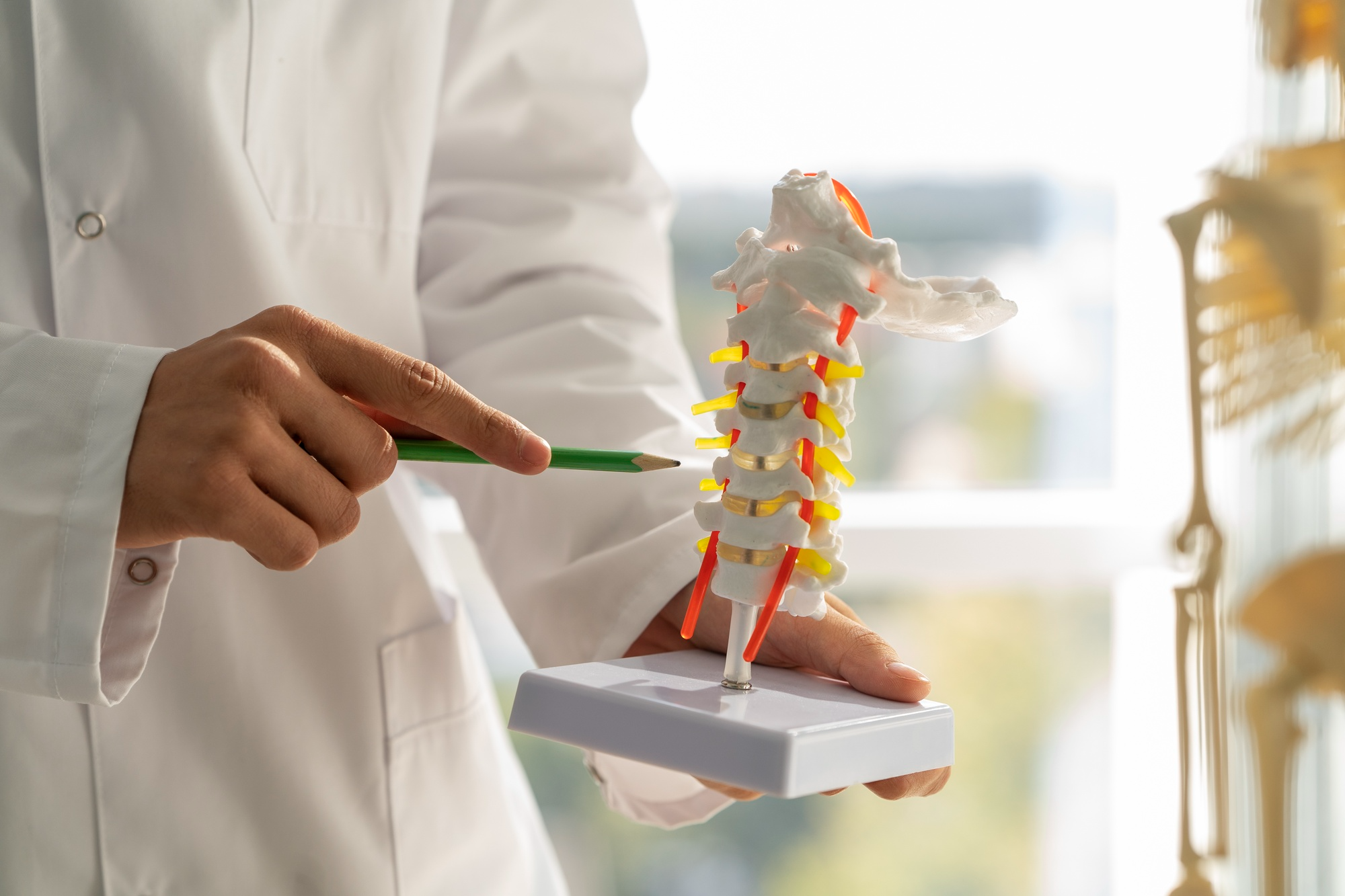
Support fracture recovery with essential nutrients like calcium, vitamin D, and protein for faster bone healing.
19 Nov 2025
by Prakash Hospital
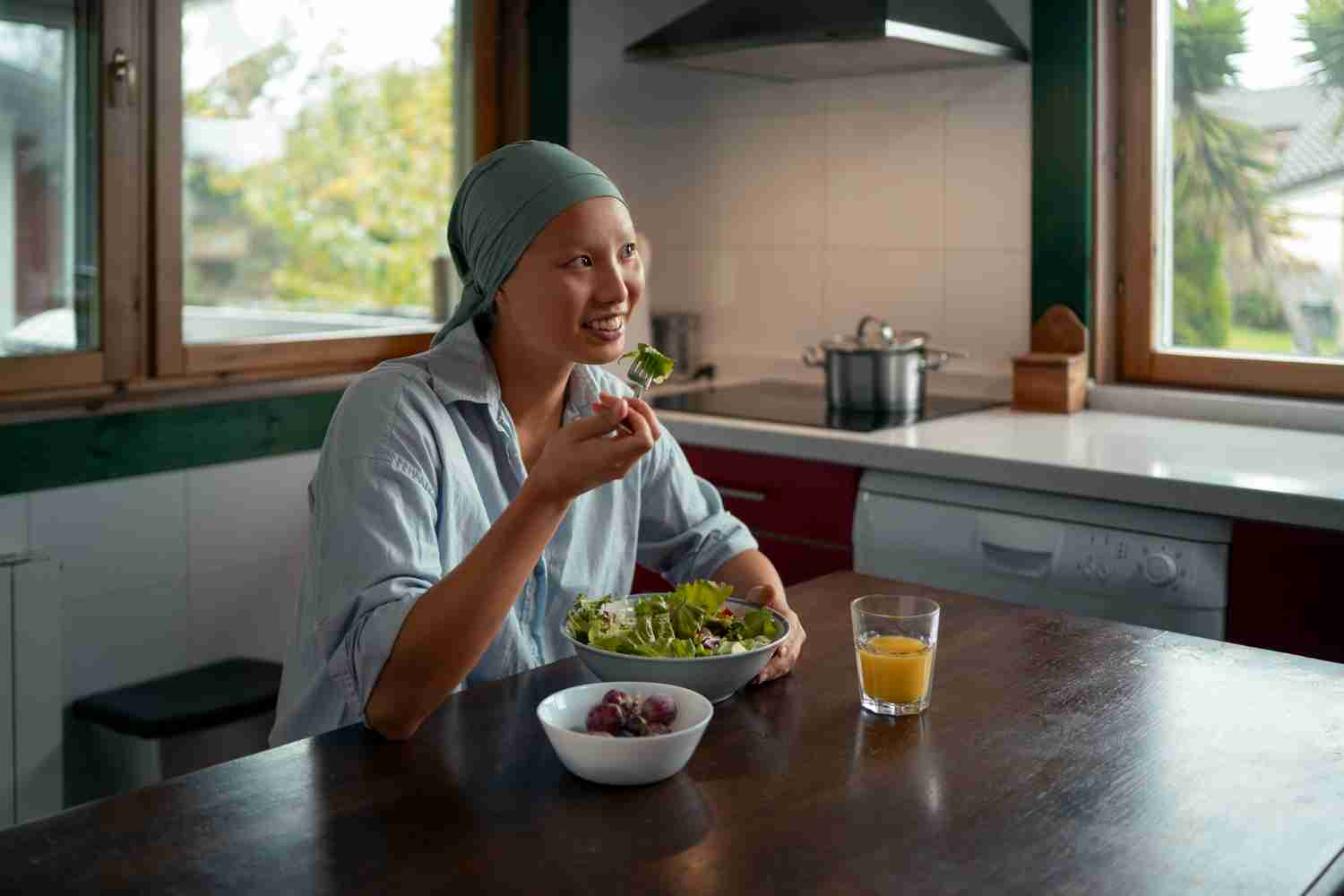
Discover expert-backed nutrition tips for cancer patients. Learn how to manage treatment side effects, stay hydrated, and eat for strength and recovery.
27 May 2025
by Prakash Hospital

COPD क्या है, इसके शुरुआती लक्षण क्या हैं और इसका इलाज कैसे होता है? जानिए क्रॉनिक ऑब्सट्रक्टिव पल्मोनरी डिजीज के बारे में पूरी जानकारी।
11 Mar 2026
by Prakash Hospital

Discover effective home remedies for dry and wet cough. Know when to seek medical care and get expert respiratory treatment at Prakash Hospital.
5 Feb 2026
by Prakash Hospital

ब्लड क्लॉट (खून का थक्का) क्या है, क्यों बनता है, इसके लक्षण क्या हैं और यह कितना खतरनाक हो सकता है, पूरी जानकारी आसान हिंदी में।
27 Apr 2026
by Prakash Hospital

Intermittent fasting for Indians — what the evidence shows, how to fit it around Indian family meal times, and who should avoid it. Prakash Hospital Noida.
7 Oct 2026
by Prakash Hospital

Vitamin D rich vegetables and fruits — what actually contains vitamin D and what is myth. Visit Prakash Hospital Noida for nutrition guidance.
30 Jun 2026
by Prakash Hospital

Magnesium deficiency symptoms like cramps, poor sleep and anxiety, why it is common in India, and the best Indian foods for magnesium. Prakash Hospital Noida.
1 Oct 2026
by Prakash Hospital


Book a consultation with Prakash Hospital's specialists — 24/7 emergency care, 100+ doctors, NABH accredited.
View All Departments