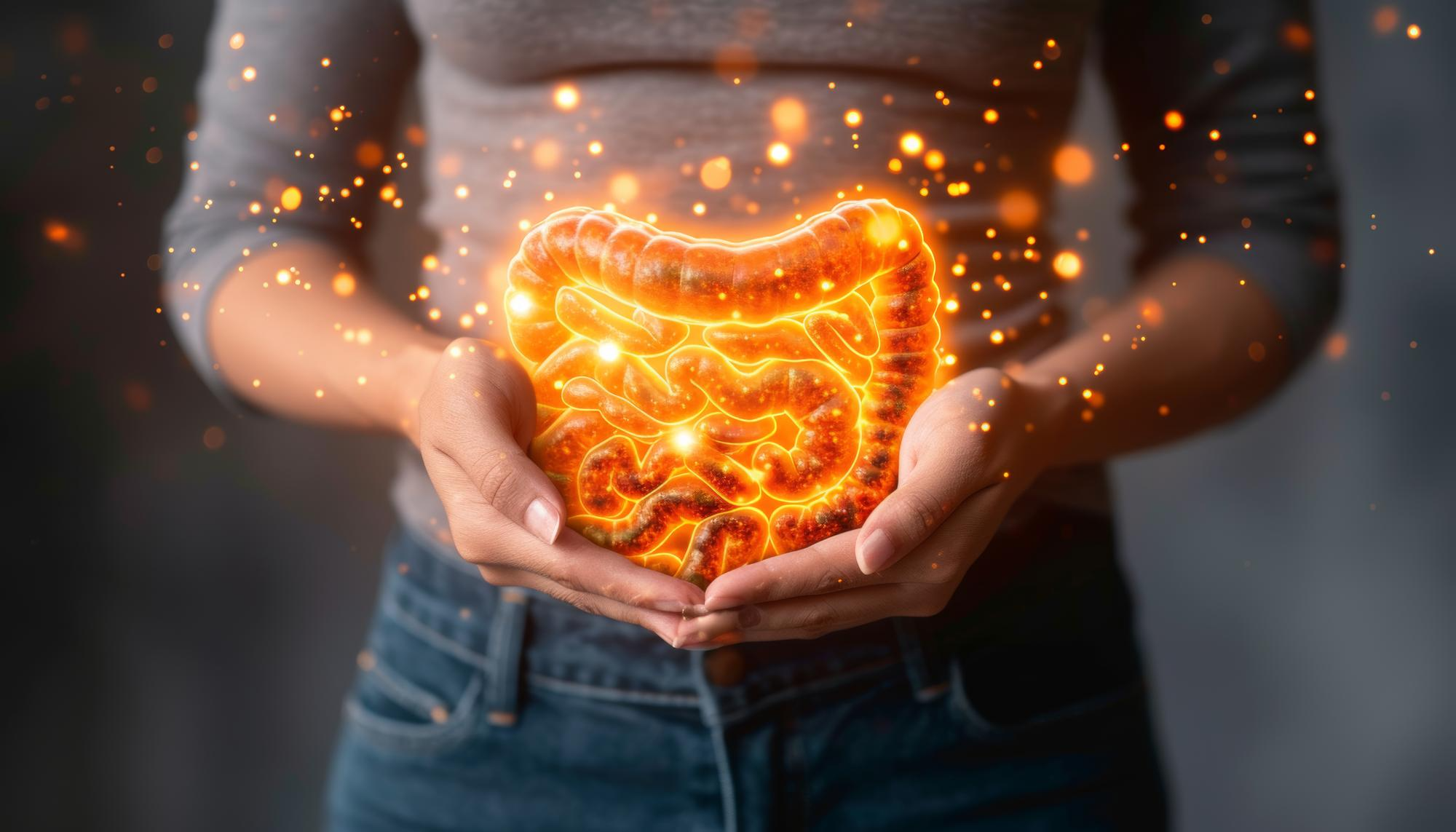
A woman holding an anatomical model of the human intestine representing a healthy gut.
"Gut health" has become a wellness buzzword, which makes it easy to dismiss as a trend. That would be a mistake. The science of the gut microbiome — the trillions of bacteria, fungi, and other microorganisms living in the digestive tract — has transformed how medicine understands the body over the past two decades.
What happens in the gut doesn't stay in the gut. The gut microbiome influences immunity, mood, body weight, blood sugar regulation, cholesterol metabolism, inflammation, and the risk of conditions from obesity to depression to autoimmune disease. Understanding how to support it — particularly through the lens of Indian food habits — is genuinely useful health knowledge.
The human gut contains approximately 100 trillion microorganisms — outnumbering human cells by a factor of roughly 10 to 1. The majority live in the large intestine. A healthy microbiome is diverse — meaning it contains many different species of bacteria — and is dominated by beneficial bacteria rather than harmful ones.
Key beneficial bacterial families include Lactobacillus (the genus in curd), Bifidobacterium (in fermented foods and promoted by fibre), Akkermansia (promoted by polyphenol-rich foods like pomegranate and berries), and Faecalibacterium prausnitzii (one of the most important anti-inflammatory gut bacteria).
What these bacteria do:
A disrupted microbiome (dysbiosis) is associated with irritable bowel syndrome (IBS), inflammatory bowel disease, obesity, type 2 diabetes, depression, anxiety, skin conditions like eczema, and autoimmune conditions.
None of these confirm gut dysbiosis on their own — they have many causes — but the combination of several is worth investigating.
Antibiotics: the most powerful single disruptor. Antibiotics kill pathogenic bacteria but also devastate beneficial populations. A single course of antibiotics can alter the gut microbiome for weeks to months. This is unavoidable when antibiotics are medically necessary — but it's a reason not to use them for viral infections (where they do nothing) and to actively support gut recovery after a necessary course.
Ultra-processed food: emulsifiers in ultra-processed food (carboxymethylcellulose, polysorbate-80, common in packaged Indian snacks) disrupt the mucus layer protecting the gut lining and reduce microbial diversity. Artificial sweeteners (particularly saccharin and sucralose) alter gut bacteria composition adversely.
Low-fibre diet: gut bacteria are fed primarily by fermentable dietary fibre. A low-fibre diet literally starves beneficial bacteria. Many urban Indian diets — high in refined grains, low in vegetables and whole pulses — are functionally low-fibre despite the cultural association of Indian food with vegetables.
Chronic stress: the gut-brain axis is real. Stress hormones (cortisol, adrenaline) alter gut motility, affect gut barrier function, and directly influence which bacteria thrive. IBS is strongly linked to chronic stress.
Poor sleep: sleep disruption alters gut microbiome composition — even after two nights of poor sleep, measurable shifts in bacteria populations occur.
Alcohol: regularly disrupts gut barrier function, reduces beneficial bacteria, and promotes the growth of harmful species.
NSAIDs (ibuprofen, diclofenac): damage the gut lining with regular use, increasing gut permeability and altering the microbiome. Extremely commonly self-prescribed in India.
Dietary fibre is the most evidence-based gut health intervention. The bacteria that ferment fibre into butyrate and other SCFAs are among the most beneficial in the gut.
The current Indian average fibre intake is well below recommendations. The target is 25–38 grams daily.
Fermented foods introduce live bacteria that temporarily colonise the gut and support the existing beneficial populations.

A top-view arrangement of milk, cheese, and curd showcasing probiotics.
Prebiotics are specific types of fibre that selectively feed beneficial bacteria. Different from general fibre — prebiotics have more targeted effects.
Packaged snacks, commercial biscuits, instant noodles, refined flour products — all reduce gut microbial diversity and increase the ratio of harmful to beneficial bacteria. The emulsifiers and preservatives specifically disrupt the mucus layer protecting the gut lining.
This is not about occasional consumption. It's about frequency. Daily packaged snack consumption as a habit has measurable, negative effects on the gut microbiome.
The vagus nerve directly connects the brain and gut. Stress signals from the brain alter gut motility (causing constipation or diarrhoea), increase gut permeability, and change which bacteria thrive in the gut environment.
The gut also sends signals to the brain — gut serotonin influences mood, and gut bacteria produce compounds that affect brain function. This is why anxiety and gut problems so often coexist — neither is simply "causing" the other; the connection is bidirectional.
Practical stress management for gut health:
Water is essential for gut motility. The colon absorbs water from stool — when dehydration is chronic, stools become harder and bowel movements become less regular.
2.5–3 litres daily. Plain water is most effective; chaas, coconut water, and herbal teas also contribute. Avoid sugary drinks — fructose in large amounts specifically feeds harmful gut bacteria.
Regular moderate exercise increases gut microbial diversity — the primary marker of a healthy gut microbiome. Physically active people consistently show more diverse gut bacteria than sedentary people, independent of diet. Exercise also improves gut transit time (reducing the time for waste and potential toxins to sit in the colon) and supports gut motility.
30 minutes of brisk walking or other moderate aerobic exercise most days.
If antibiotics are necessary:
Seven to nine hours of quality sleep supports gut health through multiple pathways — circadian rhythm affects gut bacteria composition, sleep deprivation alters the gut immune response, and poor sleep increases cortisol which disrupts gut function.
IBS (Irritable Bowel Syndrome): alternating constipation and diarrhoea, bloating, abdominal discomfort. Often triggered by stress, certain foods, and antibiotic history. Low-FODMAP dietary approach (reducing fermentable carbohydrates temporarily) helps many people. Probiotics and stress management are important alongside dietary changes. Should be evaluated by a gastroenterologist to rule out other conditions.
Chronic constipation: most commonly from insufficient fibre and water. Adding isabgol, more vegetables, more dal, and adequate hydration resolves most cases. If persistent, evaluation for thyroid, pelvic floor issues, or slow transit is needed.
Bloating and gas: usually from rapid eating, gas-producing foods (beans, cruciferous vegetables), or small intestinal bacterial overgrowth (SIBO). Eating slowly, chewing thoroughly, and eating beans in smaller portions with digestive spices (hing, jeera, ajwain) helps. Persistent unexplained bloating warrants investigation.
Acidity and GERD: reducing meal size, eating earlier, avoiding lying down within two hours of eating, reducing acidic and spicy food, and managing weight are all effective first steps. See next blog for a dedicated guide.
At Prakash Hospital Noida, our physicians and gastroenterologists evaluate gut health concerns — from IBS and constipation to acidity, bloating, and more serious digestive conditions. Dietary counselling and investigation where needed are available.
Whether you live in Sector 18, Sector 62, Greater Noida West, or anywhere in the NCR, Prakash Hospital Noida is a trusted name for digestive health, gastroenterology, and general wellness in Noida.
 Copy
CopyWe offer expert care across key specialties, including Medicine, Cardiology, Orthopaedics, ENT, Gynaecology, and more—delivering trusted treatment under one roof.


Book a consultation with Prakash Hospital's specialists — 24/7 emergency care, 100+ doctors, NABH accredited.

Prakash Hospital Pvt. Ltd. is a 100 bedded NABH NABL accredited multispecialty hospital along with a center of trauma and orthopedics. We are in the service of society since 2001.
OUR SPECIALITIES
Patient Services
PROCEDURES
Contact Us
D – 12A, 12B, Sector-33, G. B. Nagar, Noida, Uttar Pradesh 201301
+91-8826000033


© 2026 All rights reserved.
Designed and Developed by Zarle Infotech