


How to Increase Platelet Count Naturally
Learn causes of low platelet count and effective ways to increase it through diet, lifestyle, and medical care at Prakash Hospital.
4 Feb 2026
by Prakash Hospital
by Prakash Hospital
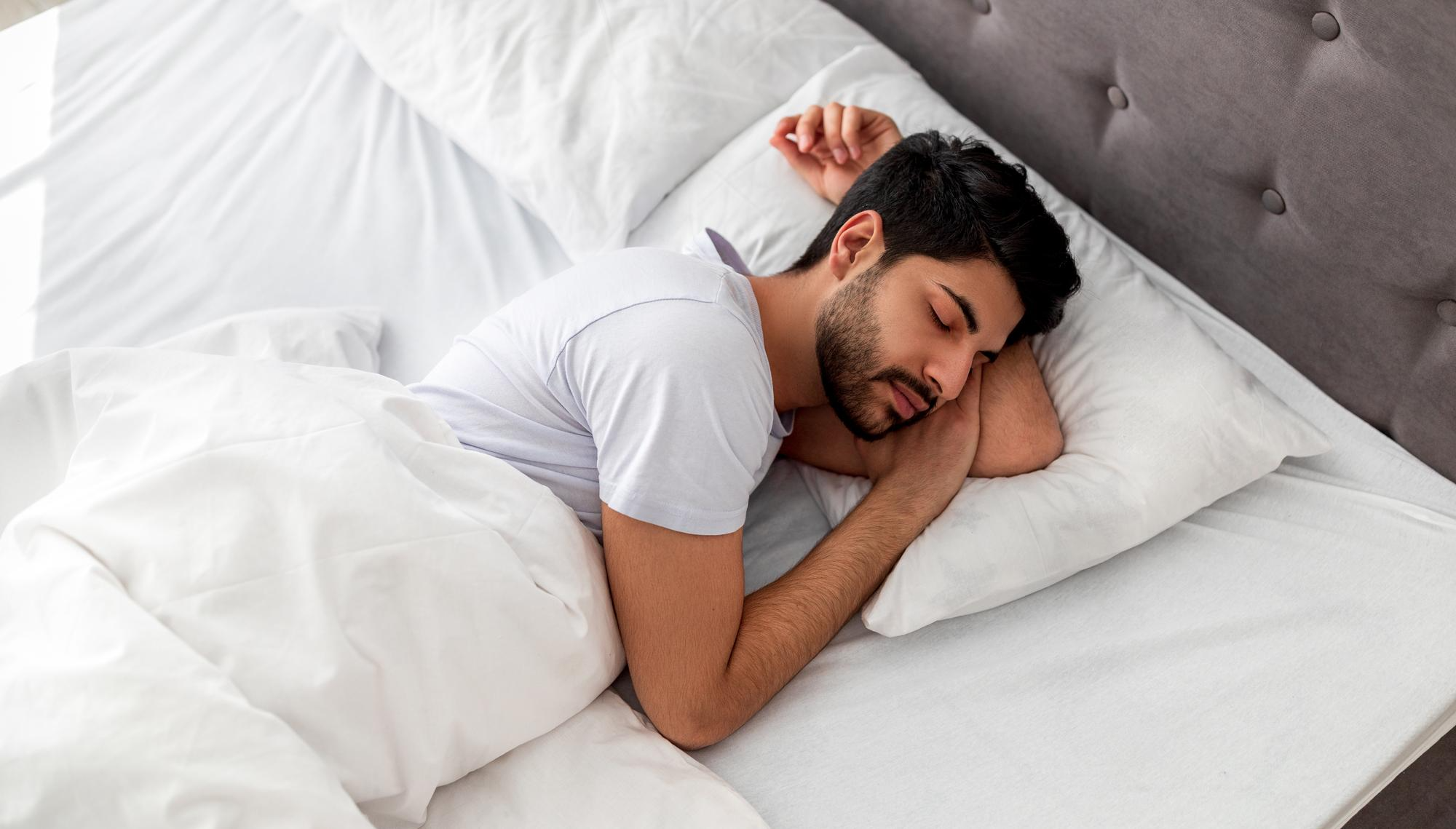
A man sleeping peacefully, showing how good sleep supports a strong immune system.
Most people know they should sleep more. Fewer people know how to sleep better. Hours spent in bed and hours of actual restorative sleep are not the same thing. You can lie in bed for eight hours and wake up feeling exhausted if sleep quality is poor.
Sleep quality depends on several things: how quickly you fall asleep, how many times you wake, how much time you spend in deep slow-wave sleep versus light sleep, and whether you wake feeling rested. All of these can be improved — some with straightforward changes, others with more work.
This guide covers what the evidence says actually works, plus what's worth addressing medically.
Poor sleep isn't just tiredness. It accumulates consequences across virtually every system:
Brain and cognition: poor sleep impairs attention, decision-making, memory consolidation, and emotional regulation. Chronic short sleep accelerates brain ageing.
Metabolism: sleep deprivation raises cortisol, disrupts hunger hormones (ghrelin and leptin), impairs insulin sensitivity, and promotes belly fat accumulation. Most people who struggle with weight management sleep poorly.
Immunity: the immune system repairs and primes itself during sleep. Chronic poor sleep significantly increases susceptibility to infection.
Mental health: anxiety and depression both cause poor sleep and are caused by poor sleep. The relationship goes both ways.
Cardiovascular health: sleep deprivation raises blood pressure, promotes inflammation, and is associated with increased heart attack and stroke risk.
Hormonal health: growth hormone releases primarily during deep sleep. Reproductive hormones regulate during sleep. Thyroid hormone is affected by sleep quality.
This isn't a list to create anxiety — it's context for why improving sleep is one of the highest-leverage health interventions available.
Sleep cycles through stages: light sleep, deep slow-wave sleep, and REM sleep. A full cycle takes about 90 minutes. Most adults need four to five cycles per night — that's seven to nine hours.
Deep slow-wave sleep is when physical repair happens, growth hormone releases, and metabolic waste (including beta-amyloid, associated with Alzheimer's) is cleared from the brain. REM sleep is when emotional processing and memory consolidation occur.
Missing sleep cuts these cycles short. But poor sleep quality also reduces time spent in the most restorative stages — you might spend eight hours in bed but with fragmented sleep that misses significant deep sleep.
Modern life has several specific sleep disruptors that weren't present even thirty years ago:
Blue light from screens suppresses melatonin — the hormone that signals sleep onset. An hour of phone or tablet use before bed can delay melatonin release by 90 minutes and reduce overall melatonin levels by 50%.
Social media and stimulating content activate the brain's arousal systems. Emotionally engaging content (news, debates, entertainment) before bed increases mental activation exactly when winding down is needed.
Irregular schedules — including weekend "sleep-ins" — disrupt the circadian rhythm. The body's clock needs consistent timing signals.
Caffeine later in the day: caffeine's half-life is about 5 hours. A 3 pm coffee still has half its caffeine at 8 pm and a quarter at midnight.
Stress: difficult to remove but a major sleep disruptor. Cortisol and stress hormones keep arousal systems active.
Hot bedrooms: body temperature needs to drop slightly to initiate and maintain sleep. India's warm climate and many people's preference for closed rooms without adequate cooling impairs this.
The most impactful change for most people. The circadian rhythm is regulated by consistent timing signals — the same wake time every day (including weekends) synchronises the biological clock and makes falling asleep easier. Within two to three weeks of consistency, most people notice significantly easier sleep onset.
The wake time is actually the more important anchor — keeping this fixed, even after a poor night, trains the system faster than keeping a consistent bedtime.
Not just phone brightness. The blue-light wavelength specifically suppresses melatonin. Options:
Replace screen time with low-arousal activities: reading a physical book (print, not backlit), light stretching, listening to calming music or podcasts, a warm bath or shower.

A young person lying in bed in a dark room, illuminated by the blue light of a laptop, showing how using electronic devices before bedtime can disrupt sleep patterns and impact mental health.
Body temperature drops naturally to initiate sleep. A room that's too warm disrupts this mechanism. Target around 20–22°C. A ceiling fan, window fan, or air conditioning helps. Even a light cotton sheet and avoiding heavy blankets in summer makes a difference.
Total darkness matters. Even small amounts of light through eyelids affect sleep quality. Blackout curtains or an eye mask are useful, particularly in areas with streetlights.
Given caffeine's five-hour half-life, a 2 pm cup of coffee or tea still has significant caffeine in the system at 7 pm. Sensitive individuals should stop earlier. If you regularly drink tea in the afternoon and evening, try a trial period without for two weeks and observe the difference.
The nervous system needs a transition from waking alertness to sleep readiness. This takes time — trying to go from a stimulating activity directly to sleep rarely works well. Build a 30–45 minute routine:
Doing the same sequence consistently signals the brain that sleep is coming.
Alcohol is sedating and many people use it to fall asleep more easily. But it fragments sleep architecture significantly — particularly suppressing REM sleep. People who drink before bed often sleep for eight hours and wake feeling unrefreshed, with disturbed second-half sleep. Vivid strange dreams and waking between 2 and 4 am are characteristic.
Occasional alcohol is different from habitual evening drinking for sleep. If alcohol is a regular sleep aid, there's a problem worth addressing.
Natural light in the morning, particularly sunlight within the first 30–60 minutes of waking, strongly anchors the circadian rhythm. Even on cloudy days, outdoor natural light is much brighter than indoor light. A 10–15 minute walk outside after waking produces significant circadian regulation effect.
This also suppresses melatonin appropriately in the morning (rather than leaving people groggy) and allows natural melatonin rise in the evening.
Regular exercise significantly improves sleep quality and deepens slow-wave sleep. However, vigorous exercise within 2–3 hours of bedtime raises body temperature and cortisol, which can delay sleep onset for some people. Morning or early afternoon exercise is generally better for sleep.
Light to moderate activity (walking, yoga, stretching) in the evening is fine and may actually help.
One of the most common reasons people can't fall asleep is a busy, anxious mind. Several approaches:
Brain dump: before bed, write down everything worrying you, plus the next day's to-do list. Externalising the thoughts reduces the brain's need to hold them.
Worry time: set aside 15 minutes in the early evening specifically for worrying, planning, and problem-solving. When worries arrive at bedtime, remind yourself they have a designated time and return them there.
Breathing exercises: slow breathing activates the parasympathetic nervous system and reduces cortisol. The 4-7-8 technique (inhale 4 counts, hold 7, exhale 8) is effective. Just three to four cycles noticeably reduces anxiety.
Mindfulness meditation: even brief meditation reduces the mental chatter that prevents sleep. Apps like Insight Timer and Headspace have sleep-specific content.
The brain associates environments with their usual activities. If you work, watch TV, and scroll social media in bed, the bedroom becomes associated with wakefulness. Keeping the bedroom exclusively for sleep and sex strengthens the association between the room and sleeping.
This is harder in small homes, but even a consistent boundary around the space helps.
Melatonin supplements: useful for jet lag and shift work schedule adjustment. Not particularly effective for improving general sleep quality in people without circadian rhythm problems. Often taken at excessive doses (most effective doses are 0.5–1 mg, far below most commercial tablets).
Herbal teas and valerian: evidence is weak but side effects are minimal. Chamomile, ashwagandha, and valerian have some relaxation effects that may help with mild sleep issues.
Sleeping in on weekends to "catch up": disrupts the circadian rhythm and often makes the next week's sleep harder. Modest sleeping in (30–60 minutes) is acceptable; a 3-hour lie-in on weekends perpetuates poor sleep patterns.
Alcohol to fall asleep: temporarily effective for sleep onset, harmful for sleep quality and architecture.
Extreme restriction of sleep time (CBT-I technique): this works but requires guidance — used without structure it can worsen things.
Sleep apnea is one of the most common and most underdiagnosed conditions in India. People with sleep apnea stop breathing repeatedly during sleep, often without knowing. It's associated with snoring, waking unrefreshed despite adequate hours, daytime sleepiness, morning headaches, mood problems, and worsened blood pressure and heart disease risk. Risk factors include being male, overweight, or having a thick neck or receding jaw.
If you snore significantly, wake frequently, or feel unrefreshed despite hours of sleep, mention this to a doctor. A sleep study (polysomnography) diagnoses it. Treatment (CPAP or dental devices) is very effective and often produces dramatic improvement in energy, mood, and health.
Insomnia disorder — difficulty falling or staying asleep on most nights for more than three months with significant daytime impact — benefits from Cognitive Behavioural Therapy for Insomnia (CBT-I), the most effective treatment and usually more helpful long-term than medication.
Restless legs syndrome, periodic limb movement disorder, circadian rhythm disorders, and other specific sleep disorders need specialist evaluation.
Mental health: anxiety and depression both cause sleep problems and respond poorly to sleep-specific interventions alone. Treating the underlying condition improves sleep more than sleep supplements.
Thyroid and other medical conditions: hypothyroidism, pain conditions, hormonal disorders, and others affect sleep. Addressing the medical condition improves sleep.
At Prakash Hospital Noida, our physicians evaluate sleep concerns through clinical history, appropriate blood tests (thyroid, blood glucose, iron), and referral for sleep studies when sleep apnea or other sleep disorders are suspected. Mental health support, including for anxiety and depression that affect sleep, is available.
Whether you're in Sector 18, Sector 62, Greater Noida West, or anywhere nearby, Prakash Hospital Noida is a trusted name for general health and wellness in Noida.

Removes the uterus through keyhole cuts, for fibroids, heavy periods or adenomyosis that other treatment hasn't fixed.
A thin needle sample of liver tissue to diagnose liver disease and measure scarring when other tests can't.
Frees a trapped spinal nerve by removing slipped disc or bone, easing sciatica and leg pain.
Free tools to check your weight, plan a pregnancy, track calories and more.
We offer expert care across key specialties, including Medicine, Cardiology, Orthopaedics, ENT, Gynaecology, and more—delivering trusted treatment under one roof.
Learn causes of low platelet count and effective ways to increase it through diet, lifestyle, and medical care at Prakash Hospital.
4 Feb 2026
by Prakash Hospital

Calcium-rich foods — the best Indian sources for strong bones and teeth. Visit Prakash Hospital Noida for nutrition consultation and bone health.
20 Jul 2026
by Prakash Hospital

जानिए अचानक बेहोशी (फेंटिंग) के मुख्य कारण, इसके लक्षण और कब डॉक्टर से संपर्क करना चाहिए। सही देखभाल और बचाव के आसान उपाय भी समझें।
13 May 2026
by Prakash Hospital

HOMA-IR equals fasting glucose times fasting insulin divided by 405. See worked examples, what the ranges mean, how to prepare and how to improve your score.
15 Oct 2026
by Prakash Hospital

जानिए थायरॉइड टेस्ट कब करवाना चाहिए, किन लक्षणों में जांच जरूरी है, और कौन-कौन से टेस्ट होते हैं। सही समय पर Prakash Hospital से संपर्क करें।
2 Mar 2026
by Prakash Hospital

Low testosterone symptoms — fatigue, low libido, mood changes and more. Causes, when to get a morning blood test, and treatment. Prakash Hospital Noida.
6 Oct 2026
by Prakash Hospital


Book a consultation with Prakash Hospital's specialists — 24/7 emergency care, 100+ doctors, NABH accredited.
View All Departments