


Menopause: Signs, Symptoms and What Indian Women Should Know
Menopause symptoms, when they start in Indian women, and what treatments actually help. Guide from Prakash Hospital Noida.
23 Sept 2026
by Prakash Hospital
by By Prakash Hospital

Bright light soon after waking is one of the strongest signals for moving your body clock earlier.
Every few months, millions of people make the same promise: "From tomorrow, I will wake up at 5 a.m." The alarm rings, the resolution lasts three days, and then the snooze button wins.
The problem is rarely willpower. Waking early is mostly a matter of biology, light, and the hours before you go to bed. Once you understand how your body clock works, early mornings stop being a daily battle and become a natural outcome of a better routine.
Waking early is not magical in itself. What matters is getting enough good-quality sleep at consistent times. A person who sleeps at 1 a.m. and wakes at 5 a.m. is simply sleep deprived. But for people whose work and life run on a morning schedule, shifting earlier can bring real benefits:
Your circadian rhythm is a roughly 24-hour internal clock controlled by a region of the brain that responds mainly to light. It regulates:
Some people are naturally "larks" (early types), others "owls" (late types). Genetics, age, and lifestyle play a role. Teenagers shift later biologically; older adults shift earlier. You can move your clock earlier, but gradually and with the right cues.
Decide when you want to wake and subtract seven to eight hours. That is your bedtime. If you currently sleep at 1 a.m. and want to wake at 6 a.m., you will need to shift bedtime to around 10:30 p.m.
Move your bedtime and wake time earlier by 15 to 30 minutes every two to three days. Sudden big changes rarely stick.
Including weekends. A consistent wake time is the most powerful anchor for your body clock. Limit weekend lie-ins to about an hour.
Open the curtains, step onto the balcony, or take a short walk outdoors. Morning sunlight tells your brain it is daytime, suppresses melatonin, and strengthens your rhythm. Aim for 10 to 20 minutes.
For one to two hours before bed:
Try the same calming sequence each night: a warm shower, light stretching, reading a book, breathing exercises, or gentle music. Your brain learns to link these cues with sleep.
Physical activity improves sleep depth. Vigorous exercise very late at night may delay sleep in some people; morning or evening workouts finishing a few hours before bed are best.
Moving out of bed to switch it off breaks the snooze habit. Use a single alarm rather than repeated ones; snoozing fragments sleep and leaves you groggier.
Plan something you look forward to in the morning: a walk, a good breakfast, chai on the terrace, a hobby, or time with family. Motivation matters more than discipline.
Keep naps under 20 to 30 minutes and before mid-afternoon.
Evening
Morning
Consult a doctor if:
At Prakash Hospital Noida, our physicians assess sleep patterns and underlying medical or nutritional causes of poor sleep and morning fatigue, and guide you toward a healthier, sustainable routine.
Whether you live in Sector 18, Sector 62, Greater Noida West, or anywhere nearby, Prakash Hospital Noida is a trusted name for sleep health and lifestyle medicine in Noida.
To book a consultation, call the number.
Tags: #HowToWakeUpEarly #FixSleepSchedule #PrakashHospitalNoida

Removes the uterus through keyhole cuts, for fibroids, heavy periods or adenomyosis that other treatment hasn't fixed.
Care through labour and vaginal birth, including VBAC for suitable women who have had one caesarean before.
A camera through the cervix to see inside the uterus and remove polyps, small fibroids or scar tissue, with no cuts.
Free tools to check your weight, plan a pregnancy, track calories and more.
We offer expert care across key specialties, including Medicine, Cardiology, Orthopaedics, ENT, Gynaecology, and more—delivering trusted treatment under one roof.
Menopause symptoms, when they start in Indian women, and what treatments actually help. Guide from Prakash Hospital Noida.
23 Sept 2026
by Prakash Hospital

Indian pregnancy diet plan, foods to eat in each trimester, key nutrients, and what to avoid. Visit Prakash Hospital Noida for maternity care.
10 Jul 2026
by Prakash Hospital

पीसीओएस यानी Polycystic Ovary Syndrome क्या है, इसके लक्षण, कारण, जांच और इलाज के तरीके हिंदी में जानें।
23 Jan 2026
by Prakash Hospital

घुटनों के दर्द के कारण, लक्षण और राहत पाने के उपाय जानें। पढ़ें क्या करना चाहिए और क्या नहीं करना चाहिए, ताकि घुटने स्वस्थ रहें।
19 Feb 2026
by Prakash Hospital

रोटेटर कफ इंजरी के लक्षण, कारण और इलाज जानें। कंधे में दर्द और कमजोरी को नजरअंदाज न करें। Prakash Hospital में पाएं एडवांस ऑर्थोपेडिक और फिजियोथेरेपी उपचार।
15 Jun 2026
by Prakash Hospital
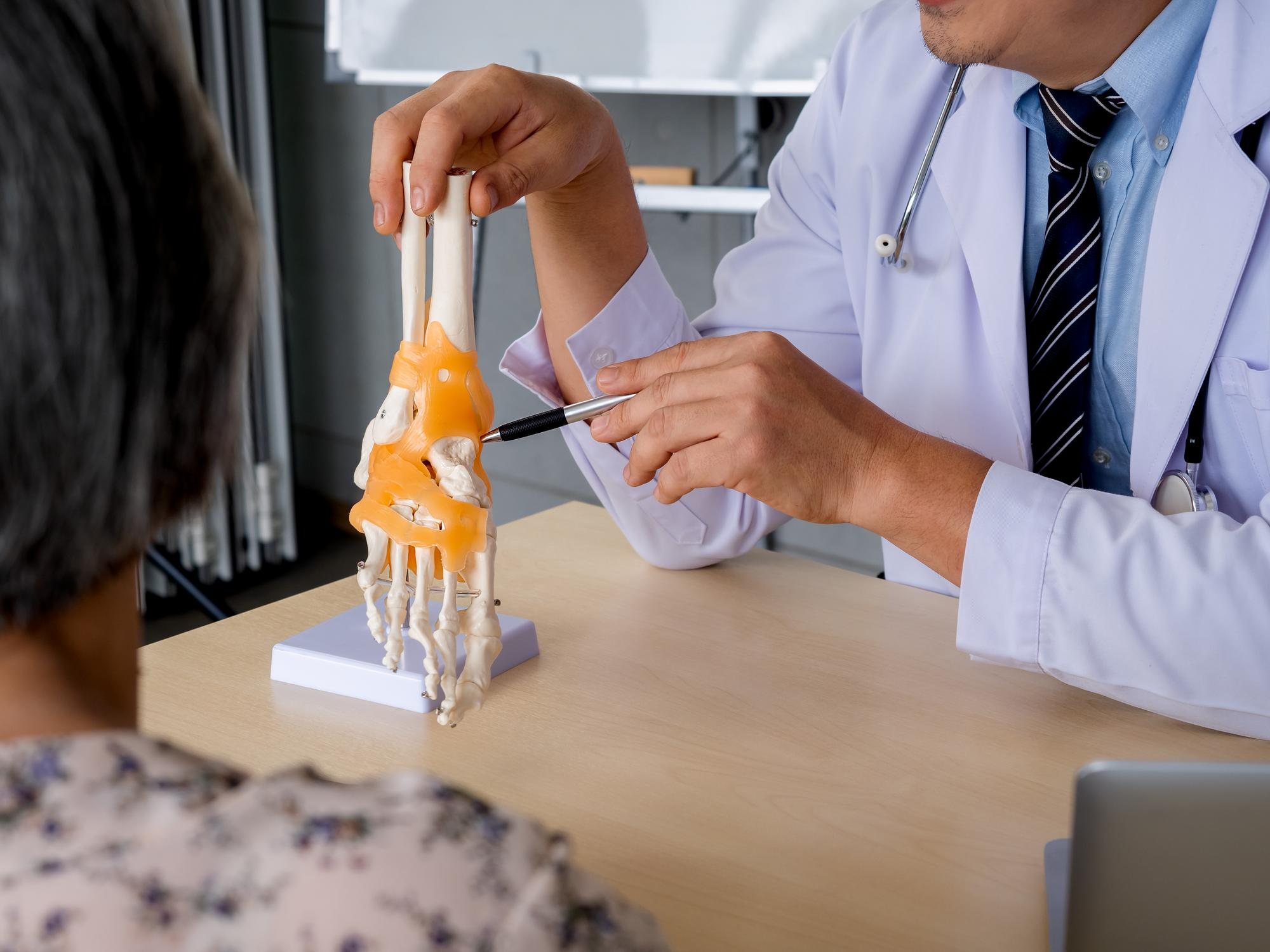
हड्डियों में सूजन के कारण, लक्षण और इलाज जानें। ऑस्टियोमाइलाइटिस, आर्थराइटिस और हड्डी के दर्द को नजरअंदाज न करें। Prakash Hospital में पाएं एडवांस ऑर्थोपेडिक उपचार।
9 Jun 2026
by Prakash Hospital


Book a consultation with Prakash Hospital's specialists — 24/7 emergency care, 100+ doctors, NABH accredited.
View All Departments