


Signs Your Liver May Not Be Functioning Properly
Discover early signs your liver may not be functioning properly, including fatigue, jaundice and digestive issues, expert liver care in Noida.
24 Mar 2026
by Prakash Hospital
by By Prakash Hospital

An LFT measures SGOT, SGPT, ALP, GGT, bilirubin and albumin from a single blood sample.
A liver function test (LFT) is a blood panel that measures enzymes and proteins made by or released from the liver. SGOT (now called AST) and SGPT (ALT) are enzymes that leak into the blood when liver cells are injured. Normal values are roughly up to 40 U/L for both, though ranges differ by lab. Total bilirubin is normally about 0.3 to 1.2 mg/dL, with direct bilirubin up to about 0.3 mg/dL. Which tests are raised, and by how much, tells doctors whether the problem is liver cell damage, a blocked bile duct or a failing liver, and it is the pattern that matters more than any single number.
This guide explains each line on the report, typical normal ranges, how to recognise the main patterns, a simple calculation doctors use, the common causes in India and the steps to take if your results are abnormal.
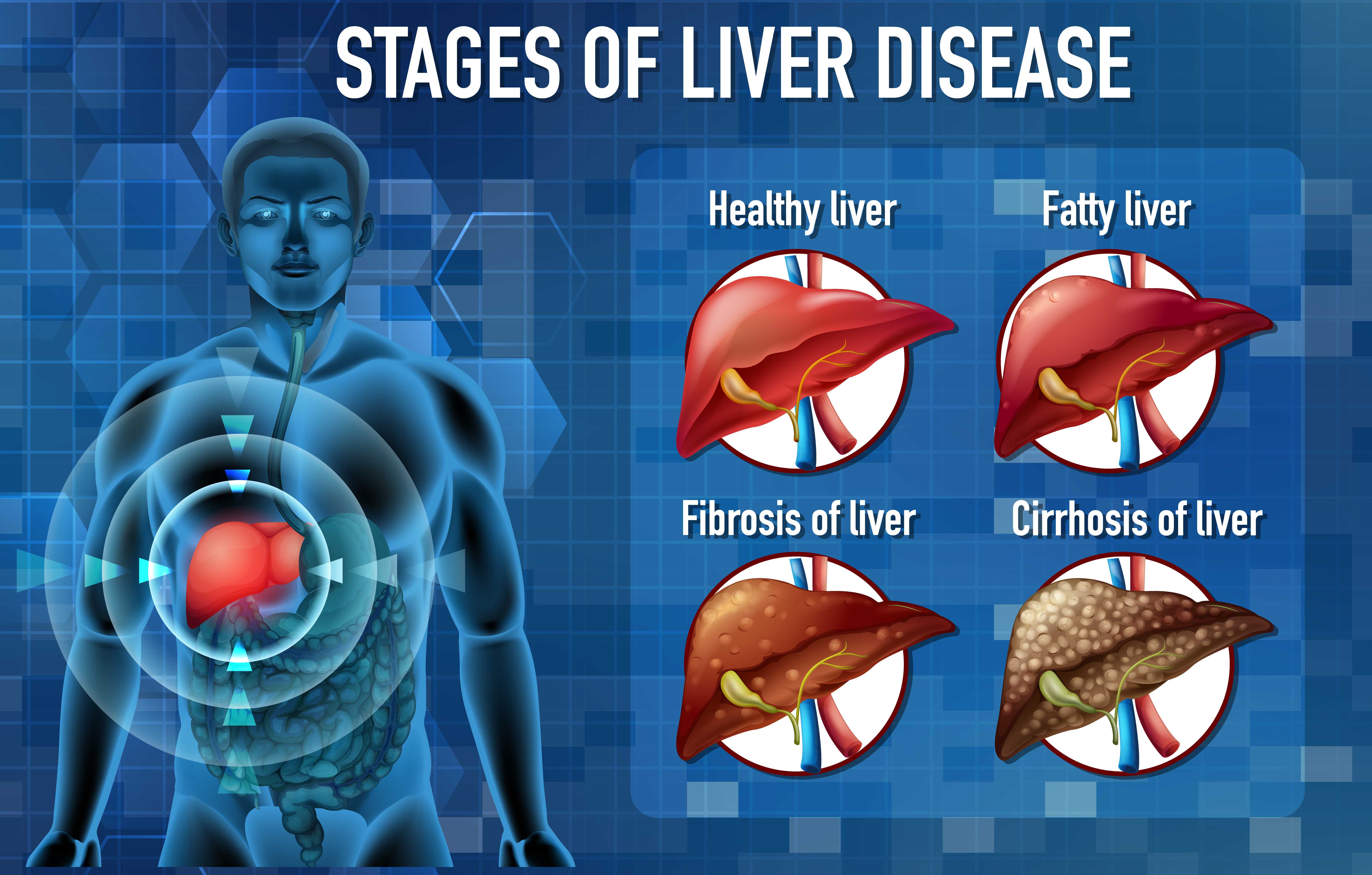
The liver processes nutrients, makes proteins (including albumin and clotting factors), produces bile to digest fat, clears bilirubin (a waste product from old red blood cells), and breaks down drugs and toxins. Because the liver has large reserves, disease can be silent for years. A blood test is often the first clue.
"LFT" is a bit of a misnomer. Many of the tests show liver injury rather than true "function". Albumin, bilirubin and clotting tests are the real function markers.
Reference ranges differ between laboratories and by age and sex. Always compare with the range printed on your report. Typical adult values:
| Test | Typical range | Also called | |---|---|---| | ALT (alanine aminotransferase) | About 7 to 40 U/L (some labs: up to 35 in women, 45 to 56 in men) | SGPT | | AST (aspartate aminotransferase) | About 10 to 40 U/L | SGOT | | ALP (alkaline phosphatase) | About 44 to 147 U/L in adults (higher in children, adolescents and pregnancy) | | | GGT (gamma-glutamyl transferase) | About 8 to 61 U/L (varies by sex) | | | Total bilirubin | About 0.3 to 1.2 mg/dL | | | Direct (conjugated) bilirubin | About 0 to 0.3 mg/dL | | | Indirect bilirubin | Total minus direct; about 0.2 to 0.9 mg/dL | | | Total protein | About 6.0 to 8.3 g/dL | | | Albumin | About 3.5 to 5.0 g/dL | | | Globulin | About 2.0 to 3.5 g/dL | | | A/G ratio | About 1.0 to 2.2 | | | PT/INR (separate test) | INR about 0.8 to 1.2 | |
SGOT (AST). Found in the liver, but also in heart, muscle and kidney. A raised AST can come from the liver or from muscle injury (hard exercise, injury, a heart attack).
SGPT (ALT). More specific to the liver. A raised ALT is the more reliable sign of liver cell injury.
ALP. Found in bile ducts and in bone. Raised in bile duct blockage, gallstones, some liver diseases, bone growth, healing fractures and pregnancy.
GGT. Raised in bile duct disease and with alcohol or certain medicines. Helps tell whether a high ALP comes from the liver (GGT also high) or from bone (GGT normal).
Bilirubin. Total bilirubin is split into indirect (unconjugated, before processing by the liver) and direct (conjugated, after). High indirect bilirubin suggests excess red cell breakdown or reduced liver uptake, as in haemolysis or Gilbert's syndrome. High direct bilirubin suggests the liver cannot excrete bilirubin into bile, as in hepatitis, cirrhosis or bile duct obstruction. Jaundice (yellow skin and eyes) usually becomes visible when total bilirubin rises above about 2.5 to 3 mg/dL.
Albumin and total protein. Low albumin shows that the liver is making less protein over a longer time (weeks), as in chronic liver disease and cirrhosis, but also in kidney disease (protein loss in urine), malnutrition and chronic illness.
PT/INR. Reflects the liver's ability to make clotting factors. A prolonged INR in liver disease means significant loss of function (after vitamin K deficiency is excluded).
ALT and AST are raised out of proportion to ALP.
ALP and GGT are raised out of proportion to ALT and AST, often with raised direct bilirubin.
Both enzyme groups rise. Seen in many conditions, including drug injury and congestion from heart failure.
R = (ALT ÷ ALT upper limit) ÷ (ALP ÷ ALP upper limit)
Example 1. ALT 280 U/L with an upper limit of 40, giving 7. ALP 120 U/L with an upper limit of 120, giving 1. R = 7 ÷ 1 = 7. This is a hepatocellular pattern.
Example 2. ALT 80 U/L (2 times the upper limit) and ALP 400 U/L with an upper limit of 120 (3.3 times). R = 2 ÷ 3.3 = 0.6. This is a cholestatic pattern.
| Pattern | Likely cause | |---|---| | High indirect (unconjugated) only | Haemolysis, Gilbert's syndrome, newborn jaundice | | High direct and total with high ALT/AST | Hepatitis, cirrhosis | | High direct with very high ALP/GGT | Bile duct obstruction | | Dark urine and pale stools | Obstructive jaundice |
Go to a hospital promptly for:
SGOT is an older name for AST (aspartate aminotransferase), an enzyme found in the liver and other tissues. It rises when liver or muscle cells are damaged.
About 7 to 40 U/L, depending on the lab. SGPT is also called ALT.
Up to about 0.3 mg/dL.
A mild rise, often due to fatty liver, is common and usually not urgent, but should be evaluated and repeated.
It can be due to alcohol use, advanced liver disease or muscle injury. A doctor will interpret it with the rest of the report.
Yes, but follow your lab's instructions if other fasting tests are done together.
Often yes, once the cause (fatty liver, alcohol, a medicine, an infection) is treated.
See a doctor if any liver value is above range on repeat testing, if you have jaundice, dark urine, persistent fatigue, itching, abdominal pain or swelling, or if you take medicines that can affect the liver.
Whether you live in Sector 18, Sector 62, Greater Noida West, or anywhere nearby, Prakash Hospital Noida is a trusted name for gastroenterology and liver care in Noida. Our specialists find the cause of abnormal liver tests and guide treatment and lifestyle change.
To book a consultation, call the number.
Sources: American College of Gastroenterology clinical guideline on evaluation of abnormal liver chemistries; standard clinical laboratory reference ranges. Ranges vary by laboratory.
Tags: #LiverFunctionTest #SGOTSGPT #PrakashHospitalNoida

This article covers gastroenterology concerns. These Prakash Hospital doctors in Noida treat them.

Dr. Syed Uzair Yawar
Consultant Gastroenterologist
Gastroenterologist · Hepatologist · Therapeutic Endoscopist

Dr. Rohit Singh
Consultant GI/HPB surgery
GI/HPB Surgery · Liver Transplant · Gastrointestinal Surgery
A camera test of the food pipe, stomach and duodenum for acidity, ulcers, bleeding and swallowing problems.
A swallowed pill camera that photographs the small intestine to find hidden bleeding or Crohn's disease.
A thin needle sample of liver tissue to diagnose liver disease and measure scarring when other tests can't.
Free tools to check your weight, plan a pregnancy, track calories and more.
We offer expert care across key specialties, including Medicine, Cardiology, Orthopaedics, ENT, Gynaecology, and more—delivering trusted treatment under one roof.
Discover early signs your liver may not be functioning properly, including fatigue, jaundice and digestive issues, expert liver care in Noida.
24 Mar 2026
by Prakash Hospital

Hepatomegaly or enlarged liver — understand the causes, symptoms, and treatment options. Visit Prakash Hospital Noida for liver evaluation and care.
7 Jul 2026
by Prakash Hospital
Home remedies to strengthen the liver — foods, lifestyle changes, and natural approaches that support liver health. Visit Prakash Hospital Noida for liver care.
11 Jun 2026
by Prakash Hospital

Early pregnancy signs — what to watch for in the first weeks, when to take a test, and what the symptoms mean. Prakash Hospital Noida.
23 Sept 2026
by Prakash Hospital

How long the fertile window lasts, the days with the highest chance of pregnancy, how to time sex by cycle length and why the calendar is not birth control.
5 Nov 2026
by Prakash Hospital

Work out your conception date from your last period, due date or scan. Worked examples, a cycle-length table, IVF dating and why the real date is a window.
2 Nov 2026
by Prakash Hospital
How to improve digestion naturally with Indian diet, lifestyle changes, and traditional remedies. Guide from Prakash Hospital Noida.
18 Aug 2026
by Prakash Hospital

Signs of liver problems — from early warning signs to serious symptoms. When to get tested and what the tests mean. Prakash Hospital Noida.
17 Sept 2026
by Prakash Hospital

लिवर सिरोसिस के लक्षण, कारण, स्टेज और इलाज जानें। पीलिया, पेट में सूजन और थकान को नजरअंदाज न करें। Prakash Hospital में पाएं एडवांस लिवर केयर और गैस्ट्रोएंटरोलॉजी उपचार।
12 Jun 2026
by Prakash Hospital


Book a consultation with Prakash Hospital's specialists — 24/7 emergency care, 100+ doctors, NABH accredited.
View All Departments