


Hair Fall in Men: Why It Happens and What Can Be Done
Hair fall in men — male pattern baldness, causes, and what treatments actually work. Guide from Prakash Hospital Noida, Noida.
7 Sept 2026
by Prakash Hospital
by Prakash Hospital

Woman examining hair loss in mirror after childbirth, showing postpartum hair shedding
A certain amount of hair fall is completely normal. The average person loses 50–100 hairs daily as part of the normal hair growth cycle — each hair follicle goes through a growth phase (anagen), a transition phase (catagen), and a resting phase (telogen) before the hair sheds and a new one begins growing. When you see hair in the shower drain or on the pillow, most of it is telogen hair that was already in the shedding phase.
The problem is when the number of hairs falling exceeds the number actively growing, or when the growth phase shortens while the resting phase lengthens. The result: progressive thinning, reduced density, and a scalp that becomes more visible than it used to be.
In India, hair fall is among the top health concerns across all age groups and both sexes. Understanding the specific reason behind it is the essential first step — because the causes are many, they respond to different interventions, and treating the wrong cause rarely helps.
Losing 50–100 hairs daily is within the normal range. A rough self-test: run your fingers through dry hair and gently tug. If more than 5–6 hairs come out in a single pass, it's worth investigating. If you're finding significantly more hair on the pillow, in the shower, or on the brush than you used to, that's also a signal.
Thinning that is gradual over months and years is different from sudden, rapid shedding over weeks — the sudden type often has a specific identifiable trigger.
India has high rates of several nutritional deficiencies that directly affect hair follicle function.
Iron deficiency: the single most common cause of diffuse hair loss in Indian women. Iron is essential for the metabolic activity of rapidly dividing hair follicle cells. Even iron deficiency without frank anaemia (low serum ferritin without low haemoglobin) causes hair fall. Many women with normal haemoglobin have low ferritin — the storage form of iron — which is not routinely checked.
Test to ask for: serum ferritin (not just haemoglobin). A ferritin below 30–40 ng/mL is associated with hair loss; below 12 ng/mL is definite deficiency. Correcting iron deficiency with supplementation typically improves hair fall over 3–6 months.
Vitamin D deficiency: vitamin D receptors are present in hair follicles, and deficiency is directly linked to hair loss — particularly alopecia areata (patchy loss) and diffuse thinning. Extraordinarily common in India (affecting 70–80% of urban Indians) and frequently undiagnosed.
Vitamin B12 deficiency: essential for the production of red blood cells that supply oxygen to hair follicles. B12 deficiency is very common in vegetarians and those on long-term metformin (for diabetes). Causes diffuse hair thinning.
Zinc deficiency: involved in hair follicle cycling and protein synthesis. Both deficiency and excess cause hair loss (excess supplementation is rare but possible with high-dose supplements). Common in predominantly plant-based diets.
Protein deficiency: hair is made of keratin — a protein. Insufficient dietary protein means insufficient raw material for hair growth. Hair is a lower priority than vital organs, so when protein is limited, follicle production is among the first functions reduced. Very common in women who don't prioritise protein in their diet.
Biotin deficiency: frequently marketed as the primary hair loss solution. Actual biotin deficiency causing hair loss is genuinely rare in people eating a normal diet — biotin is found in eggs, nuts, and many foods. Most biotin supplements are unnecessary. However, if you are actually deficient (raw egg white consumption, certain genetic conditions), supplementation helps.
Telogen effluvium is what happens when a large proportion of actively growing hair follicles simultaneously enter the resting (telogen) phase in response to a significant bodily stressor. The shedding happens 2–3 months after the trigger — which is why many people don't connect the two.
Common triggers:
Telogen effluvium produces diffuse thinning across the scalp — not patchy. The hair count is reduced overall. The good news: it's usually self-limiting. Once the trigger resolves, hair regrowth typically begins within 3–6 months, with full recovery in 6–12 months. Treating the nutritional status during recovery (iron, protein, vitamin D) supports regrowth.
The most common cause of progressive hair thinning in both men and women — driven by the interaction between genetic factors and androgenic (male) hormones, particularly dihydrotestosterone (DHT). Present in both sexes.
In men: the classic male pattern baldness — hairline recession at the temples and thinning at the crown. The Norwood scale describes the progression.
In women: the female pattern is different — diffuse thinning on the top and crown of the scalp, with the hairline usually preserved. The Ludwig scale categorises severity. Women with androgenetic alopecia often notice a widening of the parting and reduced density at the crown.
Genetics determine susceptibility. DHT shrinks hair follicles over time, shortening the growth phase until the follicle eventually stops producing visible hair.
Treatment: minoxidil (topical solution or foam, applied twice daily to the scalp) is the first-line treatment for both sexes. It prolongs the growth phase and is effective in slowing progression and sometimes improving density. It must be used indefinitely — stopping leads to return of loss. Finasteride (oral — for men only; teratogenic in pregnant women) blocks DHT production and is effective for male pattern hair loss.
PCOD causes elevated androgens (testosterone, DHEAS) in women. This androgen excess can miniaturise hair follicles in susceptible women, causing androgenetic alopecia — a female pattern of thinning, often more diffuse than the classic male pattern.
It's also frequently accompanied by hirsutism (unwanted facial and body hair) — the same androgens that thin scalp hair stimulate body hair growth. The combination of scalp hair thinning with facial hair increase in a woman strongly suggests androgen excess and warrants investigation.
Treatment of the underlying PCOD (hormonal management, anti-androgen medications, lifestyle intervention) improves the androgenic hair loss component.
Both hypothyroidism (underactive thyroid) and hyperthyroidism (overactive thyroid) cause hair loss
Hypothyroidism: diffuse hair thinning, dry brittle hair, loss of the outer third of the eyebrows. Extremely common in Indian women. Other symptoms include fatigue, weight gain, cold sensitivity, and constipation.
Hyperthyroidism: diffuse thinning, fine hair texture. Associated with weight loss, palpitations, heat intolerance.
Thyroid function is one of the most important tests to do for unexplained hair loss — a TSH (thyroid stimulating hormone) blood test. Hair loss typically improves once thyroid function is corrected with appropriate treatment.
Dandruff (seborrhoeic dermatitis): a chronic scalp condition involving Malassezia yeast overgrowth, causing flaking, itching, and inflammation. The inflammatory environment around hair follicles can contribute to increased shedding. More on the link between dandruff and hair fall in blog P5-29.
Fungal scalp infection (tinea capitis): more common in children. Causes patchy hair loss with scalp scaling and redness. Treated with antifungal medications.
Psoriasis of the scalp: thick, silvery plaques on the scalp with itching. Can cause hair fall from scratching and inflammation.
An autoimmune condition in which the immune system attacks hair follicles, causing sudden patchy hair loss — typically one or more round, smooth, bald patches on the scalp. Sometimes the eyebrows, eyelashes, and body hair are affected.
Different from the diffuse thinning of other causes — the patches are typically smooth, well-defined, and appear rapidly.
In most cases, hair regrows within 6–12 months. A small proportion progress to alopecia totalis (total scalp hair loss) or universalis (total body hair loss).
Associated with other autoimmune conditions — thyroid disease, vitiligo. Stress can trigger or worsen it.
Treatment: intralesional corticosteroid injections (most effective), topical minoxidil, topical corticosteroids, immunotherapy. Dermatology referral is appropriate.
Several commonly used medications in India cause drug-induced hair loss:
Medication-induced hair loss is typically diffuse and reverses when the medication is stopped or changed. Don't stop a prescribed medication without medical guidance — discuss with your doctor first.
Traction alopecia — hair loss from prolonged tight pulling on the hair — is common in people who wear tight ponytails, tight braids, or use hair extensions regularly. The traction damages the follicle root over time. Hair loss occurs at the hairline and around the temples where tension is greatest. If caught early and the style changed, it can recover. Long-standing traction alopecia may cause permanent follicle damage.
Heat from straighteners, curling tongs, and blow dryers at high temperatures damages the hair shaft — making it brittle, prone to breakage, and appearing thinner even without true follicle damage.
Any chronic illness can cause hair fall through nutritional depletion, systemic inflammation, and metabolic disruption. Kidney disease, liver disease, diabetes, inflammatory bowel disease, and autoimmune conditions are all associated with hair fall.
See a doctor for hair fall evaluation if:
Useful blood tests:
At Prakash Hospital Noida, our physicians and dermatologists evaluate hair fall with appropriate blood tests, hormonal assessment, and scalp examination to identify the specific cause and guide targeted treatment.
Whether you live in Sector 18, Sector 62, Greater Noida West, or anywhere in the NCR, Prakash Hospital Noida is a trusted name for hair fall treatment, dermatology, and general health in Noida.
To book a consultation, call the number.
Tags: #HairFallReason #CausesOfHairFall #PrakashHospitalNoida

This article covers skin and hair concerns. These Prakash Hospital doctors in Noida treat them.

Dr. Mohna Chauhan
Consultant Dermatologist & Cosmetic Surgeon
Dermatology · Cosmetic Surgery
Creams, light therapy, tablets and grafting to stop white patches spreading and restore skin colour.
A controlled acid solution lifts damaged surface skin to fade pigmentation, tanning and acne marks.
Gentle exfoliation that removes dead surface skin to brighten dull skin and soften light marks, with no downtime.
Free tools to check your weight, plan a pregnancy, track calories and more.
We offer expert care across key specialties, including Medicine, Cardiology, Orthopaedics, ENT, Gynaecology, and more—delivering trusted treatment under one roof.
Hair fall in men — male pattern baldness, causes, and what treatments actually work. Guide from Prakash Hospital Noida, Noida.
7 Sept 2026
by Prakash Hospital

Does dandruff cause hair fall? The link between scalp inflammation and hair loss — and how to treat both. Prakash Hospital Noida.
7 Sept 2026
by Prakash Hospital

Which vitamin deficiencies cause hair fall — iron, vitamin D, B12, and zinc. How to test and fix them. Prakash Hospital Noida.
4 Sept 2026
by Prakash Hospital

Dark circles are not always about sleep. From anaemia and thyroid issues to genetics and sun damage, our dermatology team at Prakash Hospital, Noida breaks down the real causes and what actually works.
13 Apr 2026
by Prakash Hospital

Skin pigmentation — understand the causes of dark patches, types of pigmentation, and effective treatments. Visit Prakash Hospital Noida for dermatology care.
24 Jun 2026
by Prakash Hospital
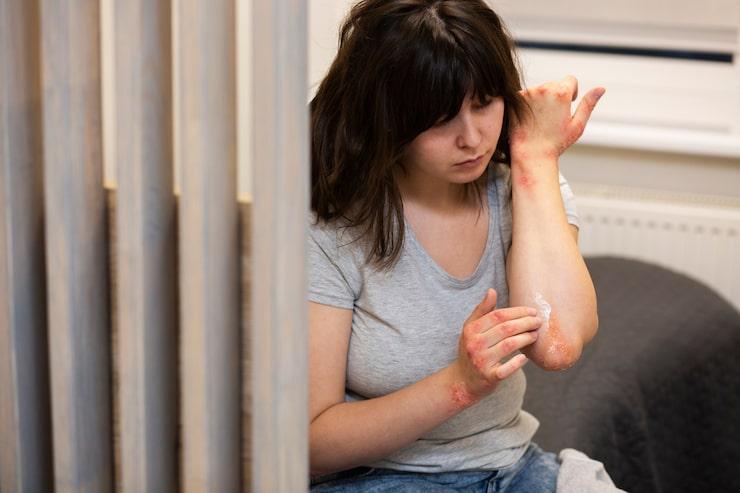
Eczema — understand the symptoms, causes, triggers, and effective treatments for this chronic skin condition. Visit Prakash Hospital Noida for dermatology care.
3 Jun 2026
by Prakash Hospital

Protect your skin barrier this winter with dermatologist-approved skincare tips and routines by Prakash Hospital.
19 Nov 2025
by Prakash Hospital

How to remove pimples — what causes acne, what works fast, and how to prevent pimples from returning. Guide from Prakash Hospital Noida.
8 Sept 2026
by Prakash Hospital

Best Indian foods for hair growth — what to eat for thicker, stronger, faster-growing hair. Guide from Prakash Hospital Noida.
4 Sept 2026
by Prakash Hospital


Book a consultation with Prakash Hospital's specialists — 24/7 emergency care, 100+ doctors, NABH accredited.
View All Departments