


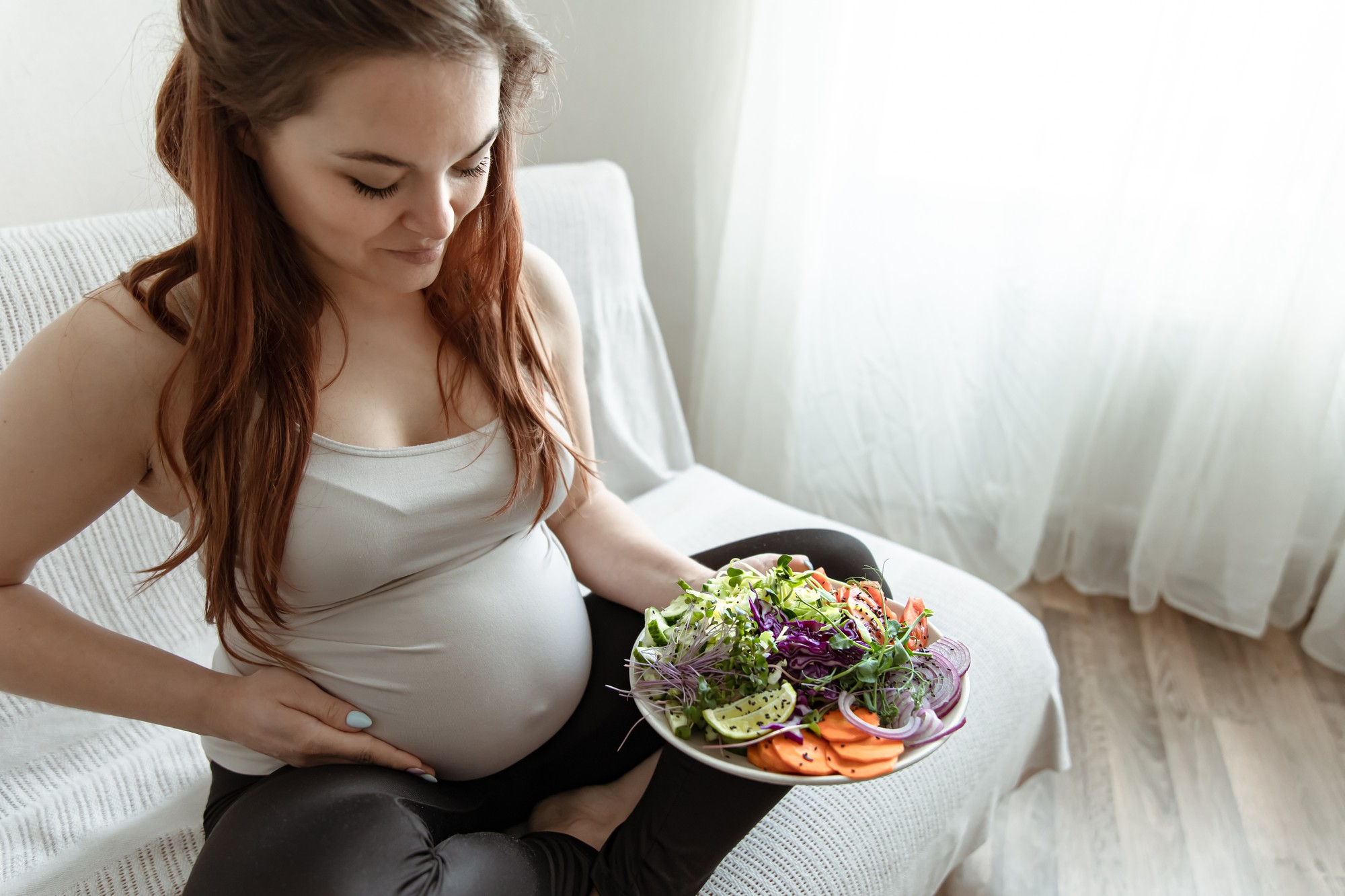
Nutrition During Pregnancy: Best Foods to Eat & Avoid for a Healthy Baby
Learn what to eat and avoid during pregnancy with expert-approved nutrition tips for a healthy mother and baby.
25 Nov 2025
by Prakash Hospital
by By Prakash Hospital

A flexible tailor's tape, read in centimetres, is the only equipment the home body fat check needs.
You can check your body fat percentage at home with a soft tape measure, a notebook and about ten minutes. The tape method (the US Navy formula) gives you an estimate that is usually within a few percentage points of a clinical measurement. A mirror check and a waist-to-height ratio can back it up. None of these will replace a DEXA scan, but they are good enough to tell you roughly where you stand and whether your plan is working.
This guide is about the practical side: exactly where to put the tape, what mistakes ruin the result, and how to combine three simple checks into a picture you can trust. If you want the full comparison of every method, from smart scales to DEXA, our main guide on how to calculate body fat percentage covers that.
Do it in the morning, after using the toilet and before eating or drinking. Wear nothing on the part you're measuring. Stand relaxed with feet together.
Stand against a wall without shoes, heels touching the wall, looking straight ahead. Mark the top of your head on the wall and measure from the floor. Write it in centimetres.
Place the tape just below your Adam's apple (the larynx) and wrap it level around your neck. Keep your head neutral. Don't look down, and don't shrug your shoulders up. The tape should touch the skin without digging in.
If you have a very thick neck from lifting weights, this method will overestimate your fat. More on that below.
This is where most people go wrong.
Breathe out normally and let your stomach relax, then read the tape. Don't pull your stomach in. Don't hold your breath. Take the measurement three times and average them. A 2 cm difference in waist can swing the answer by 2 or 3 percentage points.
Wrap the tape around the widest part of your buttocks, keeping it level with the floor.
The formulas use centimetres and a base 10 logarithm. On your phone calculator, turn it sideways to see the "log" button.
Men: Body fat % = 495 ÷ (1.0324 − 0.19077 × log10(waist − neck) + 0.15456 × log10(height)) − 450
Women: Body fat % = 495 ÷ (1.29579 − 0.35004 × log10(waist + hip − neck) + 0.22100 × log10(height)) − 450
Amit is 175 cm tall, with a 36 cm neck and an 84 cm waist.
Priya is 156 cm tall, with a 30 cm neck, 76 cm waist and 94 cm hips.
If your arithmetic doesn't match to the decimal, don't worry. Rounding at each step moves the answer by a few tenths.
This one needs no logarithms. Divide your waist (cm) by your height (cm).
Amit above: 84 ÷ 175 = 0.48. Priya: 76 ÷ 156 = 0.49. Both are under 0.5.
It's a quick screen for belly fat, and it works across heights, which a plain waist cut-off doesn't. For Indians, the waist cut-offs proposed in the research are above 90 cm for men and above 80 cm for women. If you cross those, treat it as a warning even if your ratio looks fine.
Take a front, side and back photo in the same light, in fitted clothing or underwear, with relaxed posture. Compare against reference photos of people at known body fat levels. A rough guide to what you'll see:
Men
Women
This is the least precise check. Lighting, posture and camera angle can move you five percentage points. Its real use is spotting change: take photos every four weeks and compare.
Pinch a fold of skin and fat at your side, level with the navel, about 2 cm to one side. If you can pinch more than about 2.5 cm (an inch), you probably carry a fair amount of fat. It's crude, but it's a decent reality check on a number that surprises you.
The tape method assumes your fat is mostly in your belly and your waist is mostly fat. It misleads in these cases:
In any of these cases, rely more on a DEXA scan or ask a doctor which measure fits.
Once a month is plenty. Body fat changes slowly. A healthy rate of fat loss is around 0.5 kg a week at most, which is roughly a 0.5 to 1 percentage point drop in body fat per month for most people. Measuring every few days only records noise.
Keep a simple log:
| Date | Weight | Waist | Neck | Hips | Body fat % | Notes | |---|---|---|---|---|---|---|
The notes column matters. "Period started", "slept badly", "just back from a wedding" all explain odd readings later.
For general guidance (international fitness ranges):
South Asians tend to develop diabetes, high blood pressure and fatty liver at lower body fat levels, so if you're sitting near the top of "average" with a waist above 90 cm (men) or 80 cm (women), it's worth getting basic blood tests done.
If the number is higher than you'd like, resist the urge to starve. Lose weight slowly, keep your protein up (dal, eggs, paneer, curd, fish, chicken, sprouts), lift something heavy two or three times a week, and walk daily. Sleep and stress matter more than people expect. We cover the full plan in our guide on lowering body fat percentage.
If the number is low and you weren't trying for that, or you've lost weight without meaning to, that deserves a medical check.
Use a mirror and photos for a rough band, and a waist measurement for a better one. A tape measure is the one piece of equipment worth owning.
It's an estimate. Expect it to be within a few percentage points of a lab result for most people, and further off for very muscular or very lean people.
Use the tape method with a hip measurement as well, and measure the waist at the narrowest point. Keep in mind that water retention before periods can shift readings, so try to measure at the same point of your cycle.
Yes, as long as you treat it as a trend tool. Weigh at the same time every day, with similar hydration, and ignore day-to-day swings.
Each method estimates body fat differently, and each has its own error. Three devices can show three numbers for the same person on the same day. Stick with one.
Whether you live in Sector 18, Sector 62, Greater Noida West, or anywhere nearby, Prakash Hospital Noida is a trusted name for weight management and preventive health checks in Noida. If your measurements raise questions, our physicians can look at the whole picture, including blood sugar, cholesterol, thyroid and liver health.
To book a consultation, call the number.
Tags: #BodyFatAtHome #CheckBodyFatPercentage #PrakashHospitalNoida

A magnified check of the cervix after an abnormal Pap or HPV test, with a small biopsy if needed.
Replaces a damaged shoulder ball and socket to relieve arthritis pain and help you use your arm again.
Pushes the bulge back and reinforces the weak abdominal wall with mesh, by keyhole or open surgery.
Free tools to check your weight, plan a pregnancy, track calories and more.
We offer expert care across key specialties, including Medicine, Cardiology, Orthopaedics, ENT, Gynaecology, and more—delivering trusted treatment under one roof.
Learn what to eat and avoid during pregnancy with expert-approved nutrition tips for a healthy mother and baby.
25 Nov 2025
by Prakash Hospital
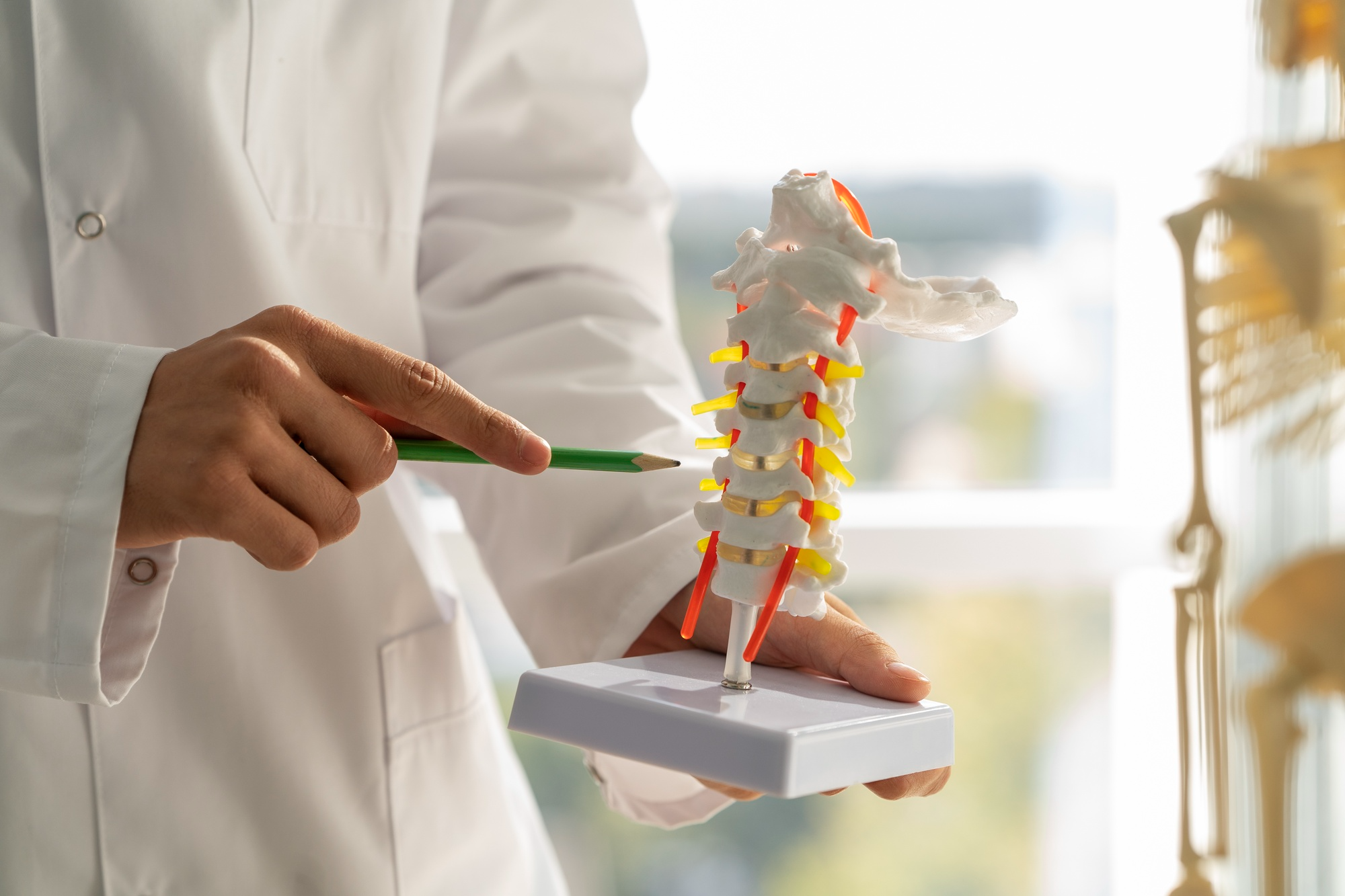
Support fracture recovery with essential nutrients like calcium, vitamin D, and protein for faster bone healing.
19 Nov 2025
by Prakash Hospital
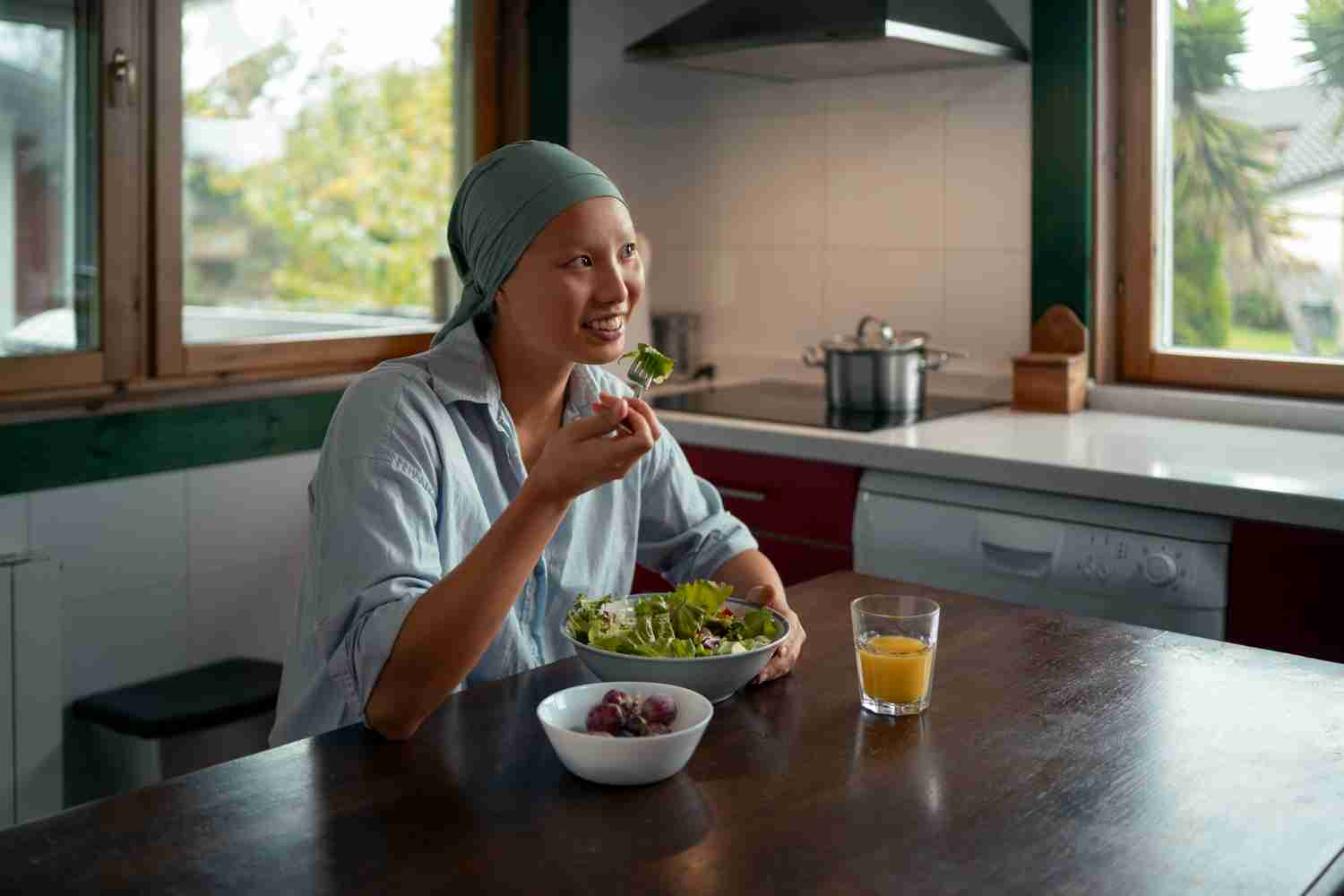
Discover expert-backed nutrition tips for cancer patients. Learn how to manage treatment side effects, stay hydrated, and eat for strength and recovery.
27 May 2025
by Prakash Hospital

Why pregnancy causes acidity and heartburn, diet and sleep changes that help, medicines doctors advise, why to skip baking soda and signs needing urgent care.
12 Oct 2026
by Prakash Hospital

How to improve egg quality for fertility — diet, supplements, and lifestyle changes backed by evidence. Prakash Hospital Noida.
23 Sept 2026
by Prakash Hospital

What to expect at 7 weeks of pregnancy: baby's size and heartbeat, common symptoms, what a first scan shows, what to eat and warning signs that need a doctor.
16 Oct 2026
by Prakash Hospital
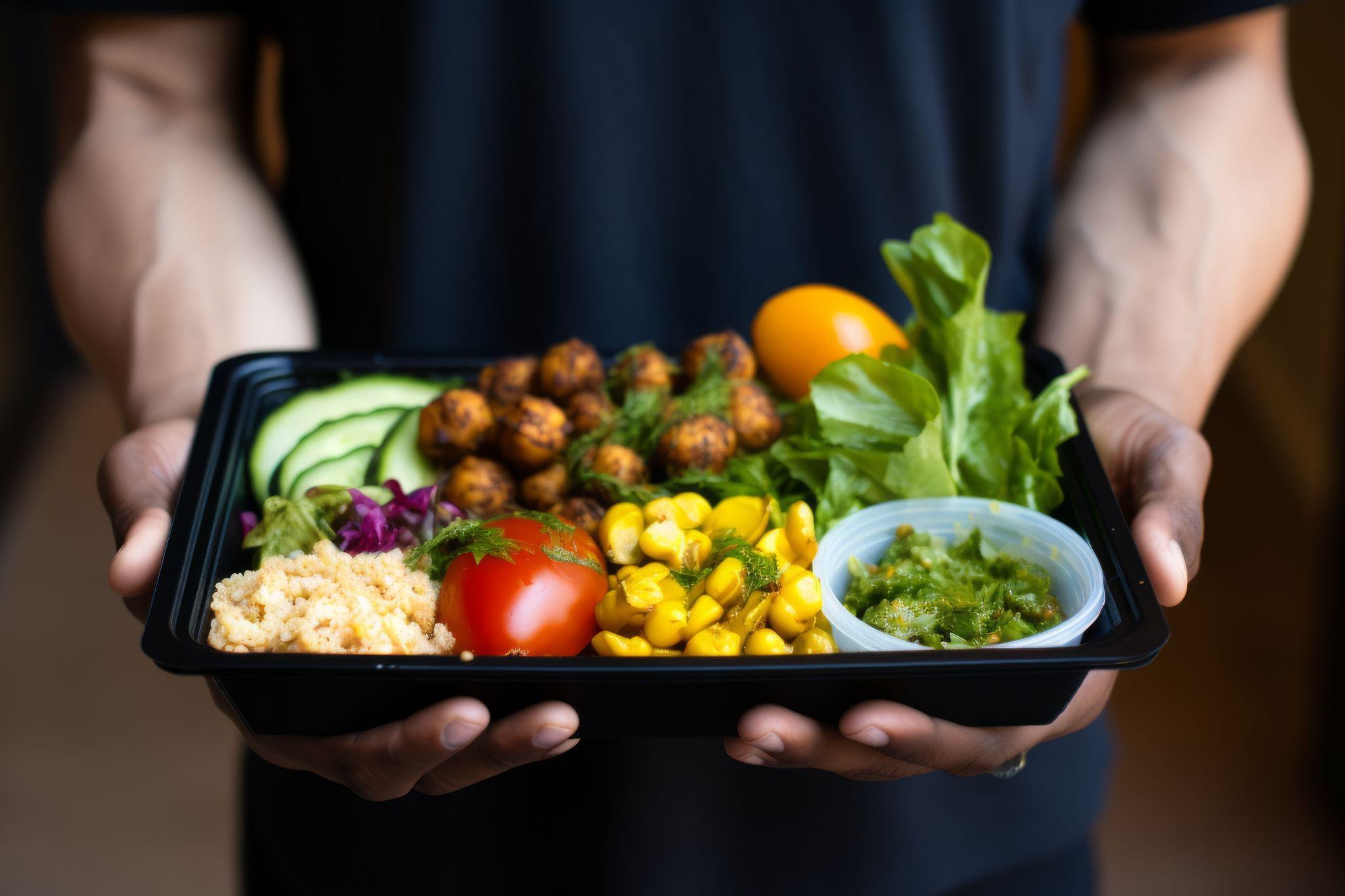
Immunity-boosting foods — the best Indian foods to strengthen your immune system naturally. Visit Prakash Hospital Noida for nutrition consultation.
3 Jul 2026
by Prakash Hospital

Omega-3 fatty acid benefits for heart, brain, joints and skin, plus the best Indian sources: hilsa, sardines, flaxseed and walnuts. Prakash Hospital Noida.
2 Oct 2026
by Prakash Hospital

TDEE is the calories you burn in a day. Learn to calculate BMR and TDEE with the Mifflin-St Jeor formula, Indian examples and tips for weight loss or gain.
21 Oct 2026
by Prakash Hospital


Book a consultation with Prakash Hospital's specialists — 24/7 emergency care, 100+ doctors, NABH accredited.
View All Departments