



Getting Better After Substance Abuse: A Journey to Healing and Hope
Learn all you need to know about recovery from substance abuse from expert counsel of the doctors at Prakash hospital, Noida.
25 Sept 2025
by Prakash Hospital
by Prakash Hospital

A person practicing yoga breathing exercises in a calm environment, highlighting natural techniques to improve focus, concentration, and mental well-being.
Most people assume concentration is a personality trait — either you have it or you don't. That's not quite right. Concentration is a skill, and like most skills, it responds to practice, habits, and the right conditions. The brain you have at 30 or 40 is not fixed. It can get sharper with the right inputs, or duller with the wrong ones.
The harder question isn't whether you can improve focus — it's why it's hard in the first place. And the honest answer is that the modern environment is specifically designed to break it. Phones interrupt every 12 minutes on average. Social media uses variable reward loops to hijack the same dopamine pathways as slot machines. Open offices, constant notifications, and the general expectation of instant availability have made sustained attention genuinely unusual.
So if you feel scattered, distracted, or mentally foggy, you're not broken. You're responding normally to an environment built for distraction. The question is what to do about it.
People use these words interchangeably, but they describe slightly different things.
Concentration is the ability to keep your attention on one thing without letting it drift. It's about staying on task once you've started — not wandering off mentally, not getting pulled away by irrelevant thoughts, not losing the thread halfway through.
Focus is about direction — choosing what to pay attention to in the first place and blocking out competing demands. It involves decision-making at the start: what matters, what gets ignored, what gets your time.
Both matter, and both can be improved. But the strategies overlap significantly, which is why this guide treats them together.
Before fixing something, it helps to understand what's breaking it. Several common culprits:
1. Sleep deprivation is probably the biggest one. Even one night of poor sleep measurably impairs attention, working memory, and decision-making. Most adults need 7 to 9 hours. Most Indian adults, particularly in cities, get considerably less.
2. Chronic stress floods the brain with cortisol. Short-term, cortisol sharpens alertness. Long-term, it damages the hippocampus and prefrontal cortex — exactly the regions responsible for attention and memory. Someone under ongoing financial, relationship, or work stress will find concentration genuinely difficult, not just annoying.
3. Nutritional gaps — particularly iron, B12, vitamin D, and omega-3 deficiencies — affect brain function. These are all common in India. Iron deficiency reduces oxygen delivery to the brain. B12 deficiency causes nerve damage. Vitamin D affects mood and cognition. Omega-3s are structural components of brain tissue.
4. Dehydration is underrated. The brain is about 73% water. A 1–2% drop in hydration — often before you feel thirsty — noticeably impairs concentration, particularly in warm climates like ours.
5. Phone habits deserve special mention. Research from the University of Texas found that simply having a smartphone on your desk — even face-down, even switched off — reduced cognitive capacity in measurable ways. The brain was expending resources managing the temptation.
6. Underlying health conditions sometimes cause poor concentration: thyroid disorders, anemia, depression, anxiety, ADHD, sleep apnea. If concentration problems are severe, recent in onset, or accompanied by other symptoms, a medical evaluation makes sense.
These aren't quick fixes. They're the foundation. Skip them and the tactical strategies below won't do much.
Sleep is when the brain consolidates memories, clears metabolic waste, and restores the capacity for focused attention. There's no supplement, technique, or biohack that compensates for chronic short sleep.
Practical improvements:
Most people who fix their sleep notice concentration improvements within a few days. It's that responsive.
Aerobic exercise increases blood flow to the prefrontal cortex and releases BDNF (brain-derived neurotrophic factor) — a protein that supports the growth and connection of neurons. Research shows that even a 20-minute walk before a task measurably improves attention and cognitive performance on that task.
You don't need an intense gym routine. Brisk walking for 30 minutes most days is genuinely enough to see cognitive benefits. The effect is immediate and cumulative.
The brain consumes about 20% of the body's energy on roughly 2% of its mass. What you feed it matters.
Foods that support concentration:
Foods that impair concentration:
Eating smaller, regular meals tends to keep blood glucose steadier, which means more consistent mental energy through the day.
Drink water consistently through the day rather than waiting until you're thirsty. In Indian conditions, 2.5 to 3 litres is typically sufficient. Coconut water is excellent if you're working in heat. Green tea is useful — modest caffeine plus L-theanine, which has a calming effect that balances the stimulation.
With lifestyle as the foundation, these techniques can make a significant difference.
Work in 25-minute focused blocks with 5-minute breaks. After four blocks, take a 20–30 minute longer break. The premise is simple: concentration has limits, and trying to push through them produces diminishing returns. Scheduled breaks counterintuitively increase total productive output.
The time interval is adjustable. Some people do better with 40-minute blocks. Find what works for you and stick to it.
Multitasking is a myth in terms of sustained cognitive performance. The brain doesn't actually do two things at once — it switches rapidly between tasks, and each switch carries a cognitive cost. Research from Stanford found that people who considered themselves good at multitasking were measurably worse at filtering irrelevant information than those who focused on one thing at a time.
Close the extra tabs. Put the phone in another room. Do one thing, finish it or reach a natural pause, then move to the next.
Don't rely on willpower to resist distractions in the moment — willpower is a finite resource and the environment usually wins. Remove the distractions before you sit down to work:
Schedule specific blocks of time for specific types of work in your calendar. Not just "study" or "work" — be specific. "Write report introduction, 9–10am." "Review case files, 10:30–11:30am." Vague intentions produce vague effort.
If something will take under two minutes, do it immediately. If it will take longer, schedule it. This prevents the mental accumulation of small pending tasks that fragment attention.
Before starting a focused session, spend two minutes on controlled breathing: inhale for 4 counts, hold for 7, exhale for 8. This activates the parasympathetic nervous system, reduces cortisol, and primes the brain for calm, sustained attention. Takes literally two minutes and has a noticeable effect on focus quality.
Where you work matters more than most people realise. A desk near a window with natural light is better than a dim corner. Plants in the workspace have been shown to improve concentration. Temperature around 22°C tends to support cognitive performance. Clutter competes for visual attention — a cleaner workspace genuinely helps.
Not all "brain training" holds up. Here's what actually has research support:
1. Meditation and mindfulness have the most robust evidence. Studies show that regular meditators develop measurable structural changes in the prefrontal cortex — more grey matter in the regions responsible for sustained attention. Even eight weeks of daily 10-minute sessions shows measurable effects. Apps like Headspace or Insight Timer work. So does simply sitting quietly and watching your breath for 10 minutes.
2. Reading long-form content trains sustained attention in a way that social media and short-form content don't. Long novels, long-form journalism, textbooks — anything that requires you to hold multiple threads in mind simultaneously. The brain adapts to what it practices.
3. Puzzles and games that require sustained attention: Chess, crosswords, Sudoku, strategy games. The key is that they require holding information in working memory while making decisions — not just passive entertainment.
4. Learning a new skill — a language, a musical instrument, a new sport — forces the creation of new neural connections. This has broader cognitive benefits beyond the skill itself.
If you've improved sleep, diet, exercise, and environment, and concentration is still consistently poor:
1. Rule out medical causes. A blood test covering hemoglobin, B12, vitamin D, TSH (thyroid), and fasting glucose rules out the most common medical contributors to poor concentration. These are inexpensive, and deficiencies are treatable.
2. Consider mental health. Anxiety and depression both severely impair concentration. Anxiety floods working memory with worry. Depression slows processing and flattens motivation. These are medical conditions, not character flaws, and they respond to treatment.
3. Consider ADHD. Adult ADHD is more common and more underdiagnosed than most people realise. If concentration has always been a significant struggle — across contexts, since childhood — it's worth discussing with a doctor.
4. Examine workload and stress. Sometimes the problem isn't the brain — it's that the workload is genuinely unmanageable, or the stress is genuinely overwhelming. No concentration strategy fixes an unsustainable schedule.
Like any habit, concentration builds incrementally. A few principles:
Start with short blocks. If 25 minutes feels hard, start with 10. Build the muscle before demanding more of it.
Be consistent rather than intense. Daily practice of 30–45 minutes of single-tasking is more valuable than occasional marathon sessions.
Track and notice. After a focused work session, note what helped and what interfered. Patterns emerge quickly.
Expect fluctuation. Concentration varies with sleep quality, hormones, illness, life stress. A bad focus day isn't a failure — it's data.
Be patient. The lifestyle changes that support brain health — sleep, exercise, diet, stress management — take weeks to months to show their full effect. The techniques provide faster results but the foundation matters more long-term.
Persistent difficulty with concentration sometimes has treatable medical causes — vitamin deficiencies, thyroid dysfunction, anemia, sleep disorders, anxiety, or depression. At Prakash Hospital Noida, our physicians provide comprehensive evaluation including blood tests, specialist consultations, and guidance on both medical and lifestyle approaches to cognitive health.
Whether you're in Sector 18, Sector 62, Greater Noida West, or anywhere in the region, Prakash Hospital Noida is a trusted name for general health and wellness care in Noida.
To book a consultation, call the number.
Improving concentration is mostly about removing what interferes with it — poor sleep, chronic stress, nutritional deficiencies, digital distraction — and building habits that support it. The brain responds well to this. It doesn't need fancy supplements or expensive equipment.
Sleep more. Exercise regularly. Eat real food. Put your phone in another room when you need to think. Work in structured blocks with planned breaks. Meditate for 10 minutes a day.
None of this is complicated. Most of it is free. Doing it consistently is the hard part — but that's true of most things worth doing.
Tags: #HowToImproveConcentration #HowToImproveFocus #PrakashHospitalNoida

Realigns and rebuilds a joint damaged by injury, deformity or earlier surgery, keeping your own joint.
Frees a trapped spinal nerve by removing slipped disc or bone, easing sciatica and leg pain.
A thin needle sample of liver tissue to diagnose liver disease and measure scarring when other tests can't.
Free tools to check your weight, plan a pregnancy, track calories and more.
We offer expert care across key specialties, including Medicine, Cardiology, Orthopaedics, ENT, Gynaecology, and more—delivering trusted treatment under one roof.
Learn all you need to know about recovery from substance abuse from expert counsel of the doctors at Prakash hospital, Noida.
25 Sept 2025
by Prakash Hospital

पेट की खराब सेहत से जुड़ी समस्याएं जैसे गैस, एसिडिटी, कब्ज़ और IBS क्यों होती हैं? जानिए इनके कारण, लक्षण और सही इलाज के उपाय Prakash Hospital।
13 Jan 2026
by Prakash Hospital
Learn all about the early signs of dementia and when to seek medical help with expert insight from the doctors at Prakash Hospital, Noida.
7 Oct 2025
by Prakash Hospital
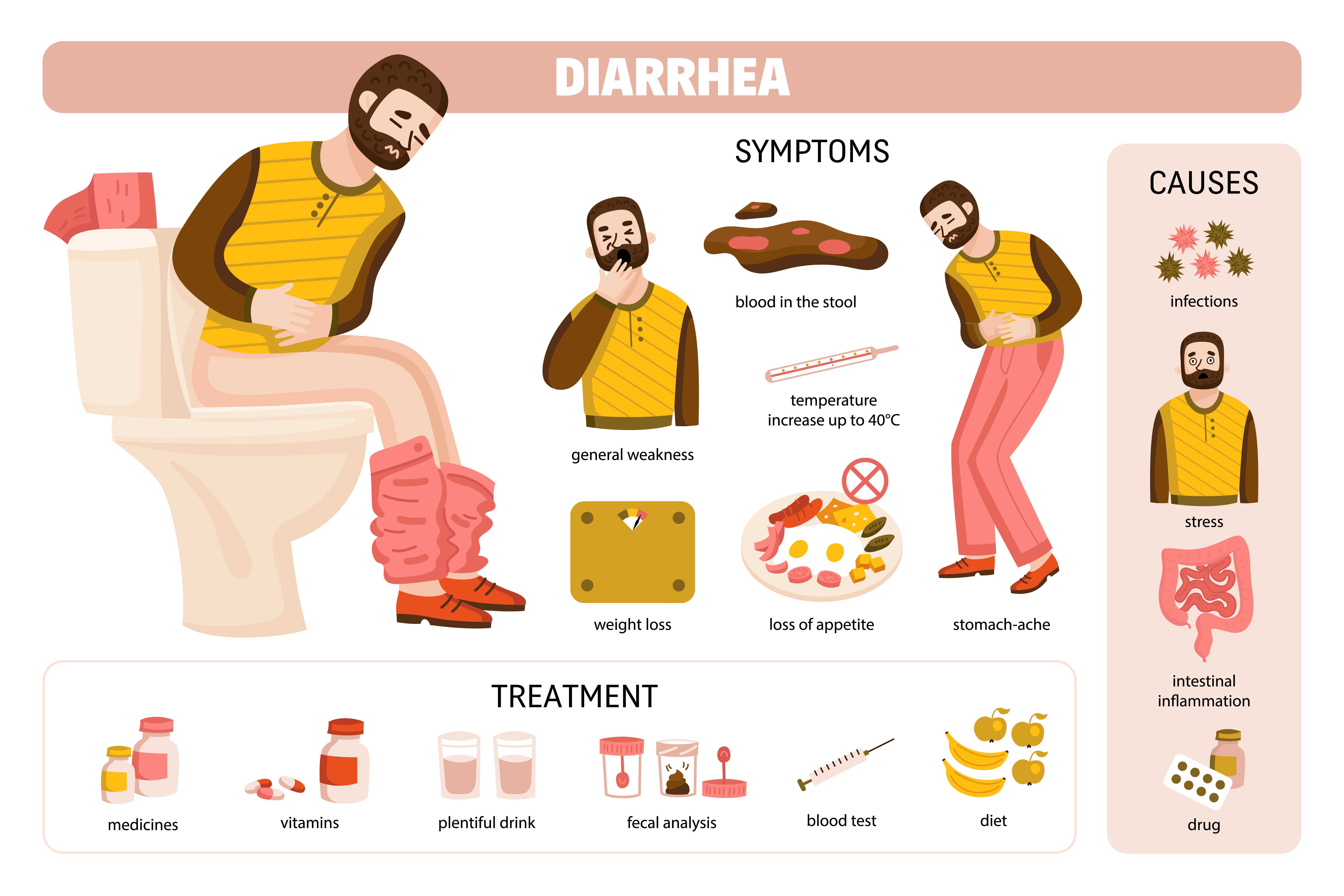
How to relieve constipation with Indian diet, home remedies, and when to see a doctor. Practical guide from Prakash Hospital Noida.
15 Sept 2026
by Prakash Hospital

IBS symptoms, causes, triggers, and management. What is irritable bowel syndrome and how to live with it. Prakash Hospital Noida.
15 Sept 2026
by Prakash Hospital

Learn about intestinal pain, its causes, warning signs, associated symptoms, and when to seek medical attention.
13 Feb 2026
by Prakash Hospital


Book a consultation with Prakash Hospital's specialists — 24/7 emergency care, 100+ doctors, NABH accredited.
View All Departments