


Foods That Improve Brain Power and Memory
Best Indian foods for brain power, memory, and focus. What to eat to sharpen your mind naturally. From Prakash Hospital Noida.
27 Jul 2026
by Prakash Hospital
by Prakash Hospital

An elderly man with artistic, colorful leaves emerging from his head symbolizes memory or cognitive imagination.
Memory is strange. Most people remember the smell of their grandmother's kitchen from thirty years ago but can't recall what they had for lunch three days back. They remember the lyrics to songs they haven't heard in a decade but forget a colleague's name thirty seconds after being introduced.
That's not random. Memory is selective, associative, and highly responsive to emotional context. And the good news is that it's also trainable. The brain forms new neural connections throughout life — a property called neuroplasticity — which means memory isn't fixed the way many people assume.
What memory power actually means is the ability to encode information effectively, store it properly, and retrieve it when needed. Each stage can be improved. Here's what the evidence says about how.
Normal life interferes with memory in predictable ways:
1. Stress is one of the biggest. Cortisol, the main stress hormone, impairs the hippocampus — the brain's memory-sorting centre. Under chronic stress, people genuinely encode less, consolidate less during sleep, and retrieve less efficiently. It's not imagined.
2. Sleep deprivation hits memory hard. During deep sleep, the brain replays and consolidates memories from the day, moving them from short-term to long-term storage. Cut sleep short and that process is cut short with it. Most people know this intuitively — try remembering the details of a presentation you prepared after a night of three hours' sleep.
3. Nutritional deficiencies are extremely common in India and frequently affect memory. B12 deficiency causes nerve damage and is associated with memory problems, confusion, and cognitive decline. Iron deficiency reduces oxygen to the brain. Vitamin D affects mood and cognitive function. These are blood tests away from diagnosis and largely reversible with supplementation.
4. Dehydration impairs working memory faster than most people expect. Even mild dehydration — around 2% of body weight — measurably slows recall.
5. Distraction at the time of encoding is underappreciated. If you weren't paying attention when you heard something, you never encoded it properly. It was never in memory to retrieve. What feels like forgetting is often never-remembering in the first place.
Normal ageing does slow some memory functions, particularly processing speed and the recall of names and specific words. But significant memory decline is not inevitable — and most factors that accelerate it are modifiable.
When to see a doctor: if memory problems are recent, rapidly worsening, affecting daily function, or accompanied by confusion, personality changes, or difficulty with familiar tasks, get evaluated. These can indicate treatable conditions including thyroid problems, vitamin deficiencies, depression, or, in older adults, early cognitive changes that benefit from early assessment.
Three brain regions matter most:
The hippocampus organises and stores new memories, particularly facts and events. It's the structure most affected by stress and most improved by exercise.
The prefrontal cortex handles working memory — the mental scratch pad where you hold information briefly while using it. When you dial a number you just looked up, that's working memory. It's responsible for concentration and the ability to retrieve memories deliberately.
The amygdala tags memories with emotional significance. Strong emotions make memories stick — which is why you remember where you were during important events but not what you had for breakfast that day.
Understanding this helps make sense of the strategies below. Most of them work by improving conditions in one or more of these regions.
This is the single highest-leverage change for most people. Seven to nine hours of quality sleep supports memory consolidation, clears beta-amyloid waste from the brain, and maintains hippocampal function.
If sleep is poor, everything else becomes harder. There is no shortcut around this.
Regular aerobic exercise increases the volume of the hippocampus — one of the most striking findings in neuroscience over the past two decades. It also promotes BDNF (brain-derived neurotrophic factor), which supports the formation of new synaptic connections.
You don't need to run marathons. A 30-minute brisk walk five days a week produces measurable hippocampal volume increases over months. That's walking. Free, accessible, and powerful.
Omega-3 fatty acids (especially DHA) are structural components of neuron membranes. Low DHA is associated with impaired memory. Sources: fatty fish (pomfret, sardines, salmon), walnuts, flaxseeds, chia seeds.
Antioxidants reduce oxidative stress that damages brain cells over time. Sources: berries, amla, dark chocolate, green tea, colourful vegetables.
B vitamins — B6, B9 (folate), and B12 — are essential for neurotransmitter function and nerve health. B12 is especially critical; deficiency is common in vegetarians and older adults.
Iron carries oxygen to the brain. Deficiency is widespread in India and directly impairs cognitive function.
Turmeric (curcumin) has some evidence for reducing inflammation and may support memory, particularly in older adults. Cooking with it daily is the simplest approach.
Given cortisol's direct effect on the hippocampus, stress management isn't a wellness cliché — it's a memory strategy.
Meditation has the most evidence. Consistent meditators show structural differences in prefrontal cortex thickness and hippocampal grey matter density. Ten minutes a day is enough to start seeing effects within a few weeks.
Yoga, pranayama, adequate sleep, social connection, and simply reducing chronic overcommitment all help lower baseline cortisol.
These are strategies for encoding and retrieving information more effectively — independent of the lifestyle factors above. Together, they're much more powerful.
Cramming works briefly. It fails quickly. The brain prioritises information it encounters repeatedly over time.
Spaced repetition is the practice of reviewing material at increasing intervals: after one hour, then one day, then three days, then one week, then one month. Each review strengthens the memory trace. Apps like Anki are built around this principle. Used consistently, it produces dramatically better long-term retention than any other study method.
Re-reading notes is passive. Testing yourself is active. Active recall — trying to remember information without looking at it — strengthens memory traces far more than passive review.
Flashcards, practice questions, teaching concepts out loud, writing summaries from memory without referring to notes. All of these work better than re-reading.
The brain handles information better in meaningful groups than long strings. Phone numbers are chunked into 3-4 digit groups for a reason. Memory for long sequences improves when they're grouped into familiar patterns.
When learning new information, organise it into categories, hierarchies, or clusters. It's easier to remember 10 items organised into 3 categories than 10 items in a list.
New information sticks better when connected to something you already know. This is why meaningful learning beats rote repetition — understanding the why and how creates more hooks for retrieval.
When learning something new, ask: what does this connect to that I already know? What does it remind me of? What's surprising about it? Each question creates more association pathways.
An ancient technique with strong research support. Associate items you want to remember with specific locations in a familiar place — your home, your route to work, your school. Mentally walk through the locations in order to retrieve the items.
It sounds odd but it genuinely works, particularly for ordered lists and speeches. Memory champions use this technique almost universally.
Research consistently shows that handwriting notes produces better retention than typing. Typing is fast enough that you can transcribe verbatim without thinking. Writing forces you to process and summarise, which is where encoding actually happens.
If you're studying, write key points by hand. The slowness is the point.
Explaining something to someone else forces you to organise your understanding and identify gaps. The act of retrieving and structuring the information strengthens memory. If you don't have a study partner, explaining to yourself out loud works almost as well.
Studying before sleep and then sleeping is more effective than studying and staying awake. The consolidation that happens during sleep works on whatever was in working memory most recently. Time your important study sessions in the evening if your schedule allows.
Supplements marketed as memory boosters — the evidence for most commercially available brain supplements is thin to nonexistent. Some B vitamins and omega-3s are genuinely helpful, but only if you're deficient. Fancy branded products rarely add anything a proper diet and sleep don't already provide.
Multivitamin megadosing doesn't improve memory in people who aren't deficient. More is not better.
Repeated re-reading is the most common study strategy and one of the least effective. It creates familiarity, which the brain confuses with actual retention.
Highlighting alone, without active recall or elaboration, produces minimal memory benefit.
Playing 'brain training' games improves performance on those specific games but generally doesn't transfer to real-world memory function. The exception is games that specifically train working memory in challenging ways — not simple casual games.
If memory problems feel out of proportion to lifestyle factors, ask a doctor about:
TSH test — thyroid disorders (especially hypothyroidism) cause cognitive slowdown and memory issues. Common, treatable, often missed.
B12 level — especially in vegetarians, older adults, and metformin users. B12 deficiency causes neurological damage that presents as memory problems, confusion, and numbness.
Hemoglobin and iron — anemia impairs cognitive function consistently.
Vitamin D — deficiency is associated with cognitive decline and depression, both of which affect memory.
Blood glucose — poorly controlled diabetes and even prediabetes affect brain function.
Depression and anxiety — both severely impair memory and concentration. Treating the mental health condition often resolves the apparent memory problem.
Sleep apnea — disrupted sleep architecture prevents proper memory consolidation. Often undiagnosed.
These are standard blood tests and a straightforward evaluation — not expensive or complicated.
If you want to improve memory power and don't know where to begin, start here:
Most people who do all seven of these see clear memory improvement within four to six weeks.
Memory problems with a medical cause — thyroid dysfunction, B12 deficiency, anemia, sleep disorders, depression, or early cognitive changes — benefit from proper evaluation and treatment. At Prakash Hospital Noida, our physicians can assess memory concerns with appropriate blood tests and specialist referral where needed.
Whether you're in Sector 18, Sector 62, Greater Noida West, or anywhere in the NCR, Prakash Hospital Noida is a trusted name for general health, neurology, and cognitive wellness in Noida.
To book a consultation, call the number.
Tags: #HowToImproveMemoryPower #MemoryBoost #PrakashHospitalNoida

Records the brain's electrical activity through scalp electrodes to help diagnose epilepsy and seizures.
Round-the-clock emergency scans and treatment for stroke, followed by rehabilitation and prevention.
Collects spinal fluid from the lower back to diagnose meningitis, bleeding around the brain and nerve inflammation.
Free tools to check your weight, plan a pregnancy, track calories and more.
We offer expert care across key specialties, including Medicine, Cardiology, Orthopaedics, ENT, Gynaecology, and more—delivering trusted treatment under one roof.
Best Indian foods for brain power, memory, and focus. What to eat to sharpen your mind naturally. From Prakash Hospital Noida.
27 Jul 2026
by Prakash Hospital

Discover how chronic stress impacts brain function, memory, focus, and mental health, and learn ways to reduce its long-term effects.
19 Dec 2025
by Prakash Hospital

Improve memory and focus with proven daily habits that support long-term brain health and cognitive function.
27 Nov 2025
by Prakash Hospital
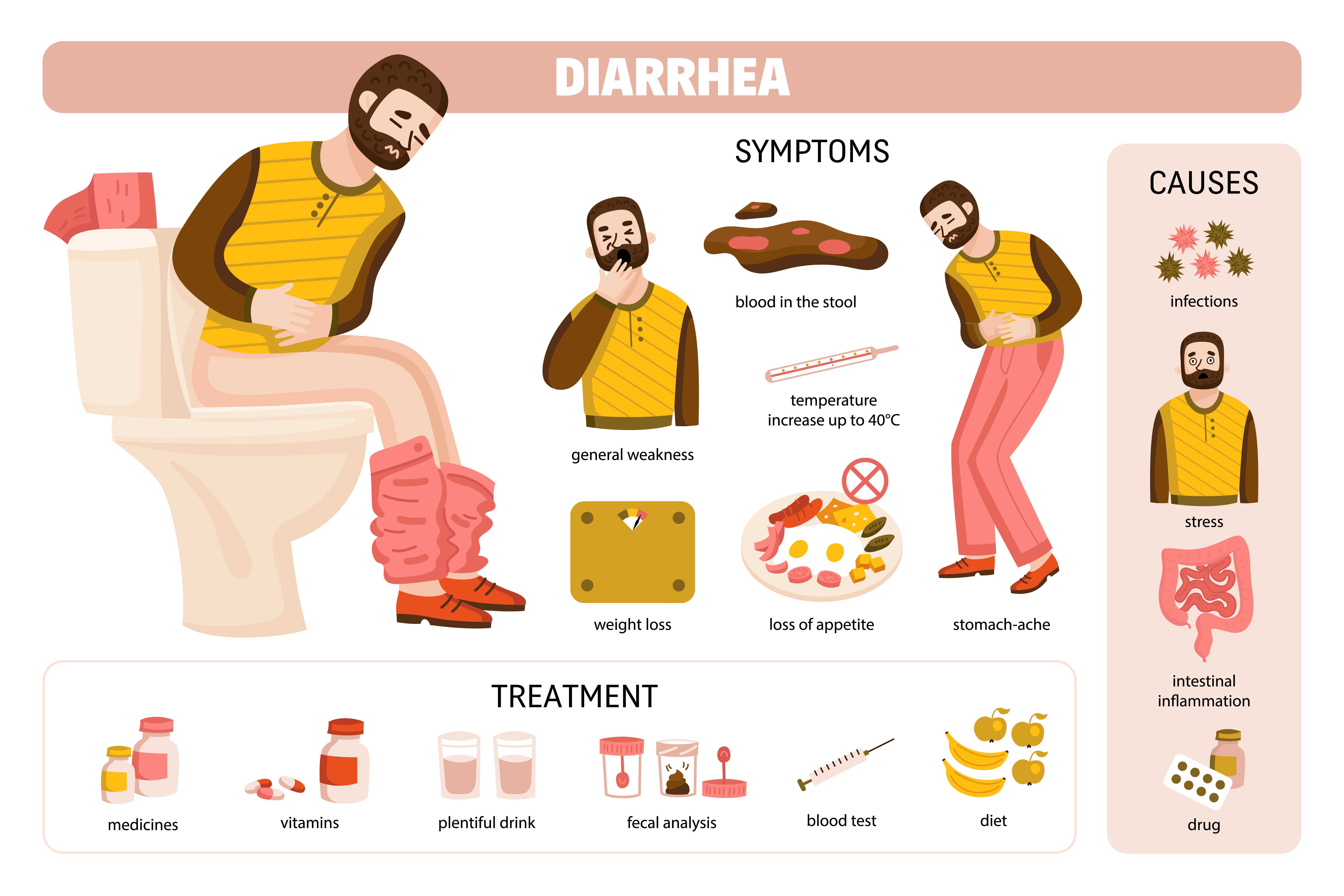
How to relieve constipation with Indian diet, home remedies, and when to see a doctor. Practical guide from Prakash Hospital Noida.
15 Sept 2026
by Prakash Hospital

Detailed guide on gut health, gut microbiome imbalance, symptoms of poor gut health and scientifically proven ways to improve digestive health.
19 Feb 2026
by Prakash Hospital

Gastritis symptoms — what inflamed stomach lining feels like, what causes it, and what actually helps. Prakash Hospital Noida.
16 Sept 2026
by Prakash Hospital

Understand nerve injury symptoms, causes, and recovery options with expert evaluation and treatment from Prakash Hospital, Noida.
15 Oct 2025
by Prakash Hospital

Understand brain fog symptoms, causes, and treatment strategies to restore mental clarity and focus.
26 Nov 2025
by Prakash Hospital
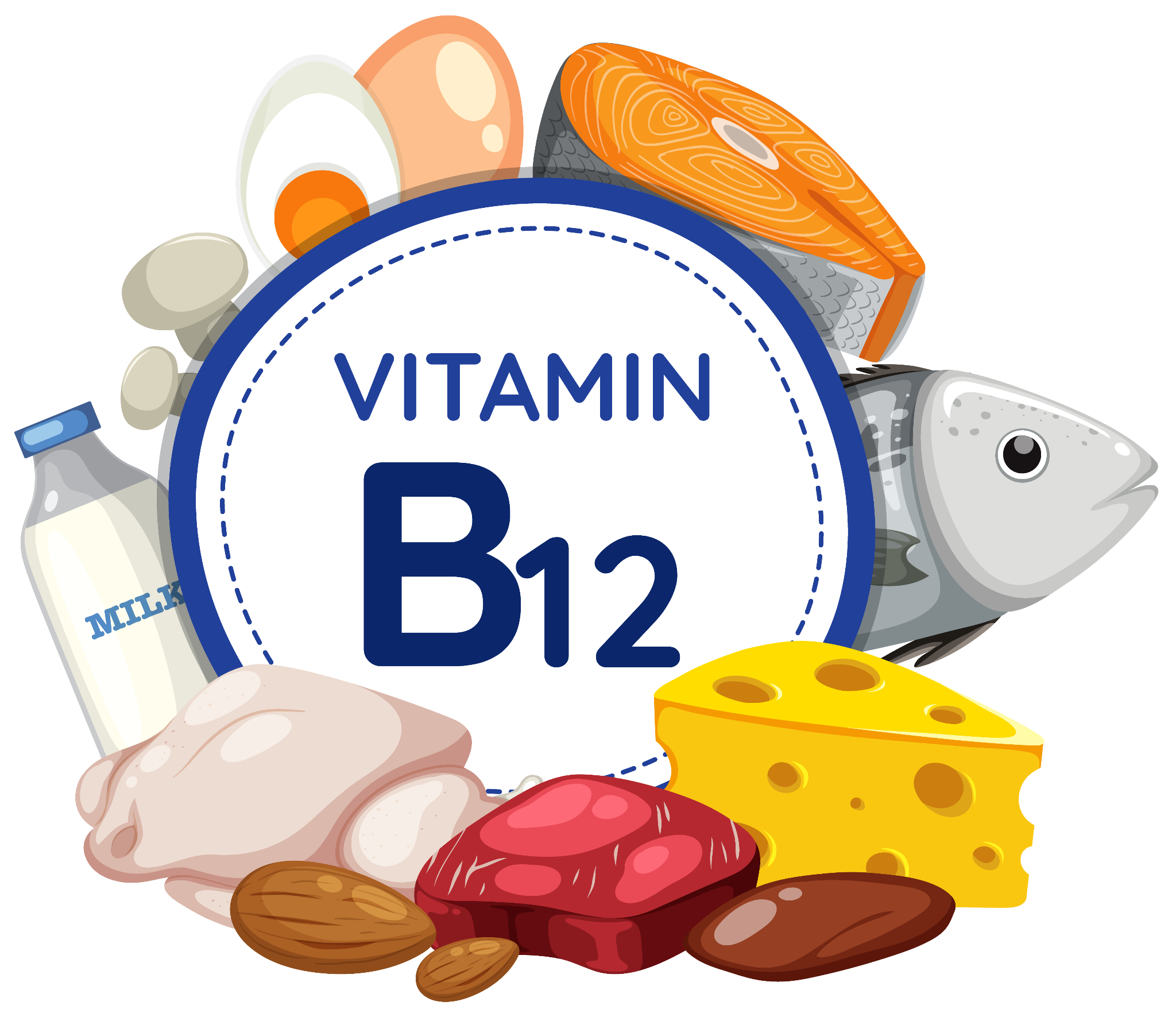
Learn how Vitamin B12 deficiency affects energy, nerves, and mood. Discover symptoms, causes, and treatment at Prakash Hospitals.
3 Nov 2025
by Prakash Hospital


Book a consultation with Prakash Hospital's specialists — 24/7 emergency care, 100+ doctors, NABH accredited.
View All Departments