


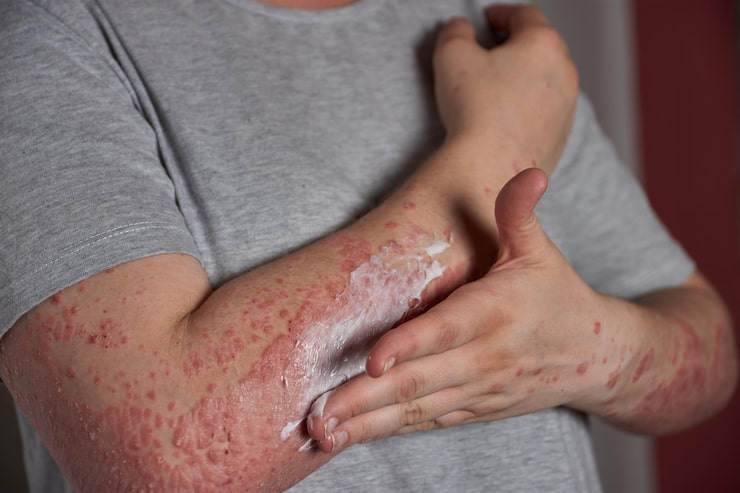
Signs, symptoms, and treatment options for Psoriasis
Learn all you need to know about Psoriasis from signs to treatment with expert insight from the professionals at Prakash Hospital, Noida.
7 Oct 2025
by Prakash Hospital
by Prakash Hospital
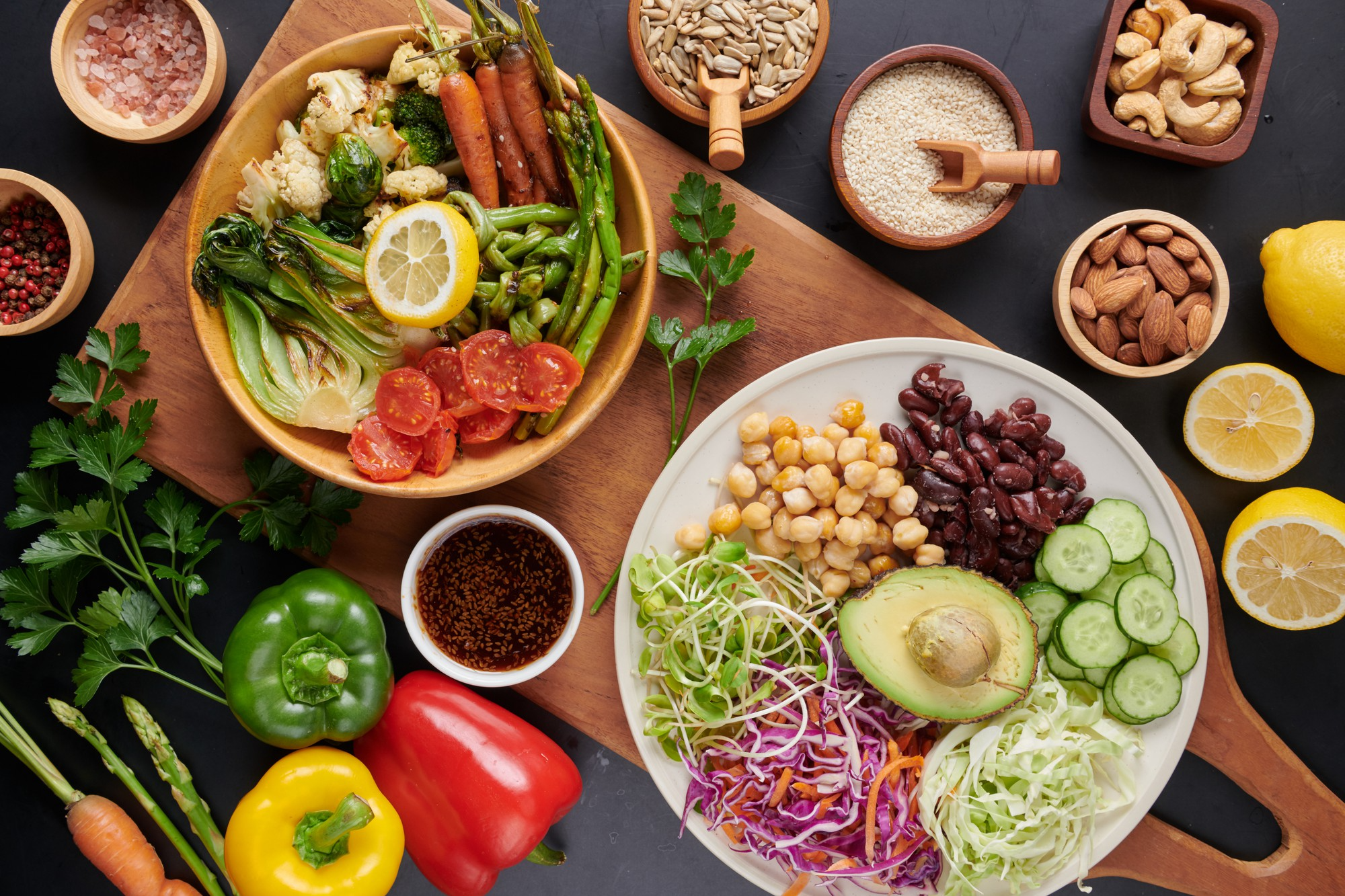
A colourful assortment of healthy foods, including fresh fruits, vegetables, whole grains, dairy and protein-rich options, highlighting balanced nutrition for health.
Gout has a reputation as an old-fashioned disease of excess — something that affected kings who ate too much rich food and drank too much wine. It's not quite that simple, and it's not as rare as people think. A 2023 multi-centre Indian study found hyperuricemia (high uric acid) in 22.5% of people with hypertension across 12 Indian centres. Uric acid problems are genuinely common, increasingly so with changing diets and rising obesity rates.
The good news is that diet and lifestyle changes move uric acid levels meaningfully. They won't replace medication in severe cases, but they reduce the frequency of attacks, slow joint damage, and in mild cases, bring levels into the normal range without drugs.
Uric acid is a natural waste product formed when the body breaks down purines — compounds found in certain foods and naturally present in all cells. Normally, uric acid dissolves in the blood, passes through the kidneys, and leaves the body in urine.
Problems develop when either too much uric acid is produced, or the kidneys don't excrete it efficiently enough, or both. Uric acid then accumulates in the blood (hyperuricemia). When levels are high enough, uric acid forms sharp needle-like crystals that deposit in joints and surrounding tissue.
These crystals cause gout — sudden, severe joint pain, usually starting in the big toe or other joints in the foot, ankle, or knee. The pain is notoriously intense. Many gout sufferers describe it as unbearable even to the touch of a sheet.
Over time, deposits can also form in kidneys (causing kidney stones), under skin (tophi), and damage joint cartilage.
In blood tests:
Levels above 6.8 mg/dL are considered hyperuricemic and associated with crystal formation risk. Below 6 mg/dL is the treatment target for people who already have gout.
Diet: organ meats, red meat, beer, sugary drinks with fructose, and excessive dal in large quantities all raise uric acid.
Dehydration: reduces kidney excretion of uric acid. Very common in Indian climate.
Obesity: excess weight increases uric acid production and reduces excretion.
Alcohol: particularly beer — beer contains purines AND alcohol. Alcohol slows kidney excretion of uric acid. Even two beers can trigger an attack in someone with high levels.
Medications: diuretics (water tablets), aspirin at low doses, some blood pressure medications.
Fasting or crash dieting: rapid weight loss temporarily raises uric acid — a significant counterintuitive risk for people who diet aggressively.
Kidney disease: impaired kidney function reduces uric acid excretion.
Metabolic syndrome and insulin resistance: increasingly recognised as uric acid contributors.
Family history: genetic factors affect how much uric acid the body produces and how efficiently it excretes it.
Drink more water. This is the most impactful and most underutilised dietary change for uric acid. The kidneys excrete uric acid in urine — more water means more urine, which means more uric acid removed from the blood.
Aim for 10 to 12 glasses (2.5 to 3 litres) daily. More in hot weather or when physically active. Urine should be light yellow — darker urine indicates dehydration and impaired uric acid excretion.
Start with warm water on waking. Keep water visible through the day. Spread intake evenly rather than drinking a large amount at once.
Liver, kidney, brain (goat, chicken, or beef) are the highest-purine foods available. A single serving can significantly spike uric acid. People with gout or established hyperuricemia should eliminate these.
Mutton, beef, lamb. These are high in purines. If non-vegetarian, limit red meat to once a week and avoid entirely during a gout attack.
Beer is the worst drink for uric acid — it contains purines and alcohol simultaneously, creating a double hit on uric acid levels. Spirits are somewhat less problematic but still impair kidney excretion. Wine is least associated with gout in research but should still be limited.
During a gout attack: no alcohol at all.
Fructose is converted to uric acid by the liver. Sugary soft drinks, packaged fruit juices, and sweetened beverages raise uric acid through fructose loading. This is increasingly recognised as a major driver of hyperuricemia in urban India alongside dietary purine intake.
Prawns, crabs, mussels, anchovies, sardines, mackerel, herring. These are high-purine seafood. For people with gout, limit or avoid. Low-mercury fish like rohu, pomfret (in moderate amounts) are acceptable.
Dal in normal dietary amounts (one to two servings daily) is fine for most people with uric acid issues. Dals are moderate in purines, and the evidence that vegetable-source purines raise gout risk is weak compared to animal-source purines. But three or more large bowls daily can cumulatively contribute.
Cherries are the most studied food for gout prevention — multiple studies show they reduce gout attack frequency. They contain anthocyanins with anti-inflammatory and uric acid-lowering properties. Jamun (Indian blackberry), available June to August, has similar compounds. Eat fresh jamun in season. Even small amounts daily are helpful.
Milk and curd (dahi) actively help the kidneys excrete uric acid. Several studies associate dairy consumption with lower uric acid levels. Toned or skim milk, curd, buttermilk — these are both safe protein sources (replacing high-purine animal protein) and active uric acid reducers.
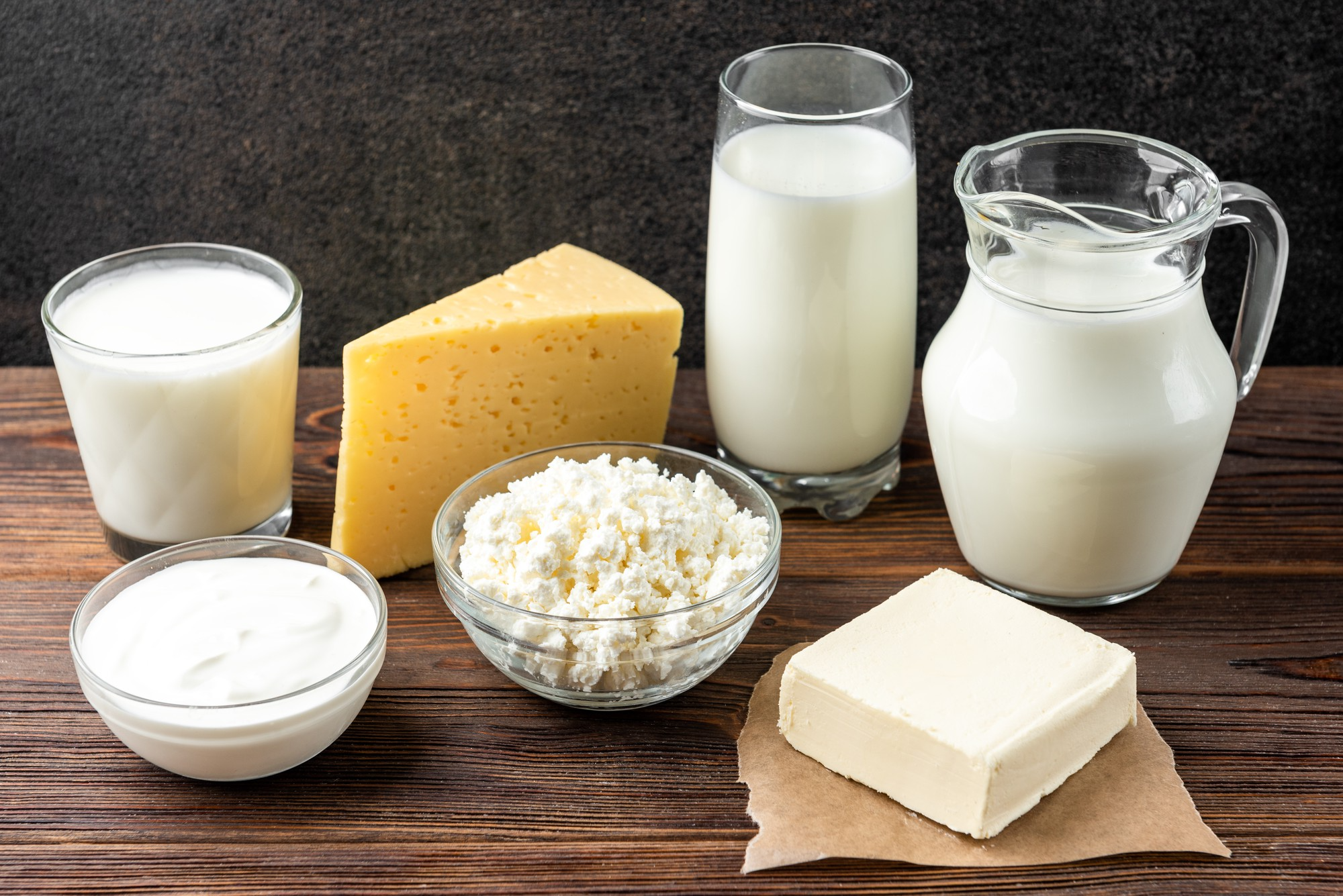
Sources of calcium including milk, cheese, yogurt, dairy products and fortified foods.
Despite some vegetables having moderate purine content (spinach, peas, asparagus), research consistently shows that vegetable-source purines don't raise gout risk in the way animal-source purines do. Eat vegetables freely. The fibre and antioxidants are beneficial.
High in vitamin C. Vitamin C supplementation is associated with lower uric acid levels — it promotes kidney excretion. Amla is one of the richest natural sources. Eat it fresh or as amla powder.
Research consistently associates coffee consumption with lower uric acid levels. Coffee slows purine breakdown and speeds uric acid excretion. This doesn't mean adding multiple sugary coffees — plain black coffee or with minimal sugar.
Oats, brown rice, whole wheat. A 2025 study in Arthritis Care & Research found that eating whole grain cereals and oatmeal significantly lowered gout risk. Whole grains are lower in purines than refined grains and help manage blood sugar.
Cucumbers, watermelon, lauki (bottle gourd), tinda, parwal. The high water content helps kidney excretion. These are also low in purines.
Obesity raises uric acid both through increased production and reduced excretion. Weight loss helps significantly — but do it slowly. Crash dieting or fasting temporarily raises uric acid as cells break down rapidly and release purines. Aim for 0.5 kg per week maximum.
Regular moderate exercise (brisk walking, cycling, yoga) improves uric acid excretion and helps with weight management. Avoid very intense exercise during an active gout attack — joint stress worsens the attack.
Any situation that dehydrates — heat, sweating, fever, diarrhoea — temporarily raises uric acid. Hydration management in summer is particularly important in India.
Beyond sugary drinks, be aware of hidden fructose in packaged foods, sauces, and processed snacks. Read labels.
During an active attack, priorities shift from long-term prevention to immediate relief:
Rest the joint: weight-bearing on an inflamed joint worsens pain and damage. Keep the foot elevated.
Ice: apply a cold pack or ice wrapped in cloth for 15–20 minutes several times a day. It reduces inflammation.
Medications: your doctor will typically prescribe anti-inflammatory medication (colchicine, indomethacin, or corticosteroids). Take as prescribed. Don't try to manage a severe attack with diet alone.
No alcohol: completely off during an attack.
Hydrate: plenty of water.
Avoid high-purine foods for the duration of the attack.
Do not take aspirin during a gout attack — low-dose aspirin actually raises uric acid. If you need pain relief beyond prescription medications, paracetamol is safer.
Diet and lifestyle significantly reduce gout frequency and severity. They're usually not enough as sole treatment when:
In these situations, uric acid-lowering medication (typically allopurinol or febuxostat) is needed alongside lifestyle changes. These medications are effective, generally well-tolerated, and need to be taken long-term once started.
Don't stop medication during an attack without medical advice — changing uric acid levels abruptly (up or down) can trigger or prolong attacks.
A blood test for serum uric acid is the standard monitoring tool. Also useful:
People on uric acid-lowering medication typically have blood tests every 3–6 months until levels are stable, then annually.
Target for people with existing gout: below 6 mg/dL, sometimes below 5 mg/dL for severe cases.
Morning: Warm water (large glass). Fresh amla or amla powder in warm water. 6–8 soaked almonds.
Breakfast: Oats porridge with curd and seasonal fruit. Or moong dal chilla. One cup of plain coffee or green tea.
Mid-morning: Jamun (if in season), or guava, or apple. A glass of buttermilk.
Lunch: Brown rice or two rotis. Dal (moong preferred — lowest purine of common dals). Sabzi with plenty of vegetables. Salad with cucumber and tomato. Toned curd.
Afternoon: More water. A seasonal fruit or cucumber.
Dinner: Two rotis. Light sabzi. Paneer or tofu (safe protein sources). Dal. Avoid organ meats, red meat, beer.
Throughout: 10–12 glasses of water. No sugary drinks. No alcohol.
Avoid today: mutton, beer, packaged juice, organ meats, fried snacks.
At Prakash Hospital Noida, our physicians evaluate high uric acid through blood tests, clinical assessment, kidney function evaluation, and appropriate medical management including medication where needed. Dietary counselling for gout and hyperuricemia is available alongside rheumatology and nephrology consultation.
Whether you're in Sector 18, Sector 62, Greater Noida West, or anywhere nearby, Prakash Hospital Noida is a trusted name for gout, uric acid management, and general medicine in Noida.

Treats wounds that won't heal, from diabetic foot ulcers to bedsores, with debridement, dressings and pressure relief.
Measures pressure and oxygen inside the heart and lungs through a thin tube, to guide valve and heart failure care.
An ECG recorded while you walk on a treadmill, to check for reduced blood flow to the heart during exercise.
Free tools to check your weight, plan a pregnancy, track calories and more.
We offer expert care across key specialties, including Medicine, Cardiology, Orthopaedics, ENT, Gynaecology, and more—delivering trusted treatment under one roof.
Learn all you need to know about Psoriasis from signs to treatment with expert insight from the professionals at Prakash Hospital, Noida.
7 Oct 2025
by Prakash Hospital

Dengue, malaria and chikungunya share many symptoms — here's how to tell them apart and when to get tested. Prakash Hospital Noida.
18 Aug 2026
by Prakash Hospital

थायरॉइड की समस्या क्या है, इसके लक्षण, कारण, जांच और थायरॉइड को कंट्रोल करने के प्रभावी उपाय हिंदी में जानें।
16 Jan 2026
by Prakash Hospital

Discover safe lifting techniques, common mistakes, spine injury prevention tips and expert back care at Prakash Hospital Noida.
23 Mar 2026
by Prakash Hospital
Learn about stress fractures, including causes, symptoms, treatment options, and recovery tips for faster healing and injury prevention.
18 May 2026
by Prakash Hospital

जानिए लिगामेंट टियर के कारण, लक्षण और इलाज के तरीके। सही देखभाल, फिजियोथेरेपी और आराम से रिकवरी कैसे तेजी से हो सकती है, समझें।
14 May 2026
by Prakash Hospital


Book a consultation with Prakash Hospital's specialists — 24/7 emergency care, 100+ doctors, NABH accredited.
View All Departments