Lower Back Pain in Women: Why It's Different and What to Do
·by Prakash Hospital
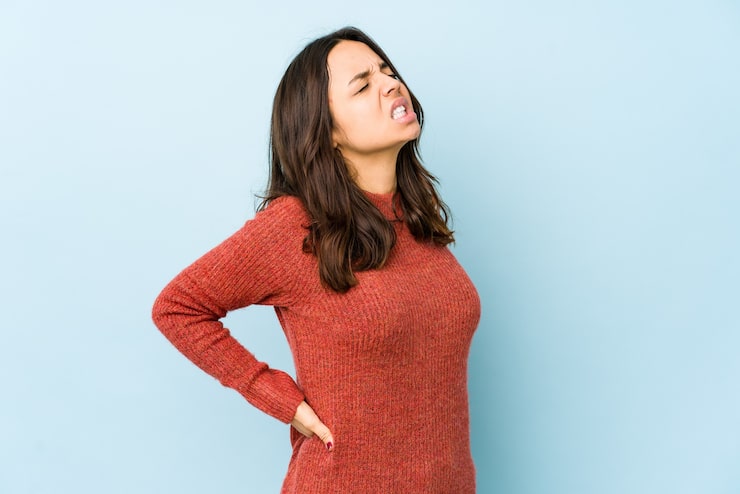
woman suffering from lower back pain
Lower back pain is common in both men and women, but women experience it differently — and for different reasons. In women, the causes of lower back pain extend beyond the standard list of muscle strain, disc problems, and poor posture to include a range of gynaecological and hormonal conditions that are frequently overlooked or diagnosed late.
A woman who has been told her back pain is "just muscle tension" for two years might actually have endometriosis or uterine fibroids. A woman whose back pain is worst in the week before her period isn't imagining the timing — there's a physiological reason for it. Understanding the women-specific causes of lower back pain is the first step toward the right diagnosis.
The Standard Causes (Same as in Men)
All the mechanical causes described in the lower back pain guide apply equally to women
Muscle and ligament strain from sudden movements, poor lifting technique, or prolonged poor posture
Weak core muscles and glutes — very common in sedentary women
The anatomy, physiology, and mechanical risk factors are substantially the same. However, there's a significant additional layer.
Causes of Lower Back Pain Specific to or More Common in Women
Menstrual cycle-related back pain
Many women notice that their lower back pain is clearly linked to their menstrual cycle — worst in the days before and during their period, improving as the period ends. This is not coincidence.
During the premenstrual phase and early menstrual phase, the uterus releases prostaglandins — inflammatory signalling molecules that cause uterine contractions and help shed the lining. These prostaglandins can also affect the muscles and ligaments of the lower back and pelvis, causing pain that extends beyond the uterus itself.
Primary dysmenorrhoea (painful periods without underlying structural cause) typically produces cramping pain in the lower abdomen and lower back that comes on with or just before the period and lasts 1–3 days. It's common, particularly in younger women, and generally responds to NSAIDs (ibuprofen, mefenamic acid) taken at the onset of pain.
Premenstrual syndrome (PMS) can include lower back ache as one of the somatic symptoms in the week before the period, related to hormonal fluctuations, fluid retention, and prostaglandin activity.
Endometriosis
Endometriosis is the growth of endometrial tissue (the tissue lining the uterus) outside the uterus — on the ovaries, fallopian tubes, bowel, bladder, and pelvic peritoneum. This misplaced tissue responds to the menstrual hormonal cycle just as the uterine lining does — swelling and bleeding with each cycle, but with nowhere to exit.
Endometriosis is chronically underdiagnosed in India, with an average diagnostic delay of 7–10 years from symptom onset.
Back pain in endometriosis is distinctive:
Cyclical — worst around menstruation, improving between cycles (though in severe cases, pain may become near-constant)
Often more severe and disabling than typical menstrual cramps
Associated with very painful periods (dysmenorrhoea), pain during intercourse (dyspareunia), and sometimes painful urination or bowel movements during menstruation
Lower back pain that goes into the tailbone or rectum
Heavy menstrual bleeding
If back pain clearly worsens with menstruation and is accompanied by any of the above symptoms, endometriosis should be considered and investigated — typically with ultrasound and specialist gynaecology review.
Uterine fibroids
Fibroids are benign (non-cancerous) muscular growths of the uterus. They're extremely common — affecting up to 30–40% of women during their reproductive years. Most fibroids are small and asymptomatic. Larger fibroids or those in certain positions can cause:
Lower back pain or pelvic pressure
Heavy, prolonged menstrual bleeding
Increased urinary frequency (from fibroid pressing on the bladder)
A feeling of fullness or heaviness in the lower abdomen
Fibroids are diagnosed by ultrasound. They typically shrink after menopause. Treatment depends on size, symptoms, and the woman's reproductive plans.
Ovarian cysts
Most ovarian cysts are functional — formed as part of the normal menstrual cycle and resolving on their own within a few months. They are common and usually asymptomatic.
Larger cysts or those that persist can cause:
A dull ache or pressure on one side of the lower abdomen, sometimes felt in the lower back
Pain that may worsen with certain positions or physical activity
Ruptured ovarian cyst or ovarian torsion (where the ovary twists on its blood supply) cause sudden severe one-sided pelvic and back pain and are medical emergencies requiring immediate evaluation.
Pelvic Inflammatory Disease (PID)
PID is an infection of the female upper reproductive tract — uterus, fallopian tubes, ovaries — most commonly caused by sexually transmitted infections (gonorrhoea, chlamydia) or other bacteria ascending from the vagina.
Symptoms:
Lower abdominal and pelvic pain, often dull and bilateral
Lower back pain
Abnormal vaginal discharge
Fever
Pain during intercourse
Irregular bleeding
PID requires antibiotic treatment. If untreated, it can lead to chronic pelvic pain, fallopian tube damage, and infertility.
Pregnancy-related lower back pain
Up to 70–80% of pregnant women experience lower back pain at some point during pregnancy. Causes include:
Postural changes: as the uterus grows, the centre of gravity shifts forward. Many women compensate by increasing their lumbar lordosis (arching the lower back), which places extra load on the facet joints and muscles.
Relaxin hormone: during pregnancy, the body produces relaxin — a hormone that loosens the ligaments of the pelvis (particularly the sacroiliac joints and pubic symphysis) to prepare for delivery. This loosening of normally rigid structures produces instability and pain.
Growing weight: the additional load on the lumbar spine from the growing uterus, placenta, and amniotic fluid.
Lower back pain in pregnancy peaks in the third trimester and typically improves after delivery, though the postpartum period also brings its own back pain risks from the physical demands of caring for a newborn.
Post-menopause bone and joint changes
After menopause, falling estrogen levels lead to:
Osteoporosis: bone loss, particularly in the vertebrae of the lumbar and thoracic spine. Vertebral compression fractures from osteoporosis can cause sudden severe back pain, often disproportionate to any identifiable trauma.
Increased joint degeneration: facet arthritis and disc degeneration progress faster after menopause.
Post-menopausal women with sudden severe back pain — especially if accompanied by height loss — should be evaluated for vertebral fracture.
Sacroiliac joint dysfunction in women
Women are more prone to sacroiliac joint problems than men, partly because the female pelvis is wider and the sacroiliac joint bears its load at a different angle. Hormonal changes (particularly during pregnancy and early postpartum) that relax pelvic ligaments increase this risk.
Sacroiliac joint pain is typically:
One-sided — in the buttock and lower back on one side
Worsens with sitting to standing transitions, walking, and climbing stairs
Often confused with sciatica but without the characteristic shooting leg pain
PCOD and lower back pain
Women with PCOD have higher rates of endometriosis, ovarian cysts, and inflammatory markers — all of which can contribute to pelvic and lower back pain. Additionally, the hormonal imbalance of PCOD affects pain sensitivity and the inflammatory environment of the pelvis.
When to See a Doctor
Lower back pain in women warrants gynaecological evaluation — not just a general practitioner visit — when:
Back pain is clearly linked to the menstrual cycle
Accompanied by heavy or painful periods
Associated with pain during intercourse
Accompanied by abnormal vaginal discharge or fever
Associated with urinary or bowel symptoms that worsen with menstruation
New or worsening in pregnancy, particularly with pelvic pressure
In a post-menopausal woman, especially if sudden in onset
A pelvic ultrasound is often the first investigation — it visualises the uterus, ovaries, and can detect fibroids, cysts, and some features of endometriosis.
Management
The mechanical causes of lower back pain in women are managed identically to those in men — core strengthening exercises, posture modification, physiotherapy, and appropriate pain relief.
The gynaecological causes require specific management:
Dysmenorrhoea: NSAIDs at onset of pain. Hormonal contraception (oral contraceptive pills) reduces prostaglandin production and significantly reduces menstrual back pain in many women.
Fibroids: observation for small asymptomatic ones; medical management, uterine artery embolisation, or surgical removal for symptomatic ones.
PID: antibiotic treatment, typically doxycycline plus metronidazole.
Pregnancy back pain: appropriate physiotherapy, pelvic support belt, swimming, gentle yoga.
Osteoporosis: bone density assessment (DEXA scan), calcium and vitamin D supplementation, and bisphosphonate therapy where indicated.
Care at Prakash Hospital Noida
At Prakash Hospital Noida, our physicians and gynaecologists provide integrated assessment of lower back pain in women — including gynaecological evaluation, pelvic ultrasound, hormonal assessment, and physiotherapy referral. PCOD management, endometriosis investigation, and orthopaedic care are all available under one roof.
Whether you live in Sector 18, Sector 62, Greater Noida West, or anywhere in the NCR, Prakash Hospital Noida is a trusted name for women's health, lower back pain, and gynaecology in Noida.
We offer expert care across key specialties, including Medicine, Cardiology, Orthopaedics, ENT, Gynaecology, and more—delivering trusted treatment under one roof.
Monsoon brings dengue, malaria, viral fever, and gut infections. Here's how to strengthen your immunity before and during the season. Prakash Hospital Noida.