


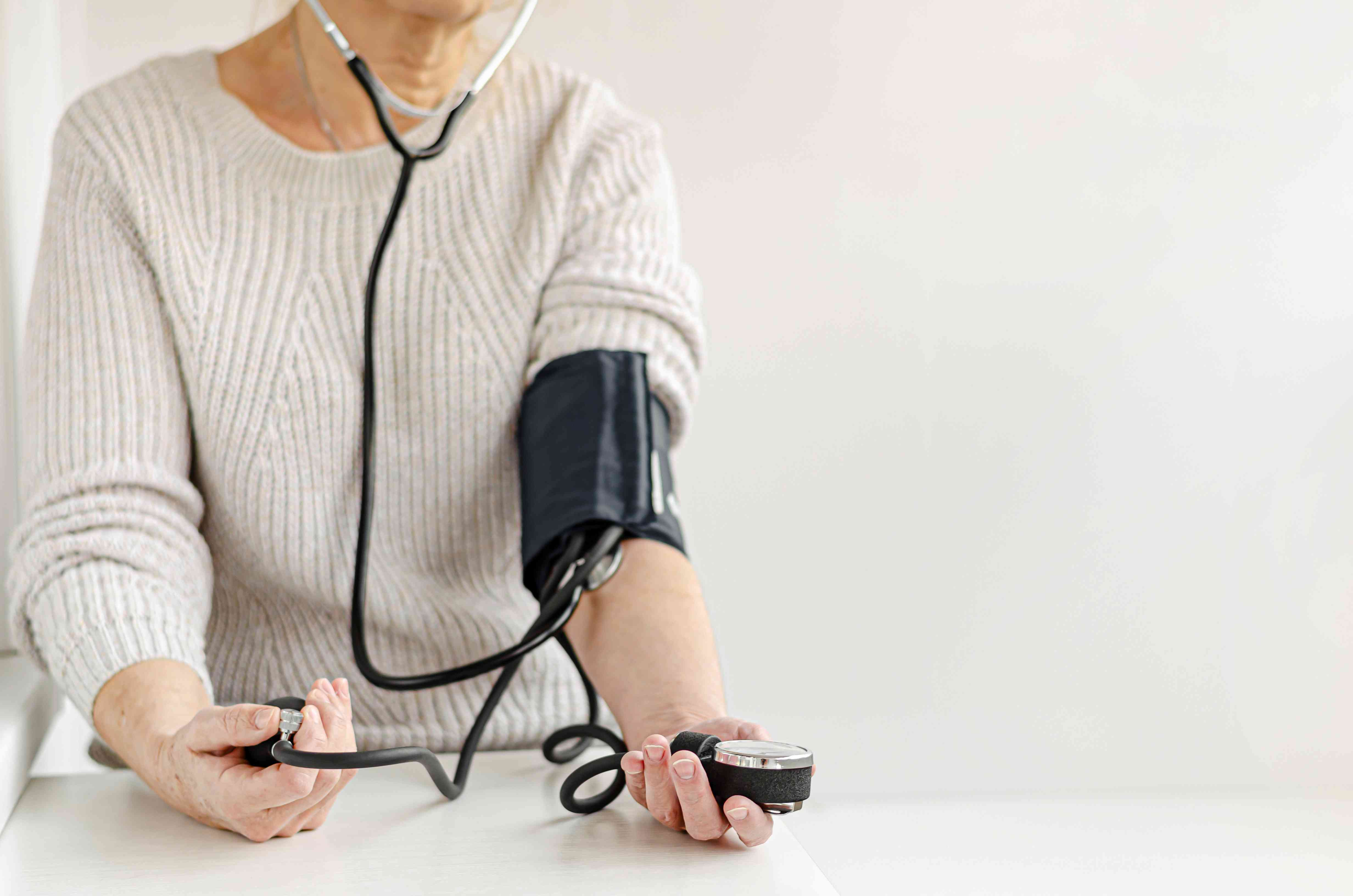
How to Lower Blood Pressure Naturally: What Works and Why
How to lower blood pressure naturally through diet, exercise, sleep and stress management. Evidence-based guide for Indians. Prakash Hospital Noida.
18 Aug 2026
by Prakash Hospital
by By Prakash Hospital

For most adults, the ideal reading is below 120/80 mmHg.
Blood pressure is one of the most useful numbers in medicine, and one of the most ignored. High blood pressure (hypertension) usually causes no symptoms, yet it is the leading modifiable cause of stroke, heart attack, heart failure, and kidney disease in India. A large share of people with hypertension do not know they have it.
Understanding your reading takes less than a minute and could change your health outcome.
Blood pressure is the force of blood pushing against your artery walls. It is written as two numbers, such as 120/80 mmHg:
| Category | Systolic (mmHg) | Diastolic (mmHg) | |---|---|---| | Low (hypotension) | Below 90 | Below 60 | | Normal | 90 to 119 | 60 to 79 | | Elevated | 120 to 129 | Below 80 | | Stage 1 hypertension | 130 to 139 | 80 to 89 | | Stage 2 hypertension | 140 or higher | 90 or higher | | Hypertensive crisis | Above 180 | Above 120 |
Different guidelines set slightly different thresholds. Many Indian clinicians diagnose hypertension at 140/90 or above on repeated measurements, while American guidelines use 130/80. Your doctor will interpret the number in light of your overall risk.
Ideal target for most adults: below 120/80 mmHg.
There is no separate "normal" for each decade in the way people often imagine. The target remains close to 120/80 for adults. But averages rise with age because arteries stiffen.
| Age group | Typical average range | |---|---| | 18 to 39 years | About 110/70 | | 40 to 59 years | About 120 to 125 / 80 | | 60 years and above | About 130 to 135 / 80 |
An older adult with a reading of 140/85 is not "normal for their age" in the sense of being safe. Treatment targets for most older adults are still below 130/80 if tolerated, individualised by your doctor.
Normal values depend on age, sex, and height, and are read against percentile charts. A teenager's blood pressure is generally similar to a young adult's. Children with persistently high readings need paediatric evaluation.
A reading above 180/120 is dangerous.
Most people have none, which is why it is called the "silent killer." Occasionally:
Do not wait for symptoms. Measure regularly.
Low blood pressure is often harmless in a healthy, fit person with no symptoms. It matters when it causes symptoms, falls, or occurs suddenly with infection, bleeding, dehydration, heart problems, or medicines.
Wrong technique gives wrong numbers. Follow these steps:
Home readings are valuable. "White coat hypertension" (high in clinics, normal at home) and "masked hypertension" (normal in clinics, high at home) are both common, and home monitoring helps identify them.
If lifestyle is not enough or your risk is high, your doctor may prescribe medicines such as ACE inhibitors, ARBs, calcium channel blockers, or diuretics. Do not stop them on your own when readings improve; that is a sign they are working. Never share medicines, and take them regularly.
At Prakash Hospital Noida, our physicians and cardiologists evaluate high and low blood pressure, check for causes and complications such as kidney and heart effects, and design individual treatment and lifestyle plans with regular follow-up.
Whether you live in Sector 18, Sector 62, Greater Noida West, or anywhere nearby, Prakash Hospital Noida is a trusted name for blood pressure and heart care in Noida.
To book a consultation, call the number.
Tags: #NormalBloodPressureChart #HighBloodPressureIndia #PrakashHospitalNoida

An ECG recorded while you walk on a treadmill, to check for reduced blood flow to the heart during exercise.
An X-ray dye test that maps blockages in the heart's arteries and guides the choice between medicines, stents and surgery.
An ultrasound of the heart that shows how well it pumps and how the valves work. Painless and radiation-free.
Free tools to check your weight, plan a pregnancy, track calories and more.
We offer expert care across key specialties, including Medicine, Cardiology, Orthopaedics, ENT, Gynaecology, and more—delivering trusted treatment under one roof.
How to lower blood pressure naturally through diet, exercise, sleep and stress management. Evidence-based guide for Indians. Prakash Hospital Noida.
18 Aug 2026
by Prakash Hospital
Practical ways to lower blood pressure naturally through diet, exercise, and lifestyle — plus when medication is needed. Prakash Hospital Noida.
5 Aug 2026
by Prakash Hospital

Comprehensive guide on lowering high blood pressure naturally through diet, exercise, weight control, and medical monitoring.
24 Feb 2026
by Prakash Hospital

Platelet count levels explained, what to do in dengue, what the evidence says on papaya leaf juice, when a low count needs hospital care, and other causes.
19 Nov 2026
by Prakash Hospital

कोलेस्ट्रॉल को नियंत्रित रखना दिल की सेहत के लिए बेहद ज़रूरी है। जानें HDL, LDL और ट्राइग्लिसराइड्स को संतुलित करने के आसान और प्रभावी उपाय।
5 Feb 2026
by Prakash Hospital

Discover why routine blood tests are essential even if you feel healthy. Learn how early detection can prevent complications.
17 Mar 2026
by Prakash Hospital

Leg pain while walking, cold feet, slow-healing wounds, these could be early signs of Peripheral Artery Disease. Prakash Hospital's vascular specialists in Noida explain what to watch for and when to act.
6 Apr 2026
by Prakash Hospital

High cholesterol increases heart disease risk. Know causes, tests, and how to lower it. Visit Prakash Hospital Noida for cardiology care.
2 Jul 2026
by Prakash Hospital
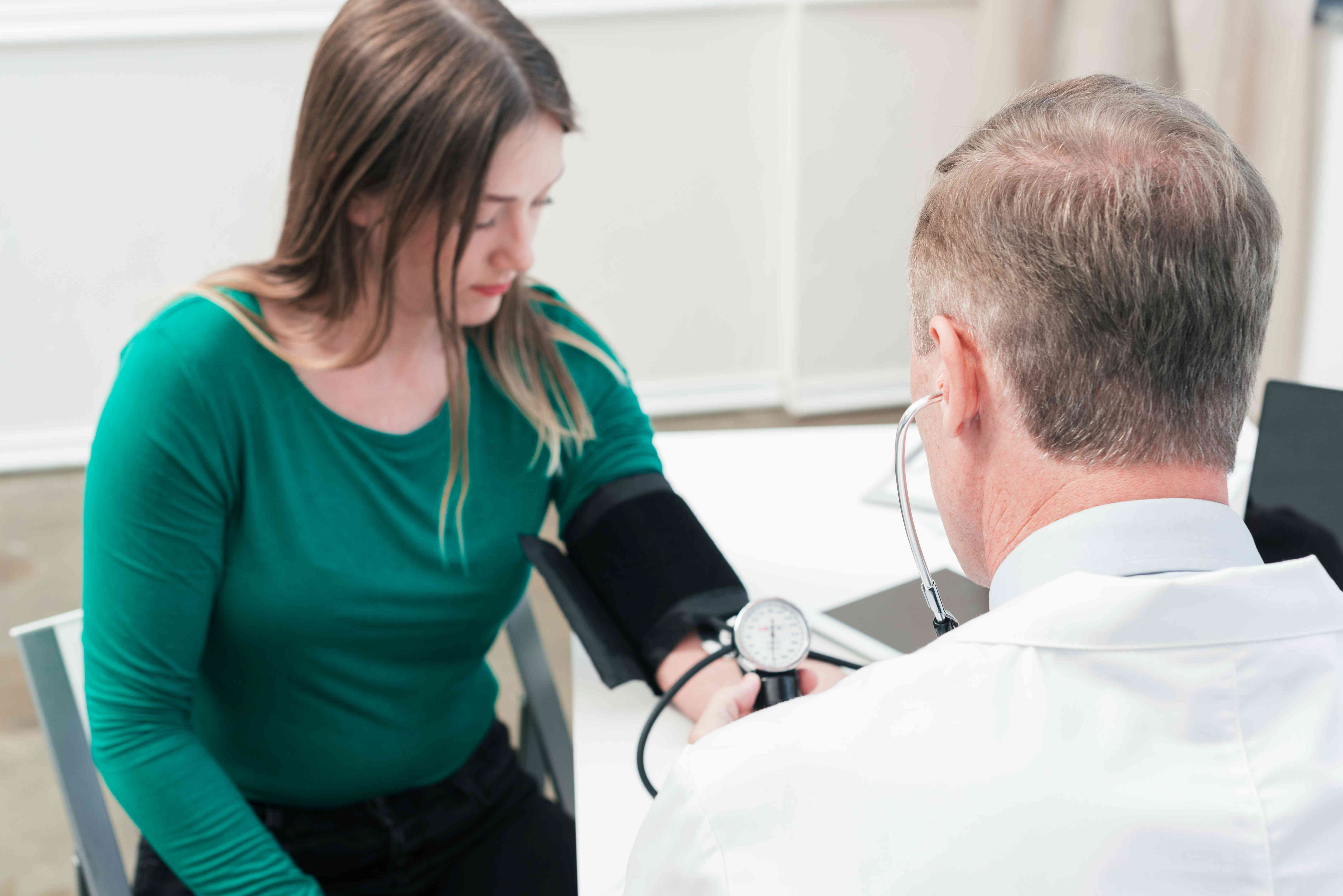
Discover how routine blood pressure checks help detect early health risks and support long-term wellness with expert guidance from Prakash Hospital.
11 Jul 2025
by Prakash Hospital


Book a consultation with Prakash Hospital's specialists — 24/7 emergency care, 100+ doctors, NABH accredited.
View All Departments