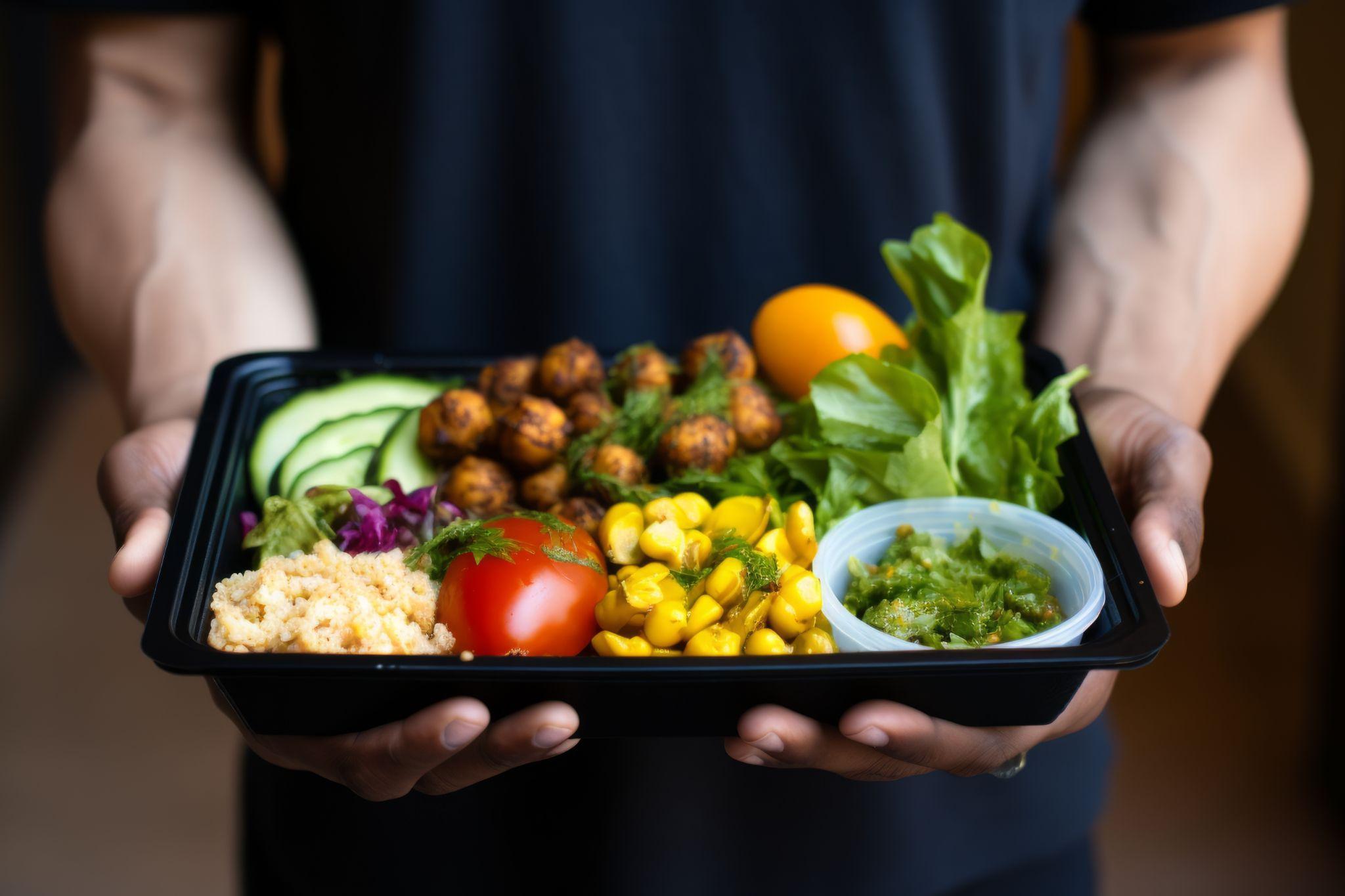
A meal on a platter with leafy green vegetables, corn, nuts, tomatoes, egg, and some avocados.
Polycystic Ovarian Syndrome/Disorder (PCOS/PCOD) is among the most common hormonal conditions in Indian women of reproductive age, affecting 15–25% of urban women. The management of PCOD is not just about medication — in fact, the most evidence-based first-line treatment for PCOD is lifestyle change, and diet is its foundation.
The reason diet works so powerfully in PCOD is that the condition is fundamentally driven by insulin resistance. When insulin signalling is impaired, the pancreas produces more insulin to compensate. Elevated insulin directly stimulates the ovaries to produce more androgens (testosterone, DHEAS) and impairs ovulation. Everything that reduces insulin resistance — and the Indian diet is full of tools to do this — directly addresses the root mechanism of PCOD.
In insulin-resistant individuals:
Breaking this cycle through diet and lifestyle produces hormonal improvements that often exceed what medication achieves in isolation.
The glycaemic index measures how quickly a food raises blood glucose — and consequently, how much insulin is released. Low-GI foods cause a gradual, modest insulin response; high-GI foods cause a sharp insulin spike.
Low-GI Indian foods to prioritise:
Protein significantly reduces insulin response to a meal by slowing gastric emptying, reducing carbohydrate absorption, and stimulating GLP-1 (a gut hormone that improves insulin sensitivity). Multiple trials show high-protein diets specifically improve PCOD outcomes.
Aim for: 25–30 grams of protein per meal.
Best sources for PCOD:
The most impactful single change in an Indian PCOD diet is often making breakfast protein-centred rather than carbohydrate-centred — eggs and dal chilla rather than only poha or plain paratha.
Dietary fat does not directly raise insulin (it has minimal effect on blood glucose and insulin response). Adequate fat improves satiety, supports hormone synthesis (all steroid hormones including the sex hormones are made from cholesterol), and provides fat-soluble vitamins.
Best fats for PCOD:
PCOD is an inflammatory condition. Chronic low-grade inflammation drives insulin resistance and androgen excess. Anti-inflammatory foods address this mechanism:
Myo-inositol and D-chiro-inositol are naturally occurring compounds involved in insulin signalling. They work as insulin sensitisers with a specific mechanism in ovarian cells. Multiple randomised trials show inositol supplementation:
Food sources: cantaloupe, citrus fruits, nuts, beans. Available as a supplement (myo-inositol 2–4g daily, or combined myo-inositol and D-chiro-inositol in 40:1 ratio). Now widely available in India.
Magnesium deficiency is common in PCOD and contributes to insulin resistance. Supplementation improves insulin sensitivity.
Sources: pumpkin seeds (highest plant source), almonds, dark chocolate, whole grains, dark leafy greens.
Cinnamon has demonstrated insulin-sensitising properties in multiple studies, including specific trials in PCOD women. Adding half a teaspoon of cinnamon to oats, curd, or warm water daily is a low-risk, accessible intervention with some evidence base.
Sugar (particularly fructose) causes the most dramatic insulin spikes and the greatest insulin resistance over time. For PCOD management:
Maida products (white bread, biscuits, naan, samosas, kachori), white rice in large portions, instant noodles — all cause sharp insulin spikes.
Replace with: whole wheat roti, dal, oats, ragi, barley, legumes.
Some research associates dairy consumption (particularly milk) with worsened PCOD through IGF-1 and insulin stimulation. The evidence is not definitive and individual responses vary. A 4–6 week dairy elimination trial (replacing milk with low-GI alternatives; retaining curd which ferments the lactose and has different hormonal effects) helps identify whether dairy is a personal PCOD trigger.
Curd is generally better tolerated than milk in PCOD and has additional probiotic benefit.
Packaged snacks, commercial curries, instant foods — high in refined carbohydrates, trans fats, and sodium, all of which worsen insulin resistance and inflammation.
Breakfast (high protein, low GI):
Mid-morning:
Lunch:
Afternoon snack:
Dinner:
Before bed:
Exercise: resistance training specifically improves insulin sensitivity in muscles (the primary site of glucose disposal). Combine with aerobic exercise. Even 150 minutes of moderate aerobic activity weekly plus two resistance sessions produces significant improvement in PCOD markers.
Sleep: poor sleep worsens insulin resistance directly. Seven to eight hours consistently.
Stress management: cortisol worsens insulin resistance and stimulates adrenal androgen production — directly relevant in PCOD. Yoga, pranayama, and stress reduction are therapeutic, not optional extras.
Weight loss: even 5–10% of body weight loss in overweight women with PCOD produces significant improvements in insulin sensitivity, androgen levels, ovulation frequency, and menstrual regularity.
At Prakash Hospital Noida, our gynaecologists and physicians provide comprehensive PCOD management — hormonal assessment, insulin resistance evaluation, dietary counselling, inositol and metformin prescriptions where appropriate, and ovulation induction for women trying to conceive.
Whether you live in Sector 18, Sector 62, Greater Noida West, or anywhere in the NCR, Prakash Hospital Noida is a trusted name for PCOD management, women's health, and hormonal care in Noida.
Tags: #PCODDietPlanIndia #PCOSHormonalBalance #PrakashHospitalNoida
 Copy
CopyWe offer expert care across key specialties, including Medicine, Cardiology, Orthopaedics, ENT, Gynaecology, and more—delivering trusted treatment under one roof.


Book a consultation with Prakash Hospital's specialists — 24/7 emergency care, 100+ doctors, NABH accredited.

Prakash Hospital Pvt. Ltd. is a 100 bedded NABH NABL accredited multispecialty hospital along with a center of trauma and orthopedics. We are in the service of society since 2001.
OUR SPECIALITIES
Patient Services
PROCEDURES
Contact Us
D – 12A, 12B, Sector-33, G. B. Nagar, Noida, Uttar Pradesh 201301
+91-8826000033


© 2026 All rights reserved.
Designed and Developed by Zarle Infotech