


Normal Oxygen Level and How to Read a Pulse Oximeter Correctly
Normal SpO2 is 95 to 100 percent. Learn to measure it properly, read the chart, see why finger monitors can mislead and when a low reading is an emergency.
6 Nov 2026
by Prakash Hospital
by By Prakash Hospital

Spirometry, the core of a PFT, measures how much air you can blow out and how fast.
A pulmonary function test (PFT) measures how much air your lungs can hold and how fast you can blow it out. The core test is spirometry: you take a full breath and blow out as hard and as fast as you can into a mouthpiece. The main numbers are FVC (total air blown out), FEV1 (air blown out in the first second) and their ratio. A ratio below about 0.70 points to obstruction, as in asthma or COPD. A low FVC with a normal ratio suggests a restrictive problem, where the lungs cannot expand fully.
This guide explains how to prepare, what happens on the day, how to read each line of a report with worked examples, and what the common patterns look like.
The main and most widely used test. It measures volume and flow.
Spirometry is repeated 15 to 20 minutes after you inhale a bronchodilator (such as salbutamol). It shows whether blocked airways open up, which is typical of asthma.
Measures the total amount of air in the lungs, including air that can't be blown out (residual volume). It confirms restriction.
Measures how well oxygen moves from air into blood. Low in emphysema, interstitial lung disease, pulmonary vascular disease and anaemia.
A six-minute walk test, peak flow monitoring and oxygen measurements may be added.
The whole test takes about 20 to 45 minutes. It isn't painful. You may feel light-headed or cough, and you should tell the technician if you feel dizzy.
Good effort matters. A weak or incomplete effort makes the numbers look worse than your real lung function.
| Measure | What it is | |---|---| | FVC (forced vital capacity) | Total air you can forcefully blow out after a full breath | | FEV1 | Air blown out in the first second | | FEV1/FVC ratio | FEV1 divided by FVC, the main marker of obstruction | | PEF (peak expiratory flow) | The fastest flow rate you reach | | FEF 25 to 75 | Flow in the middle of the breath; reflects smaller airways, but less reliable |
Results are compared with "predicted" values based on your age, sex, height and ethnicity. Because Indians generally have somewhat lower lung volumes than Western reference populations, reports using European reference equations may overcall abnormality. Labs should use appropriate reference equations. The report shows each value as a percentage of predicted.
Example. FEV1 = 2.1 litres, FVC = 3.5 litres. Ratio = 2.1 ÷ 3.5 = 0.60. That's obstructive. If the predicted FEV1 for this person is 3.0 litres, FEV1 is 2.1 ÷ 3.0 = 70 percent of predicted.
Example. FEV1 = 1.8 litres, FVC = 2.2 litres. Ratio = 1.8 ÷ 2.2 = 0.82. The ratio is normal but the FVC is low, which suggests restriction. The doctor will confirm with lung volumes.
A low ratio and a low FVC, with total lung capacity reduced.
FEV1 = 3.0 litres, FVC = 3.8 litres. Ratio = 3.0 ÷ 3.8 = 0.79. If both are above 80 percent of predicted, the test is normal.
The GOLD guideline classifies airflow limitation by post-bronchodilator FEV1 as a percentage of predicted, in people whose ratio is below 0.70:
| Grade | FEV1 (percent of predicted) | |---|---| | GOLD 1, mild | 80 or above | | GOLD 2, moderate | 50 to 79 | | GOLD 3, severe | 30 to 49 | | GOLD 4, very severe | Below 30 |
Doctors combine this with symptoms and the number of flare-ups to decide treatment.
| Feature | Asthma | COPD | |---|---|---| | Typical age at onset | Often childhood or young adult, can be any age | Usually over 40 with a smoking or smoke exposure history | | Airway obstruction | Variable, may be normal between attacks | Persistent | | Bronchodilator response | Often significant improvement | Little or no full reversal | | Symptoms | Wheeze, cough, night or early morning symptoms, triggers (dust, cold air, allergens) | Chronic cough, sputum, breathlessness on exertion |
A commonly used sign of reversibility: FEV1 rises by at least 12 percent and at least 200 mL after a bronchodilator. This supports asthma but doesn't exclude COPD, since the conditions can overlap.
Normal spirometry doesn't rule out asthma, because airways may be normal between episodes. A doctor may recommend peak flow diary or a challenge test.
| DLCO | What it suggests | |---|---| | Low with obstruction | Emphysema | | Low with restriction | Interstitial lung disease | | Low with normal spirometry | Early lung disease, pulmonary vascular disease, anaemia | | High | Asthma, polycythaemia, bleeding in the lungs, obesity in some cases |
If a result doesn't match your symptoms, the test may be repeated.
Your doctor interprets the report together with your symptoms, examination, chest X-ray or CT, and blood tests. Treatment may include inhalers, quitting smoking, vaccinations, pulmonary rehabilitation, treatment of the cause, oxygen in advanced disease, and in some cases referral for a specialist or sleep study.
A set of breathing tests, centred on spirometry, that measure lung volume and airflow to diagnose and monitor lung disease.
Avoid smoking for 24 hours, skip heavy meals and exercise beforehand, wear loose clothes, and follow instructions about inhalers.
No, but it needs strong effort. Some people feel dizzy or cough.
About 0.70 or higher in adults. In older adults, a ratio slightly below 0.70 can be normal for age.
It suggests restriction, such as lung scarring or chest wall problems, but needs confirmation with lung volumes.
About 20 to 45 minutes, and longer if full lung volumes and DLCO are done.
Ask the lab. Often you will be asked to hold certain inhalers beforehand.
See a doctor if you have a cough lasting more than three weeks, wheeze, breathlessness on mild exertion, chest tightness, or coughing up blood. Seek urgent care for severe breathlessness, blue lips, difficulty speaking or chest pain.
Whether you live in Sector 18, Sector 62, Greater Noida West, or anywhere nearby, Prakash Hospital Noida is a trusted name for pulmonology and respiratory care in Noida. Our specialists perform lung function tests, explain the results and design treatment around them.
To book a consultation, call the number.
Sources: American Thoracic Society and European Respiratory Society spirometry standardisation statements; GOLD report on COPD. Reference values vary by population; use appropriate local equations.
Tags: #PFTTest #Spirometry #PrakashHospitalNoida

This article covers general medicine concerns. These Prakash Hospital doctors in Noida treat them.

Dr. Birendra Pawar
Consultant Internal Medicine
Hysterectomies · Laparoscopic Hysterectomies · Gynecological Pathologies

Dr. Sunil P. Chaudhary
Consultant Internal Medicine
Diabetes · Hypertension · Thyroid Disorders
A portable ECG worn for 24 to 48 hours to catch irregular heartbeats that come and go.
Treats the uterine lining to make heavy periods lighter or stop them, with no cuts, for women who want no more children.
A magnified check of the cervix after an abnormal Pap or HPV test, with a small biopsy if needed.
Free tools to check your weight, plan a pregnancy, track calories and more.
We offer expert care across key specialties, including Medicine, Cardiology, Orthopaedics, ENT, Gynaecology, and more—delivering trusted treatment under one roof.
Normal SpO2 is 95 to 100 percent. Learn to measure it properly, read the chart, see why finger monitors can mislead and when a low reading is an emergency.
6 Nov 2026
by Prakash Hospital

ब्लड क्लॉट (खून का थक्का) क्या है, क्यों बनता है, इसके लक्षण क्या हैं और यह कितना खतरनाक हो सकता है, पूरी जानकारी आसान हिंदी में।
27 Apr 2026
by Prakash Hospital

COPD क्या है, इसके शुरुआती लक्षण क्या हैं और इसका इलाज कैसे होता है? जानिए क्रॉनिक ऑब्सट्रक्टिव पल्मोनरी डिजीज के बारे में पूरी जानकारी।
11 Mar 2026
by Prakash Hospital

Prostate problems — symptoms of BPH, prostatitis and prostate cancer, the tests used to diagnose them, and when to see a doctor. Prakash Hospital Noida.
5 Oct 2026
by Prakash Hospital

Read your urine routine and microscopy report: colour, pH, protein, glucose, pus cells, RBCs and casts, with normal values and what abnormal results suggest.
9 Oct 2026
by Prakash Hospital

Calculate eGFR from creatinine with the CKD-EPI 2021 formula, see worked examples for men and women, and understand the five CKD stages and urine ACR results.
29 Oct 2026
by Prakash Hospital

The best immunity boosting foods for Indians — from amla and turmeric to dal and garlic. Science-backed guide from Prakash Hospital Noida.
18 Aug 2026
by Prakash Hospital

Indian foods that help lower cholesterol, what to avoid, and a practical meal plan. Visit Prakash Hospital Noida for cardiology care.
21 Jul 2026
by Prakash Hospital
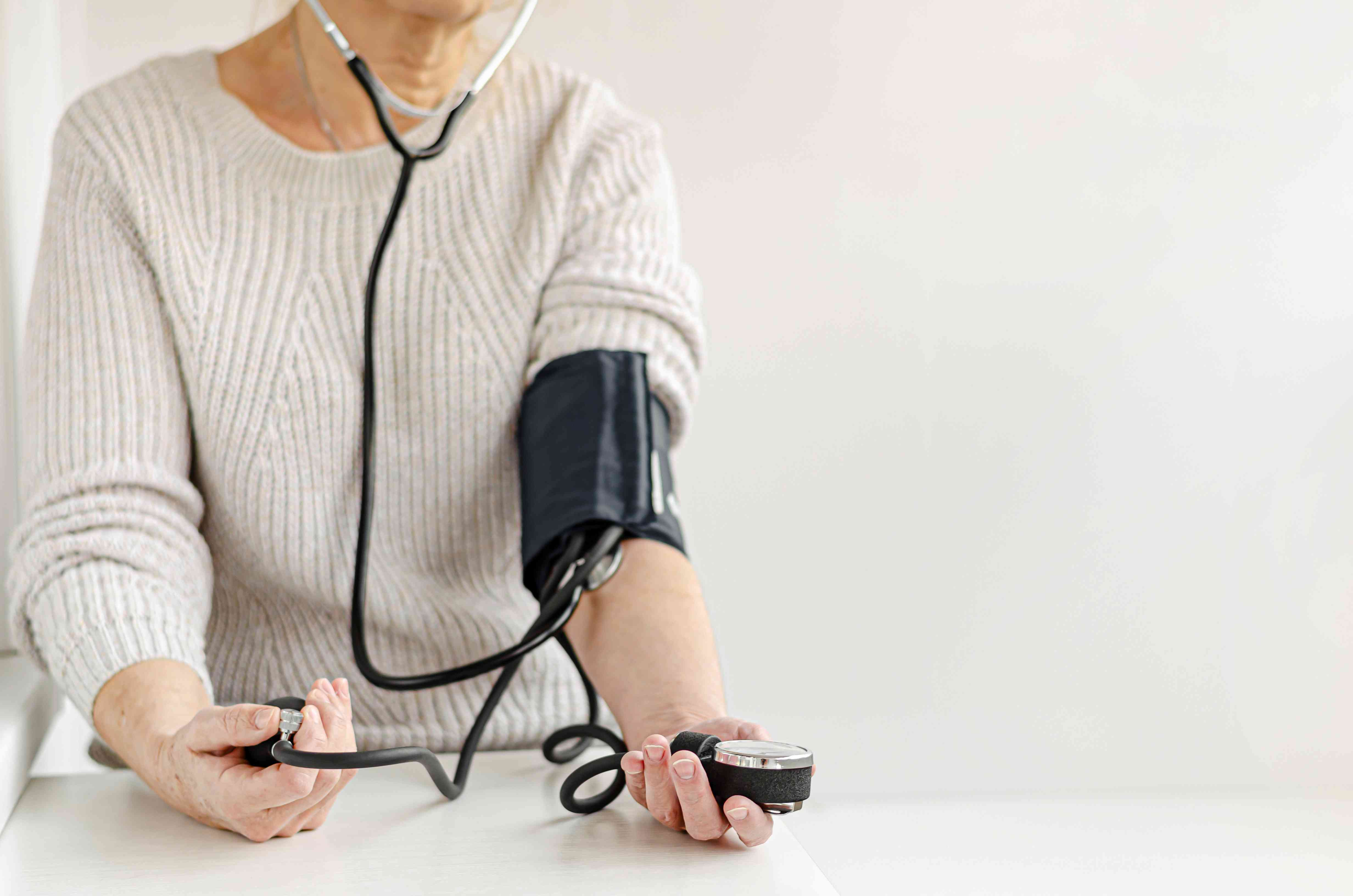
How to lower blood pressure naturally through diet, exercise, sleep and stress management. Evidence-based guide for Indians. Prakash Hospital Noida.
18 Aug 2026
by Prakash Hospital


Book a consultation with Prakash Hospital's specialists — 24/7 emergency care, 100+ doctors, NABH accredited.
View All Departments