High protein vegetarian foods including paneer and dairy.
A cholesterol-lowering diet does not require expensive ingredients or strange new foods. The same dal-roti-sabzi meals you already eat can be powerful tools for bringing cholesterol down, as long as the choices within those meals shift slightly. Add a bowl of oats here, swap your cooking oil there, eat more dals, fewer fried snacks, and your numbers will likely improve in a few months.
This is a practical guide to foods that help lower cholesterol, what to limit, and how to put it together in an Indian kitchen.
1. Soluble fibre binds cholesterol in the gut and removes it from the body. Foods high in soluble fibre include oats, dals, beans, apples, citrus fruits, and isabgol.
2. Healthy fats replace saturated fats in the diet. Polyunsaturated and monounsaturated fats actively lower LDL cholesterol when they replace saturated fats. Sources include nuts, seeds, fatty fish, and certain oils.
3. Plant sterols and stanols block cholesterol absorption from the gut. Naturally present in plant foods; some products are fortified with extra amounts.
Diet typically reduces LDL by 10 to 25% with consistent effort. Combined with exercise and weight management, the impact is larger.
The classic. The beta-glucan fibre in oats binds cholesterol and helps remove it. Around 50 to 75 grams of oats daily (one bowl of oats porridge or oatmeal) has shown meaningful effects.
How to eat: oats porridge with milk, oats upma, oats roti, oats khichdi, oats added to smoothies. Avoid sugary instant varieties; choose plain rolled oats.
High in soluble fibre. Lentils (masoor, moong, toor), chickpeas (chana), kidney beans (rajma), black-eyed peas (lobia), black beans, and others all help.
The Indian diet already includes plenty of dal. Increase the variety. Include sprouted forms. Eat dal alongside rice or roti, not just as a side.
Spinach, methi, mustard greens, drumstick leaves, cabbage, bhindi, baingan, bottle gourd. The fibre, vitamins, and plant compounds all support better cholesterol.
Fill half the plate with vegetables. Make them the focus, not the side dish.
Apples, pears, citrus fruits (orange, mosambi, grapefruit), berries, guava, papaya. Eat the whole fruit, not juice.
Two to three servings of fruit daily is a reasonable target.
Almonds, walnuts, pistachios, peanuts. Studies consistently show modest LDL reduction with regular nut consumption. The fats are healthy, the fibre helps, and they replace less healthy snacks.
A small handful (about 30 grams) daily. Unsalted, raw or lightly roasted. Walnuts and almonds are particularly well-studied.
Flaxseeds (alsi), chia seeds, pumpkin seeds, sunflower seeds, sesame seeds. Rich in omega-3, fibre, and other beneficial compounds.
A tablespoon of ground flaxseed daily is a simple addition. Sprinkle on curd, oats, or salads.
Salmon, sardines, pomfret, mackerel, rohu. Rich in omega-3 fatty acids, which improve cholesterol balance and reduce inflammation. Two to three servings a week.
Grilled, baked, or in light curry; not deep fried.
Brown rice, ragi, bajra, jowar, hand-pounded rice, quinoa, whole wheat. The fibre and phytochemicals support better cholesterol.
Swap refined grains for whole grains. Mix grains for variety.
Healthy monounsaturated fats. Replaces butter or other less healthy fats. Modest LDL reduction with regular use.
Healthy monounsaturated fat. Extra virgin olive oil also has antioxidant compounds. Use for dressings and lighter cooking.
For Indian cooking, mustard oil and rice bran oil are also good options.
Allicin and other compounds may modestly affect cholesterol. Easy to include in cooking.
Some studies show modest cholesterol benefits. Limit caffeine intake overall.
Some margarine spreads, yogurts, and other products are fortified with plant sterols. Two grams per day reduces LDL by about 10%. Read labels.
Soluble fibre. Soaked overnight, the water drunk in the morning is a traditional remedy with some evidence behind it. Add methi seeds to dal and sabzi.
High in vitamin C and antioxidants. Some evidence for cholesterol benefit. Eat fresh, as a powder, or in moderate amounts of juice.
Soy protein modestly reduces LDL. Tofu, soya granules, soy milk. About 25 grams of soy protein daily for the effect.
Small amounts (20 to 30 grams) of high-cocoa dark chocolate (70% or above) may have modest benefits. Not a license to eat a lot.
Read ingredient labels. Avoid anything with "hydrogenated" or "partially hydrogenated" oils.
Even when fried in better oils, the high fat content and chemical changes during frying are unhealthy:
Grill, bake, steam, or shallow-fry as alternatives.
Dietary cholesterol from eggs has less impact than once thought for most people. Healthy people can eat eggs in moderation (up to one a day for most, fewer if high LDL or diabetes).
If LDL is very high, occasional moderation may help; total dietary fat and saturated fat matter more.
Liver and other organ meats are high in cholesterol. Limit to occasional consumption.
Often high in saturated fats, trans fats, sugar, and salt. Limit overall consumption.
This pattern, followed most days, brings cholesterol down meaningfully.
1. Early morning: Warm water with a teaspoon of soaked methi seeds. Or warm water with lemon.
2. Breakfast: Oats porridge with milk, walnuts, and seasonal fruit. Or vegetable upma with peanuts. Or chilla with vegetables. Or whole wheat toast with avocado.
3. Mid-morning: A fruit (apple, orange, pear, guava). A small handful of almonds and walnuts.
4. Lunch: Two whole-grain rotis or one cup of brown rice. Generous portion of dal (try different varieties). Sabzi made with plenty of vegetables. Salad with cucumber, tomato, onion, lemon, sprouts. Curd or buttermilk.
5. Afternoon: Roasted chana, or a fruit, or buttermilk. Skip the biscuits with chai.
6. Dinner: One roti and a small portion of brown rice or millet. Dal. Sabzi. Salad. A small portion of grilled fish, chicken, paneer, or tofu.
7. Bedtime: A glass of warm milk if needed. Or skip if not hungry.
8. Cooking oil: Mustard oil, rice bran oil, olive oil, or rotate between healthy oils. Avoid vanaspati.
9. Drinks throughout the day: Plenty of water. Tea or coffee without sugar (or with minimal). Buttermilk. Green tea occasionally.
The combination achieves more than any single change.
1. Underestimating hidden fats: bakery items, packaged snacks, restaurant food all contain more saturated and trans fats than they seem.
2. Replacing one bad food with another: switching from samosas to packaged biscuits is no improvement.
3. Drinking your calories: sweet drinks, sugary lassi, fruit juice, packaged drinks add a lot of carbs without satiety.
4. Going to extremes: very low-fat diets are not necessarily better. Healthy fats are part of the plan.
5. Quick fixes: cholesterol-lowering takes months to show. Stick with it.
6. Forgetting portion sizes: even healthy foods in large quantities cause problems. Especially nuts (high in calories) and oils.
7. Inconsistency: a strict diet for a week followed by reverting is less useful than sustainable changes.
"Lemon juice lowers cholesterol overnight." Lemon is healthy but no overnight effect. Sustained diet changes are what works.
"Garlic capsules cure high cholesterol." Garlic in food has modest benefits. Capsules show inconsistent results.
"Eating ghee in the morning prevents heart disease." No evidence. Excess ghee raises saturated fat intake.
"Coconut oil is healthy because it is plant-based." Coconut oil is high in saturated fat and raises LDL.
"Karela cures everything." Karela has modest benefits for blood sugar. Cholesterol benefits are unclear.
"You can lower cholesterol with just home remedies." Mild elevations may respond. Significant high cholesterol usually needs both diet and medication.
"Statin medication makes diet unnecessary." Diet matters even on medication, and reduces the dose needed in many cases.
"Skipping breakfast helps." Breakfast tends to be associated with better lipid profiles. Skipping does not help.
"All fats are bad." Healthy fats are essential and beneficial.
A repeat lipid profile after 3 months shows the effect of changes. If improvement is modest and you have significant cardiovascular risk, your doctor may add medication.
At Prakash Hospital Noida, our cardiologists, physicians, and nutritionists provide personalised dietary counselling alongside medical management for high cholesterol and triglycerides. Cardiovascular risk assessment, related condition screening (diabetes, hypertension, kidney disease, thyroid), and ongoing follow-up are part of complete care.
Whether you live in Sector 18, Sector 62, Greater Noida West, or anywhere nearby, Prakash Hospital Noida is a trusted name for cardiology and cholesterol management in Noida.
To book a consultation, call the number.
A cholesterol-lowering diet is mostly a healthier Indian diet: more oats and dals, more vegetables and fruits, more whole grains, more nuts and seeds, more fatty fish, healthier oils, and far fewer fried foods, sweets, trans fats, and refined carbs.
Combined with regular exercise, weight management, and other lifestyle measures, this can reduce cholesterol significantly in a few months. For people with high cardiovascular risk, diet works alongside medications rather than replacing them.
Start with small consistent changes rather than dramatic restrictive ones. The food you eat over years matters more than any specific meal. Build habits that fit your life and stick with them.
Tags: #LowerCholesterol #CholesterolDiet #PrakashHospitalNoida
 Copy
CopyWe offer expert care across key specialties, including Medicine, Cardiology, Orthopaedics, ENT, Gynaecology, and more—delivering trusted treatment under one roof.
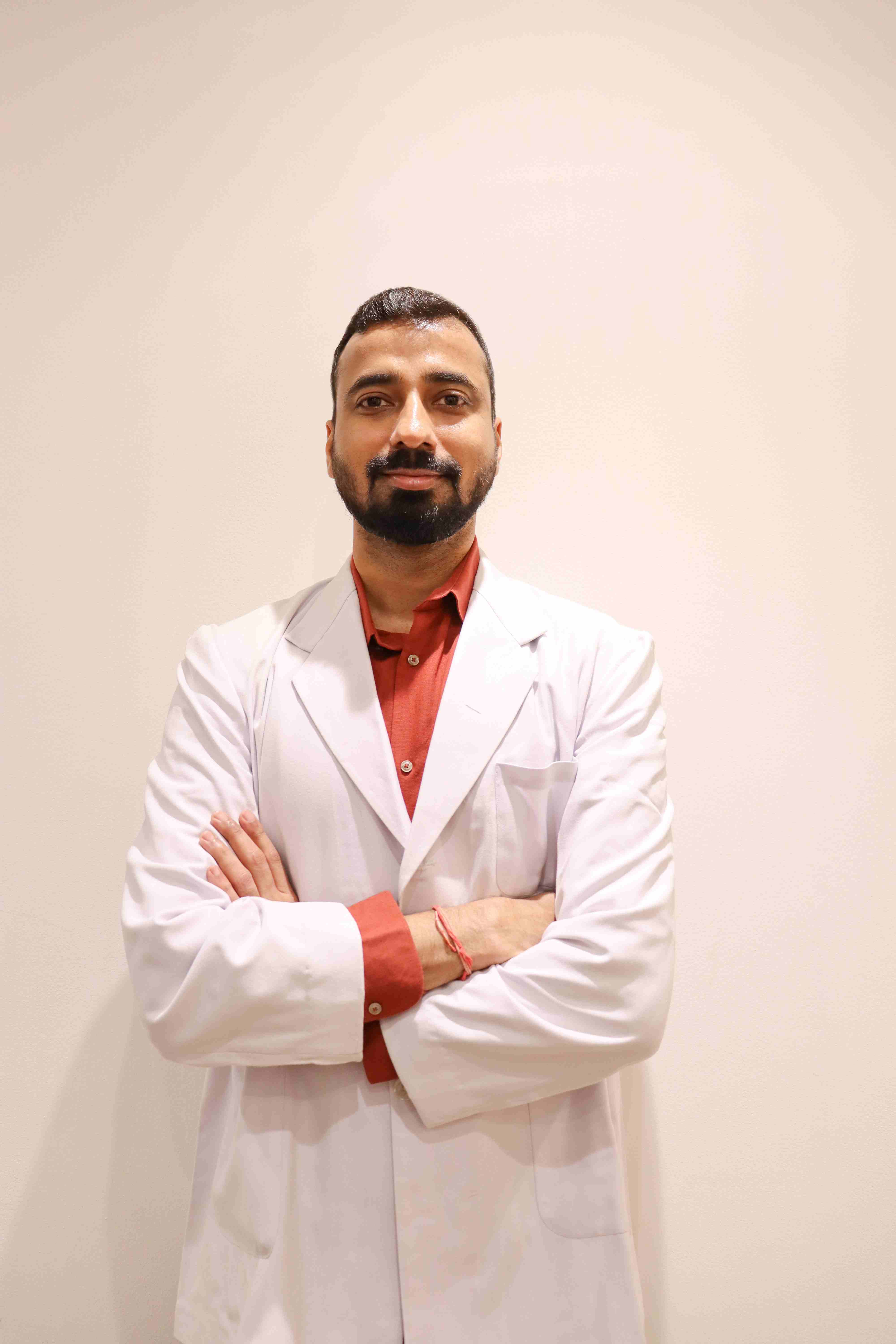
Dr. Rakesh


Book a consultation with Prakash Hospital's specialists — 24/7 emergency care, 100+ doctors, NABH accredited.

Prakash Hospital Pvt. Ltd. is a 100 bedded NABH NABL accredited multispecialty hospital along with a center of trauma and orthopedics. We are in the service of society since 2001.
OUR SPECIALITIES
Patient Services
PROCEDURES
Contact Us
D – 12A, 12B, Sector-33, G. B. Nagar, Noida, Uttar Pradesh 201301
+91-8826000033


© 2026 All rights reserved.
Designed and Developed by Zarle Infotech