


Diabetes Complications: What to Watch For and How to Prevent Them
Diabetes complications including eye, kidney, heart, nerve, and foot problems. Prevention and screening. Visit Prakash Hospital Noida.
21 Jul 2026
by Prakash Hospital
by Prakash Hospital

Diabetic patient getting blood sugar checked.
There is a common idea in India that being diagnosed with diabetes means giving up everything you enjoy eating. No rice, no sweets, no fruit, no roti. The reality is more reasonable. A diabetic diet is essentially a healthy eating pattern: more vegetables, smaller portions, whole grains instead of refined ones, less sugar, regular meal timing, and sensible food choices. Most Indian meals can be adjusted rather than replaced entirely.
This is a practical guide to eating well with diabetes, using foods that are already in your kitchen.
A diabetic diet is built on a few simple rules that apply meal after meal, day after day.
Smaller portions at each meal. The total amount of food matters as much as the type. Use a smaller plate. Serve yourself less. Eat slowly.
Regular meal timing. Skip meals and blood sugar swings worse. Three meals and one or two healthy snacks at roughly the same times each day works for most people.
Choose complex carbohydrates over refined. Brown rice or hand-pounded rice over polished white rice. Whole wheat roti over maida. Millets like ragi, bajra, jowar. Whole oats over instant oats.
More vegetables. Half the plate should be non-starchy vegetables at lunch and dinner.
Adequate protein at each meal. Dals, beans, eggs, paneer, chicken, fish. Protein slows the rise in blood sugar after meals.
Healthy fats. Nuts, seeds, olive oil, mustard oil. Limit fried foods and trans fats.
Reduce sugar and sweets. This includes obvious sugar in tea, coffee, and sweets, plus hidden sugar in packaged foods, biscuits, sauces, and drinks.
Increase fibre. Vegetables, fruits, whole grains, dals. Fibre slows glucose absorption.
Adequate water. 8 to 10 glasses a day.
Limit alcohol to moderate amounts if at all.
This formula works for lunch and dinner with minor adjustments.
1. Non-starchy vegetables: spinach, methi, mustard greens, bhindi, baingan, lauki, tinda, parwal, karela, cabbage, cauliflower, broccoli, capsicum, cucumber, tomato, onion. Eat plenty.
2. Dals and beans: moong, masoor, chana, rajma, lobia, urad. High protein, high fibre.
3. Whole grains in moderation: brown rice, hand-pounded rice, whole wheat, ragi, bajra, jowar, oats, quinoa.
4. Lean proteins: eggs, chicken, fish, paneer, tofu, sprouts.
5. Healthy fats: nuts (almonds, walnuts), seeds (flax, chia, pumpkin), olive oil, mustard oil.
6. Fruits in moderation: guava, apple, pear, papaya, orange, mosambi, berries. About one serving at a time.
7. Dairy: curd, milk (toned or skim), buttermilk.
8. Herbs and spices: turmeric, cinnamon, methi seeds, cumin, mustard seeds, ginger, garlic.
1. Refined carbohydrates: white rice, maida, white bread, instant noodles, packaged snacks.
2. Sweets and sugar: mithai, chocolates, sweets, sugar in tea/coffee, packaged biscuits, cakes, pastries.
3. Sugary drinks: cola, packaged juice, energy drinks, sweetened tea/coffee, lassi with sugar.
4. Fried foods: pakoras, samosas, fries, kachoris (occasional, not regular).
5. Refined oils used heavily: deep-fried items.
6. Trans fats: vanaspati ghee, packaged fried snacks, bakery items.
7. Excess salt: pickles, papads, namkeen, salted snacks.
8. High-fat dairy in excess: butter, ghee in large amounts, cream.
9. Fruits high on glycemic index in large amounts: mango, banana, chikoo, grapes (small portions are fine).
10. Dried fruits in excess: high sugar concentration.
11. Fruit juices: even fresh ones spike sugar quickly without the fibre.
12. Alcohol: limit; affects blood sugar control.
Not banned, but watch portions. One cup of cooked rice per meal at most. Brown or hand-pounded rice is better than polished white rice. Pair with protein and vegetables.
Two medium-sized whole wheat rotis per meal is reasonable for most people. Maida-based parathas, naan, kulcha occasionally.
Idli is better than dosa (lower oil). Plain dosa once in a while. Avoid stuffed varieties with potato.
Good options for breakfast. Add vegetables. Use less oil.
A good diabetic-friendly meal. Use brown rice and moong dal. Add vegetables. Use moderate ghee.
Stuffed parathas with vegetables (palak, methi, mooli) are good if cooked with minimal oil. Aloo paratha is high in carbs; small portions only.
Best limited to small portions on occasion. If you have one, eat it after a protein-rich meal and reduce other carbs that day. Reduce the size of typical portions.
Drink without sugar or with very little. Add cinnamon or cardamom for flavour. Limit to 2 to 3 cups a day.
Eat the whole fruit, not the juice. Smaller portions. Pair with a few nuts to reduce sugar spike.
Plan in advance. Reduce other carbs on those days. Eat smaller portions. Take a walk afterwards. Do not fast for long periods leading up to a festival meal (it makes blood sugar swing worse).
This is a starting point. Adjust portions based on individual needs, weight, and activity level.
1. Early morning: A glass of warm water with a piece of cinnamon stick or a teaspoon of soaked methi seeds.
2. Breakfast (around 8 am): Two idlis with chutney (mild), or vegetable poha, or oats with milk and a few almonds, or whole wheat toast with egg and tomato.
3. Mid-morning (around 11 am): An apple or guava, a handful of almonds and walnuts. Or buttermilk.
4. Lunch (around 1 pm): Two rotis (whole wheat) or a cup of brown rice. Dal (one serving). One sabzi with plenty of vegetables. Salad with cucumber, tomato, onion, lemon. Curd or buttermilk. A small portion of chicken or paneer if vegetarian.
5. Afternoon snack (around 4 pm): Roasted chana or sprouts chaat, or a fruit with nuts.
6. Evening (around 5 pm): Tea without sugar, with a piece of jaggery instead (small amount) if you need sweetness. Whole-grain biscuit or roasted makhana.
7. Dinner (around 7:30 pm): One or two rotis, dal, sabzi, salad. Or one small bowl of khichdi with curd. Lighter than lunch.
8. Bedtime (if needed): A glass of milk (toned or skim) or a few nuts.
Adjust to your meal habits but keep the structure: regular timing, balanced composition, controlled portions.
Restaurant meals are usually high in oil, salt, and carbohydrates. A few strategies:
Some foods have particular benefits:
Methi seeds (fenugreek): soaked overnight, the water consumed in the morning. Some evidence for blood sugar benefit.
Karela (bitter gourd): traditional and modern evidence for mild blood sugar reduction. Eat in sabzi form, in moderation.
Jamun (Indian blackberry): seasonal. The seed powder is traditionally used.
Cinnamon: in tea, coffee, or sprinkled on food. Some evidence for improved insulin sensitivity.
Amla: rich in vitamin C, may help with blood sugar. Eat fresh, as powder, or as a juice (small amount).
Curry leaves: traditional remedy. Add to meals.
Turmeric: anti-inflammatory. Use in cooking.
Almonds: regular consumption shows benefits in studies.
Whole grains and millets: especially ragi, bajra, jowar.
These do not replace medications. They support good control alongside main treatment.
Smaller frequent meals (5 to 6 a day). Carb counting becomes important. Regular monitoring. Personalised plan from a nutritionist. Most women can manage with diet and exercise; some need insulin temporarily.
Continue eating if possible. Stay hydrated. Monitor blood sugar more often (illness raises sugar). Continue medication unless your doctor advises otherwise. Manage fever with paracetamol.
If fasting is planned (religious or other), discuss with your doctor first. Some medications need dose adjustment. Hydration matters. Break the fast with balanced food, not sugary drinks.
Coordinate meals with insulin timing. Carry glucose tablets for low blood sugar emergencies. Adjust insulin for unusual meals or activity.
"Fruit is bad for diabetes." Whole fruits in moderation are fine. Juices are problematic.
"Eat only one chappati a day." Two rotis at lunch and one at dinner is fine for most people. Total carbs matter, not avoidance.
"Diabetes means no sweets ever." Occasional small portions are fine with planning. Total daily sugar matters more than complete avoidance.
"Sugar-free sweets are unlimited." They have other carbs and calories. Treat as regular food.
"Honey is safe for diabetics." Honey is still sugar. Treat it the same as regular sugar.
"Eat only at meal times, never snacks." Many people with diabetes do better with structured snacks between meals.
"You can eat as much salad as you want." Plain vegetables yes. Salad with fried items, cheese, mayonnaise, lots of dressing has hidden calories.
"Brown rice has no carbs." It has the same carbs as white rice. The benefit is fibre and slower absorption.
"Drinking water with meals reduces carbs." It does not change blood sugar response.
"Diabetes diet is boring." A well-planned diet can be flavourful and varied.
At Prakash Hospital Noida, our diabetologists and nutritionists provide personalised diabetes diet counselling alongside medical management. Dietary plans for gestational diabetes, type 1 diabetes, weight management with diabetes, and other specific situations are available.
Whether you live in Sector 18, Sector 62, Greater Noida West, or anywhere nearby, Prakash Hospital Noida is a trusted name for diabetes care and nutrition counselling in Noida.
To book a consultation, call the number.=
A diabetes diet is essentially a healthy Indian diet with smaller portions, fewer refined carbs, less sugar, more vegetables, and regular timing.
You do not have to give up rice, roti, or favourite foods entirely. Smaller portions, whole grains over refined, more vegetables, lean protein at every meal, and limited sweets handle most of what you need.
Pair good eating with regular exercise, weight management, prescribed medications, and regular monitoring. Most people with type 2 diabetes can achieve good control with this combination.
For specific situations like gestational diabetes, complicated diabetes, or weight management challenges, work with a doctor and a nutritionist for a personalised plan.
Diabetes is manageable with the right approach. Food is one of the most powerful tools you have.
Tags: #DiabetesDiet #IndianDiabetesDiet #PrakashHospitalNoida

This article covers general medicine concerns. These Prakash Hospital doctors in Noida treat them.

Dr. Sunil P. Chaudhary
Consultant Internal Medicine
Diabetes · Hypertension · Thyroid Disorders

Dr. Birendra Pawar
Consultant Internal Medicine
Hysterectomies · Laparoscopic Hysterectomies · Gynecological Pathologies
An ECG recorded while you walk on a treadmill, to check for reduced blood flow to the heart during exercise.
A magnified check of the cervix after an abnormal Pap or HPV test, with a small biopsy if needed.
Records the brain's electrical activity through scalp electrodes to help diagnose epilepsy and seizures.
Free tools to check your weight, plan a pregnancy, track calories and more.
We offer expert care across key specialties, including Medicine, Cardiology, Orthopaedics, ENT, Gynaecology, and more—delivering trusted treatment under one roof.
Diabetes complications including eye, kidney, heart, nerve, and foot problems. Prevention and screening. Visit Prakash Hospital Noida.
21 Jul 2026
by Prakash Hospital

Diabetes types, symptoms, diagnosis, and management. Visit Prakash Hospital Noida for comprehensive diabetes care.
17 Jul 2026
by Prakash Hospital

Learn about gestational diabetes, its causes, symptoms, risks to mother and baby, diagnosis, treatment, diet, and pregnancy care.
9 Jan 2026
by Prakash Hospital

Hair growth tips that are evidence-backed — diet, scalp care, and treatments that genuinely promote hair growth. Prakash Hospital Noida.
3 Sept 2026
by Prakash Hospital

Which foods cause or worsen hair fall — sugar, crash diets, raw eggs, and more. Diet tips for healthier hair. Prakash Hospital Noida.
3 Sept 2026
by Prakash Hospital

Which vitamin deficiencies cause hair fall — iron, vitamin D, B12, and zinc. How to test and fix them. Prakash Hospital Noida.
4 Sept 2026
by Prakash Hospital
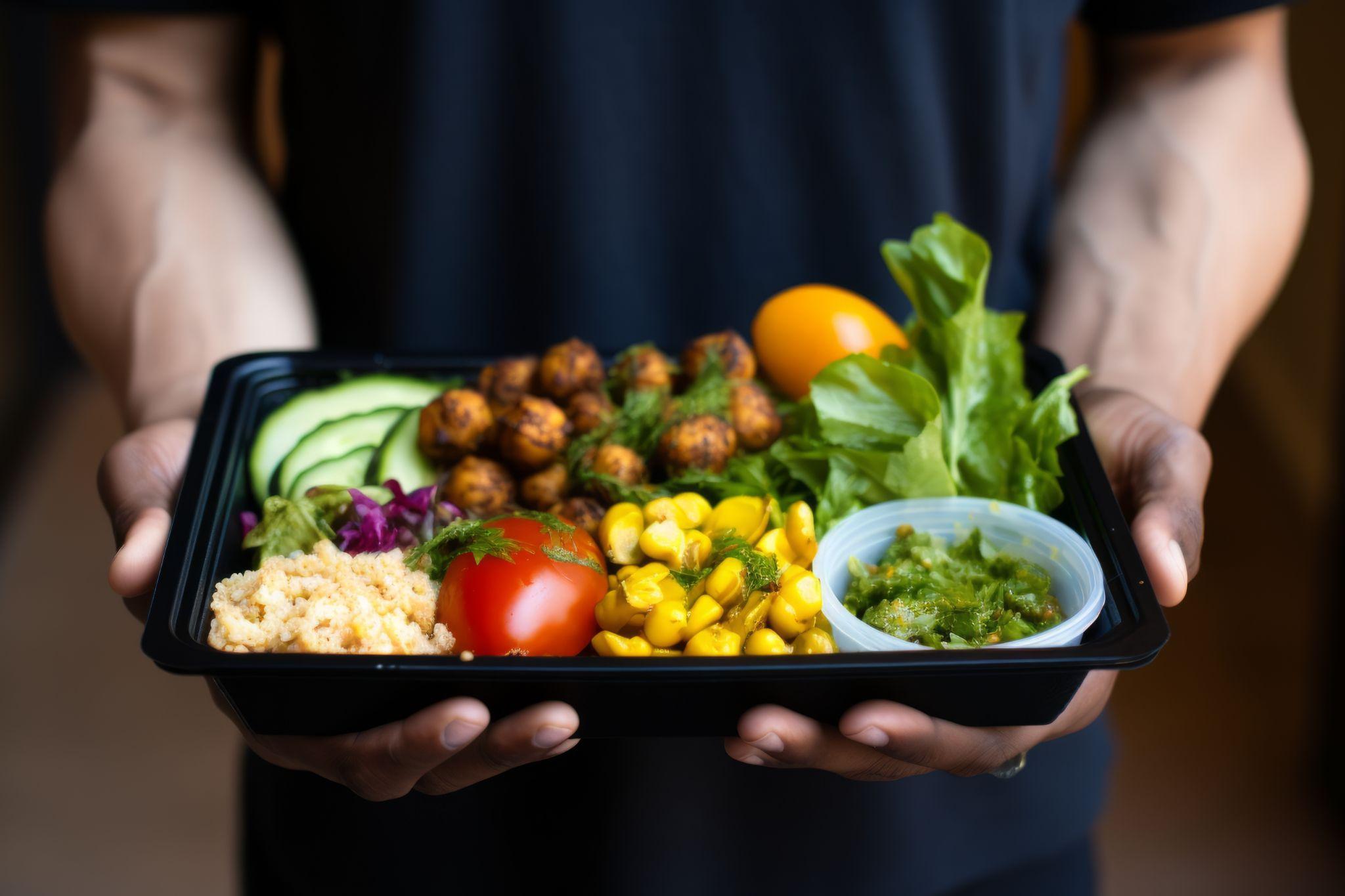
Immunity-boosting foods — the best Indian foods to strengthen your immune system naturally. Visit Prakash Hospital Noida for nutrition consultation.
3 Jul 2026
by Prakash Hospital
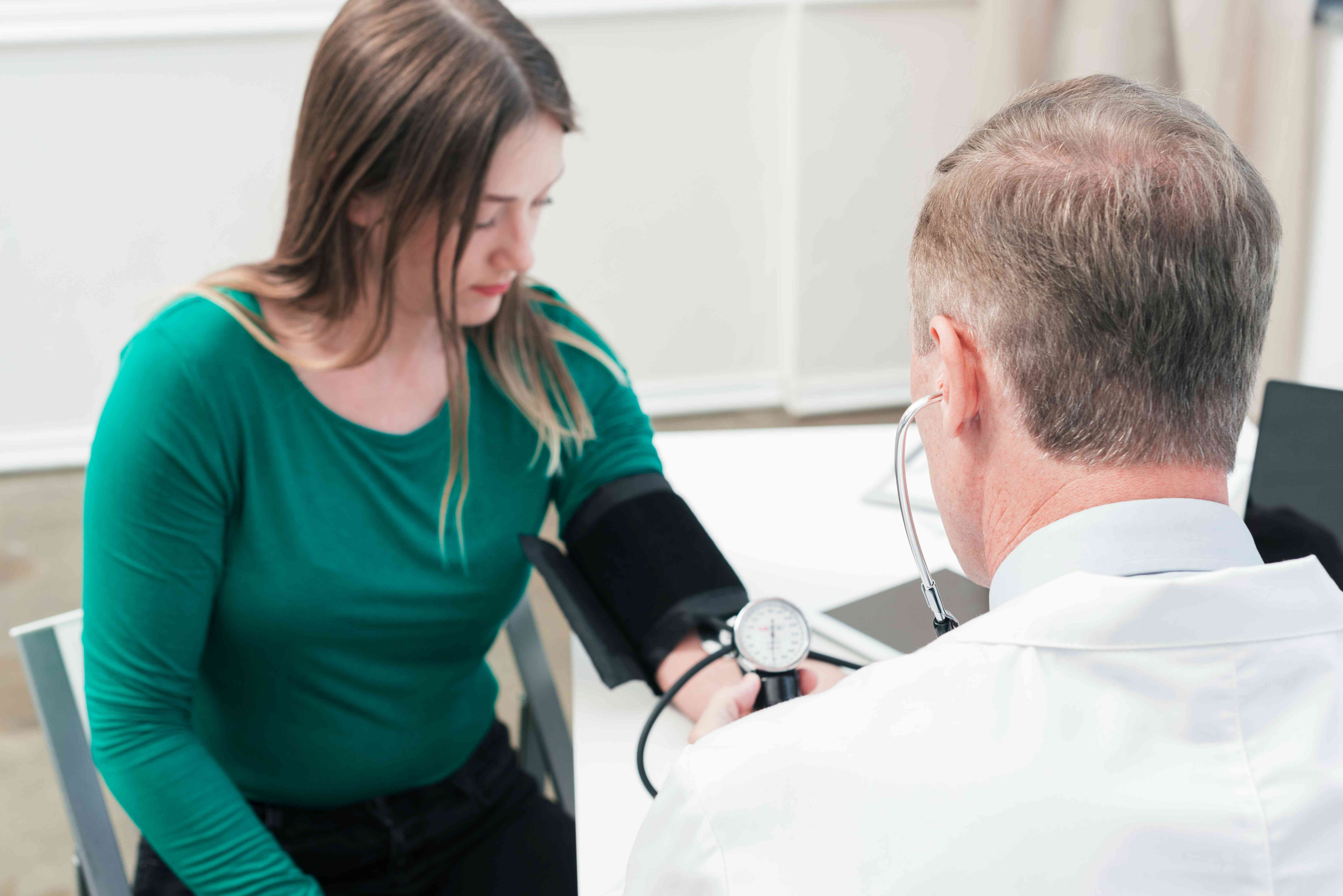
High blood pressure affects millions silently. Know symptoms, treatment, and lifestyle changes. Visit Prakash Hospital Noida.
22 Jul 2026
by Prakash Hospital

Indian foods that help lower cholesterol, what to avoid, and a practical meal plan. Visit Prakash Hospital Noida for cardiology care.
21 Jul 2026
by Prakash Hospital


Book a consultation with Prakash Hospital's specialists — 24/7 emergency care, 100+ doctors, NABH accredited.
View All Departments