Ten minutes of natural light soon after waking helps anchor the body clock for the whole day.
Most health improvements don't come from dramatic interventions. They come from dozens of small, consistent habits that compound over weeks and months. The challenge is that good habits and bad habits don't feel dramatically different in the moment — a day of poor sleep and fast food doesn't feel catastrophically different from a day of good sleep and a nutritious meal. The difference accumulates invisibly over years.
Building a healthy daily routine is about identifying the specific habits that deliver the most health value per unit of effort, and arranging them in a sequence that supports consistency.
The time of day affects how habits work biologically:
The body's circadian clock is anchored primarily by wake time. Inconsistent wake times (sleeping 2 hours later on weekends) produce "social jet lag" — the circadian equivalent of traveling two time zones twice a week. This disrupts sleep quality, increases hunger hormones, impairs metabolic function, and affects mood.
A consistent wake time — even if bedtime varies slightly — is the single most powerful lever for circadian rhythm health.
Natural light in the early morning — ideally stepping outside for 10 minutes or looking out a window with direct sunlight — sets the circadian anchor that governs cortisol, melatonin, and the body temperature rhythm. It also initiates vitamin D synthesis.
This practice, championed by Stanford neuroscientist Dr. Andrew Huberman among others, has strong circadian biology behind it. In Noida's summer, early morning sunlight (before 8 am) is ideal — cool and UV-advantageous. In winter, later morning is necessary for UV-B.
A glass of warm water on waking rehydrates the body after 7–8 hours without fluid, stimulates gut motility (reduces morning constipation), and gently wakes the digestive system. Adding fresh lemon provides vitamin C and a mild bile-stimulating effect.
This is one of the most consistently recommended morning practices across Ayurveda, naturopathy, and evidence-based medicine. The research on the specific water temperature is limited, but the habit itself is consistently beneficial.
Exercise in the morning has specific advantages:
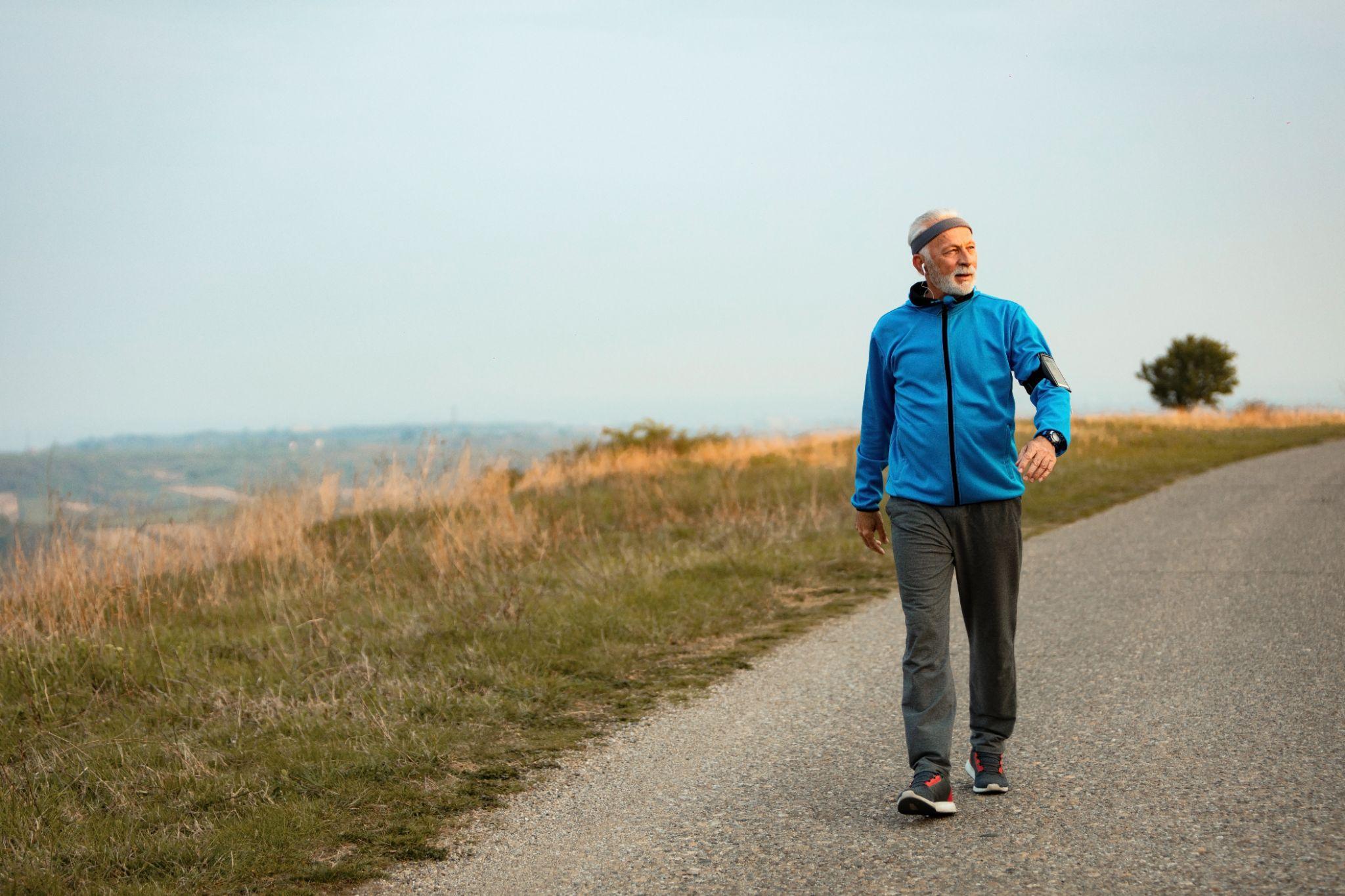
What counts as morning movement: a 30-minute brisk walk, a yoga session, bodyweight exercises at home, or a gym session. The most important characteristic is consistency over intensity.
The screen rule: looking at bright screens (phone, news) within the first 30 minutes of waking floods the visual cortex with stimulating content before the cortisol awakening response has completed, cutting short the one natural state of stress-free morning alertness the body produces. Delaying phone checking by 30–60 minutes is one of the most effective morning wellbeing practices and one of the hardest to maintain consistently.
As covered in the breakfast blog — the first meal sets the metabolic and energy tone for the day. 20–30g of protein at breakfast reduces hunger hormones for the day, stabilises blood sugar, and provides the amino acids needed for neurotransmitter production (particularly dopamine, which drives motivation and focus in the morning).
Hydrate consistently: keep a water bottle visible and drink steadily through the morning. Many Indians are significantly under-hydrated by mid-morning simply through inattention.
Avoid a second coffee before 10 am: cortisol blocks caffeine's alerting effects if taken too early. Saving the first coffee for 90–120 minutes after waking maximises its effectiveness and reduces tolerance build-up.
A small protein-rich snack at 10:30–11 am (a handful of nuts, roasted chana) bridges breakfast and lunch without an energy dip.
Lunch should be the largest, most nutritious meal of the day for most Indians. The reasons are both cultural (the traditional Indian pattern has lunch as the primary meal) and biological (insulin sensitivity is highest in the mid-day — the same carbohydrate load is handled better at lunch than at 9 pm).
Post-lunch walk: 10–15 minutes of walking after lunch is the single most impactful post-meal habit. It blunts the postprandial glucose and triglyceride rise, stimulates gut motility, and prevents the post-lunch drowsiness that plagues sedentary desk workers.
The early afternoon (1:30–3 pm) typically produces the lowest alertness of the day — a circadian dip. This is normal and is related to the post-lunch temperature drop.
If a power nap is available: 10–20 minutes of sleep (not more — longer produces sleep inertia) in the early afternoon restores alertness, improves cognitive performance, and reduces cardiovascular mortality in observational studies. Napping is culturally more accepted in India than in many Western contexts and deserves its health reputation.
If napping is not possible: brief (5-minute) exposure to natural light and mild activity — standing, a short walk — helps overcome the afternoon dip more effectively than another coffee.
Body temperature, reaction time, and muscular strength all peak between 4–6 pm. Strength training in the late afternoon produces better performance outcomes. An evening walk — particularly after dinner — has specific metabolic benefit for blood sugar reduction.
Caffeine has a half-life of 5–7 hours. A cup of chai at 4 pm still has half its caffeine active at 9–10 pm, significantly impairing sleep quality even if it doesn't prevent falling asleep. Many people with poor sleep quality who "sleep normally" don't connect afternoon caffeine to their fragmented, unrefreshing nights.
Eating dinner early — by 7–8 pm ideally — allows a longer overnight fast (supporting metabolic health), improves sleep quality (digestion and sleep compete for physiological resources), and reduces the acid reflux that late eating promotes.
If a family dinner at 8–9 pm is the cultural norm, keeping it moderate in size and avoiding lying down for 2 hours afterward is the practical adaptation.
Sleep is not optional, passive downtime. It is the period during which:
7–8 hours is the target for most adults. People who consistently sleep 6 hours or less have elevated risks of cardiovascular disease, obesity, diabetes, depression, and cognitive decline — with effects proportional to the sleep deficit.
The evening wind-down routine:
Dim lights 1–2 hours before sleep: bright overhead lights suppress melatonin production. Switching to lamps, candles, or reduced lighting after 9 pm supports melatonin rise.
Avoid screens 30–60 minutes before sleep: the blue light from phones and screens is spectrally identical to morning sunlight — it signals the circadian clock to stay awake. Using night mode (warm screen tones) reduces but doesn't eliminate this effect. Reading a physical book, practicing breathing, or light conversation are better pre-sleep activities.
A consistent bedtime: as important as a consistent wake time. The body prepares for sleep (drops body temperature, releases melatonin) according to expected timing. Going to bed at wildly inconsistent times prevents this preparation.
Cool sleeping environment: core body temperature must drop to initiate and maintain sleep. A cool room (22–24°C) significantly improves sleep quality. This is the mechanism behind the traditional Indian hot-water bath before sleep — it raises peripheral skin temperature, which paradoxically helps core temperature drop faster.
No alcohol within 3 hours of sleep: alcohol suppresses REM sleep in the first half of the night — even 1–2 drinks significantly reduce REM duration and sleep quality, producing the typical fragmented, unrefreshing sleep of the morning after drinking.
Beyond daily habits, a weekly structure matters:
Whether you live in Sector 18, Sector 62, Greater Noida West, or anywhere in the NCR, Prakash Hospital Noida is a trusted name for preventive health, lifestyle counselling, and general wellness in Noida.
To book a consultation, call the number.
Tags: #HealthyDailyRoutine #HealthyHabitsIndia #PrakashHospitalNoida

We offer expert care across key specialties, including Medicine, Cardiology, Orthopaedics, ENT, Gynaecology, and more—delivering trusted treatment under one roof.


Book a consultation with Prakash Hospital's specialists — 24/7 emergency care, 100+ doctors, NABH accredited.

Prakash Hospital Pvt. Ltd. is a 100 bedded NABH NABL accredited multispecialty hospital along with a center of trauma and orthopedics. We are in the service of society since 2001.
OUR SPECIALITIES
Patient Services
PROCEDURES
Contact Us
D – 12A, 12B, Sector-33, G. B. Nagar, Noida, Uttar Pradesh 201301
+91-8826000033


© 2026 All rights reserved.
Designed and Developed by Zarle Infotech