


Signs Your Liver May Not Be Functioning Properly
Discover early signs your liver may not be functioning properly, including fatigue, jaundice and digestive issues, expert liver care in Noida.
24 Mar 2026
by Prakash Hospital
by Prakash Hospital
Person holding their stomach area due to liver pain.
Most people do not think about their liver. The heart gets all the romantic attention. The lungs get blamed during pollution alerts. The brain gets the credit for intelligence. The liver does its quiet, relentless work in the background — performing more than 500 distinct functions every minute — and only gets noticed when something goes badly wrong.
By that point, the damage is often substantial. The liver is unusual among organs because it can lose 70 to 80 percent of its function before symptoms appear. People discover their liver is in trouble through a routine blood test or after they have already developed jaundice, ascites, or other late-stage complications.
This article walks through what the liver actually does, why it matters, what damages it, and how to protect it.
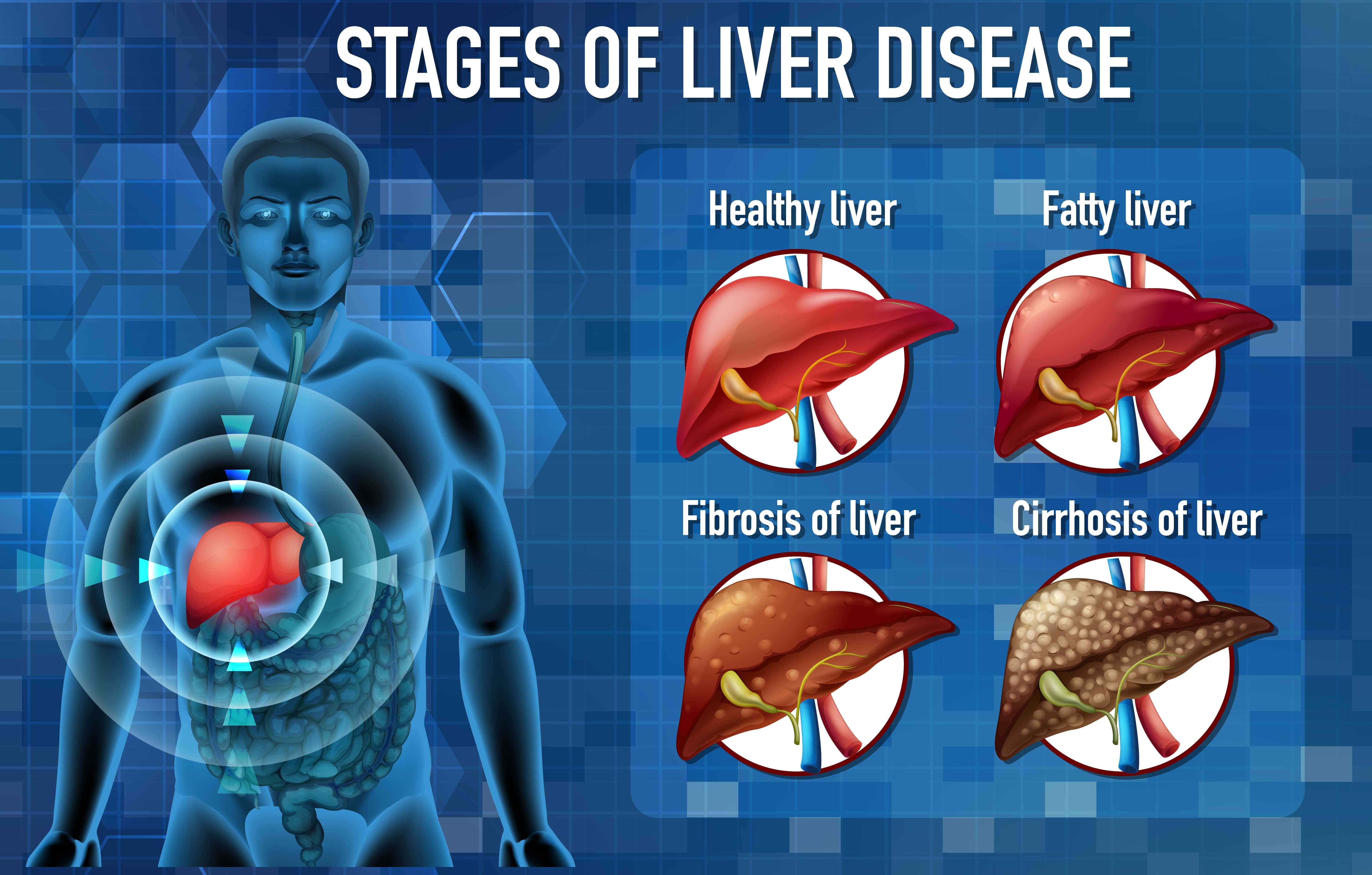
The liver is the largest internal organ in the body — about 1.5 kg in an adult. It sits in the upper right side of the abdomen, just under the diaphragm, partially protected by the lower right ribs. It is reddish-brown, soft, and wedge-shaped.
The liver has two main lobes, divided into smaller functional units called lobules. Blood flows into the liver from two sources — the hepatic artery brings oxygenated blood from the heart, and the portal vein brings nutrient-rich blood from the digestive system. This dual blood supply allows the liver to process nutrients absorbed from food and filter toxins from circulation.
After processing, blood leaves the liver through the hepatic veins and returns to the heart for circulation.
The liver filters every drop of blood that passes through the digestive system, removing toxins, waste products, drugs, alcohol, and harmful substances. It transforms them through complex chemical reactions and prepares them for elimination through urine or bile.
This includes:
When the liver is overwhelmed or damaged, toxins accumulate in the blood and cause problems throughout the body.
The liver produces about 800 to 1000 ml of bile daily. Bile is stored in the gallbladder and released into the small intestine after meals.
Bile does several jobs:
Without adequate bile, fat digestion suffers, leading to fatty stools, weight loss, and vitamin deficiencies.
The liver makes many essential proteins:
Albumin — maintains fluid balance in the bloodstream. Low albumin causes swelling and fluid retention.
Clotting factors — most of the proteins needed for blood clotting are made in the liver. Liver damage leads to bleeding tendencies.
Carrier proteins — transport hormones, vitamins, and other substances through the blood.
Immune proteins — including complement proteins and acute phase reactants.
The liver maintains blood sugar levels through two mechanisms:
After meals — when blood sugar is high, the liver converts excess glucose into glycogen for storage.
Between meals — when blood sugar drops, the liver breaks down glycogen back into glucose and releases it.
The liver can also produce glucose from non-carbohydrate sources (gluconeogenesis) during fasting or stress.
This is why people with severe liver disease often develop blood sugar instability.
The liver:
Liver disease often disrupts cholesterol and triglyceride balance.
The liver stores significant amounts of:
These reserves can last months. When liver function fails, these stores eventually deplete.
The liver processes and removes excess hormones from circulation, including:
Liver disease can cause hormonal imbalances throughout the body.
The liver contains specialised immune cells called Kupffer cells that:
The liver also produces many immune proteins. People with liver disease are more vulnerable to infections.
The liver processes the vast majority of medications taken into the body. It modifies drugs to make them active, inactive, or easier to eliminate.
This is why many medications need dose adjustments in people with liver disease, and why liver function tests are checked before starting certain drugs.
The liver helps break down old red blood cells and recycle iron. This produces bilirubin, which is then excreted in bile.
When this system breaks down, bilirubin accumulates and causes jaundice.
You cannot. Unlike kidneys (where one is enough) or even portions of the lungs and intestines (where partial function can sustain life), the liver is essential. Without functioning liver tissue, death follows within hours to days.
The liver is the only organ in the body with significant regenerative capacity. After partial removal or damage, healthy liver tissue can regenerate over weeks. This is why partial liver donation for transplantation is possible — both donor and recipient livers regenerate after surgery.
This remarkable regeneration is also why the liver can sustain substantial damage before symptoms appear. Up to 70 to 80 percent of liver function can be lost before clinical signs develop.
1. Alcohol — directly toxic to liver cells. Chronic heavy drinking causes fatty liver, hepatitis, fibrosis, and cirrhosis. Even moderate regular drinking causes some damage.
2. Fatty liver disease — fat accumulation in liver cells. Two main types:
NAFLD has become extremely common in urban India alongside rising rates of obesity and diabetes.
3. Viral hepatitis — hepatitis A, B, C, D, E. Cause inflammation and varying degrees of damage. Hepatitis B and C can become chronic and lead to cirrhosis and liver cancer.
4. Medications — many drugs can harm the liver. Paracetamol overdose is a common cause of acute liver failure. Other culprits include some antibiotics, anti-tuberculosis drugs, statins, anti-seizure medications, and many traditional or unregulated supplements.
5. Autoimmune hepatitis — the body's immune system attacks the liver.
6. Genetic conditions — Wilson's disease, hemochromatosis, alpha-1 antitrypsin deficiency.
7. Bile duct disorders — blocking the flow of bile damages the liver over time.
8. Heart failure — chronic blood backup affects liver function.
9. Liver cancer — primary or metastatic.
10. Toxins — exposure to industrial chemicals, certain herbal supplements, contaminated food.
AST and ALT — enzymes released when liver cells are damaged. Elevation suggests injury.
ALP — enzyme that can indicate bile flow problems or bone disease.
GGT — elevated in alcohol use and bile problems.
Bilirubin — elevated when the liver cannot process it properly. Causes jaundice.
Albumin and total protein — reflect the liver's protein-making ability.
PT/INR — measures clotting factor production. Prolonged with significant liver damage.
Ultrasound — first-line imaging. Shows liver size, fat infiltration, masses, and bile duct issues.
CT or MRI — more detailed imaging when needed.
FibroScan — measures liver stiffness, helps assess fibrosis without biopsy.
A small sample of liver tissue examined under a microscope. Used when diagnosis is unclear or when assessing the degree of damage.
The combination of symptoms together raises concern. Any of these in isolation may have other explanations.
Alcohol is the single most preventable cause of liver damage in India. Even moderate regular drinking adds up. If you drink, keep it occasional and limited. For people with existing liver disease, complete abstinence is often necessary.
NAFLD is now one of the leading causes of liver disease. Excess weight, particularly abdominal weight, drives fat accumulation in the liver.
Sustainable weight loss through diet and exercise can reverse early NAFLD.
Coffee in moderation appears to be protective against liver disease in multiple studies.
Hepatitis A and hepatitis B vaccines are widely available. They prevent two important causes of liver damage.
Hepatitis B and C can be transmitted sexually. Safe practices reduce risk.
Razors, toothbrushes, and any item that may carry blood can transmit hepatitis viruses.
Both conditions contribute to NAFLD. Good control protects the liver.
Annual blood tests that include liver function are valuable, particularly:
Early detection allows intervention before serious damage develops.
1. "Only alcoholics get liver disease." Non-alcoholic fatty liver disease is now the most common cause of liver disease in many populations, including in India.
2. "Liver disease always causes symptoms." Most early liver disease is silent.
3. "Liver tonics and detox products clean the liver." No good evidence supports these claims. The liver detoxifies itself with proper nutrition and avoidance of toxins.
4. "Once you have liver damage, you cannot recover." Many forms of early liver damage are reversible with appropriate intervention.
5. "Yellow eyes always mean jaundice." Yellowing is the hallmark, but many causes exist.
6. "Liver problems only affect adults." Children can have hepatitis, genetic liver disorders, and other liver conditions.
7. "Pain in the upper right abdomen always means liver problems." Many other causes exist. Liver problems often cause less pain than people expect.
A consultation makes sense when:
Liver disease has become increasingly common in Delhi NCR. Multiple factors contribute — rising obesity rates, diabetes, alcohol consumption, sedentary lifestyles, frequent restaurant meals, and exposure to certain medications and traditional supplements that can harm the liver.
NAFLD specifically is now extremely common in Noida professionals — driven by abdominal obesity, sedentary work, and metabolic issues.
Practical adaptations include annual health checkups with liver function tests, moderating alcohol consumption, addressing weight and metabolic issues, vaccinating against hepatitis A and B, and gastroenterology consultation when concerns arise.
At Prakash Hospital, Noida, experienced gastroenterologists and hepatologists offer comprehensive liver evaluation including liver function tests, ultrasound, FibroScan, and other imaging when needed, alongside personalised treatment plans for various liver conditions.
Whether you are in Sector 18, Sector 62, Greater Noida West, or anywhere nearby, Prakash Hospital Noida is a trusted name for liver health and gastroenterology.
To book a consultation, call the number.
The liver does enormous work quietly and continuously. It processes everything you eat, drink, breathe, and apply to your skin. It produces critical proteins. It stores energy. It regulates hormones. It defends against infections. It performs so many functions that life without it is impossible.
The good news is that the liver is remarkably resilient. It can recover from many forms of damage when the harmful factors are removed and good habits replace bad ones. Fatty liver can resolve. Hepatitis can be treated. Early fibrosis can stabilise.
The bad news is that it does this work silently. By the time you notice symptoms, substantial damage has often occurred. Annual liver function tests during routine checkups identify problems early when intervention works best.
Protect your liver the way you would protect any organ doing this much work — with moderate alcohol, healthy weight, balanced diet, sensible medication use, vaccination against preventable viruses, and regular checkups. The investment is small. The return is years of healthy life from an organ you might otherwise never think about.
Tags: #LiverFunction #LiverHealth #PrakashHospitalNoida

A camera test of the food pipe, stomach and duodenum for acidity, ulcers, bleeding and swallowing problems.
A thin needle sample of liver tissue to diagnose liver disease and measure scarring when other tests can't.
A camera test of the large bowel that investigates bleeding or bowel changes and removes polyps early.
Free tools to check your weight, plan a pregnancy, track calories and more.
We offer expert care across key specialties, including Medicine, Cardiology, Orthopaedics, ENT, Gynaecology, and more—delivering trusted treatment under one roof.
Discover early signs your liver may not be functioning properly, including fatigue, jaundice and digestive issues, expert liver care in Noida.
24 Mar 2026
by Prakash Hospital

Hepatomegaly or enlarged liver — understand the causes, symptoms, and treatment options. Visit Prakash Hospital Noida for liver evaluation and care.
7 Jul 2026
by Prakash Hospital
Home remedies to strengthen the liver — foods, lifestyle changes, and natural approaches that support liver health. Visit Prakash Hospital Noida for liver care.
11 Jun 2026
by Prakash Hospital

Learn the early symptoms of thyroid problems in women, common causes, and when to seek medical advice for timely diagnosis and treatment.
13 May 2026
by Prakash Hospital

जानिए थायरॉइड टेस्ट कब करवाना चाहिए, किन लक्षणों में जांच जरूरी है, और कौन-कौन से टेस्ट होते हैं। सही समय पर Prakash Hospital से संपर्क करें।
2 Mar 2026
by Prakash Hospital

Discover what causes insulin resistance and how diet, exercise, sleep, and lifestyle changes can help you take control of your health
9 Apr 2026
by Prakash Hospital
Learn the importance of dietary fiber for digestion, heart health, and immunity with expert-backed insights from Prakash Hospital, Noida.
15 Sept 2025
by Prakash Hospital

Learn about high fibre foods, types of dietary fibre, digestive benefits, recommended intake, and how fibre prevents constipation and heart disease.
27 Feb 2026
by Prakash Hospital

Stomach infection symptoms — gastroenteritis, H. pylori, amoeba and more. What to do at home and when to see a doctor. Prakash Hospital Noida.
21 Aug 2026
by Prakash Hospital


Book a consultation with Prakash Hospital's specialists — 24/7 emergency care, 100+ doctors, NABH accredited.
View All Departments