Itchy skin rash, highlighting irritation, redness, and discomfort commonly associated with allergic reactions or skin conditions.
You notice it suddenly. Redness on your arm. Tiny bumps that itch on your chest. Patches on your neck that were not there yesterday. A scaly area developing on your inner elbow. Some rashes appear and disappear without explanation. Others spread and worsen. Some itch unbearably while others are mostly cosmetic concerns.
Skin rashes are one of the most common reasons people see doctors. The skin is the body's largest organ and its outermost defence. When something is wrong — internally or externally — the skin often responds with a rash. Understanding the type of rash, what triggered it, and when to take it seriously can save you from worsening conditions and unnecessary worry.
This article walks through the common types of skin rashes, what causes them, and when professional care is needed.
A rash is any abnormal change in the appearance, colour, or texture of the skin. It can include:
Rashes can be limited to one area or spread across the body. They can come and go quickly or persist for weeks. The combination of features helps identify the type and cause.
A reaction to something the skin touched.
Two main types:
Irritant contact dermatitis — direct damage from soaps, detergents, chemicals, or friction.
Allergic contact dermatitis — immune reaction to allergens like nickel, fragrances, certain cosmetics, plants, latex.
Appearance: Red, itchy, sometimes blistered area in the shape of the contact. Hands and exposed areas common.
Treatment: Identifying and avoiding the trigger. Topical steroids for inflammation. Moisturisers.
Chronic inflammatory skin condition with strong genetic component.
Appearance: Dry, itchy patches often on the inside of elbows, behind knees, neck, hands. Red and inflamed during flares.
Triggers: Dryness, irritants, stress, certain foods (sometimes), seasonal changes, infections.
Treatment: Daily moisturising, identifying triggers, topical steroids during flares, sometimes systemic treatment.
Raised, itchy welts that can appear anywhere on the body.
Appearance: Pink or red raised areas, often with pale centres, varying sizes, change shape and location within hours.
Causes: Food allergies, medications, insect bites, infections, stress, sometimes unknown.
Treatment: Antihistamines, identifying triggers. Severe cases need medical attention because of possible airway involvement.
Blocked sweat glands cause small bumps.
Appearance: Tiny red or clear bumps, particularly in skin folds and areas covered by clothing. Common in hot, humid weather.
Treatment: Cooling the affected area, loose clothing, calamine lotion, keeping the skin dry.
Several types affect different body areas.
Ringworm — circular red patches with clearer centres. Despite the name, no worm is involved.
Athlete's foot — between toes, causes itching, scaling, sometimes blisters.
Jock itch — groin area, red and itchy.
Yeast infections — particularly in body folds.
Treatment: Antifungal creams. Stubborn cases may need oral antifungals.
Impetigo — yellow-crusted sores, common in children.
Cellulitis — red, warm, painful, spreading skin infection. Can be serious.
Folliculitis — infection of hair follicles. Small pus-filled bumps.
Treatment: Antibiotics — topical for mild cases, oral for more serious infections. Cellulitis sometimes needs hospital care.
Chickenpox — itchy blisters in various stages.
Measles — red flat spots that spread.
Shingles — painful blistering rash along nerve distribution.
Hand, foot, and mouth disease — common in children.
Treatment: Mostly supportive care. Some viral infections need specific antiviral medications.
Autoimmune condition causing rapid skin cell turnover.
Appearance: Thick, silvery-scaled red patches, common on elbows, knees, scalp, lower back.
Treatment: Topical treatments, light therapy, oral medications, biologics for severe cases.
Chronic condition causing facial redness.
Appearance: Persistent redness, visible blood vessels, sometimes acne-like bumps on the face.
Treatment: Avoiding triggers (alcohol, spicy food, heat), topical medications, oral treatments, laser.
Inflammatory condition affecting oily areas.
Appearance: Red patches with greasy yellow scales, common on scalp (dandruff), face, ears, chest.
Treatment: Antifungal shampoos and creams, topical steroids during flares.
Reactions to medications.
Appearance: Variable — from mild itchy rashes to severe reactions affecting whole body.
Common culprits: Antibiotics, NSAIDs, anti-seizure medications, allopurinol.
Treatment: Stopping the drug. Severe reactions need medical care.
Appearance: Localised red bumps, sometimes with central puncture, itchy or painful.
Treatment: Cooling, antihistamines, hydrocortisone cream. Severe reactions need medical care.
Reaction to sun exposure.
Appearance: Itchy red bumps or patches after sun exposure, especially on areas usually covered.
Treatment: Sun protection, antihistamines, sometimes topical steroids.
Self-limiting rash often starting with a "herald patch" followed by spreading rash.
Appearance: Oval pink patches in characteristic distribution.
Treatment: Usually resolves on its own in 6 to 8 weeks. Symptomatic care.
Inflammatory condition.
Appearance: Purple, flat-topped, itchy bumps, often on wrists, ankles, lower back.
Treatment: Topical steroids, sometimes systemic medications.
Difficulty breathing or swallowing along with rash — possible severe allergic reaction.
Rash spreading rapidly across the body.
High fever with rash.
Severe pain in the rash area.
Blistering covering large areas.
Rash with rapidly worsening general illness.
Purple, dark, or bruise-like spots that do not fade with pressure — possible serious bacterial infection.
Mucous membrane involvement — rash in mouth, eyes, genitals.
Rash after starting a new medication with associated symptoms.
These situations call for emergency medical attention.
When you develop a new rash, basic information helps you and your doctor:
When did it start? Recent or long-standing.
Where did it appear? Localised or widespread.
What does it look like? Red, raised, scaly, blistered.
Any recent exposures? New soap, detergent, cosmetic, food, medication, plants, animals.
Any other symptoms? Fever, joint pain, fatigue, breathing issues.
This information helps determine if home care is appropriate or medical evaluation is needed.
For rashes that are mild, localised, and without concerning features:
Identify and stop the trigger if known.
Gentle cleansing with lukewarm water and mild soap.
Avoid scratching — can worsen the rash and cause infection.
Cool compresses can reduce itching and inflammation.
Moisturise with fragrance-free cream or ointment.
Calamine lotion soothes itching.
Over-the-counter hydrocortisone cream (1%) for limited use on mild inflammatory rashes.
Oral antihistamines for itching and possible allergic component.
Loose clothing in cotton or breathable fabric.
Avoid hot showers — strip moisture and worsen many rashes.
If the rash persists more than 1 to 2 weeks, worsens, or spreads, see a doctor.
The pattern, distribution, and appearance of the rash often suggest the diagnosis.
When it started, possible triggers, accompanying symptoms, medical history, medications.
Looking at the rash in detail, examining other body areas, checking lymph nodes if relevant.
Skin scraping — for fungal infections.
Patch testing — for suspected contact allergies.
Skin biopsy — for unusual or stubborn rashes.
Blood tests — when systemic illness is suspected.
Bacterial cultures — for infections.
Moisturisers — foundation for many skin conditions.
Topical corticosteroids — for inflammation. Used short-term for flares.
Topical calcineurin inhibitors — alternatives to steroids for eczema and other conditions.
Topical antifungals — for fungal infections.
Topical antibiotics — for bacterial infections.
Other specific treatments — depending on the condition.
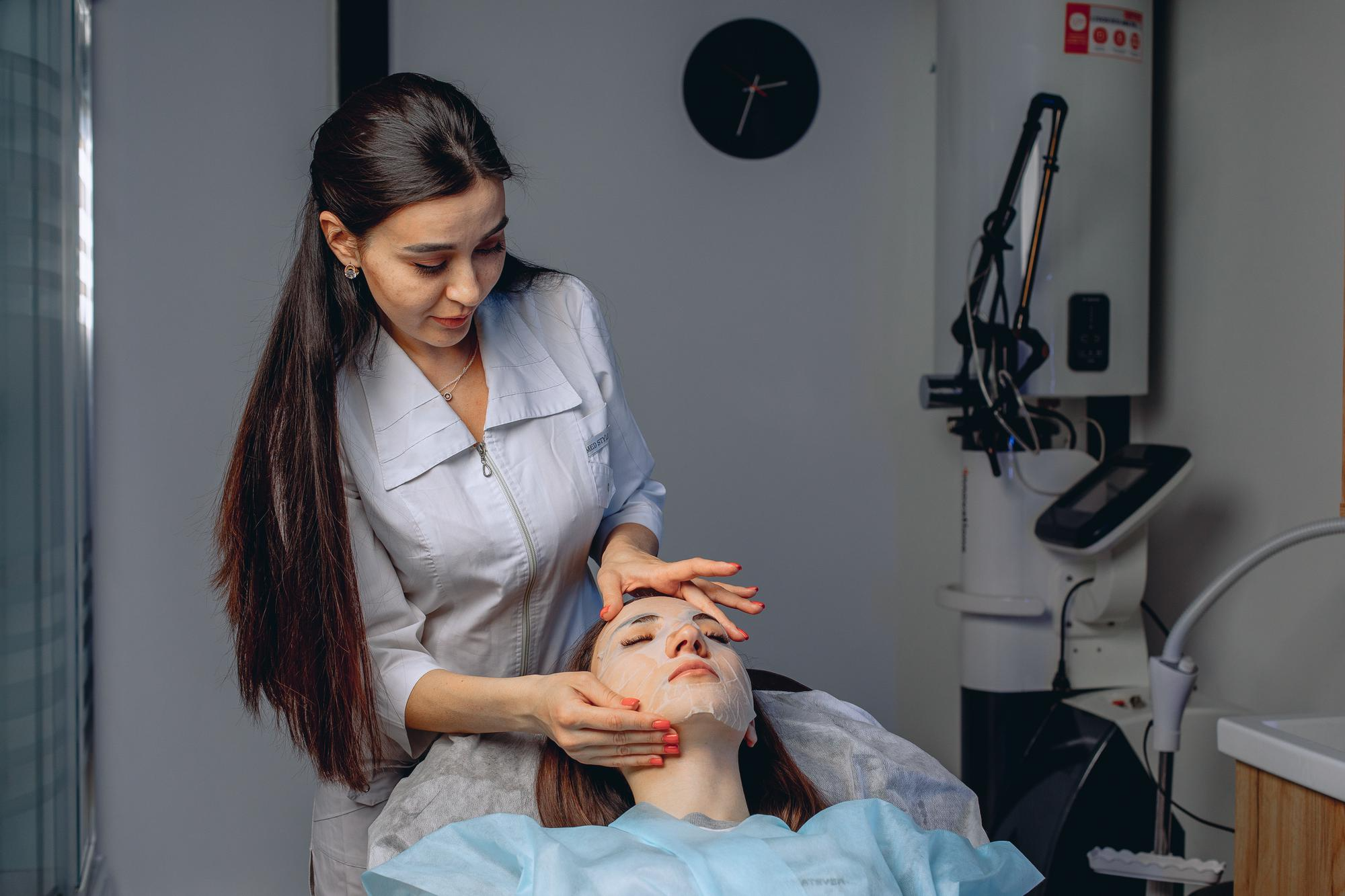
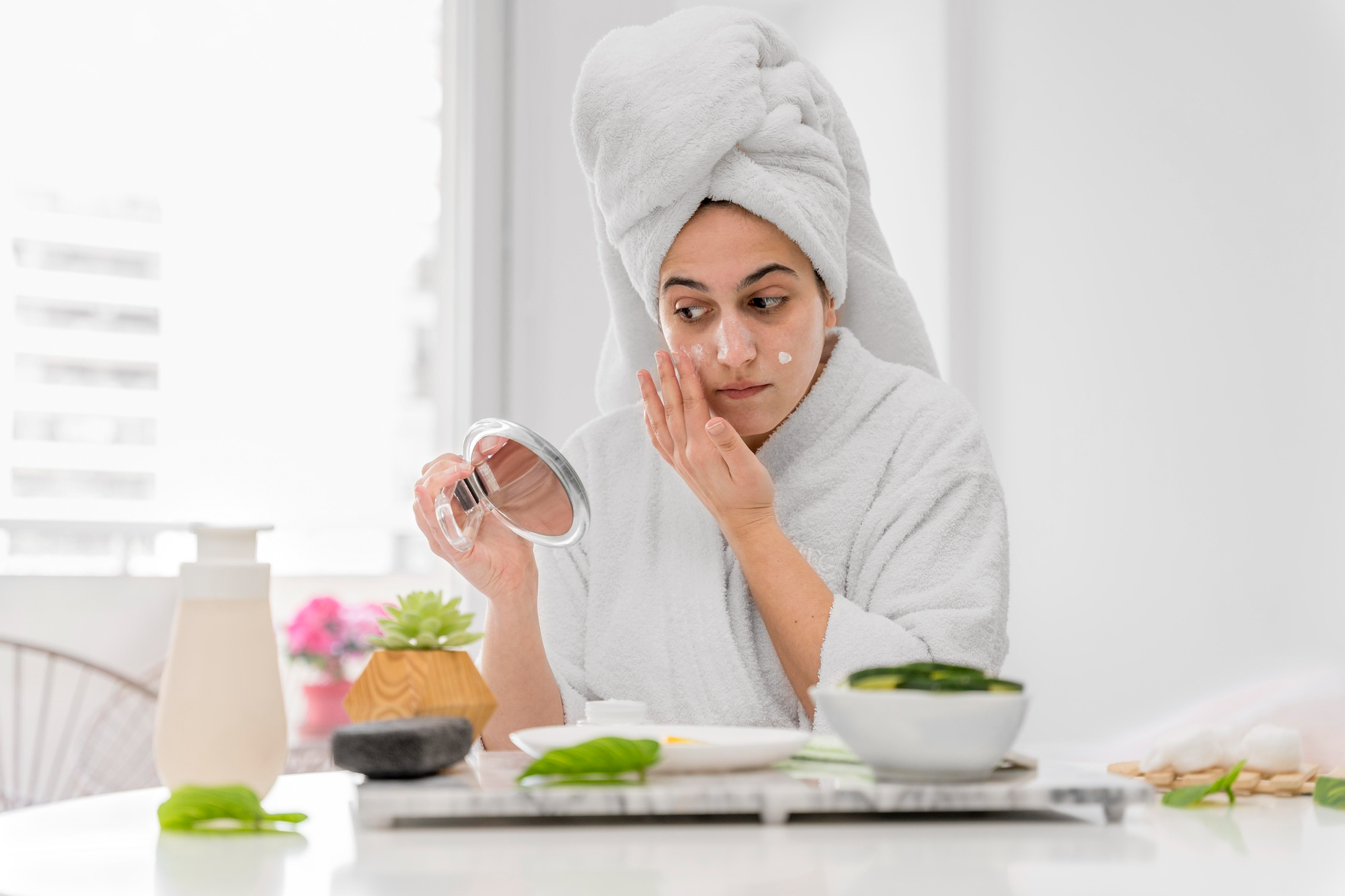
A woman at a dermatologist’s clinic while the doctor examines her facial skin and puts on a face mask.
Antihistamines — for itching and allergic components.
Oral steroids — for severe inflammatory reactions, short term.
Oral antifungals — for stubborn fungal infections.
Antibiotics — for bacterial infections.
Immunosuppressants — for severe autoimmune skin conditions.
Biologics — for psoriasis and severe inflammatory conditions.
Phototherapy — for psoriasis, eczema, some other conditions.
Laser treatments — for rosacea, vascular conditions.
Cryotherapy — for specific lesions.
"All rashes are allergic." Many causes exist. Allergic causes are common but not universal.
"Rashes always need creams." Some need oral medication. Some need specific treatments. Some resolve on their own.
"Hot water cleans rashes better." Hot water often worsens rashes.
"All rashes are contagious." Some are. Many are not.
"You can identify the cause from photos online." Skin conditions can look similar but have very different causes and treatments. Professional evaluation matters for persistent rashes.
"Steroid creams are dangerous." Used properly, they are safe and effective. Long-term unsupervised use can cause problems.
"Indian skin reacts differently to all treatments." Most dermatology treatments work for Indian skin. Some specific considerations apply.
"Rashes always need expensive products." Many effective treatments are inexpensive.
A consultation makes sense when:
Identify and avoid triggers — for allergic and contact dermatitis.
Good hygiene — but not excessive washing.
Gentle skincare — fragrance-free products for sensitive skin.
Moisturise regularly — especially after bathing.
Sun protection — for sun-sensitive conditions.
Manage stress — affects many skin conditions.
Healthy diet — supports overall skin health.
Treat infections promptly — before they cause widespread reactions.
Test new products — patch test on a small area before widespread use.
Many skin rashes are common in childhood. Most are self-limiting. Some need pediatric dermatology evaluation.
Hormonal changes can cause various rashes. Some are normal pregnancy-related changes. Others need evaluation. Treatment options are limited because many medications are avoided in pregnancy.
Skin becomes drier and more sensitive with age. Drug rashes are more common because of multiple medications. Some serious conditions like shingles are more common.
Higher risk of skin infections. Wound healing is slower. Even minor rashes deserve attention to prevent complications.
Skin rashes are particularly common in Delhi NCR because of pollution, hard water, climate variations, and stress. Specific conditions like eczema flares, fungal infections in humid months, and contact dermatitis from cosmetics are frequent.
Practical adaptations include using gentle skincare products, identifying personal triggers, treating fungal infections promptly during humid months, and dermatology consultation for persistent or recurrent rashes.
At Prakash Hospital, Noida, experienced dermatologists offer comprehensive evaluation of skin rashes including identification of the type, allergy testing when relevant, biopsy when needed, and personalised treatment plans.
Whether you are in Sector 18, Sector 62, Greater Noida West, or anywhere nearby, Prakash Hospital Noida is a trusted name for dermatology consultation.
Skin rashes are common, varied, and usually treatable. The challenge is identifying the type and choosing the appropriate treatment. Self-treating with random products and remedies often produces frustration rather than results.
The reliable approach is to observe the rash carefully, try gentle home care for mild and recent rashes, watch for warning signs that indicate urgent care, and see a dermatologist for persistent, spreading, or severe rashes.
Most rashes can be managed effectively with the right combination of trigger avoidance, appropriate medication, and gentle skincare. Some chronic conditions need ongoing management but allow good quality of life.
If you have a rash that concerns you, the path forward is straightforward. Note when it started and any possible triggers. Try basic home care. Watch for warning signs. See a doctor if it persists or worsens. Most rashes resolve with the right approach.
 Copy
CopyWe offer expert care across key specialties, including Medicine, Cardiology, Orthopaedics, ENT, Gynaecology, and more—delivering trusted treatment under one roof.


Book a consultation with Prakash Hospital's specialists — 24/7 emergency care, 100+ doctors, NABH accredited.

Prakash Hospital Pvt. Ltd. is a 100 bedded NABH NABL accredited multispecialty hospital along with a center of trauma and orthopedics. We are in the service of society since 2001.
OUR SPECIALITIES
Patient Services
PROCEDURES
Contact Us
D – 12A, 12B, Sector-33, G. B. Nagar, Noida, Uttar Pradesh 201301
+91-8826000033


© 2026 All rights reserved.
Designed and Developed by Zarle Infotech