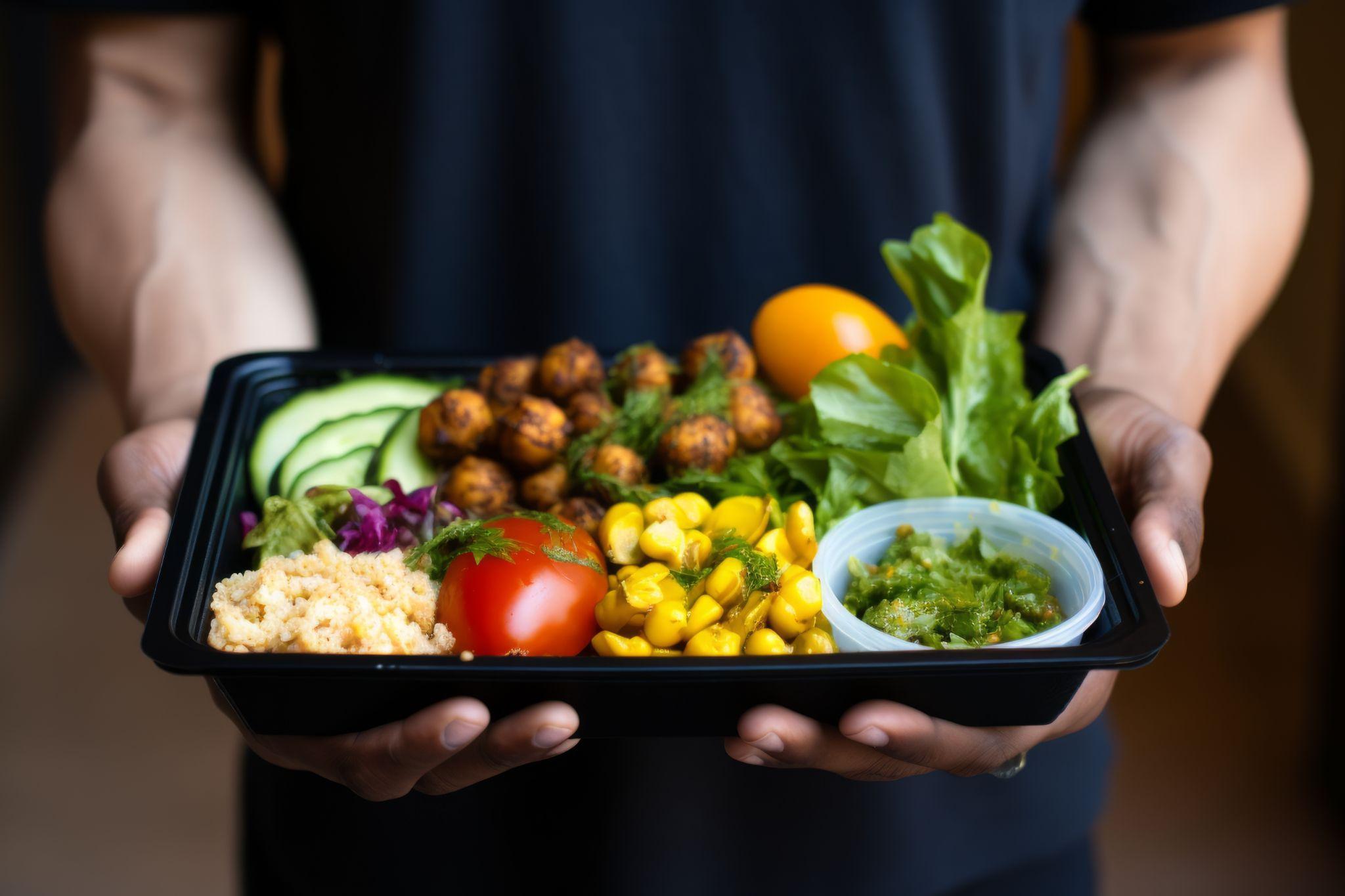
A meal on a platter with leafy green vegetables, corn, nuts, tomatoes, egg, and some avocados.
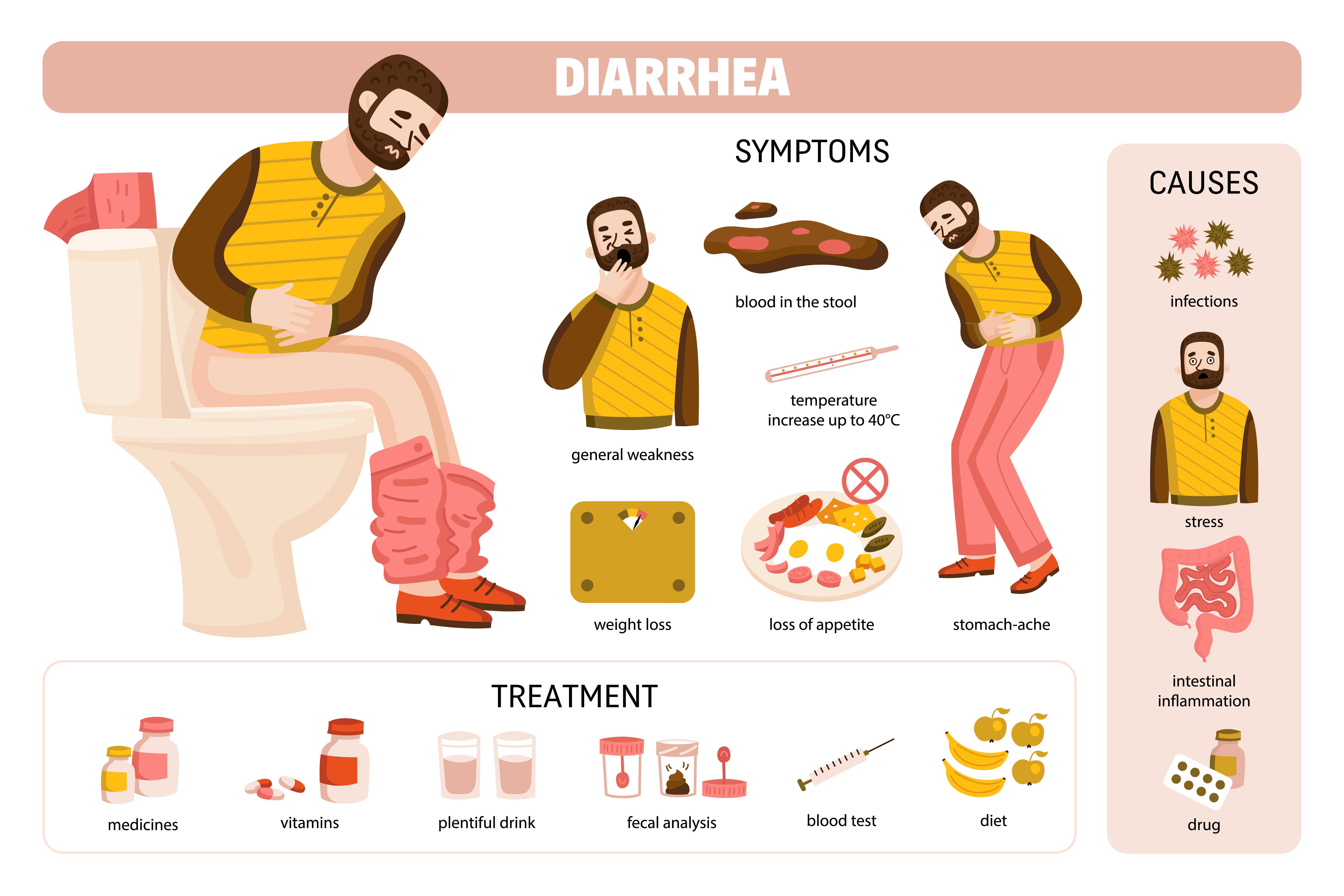
When loose motions hit, food becomes complicated. Your appetite often disappears. The thought of normal meals seems unappealing or downright nauseating. Yet your body needs energy and nutrients to recover. Skip food entirely and you become weaker. Eat the wrong things and you worsen the situation.
The right approach is neither fasting nor eating normally — it is a strategic intake of specific foods that support recovery without irritating the recovering digestive system. Indian kitchens have a well-developed tradition of recovery foods, and these align well with modern nutritional understanding.
This article walks through exactly what to eat during loose motions, when to eat what, what to avoid, and how to transition back to normal eating.
Several reasons make eating during loose motions important:
Energy — your body needs calories to fight infection and recover.
Electrolyte replacement — alongside hydration, food helps replace lost minerals.
Protein for healing — the gut lining needs amino acids to repair itself.
Maintaining gut function — total fasting can paradoxically slow recovery.
Preventing weight loss and weakness — particularly relevant if loose motions last several days.
The trick is choosing foods that provide these benefits without irritating an already inflamed digestive system.
Bland over spicy — avoid spices, chili, and strong flavours.
Soft over fibrous — cooked over raw, soft over hard textures.
Easy to digest — simple carbs, easy proteins, minimal fats.
Small frequent meals — overwhelming the gut worsens symptoms.
Hydrating foods — liquid-rich preparations support fluid intake.
No experimenting — stick to familiar foods you know your body tolerates.
Listen to your body — push only what you can handle.
The acronym BRAT stands for foods particularly suited to recovery from loose motions:
How to eat: 1 to 2 ripe bananas daily. Plain, mashed, or with curd.
How to eat: Plain boiled rice (white preferred during illness, as brown rice has more fibre). Rice water (the water rice was boiled in) can be sipped as a drink.
How to eat: Unsweetened applesauce, or boiled apple. Raw apple is fine in small amounts if tolerated.
How to eat: Plain white toast (during acute illness). Avoid butter, jam, peanut butter initially.
The Indian recovery food. Rice and moong dal cooked together until soft. Lightly seasoned with salt and possibly turmeric and cumin.
Why it works:
How to eat: 2 to 3 small portions daily. Add a small amount of ghee once tolerance returns.
Probiotic bacteria support gut recovery.
Why it works:
How to eat: Plain unsweetened curd, with rice, as buttermilk, or with banana. Avoid flavoured or very sweet varieties.
Diluted curd with water, often with rock salt and roasted cumin.
Why it works:
How to drink: Several glasses daily, slightly chilled or at room temperature.
Natural electrolytes from a hydrating source.
How to drink: A glass or two daily.
Easy-to-digest carbohydrate that provides energy and potassium.
How to eat: Plain boiled or mashed (without butter or excessive milk). Slightly salted.
Particular vegetables are gentle on the digestive system:
How to eat: Plain boiled or lightly cooked with minimal oil and spices.
Easy-to-digest carbohydrate preparation.
How to make: Cook sabudana in water until soft and translucent. Add a pinch of salt. Drink the watery preparation.
For when you need something solid quickly. Marie biscuits, glucose biscuits.
How to eat: A few at a time with tea or buttermilk.
Steamed rice and lentil cakes — fermented, easy to digest.
How to eat: Plain idli with a small amount of mild sambar or coconut chutney once tolerance returns. Avoid spicy chutneys initially.
Astringent properties and easy digestion.
How to eat: Fresh seeds or juice.
Vegetable broths, dal water, rice water.
How to consume: Throughout the day as both food and fluid.
Spicy foods — chili, masalas, hot sauces — all worsen inflammation.
Oily and deep-fried foods — samosa, pakora, fries, kachoris.
Heavy non-vegetarian meals — particularly red meat, fried chicken.
Spicy chutneys and pickles.
Strongly flavoured curries.
Plain milk — lactose can be poorly tolerated during loose motions.
Cheese — heavy and difficult to digest.
Cream-based items.
Ice cream — combination of dairy, sugar, and cold worsens things.
Sweetened lassi.
Plain curd is the exception — it usually helps.
During the acute phase:
Raw salads — too rough for an inflamed gut.
Whole grains — switch to white rice temporarily.
Beans and legumes (other than well-cooked moong dal) — gas-producing.
Cabbage, cauliflower — gas-producing.
Onions and garlic in large amounts.
Sweets and mithai — sugar can worsen loose motions.
Sugary beverages — colas, packaged juices, energy drinks.
Chocolate.
Cakes and pastries.
Alcohol — irritates the gut, dehydrates.
Excessive caffeine — coffee, strong tea.
Carbonated drinks — worsen bloating.
Concentrated fruit juices — sugar and acid can worsen things.
Cold drinks straight from the refrigerator.
Street food — risk of further infection.
Restaurant food — often contains hidden oil and spices.
Stale food.
Artificial sweeteners — sorbitol, mannitol can worsen diarrhoea.
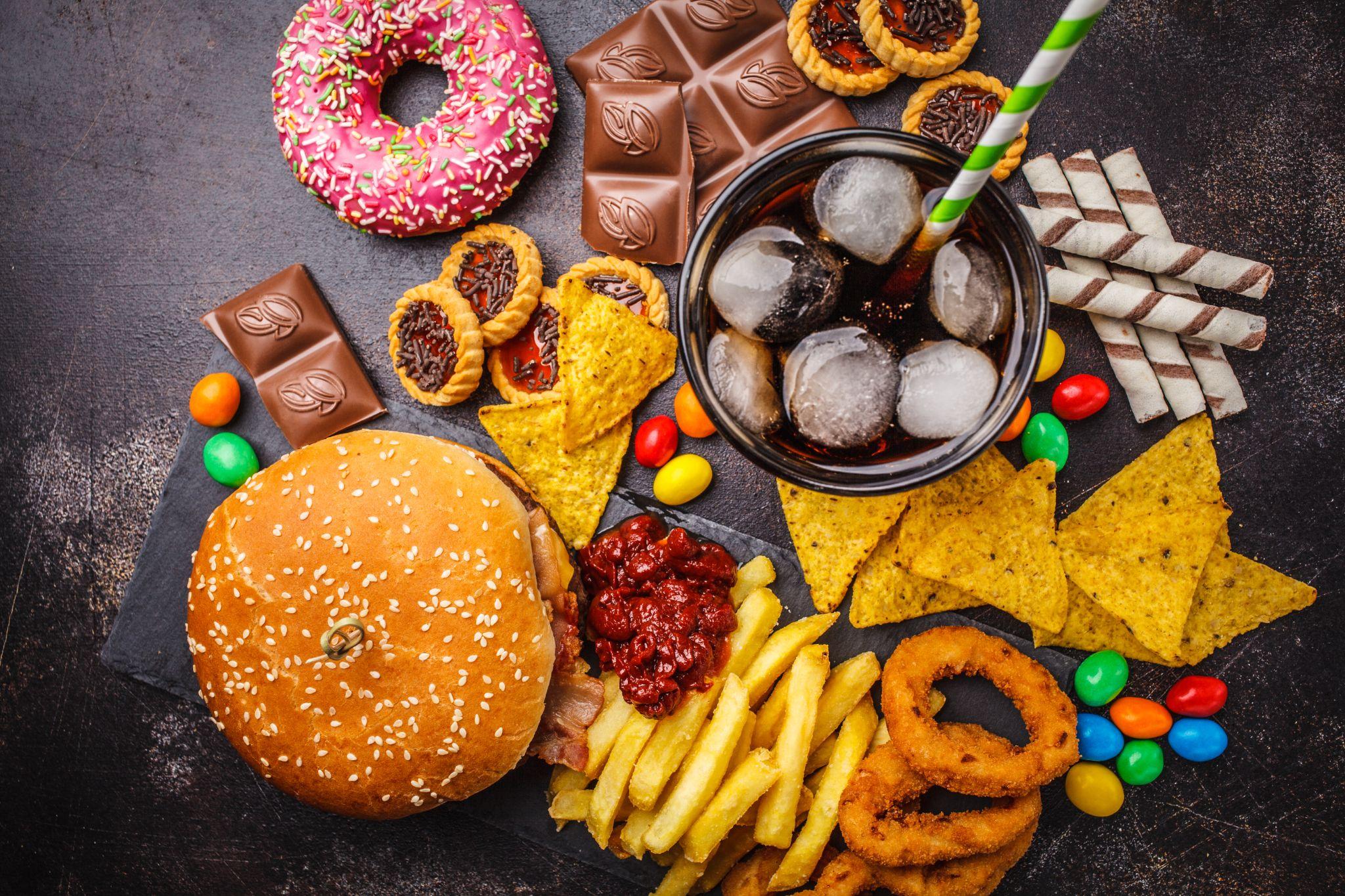
Assortment of fast food, sugary snacks, and soda including burger, fries, doughnut, chips, and chocolates.
Focus on fluids. Eat very little if appetite is poor.
Throughout the day:
If hungry:
Start adding bland foods.
Breakfast: Plain idli, or rice porridge with a pinch of salt.
Mid-morning: Banana with curd. ORS or buttermilk.
Lunch: Plain rice with curd. Small portion of khichdi. Boiled lauki.
Afternoon: Pomegranate juice. Plain biscuits if needed.
Dinner: Khichdi with a small amount of curd. Boiled potato.
Throughout: Continuous hydration.
Loose motions should be reducing.
Breakfast: Idli with mild sambar, or plain rice porridge.
Mid-morning: Banana, buttermilk.
Lunch: Rice with mashed dal. Boiled vegetables. Curd.
Afternoon: Pomegranate or apple. ORS or buttermilk.
Dinner: Khichdi with curd. Light vegetable.
Throughout: Hydration continues.
Gradually return to normal eating while staying cautious.
Breakfast: Idli, dosa (plain), or oats porridge. Banana.
Mid-morning: Fruit, buttermilk.
Lunch: Plain rice or roti. Light dal. Sabzi (lightly spiced). Curd.
Afternoon: Snack of fruit or roasted chana (if tolerated).
Dinner: Normal but light meal. Avoid heavy spices and oil.
Continue avoiding: Fried foods, very spicy foods, heavy non-vegetarian meals, alcohol for another few days.
Once acute symptoms resolve, certain foods support full gut recovery:
Probiotics:
Prebiotic foods (feed good bacteria):
Gentle proteins:
Gradually reintroduce:
If you cannot keep food or fluids down, if vomiting is persistent, if signs of dehydration develop, or if loose motions worsen, see a doctor. Sometimes intravenous fluids are needed temporarily.
For people who develop symptoms beyond the acute phase — persistent loose motions, weight loss, recurrent episodes — proper medical evaluation identifies any underlying condition.
"Complete fasting cures loose motions faster." Reducing food intake may help briefly, but total fasting weakens the body and slows recovery.
"Eat lots to replace what is lost." Overeating overwhelms the gut. Small frequent meals work better.
"Only liquids during loose motions." Some bland solid foods help recovery.
"Avoid all dairy." Curd usually helps. Plain milk should be avoided.
"Spicy food cures loose motions by 'sterilising' the gut." Spicy food irritates an inflamed gut and worsens symptoms.
"Bananas constipate dangerously." Bananas help firm stools but do not cause harmful constipation.
"Cold foods are dangerous during loose motions." Slightly cool foods are fine. Very cold foods may cause mild cramps in some people.
"Salt should be avoided." Salt loss is part of the problem. ORS contains salt for a reason.
"You can eat normally again immediately after loose motions stop." Gradual transition prevents recurrence.
Boiling — gentle, retains nutrients, no added fats.
Steaming — preserves nutrients, no irritating fats.
Light sautéing with minimal oil — once tolerance returns.
Avoid during acute phase:
Working professionals in Noida often try to continue normal eating during loose motions, which slows recovery. Office canteens and restaurant food typically have too much oil and spice for a recovering gut.
Practical adaptations include taking sick leave or working from home when possible, keeping curd, rice, and bananas at home as recovery foods, packing simple dabba meals if you must work, and avoiding all street food until fully recovered.
At Prakash Hospital, Noida, experienced gastroenterologists offer evaluation and treatment of loose motions including dietary guidance, identification of underlying causes, and treatment when needed.
Whether you are in Sector 18, Sector 62, Greater Noida West, or anywhere nearby, Prakash Hospital Noida is a trusted name for gastroenterology consultation.
Eating well during loose motions is one of those skills that pays off whenever you need it. The foundation is simple — bland foods, easy to digest, small frequent portions, plenty of fluids, gradual transition back to normal eating.
The Indian recovery foods — khichdi, curd rice, banana, plain rice, idli, buttermilk, pomegranate — work because they are gentle, nutritious, and traditional for a reason. Combined with adequate ORS and water, they support the body through illness without overwhelming a recovering digestive system.
Avoid the foods that worsen things — spicy, oily, deep-fried, sugary, heavily processed. Skip alcohol and caffeine. Be patient with the transition back to normal eating.
For most people, this dietary approach combined with rest and hydration handles loose motions in 2 to 3 days. When symptoms persist beyond that or warning signs develop, medical evaluation identifies any underlying issue.
Your digestive system is one of the most adaptable parts of your body. With the right inputs during illness, it recovers reliably. The kitchen has what you need.
 Copy
CopyWe offer expert care across key specialties, including Medicine, Cardiology, Orthopaedics, ENT, Gynaecology, and more—delivering trusted treatment under one roof.


Book a consultation with Prakash Hospital's specialists — 24/7 emergency care, 100+ doctors, NABH accredited.

Prakash Hospital Pvt. Ltd. is a 100 bedded NABH NABL accredited multispecialty hospital along with a center of trauma and orthopedics. We are in the service of society since 2001.
OUR SPECIALITIES
Patient Services
PROCEDURES
Contact Us
D – 12A, 12B, Sector-33, G. B. Nagar, Noida, Uttar Pradesh 201301
+91-8826000033


© 2026 All rights reserved.
Designed and Developed by Zarle Infotech