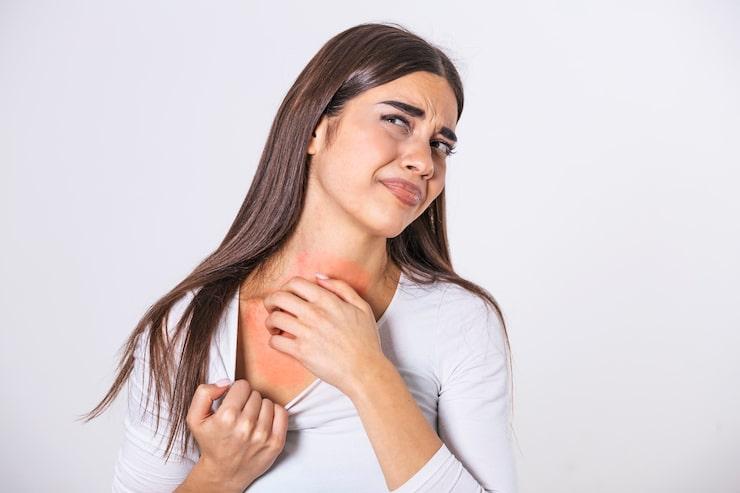
Irritated woman with eczema scars
Eczema (atopic dermatitis) is a chronic inflammatory skin condition characterised by intense itching, dry skin, and recurring flares of redness and rash. It affects an estimated 10–15% of children in India and a significant proportion of adults. It's not contagious and not caused by poor hygiene — it's a genetic skin barrier problem amplified by environmental triggers.
The skin of people with eczema has a genetic impairment of the barrier function — mutations in the filaggrin gene and other barrier proteins mean the outermost layer doesn't seal properly. Water evaporates through the barrier too easily (increased transepidermal water loss), and irritants and allergens penetrate inward more easily than they should.
The result is skin that is chronically dry, prone to irritation, and hypersensitive to environmental triggers. The immune system in atopic individuals (those with eczema) also has a tendency toward inflammation — this is why eczema often accompanies allergic asthma and allergic rhinitis (the "atopic triad").
Chronic baseline:
During flares:
Common locations in adults: the folds of the elbows, backs of the knees, wrists, ankles, neck, and around the eyes. In children: the face (particularly cheeks in infants) and the limbs.
Restoring and maintaining the skin barrier with regular, generous moisturiser application is the most important ongoing management. Not just during flares — continuously.
The 'soak and seal' method: bathe in lukewarm water for 10–15 minutes (hydrates the outer skin layer), then immediately — within 3 minutes — apply a thick moisturiser to seal in the water.
Best moisturisers for eczema: those containing ceramides (skin barrier lipids), emollients, and occlusives. Ointments (most occlusive) > creams > lotions for eczema. Petroleum jelly (Vaseline) is inexpensive and highly effective for very dry eczema skin. Cetaphil cream, Vaseline Intensive Care, and similar barrier-repair formulations.
Apply twice daily minimum — morning after bathing and before bed.
When a flare occurs, topical corticosteroids are the most effective treatment for reducing inflammation. Applied to the inflamed areas once or twice daily for 5–7 days.
Steroid selection:
Do NOT use strong steroids on the face. Do NOT use for extended periods without medical supervision — skin thinning and other side effects occur with prolonged use.
Keeping a flare diary (noting when flares occur and what exposures preceded them) helps identify personal triggers. Common avoidances:
Topical calcineurin inhibitors (pimecrolimus, tacrolimus): prescription non-steroid alternatives for sensitive areas (face, skin folds) where steroid side effects are most concerning. Effective for maintenance and mild flares.
Antihistamines (cetirizine, loratadine): reduce itching, particularly at night. Sedating antihistamines (chlorpheniramine) at night help with sleep-disrupting itch.
Wet wrap therapy: for severe flares — moisturiser applied heavily, skin wrapped in damp bandages, then dry outer layer. Highly effective for children with severe eczema; requires physiotherapy guidance.
Dupilumab (Dupixent): a biologic injection (anti-IL-4/IL-13) for severe adult eczema not responding to other treatments. Highly effective; now available in India though expensive.
Phototherapy (UVB): for widespread moderate-severe eczema; multiple sessions at a dermatology clinic.
Whether you live in Sector 18, Sector 62, Greater Noida West, or anywhere in the NCR, Prakash Hospital Noida is a trusted name for eczema treatment, skin conditions, and dermatology in Noida.
Tags: #EczemaSymptoms #EczemaTreatmentIndia #PrakashHospitalNoida
 Copy
CopyWe offer expert care across key specialties, including Medicine, Cardiology, Orthopaedics, ENT, Gynaecology, and more—delivering trusted treatment under one roof.
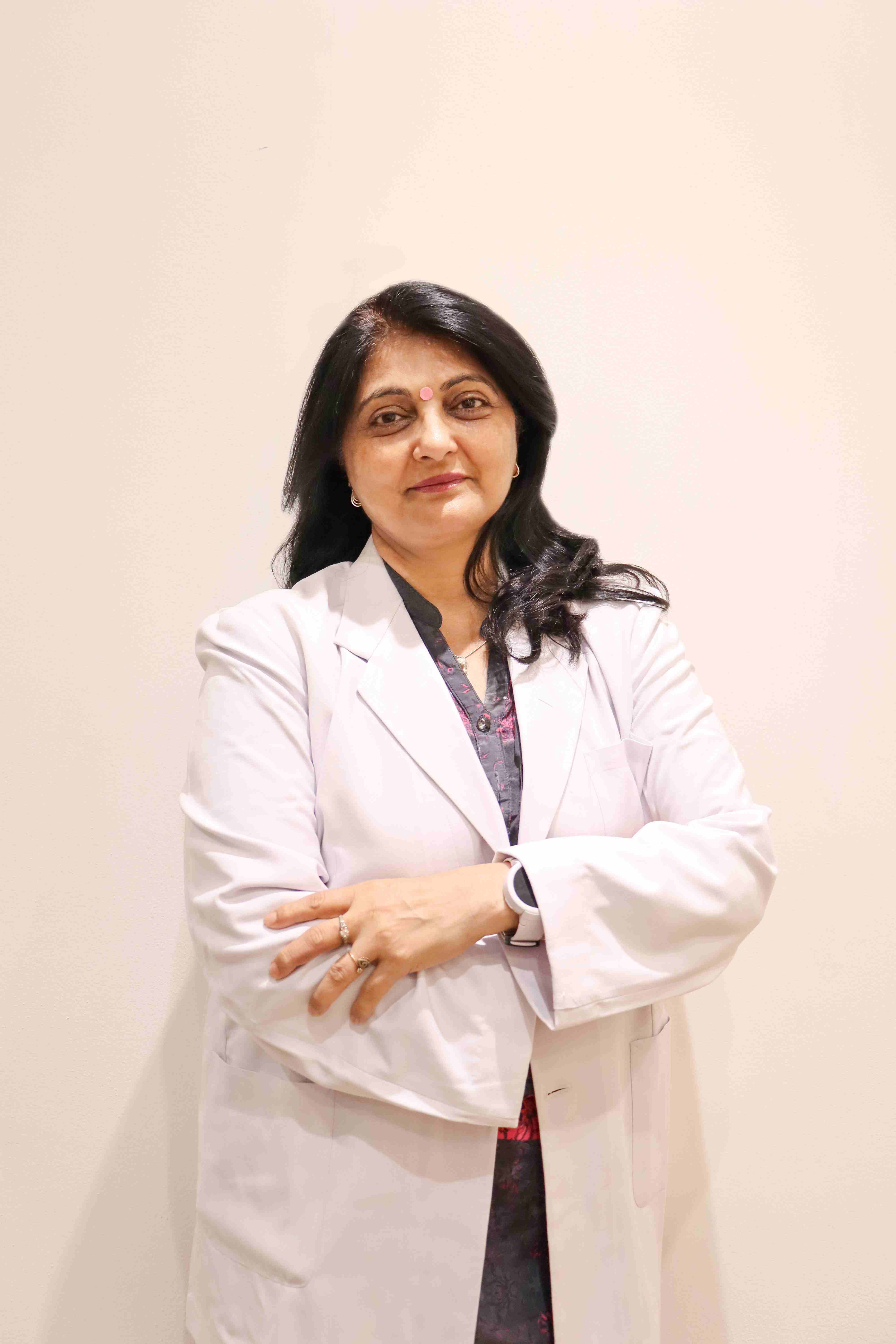
Dr. Alka Kapoor
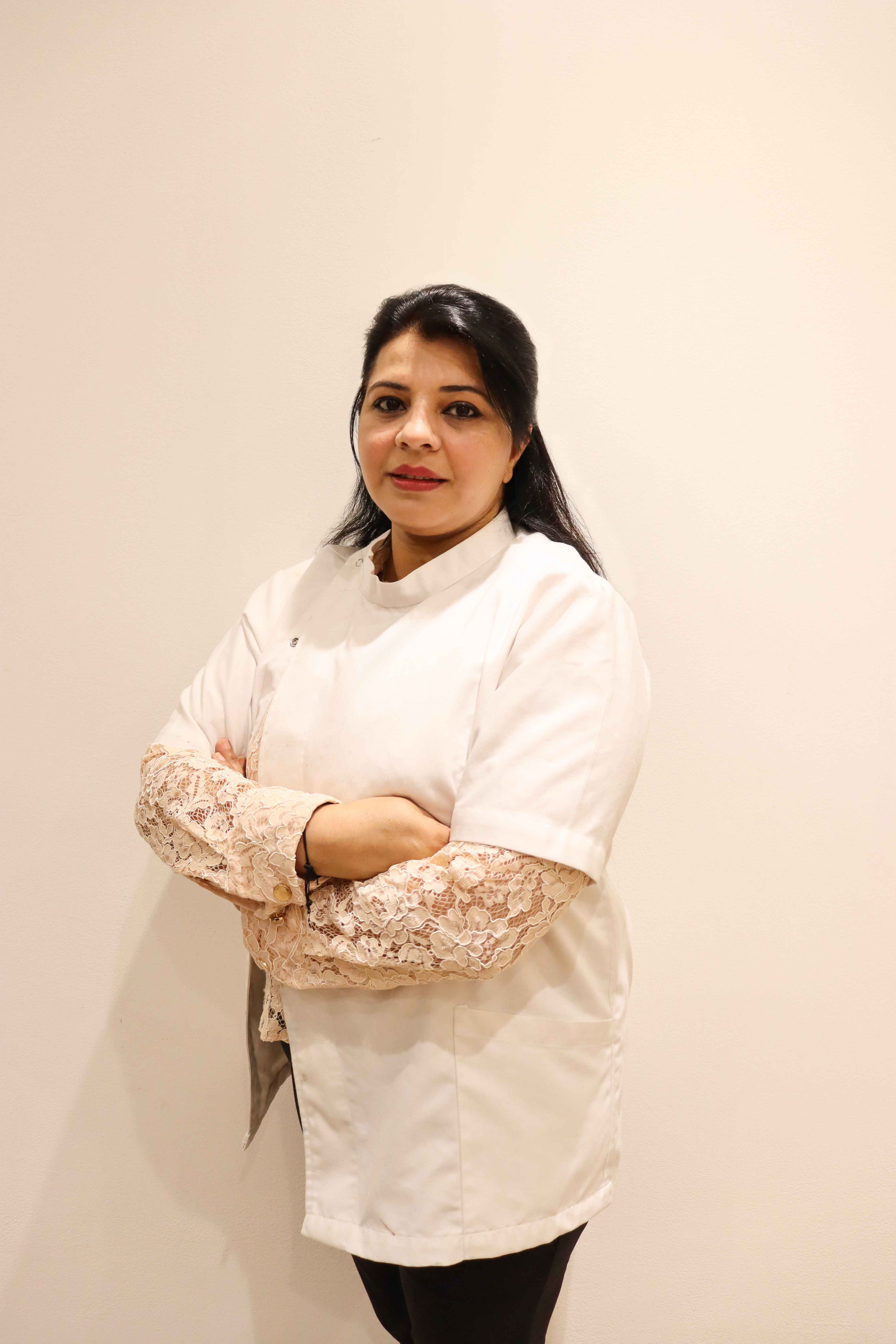
Dr. Megha
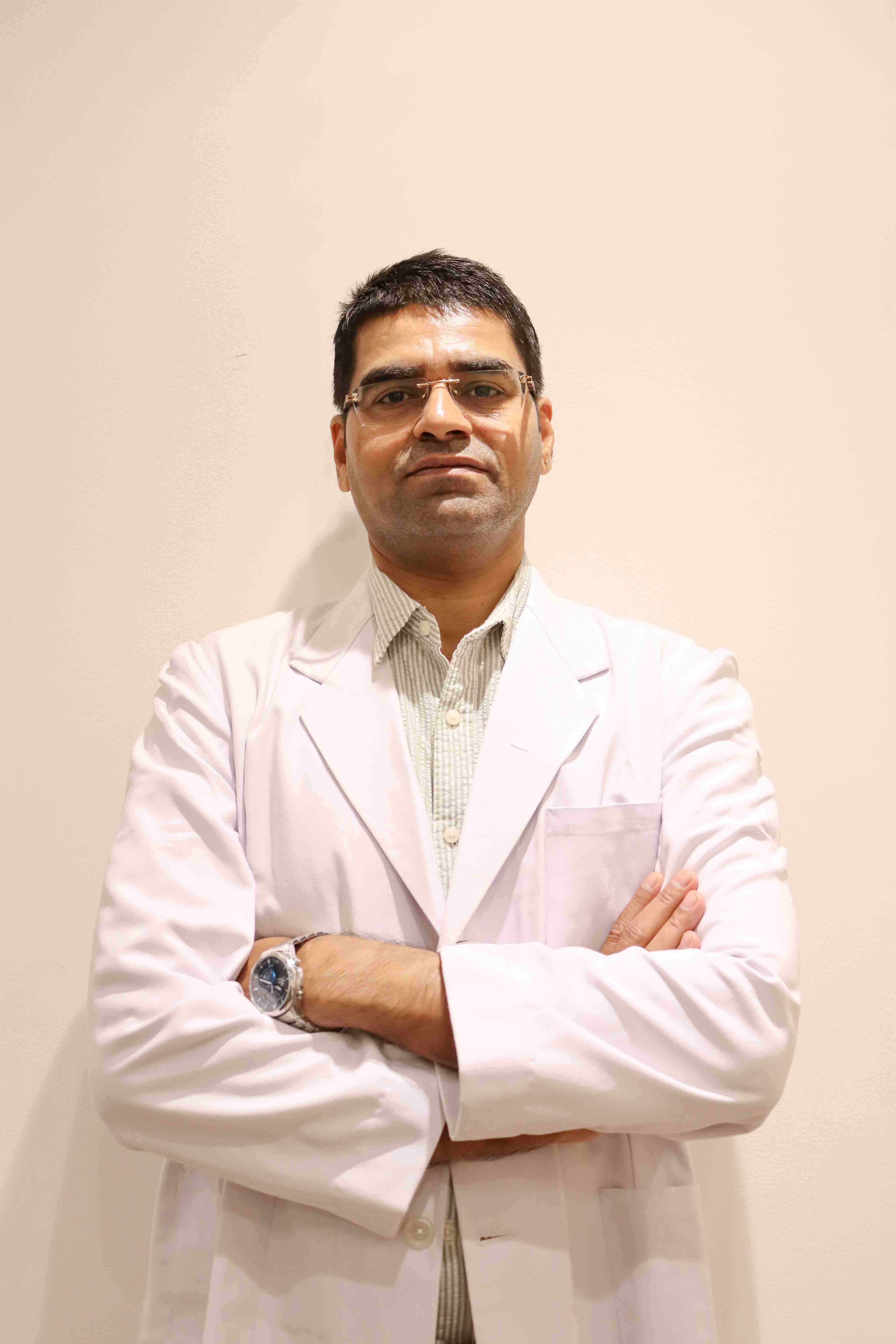
Dr. Divyajyoti Sharma


Book a consultation with Prakash Hospital's specialists — 24/7 emergency care, 100+ doctors, NABH accredited.

Prakash Hospital Pvt. Ltd. is a 100 bedded NABH NABL accredited multispecialty hospital along with a center of trauma and orthopedics. We are in the service of society since 2001.
OUR SPECIALITIES
Patient Services
PROCEDURES
Contact Us
D – 12A, 12B, Sector-33, G. B. Nagar, Noida, Uttar Pradesh 201301
+91-8826000033


© 2026 All rights reserved.
Designed and Developed by Zarle Infotech