


Yoga for Back Pain: Which Asanas Help and How to Do Them Safely
Yoga asanas for lower back pain that are evidence-backed, safe, and practical for Indian practitioners. Prakash Hospital Noida.
27 Aug 2026
by Prakash Hospital
by Prakash Hospital

man suffering from lower back pain
The most counterintuitive truth about lower back pain is that rest — which feels like the natural response to pain — is often the wrong choice. The muscles, ligaments, and joints of the lower back recover faster with gentle, appropriate movement than with prolonged rest. Bed rest for more than one or two days is now known to slow recovery, stiffen the spine, and weaken the very muscles that need to support it.
Exercise for lower back pain is not about pushing through pain. It's about choosing the right movements, doing them correctly, and doing them consistently. The exercises in this guide are appropriate for most people with non-specific lower back pain, subacute pain (lasting 4–12 weeks), and for prevention. They require no equipment and can be done at home on a yoga mat or any firm surface.
Important: if your lower back pain is severe, recent (within the past 48 hours), or associated with leg numbness, weakness, or bladder/bowel changes, see a doctor before starting exercise. If any exercise significantly worsens your pain or causes pain to travel further down the leg, stop that movement and seek physiotherapy guidance.
Work within your pain limits: mild discomfort during exercise is acceptable. Sharp, worsening, or new pain is a signal to stop.
Breathe continuously: many people hold their breath during core exercises (the Valsalva manoeuvre), which spikes spinal pressure. Breathe throughout every movement.
Consistency over intensity: 10 minutes daily produces better results than one long session once a week.
Warm up first: 5 minutes of gentle walking before starting exercises prepares the tissues.
Start with fewer repetitions: begin at the lower end of the repetition range and increase gradually over days and weeks as your back tolerates it.
Why it helps: gently activates the deep abdominal muscles and reduces lumbar compression. Often the very first exercise recommended by physiotherapists for acute and subacute lower back pain.
How to do it:
What to feel: your lower back pressing gently into the floor. Not a large movement. Your buttocks should stay on the floor.
Why it helps: gently stretches the lower back muscles and the sacroiliac joint. Relieves compression in the lower lumbar spine. Excellent as a morning stretch before getting out of bed.
How to do it:
Variation — single knee: bring one knee to the chest while the other leg stays flat on the floor. Hold 20 seconds each side.
Why it helps: gently mobilises the entire spine through flexion and extension. Reduces stiffness, improves circulation to the discs, and activates the spinal muscles in a gentle, controlled way.
How to do it:
What to feel: a gentle wave of movement through the spine. No sharp pain. If extension (cow) increases pain, stay in the neutral position or only do the cat (flexion) direction.
Why it helps: gently stretches the lower back, hips, and inner thighs. One of the most effective positions for relieving lower back tightness. Can be held for longer periods as a resting stretch.
How to do it:
Modification for tight hips: place a pillow between your buttocks and heels if you can't sit fully back.
Why it helps: strengthens the gluteal muscles (buttocks), hamstrings, and core — all of which support the lower back. Gluteal weakness is a very common contributor to lower back pain in sedentary adults; the glutes are supposed to absorb load during movement, and when they're weak, the lower back compensates.
How to do it:
Progression: once easy, hold for 20–30 seconds, or do single-leg bridges (one leg extended while the other stays planted).
Why it helps: one of the best exercises for core stability. Trains the deep spinal muscles (multifidus) and abdominal muscles to work together to stabilise the spine while the limbs move — exactly what they need to do during everyday activities.
How to do it:
What to feel: stability in the trunk. Your lower back should not arch or rotate as you extend the limbs.
Why it helps: builds core endurance — the ability of the core muscles to sustain activity over time. Endurance in these muscles matters more than strength for spinal stability.
How to do it:
When ready: progress to a full plank on hands and toes.
Why it helps: specifically stretches the muscles across the lower back. Works well for stiffness from prolonged sitting.
How to do it:
Why it helps: the piriformis muscle in the buttock can become tight and contribute to lower back and buttock pain. Stretching it relieves referred pain and hip tightness that feeds into lower back discomfort.
How to do it:
Why it helps: builds quadriceps and gluteal strength, both of which support the pelvis and lumbar spine. Particularly useful if squatting or sitting to standing causes back pain.
How to do it:
Morning (10 minutes, before getting out of bed or after):
Evening (10 minutes):
This routine, done consistently 5–6 days per week, produces measurable improvement in pain and function within 4–6 weeks for most people with non-specific lower back pain.
Some movements can worsen lower back pain, particularly in the acute phase:
Sit-ups and crunches: flexion under load compresses the lumbar discs significantly. The traditional sit-up is actually one of the exercises most likely to aggravate lower back pain. Abdominal strengthening is better done through plank variations and bird-dog.
Double leg raises: lifting both straight legs from the floor creates enormous shear force on the lower lumbar spine. Avoid.
Heavy deadlifts and squats with load: appropriate once pain has resolved and form is excellent, but not during active pain.
High-impact activities: running and jumping increase spinal load. Walking is usually fine; running on hard surfaces is not recommended during acute flares.
Toe-touch stretches with straight knees: bending forward with knees locked places maximum strain on the lumbar discs. Knee-to-chest stretches achieve the same lower back flexibility with much less disc compression.
If lower back pain:
...then a physiotherapy assessment is the next step. A physiotherapist can assess your specific movement pattern, identify muscle imbalances, and build a programme precisely targeted to your presentation. What's described here is appropriate general guidance; physiotherapy is individualised.
At Prakash Hospital Noida, our team provides lower back pain assessment — including clinical evaluation to guide appropriate exercise, physiotherapy referral, imaging where indicated, and specialist orthopaedic assessment for complex or persistent cases.
Whether you live in Sector 18, Sector 62, Greater Noida West, or anywhere in the NCR, Prakash Hospital Noida is a trusted name for lower back pain treatment, physiotherapy, and musculoskeletal care in Noida.
To book a consultation, call the number.
Tags: #ExercisesForLowerBackPain #BackPainExercise #PrakashHospitalNoida

This article covers orthopaedic concerns. These Prakash Hospital doctors in Noida treat them.

Dr. Mayank Chauhan
Consultant Orthopaedics & Joint Replacement Surgeon
Orthopaedics · Joint Replacement

Dr. Manoj Mehra
Consultant Orthopaedics Surgeon
Orthopaedic Surgeon · Joint Replacement Surgeries
Keyhole surgery using a thin camera to diagnose and repair problems inside the knee or shoulder.
Reattaches or rebuilds torn ligaments in the knee, ankle, elbow or thumb to steady an unstable joint.
Replaces a worn or collapsed hip ball and socket with an artificial joint to end groin pain and restore walking.
Free tools to check your weight, plan a pregnancy, track calories and more.
We offer expert care across key specialties, including Medicine, Cardiology, Orthopaedics, ENT, Gynaecology, and more—delivering trusted treatment under one roof.
Yoga asanas for lower back pain that are evidence-backed, safe, and practical for Indian practitioners. Prakash Hospital Noida.
27 Aug 2026
by Prakash Hospital

Lower back pain causes, simple exercises, and what actually helps. A practical guide for Indians from Prakash Hospital Noida.
24 Aug 2026
by Prakash Hospital

Back pain during pregnancy — why it happens, which types are normal, and safe ways to relieve it. Prakash Hospital Noida.
25 Aug 2026
by Prakash Hospital

हाई-रिस्क प्रेगनेंसी क्या होती है, इसके कारण, खतरे, जांच और सुरक्षित डिलीवरी के उपाय हिंदी में जानें।
27 Jan 2026
by Prakash Hospital

Why periods become irregular — PCOD, thyroid, stress, and more. When irregular periods need investigation. Prakash Hospital Noida.
21 Sept 2026
by Prakash Hospital

जानिए ओवेरियन सिस्ट के कारण, लक्षण और उपचार के तरीके। समय पर जांच, सही इलाज और देखभाल से इस समस्या को कैसे नियंत्रित किया जा सकता है, समझें।
12 May 2026
by Prakash Hospital
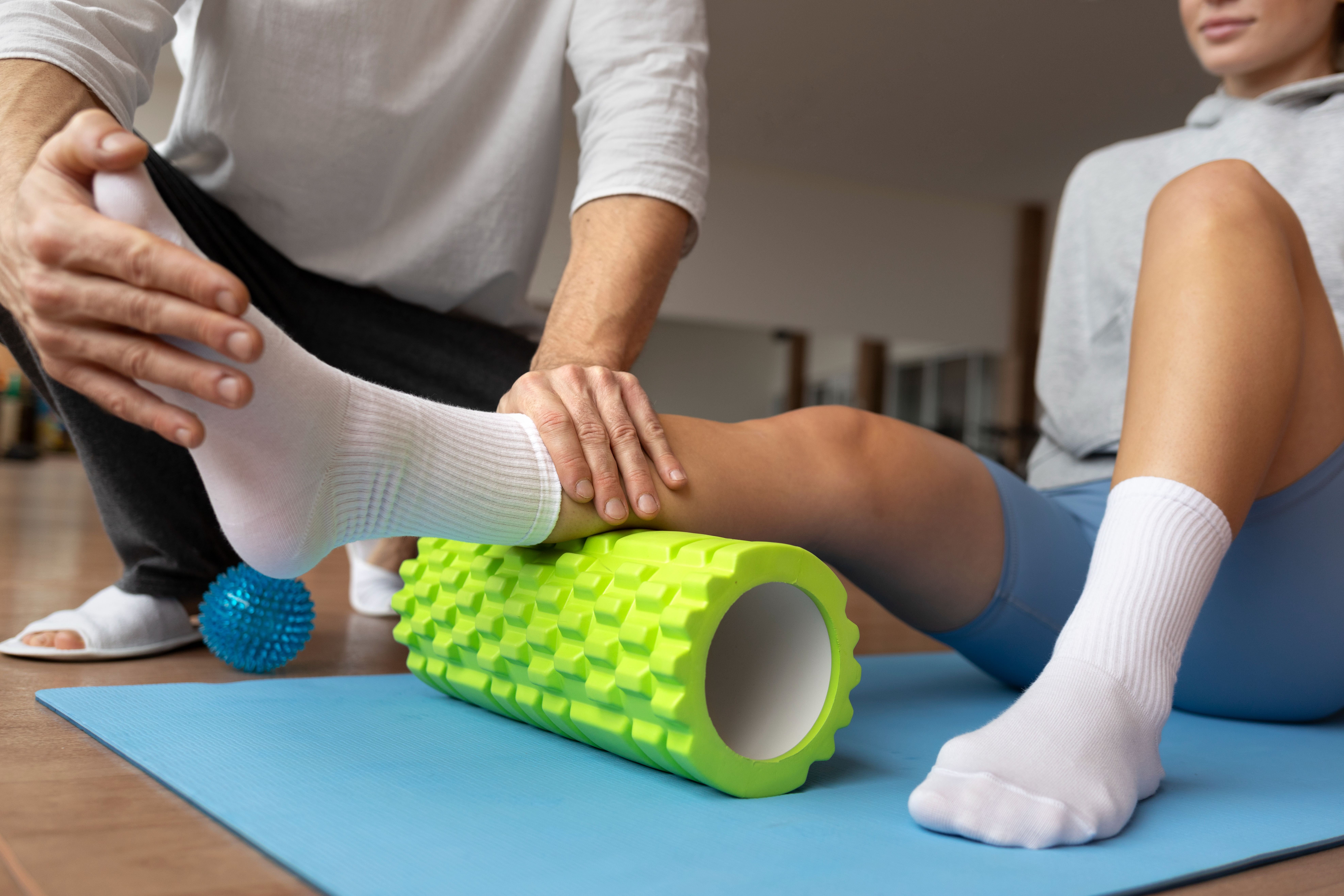
Discover expert-approved orthopedic fitness strategies with safe exercises to support your joints, reduce pain, and improve mobility. Ideal for all age groups.
25 Jun 2025
by Prakash Hospital
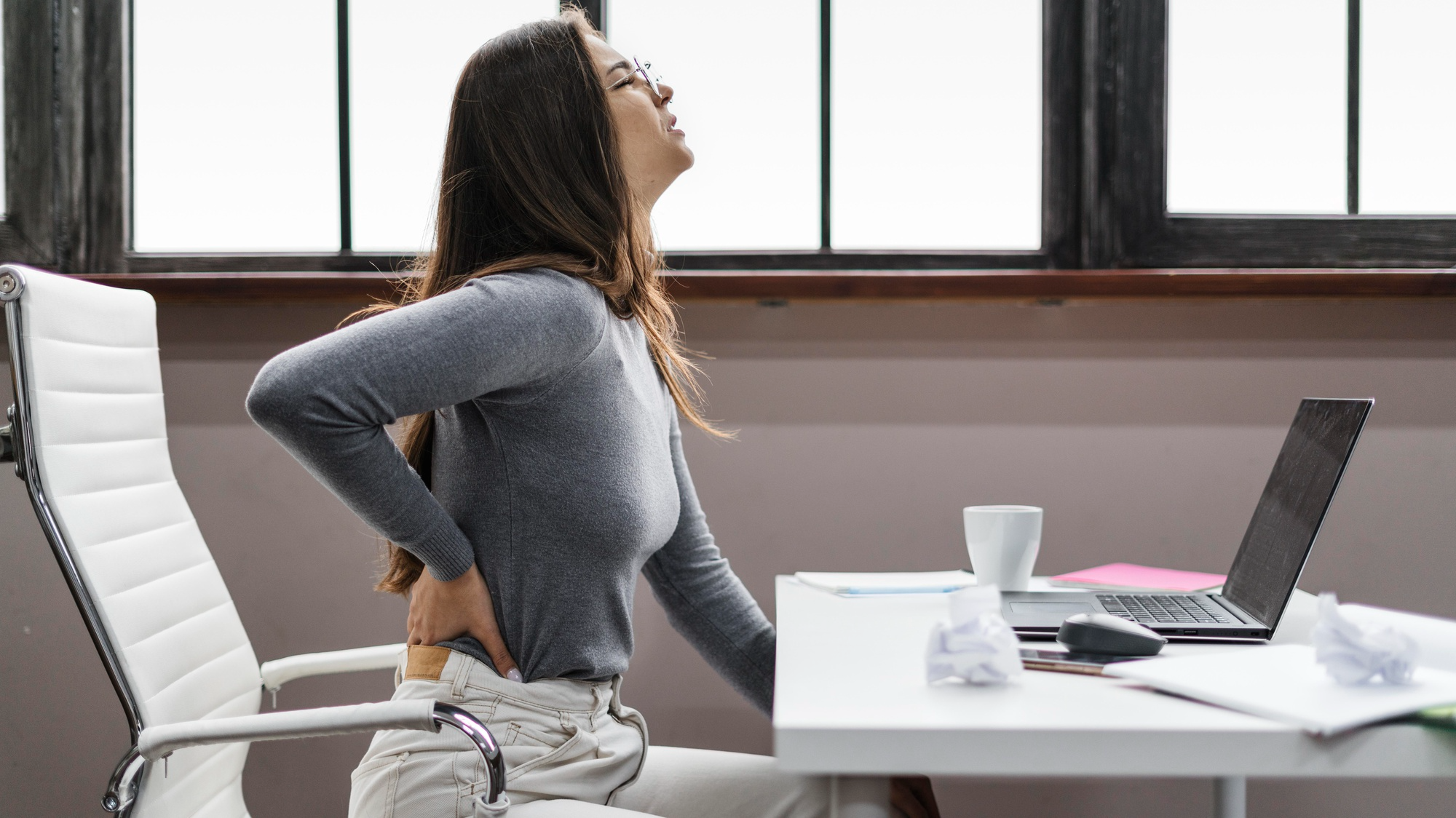
Recognize signs that indicate it’s time to consult an orthopedic specialist for joint, muscle, or bone issues.
14 Nov 2025
by Prakash Hospital

Compound Bone Fracture क्या है, इसके लक्षण, इलाज के तरीके, सर्जरी, सावधानियां और पूरी रिकवरी प्रक्रिया जानें इस विस्तृत हिंदी गाइड में।
30 Dec 2025
by Prakash Hospital


Book a consultation with Prakash Hospital's specialists — 24/7 emergency care, 100+ doctors, NABH accredited.
View All Departments