


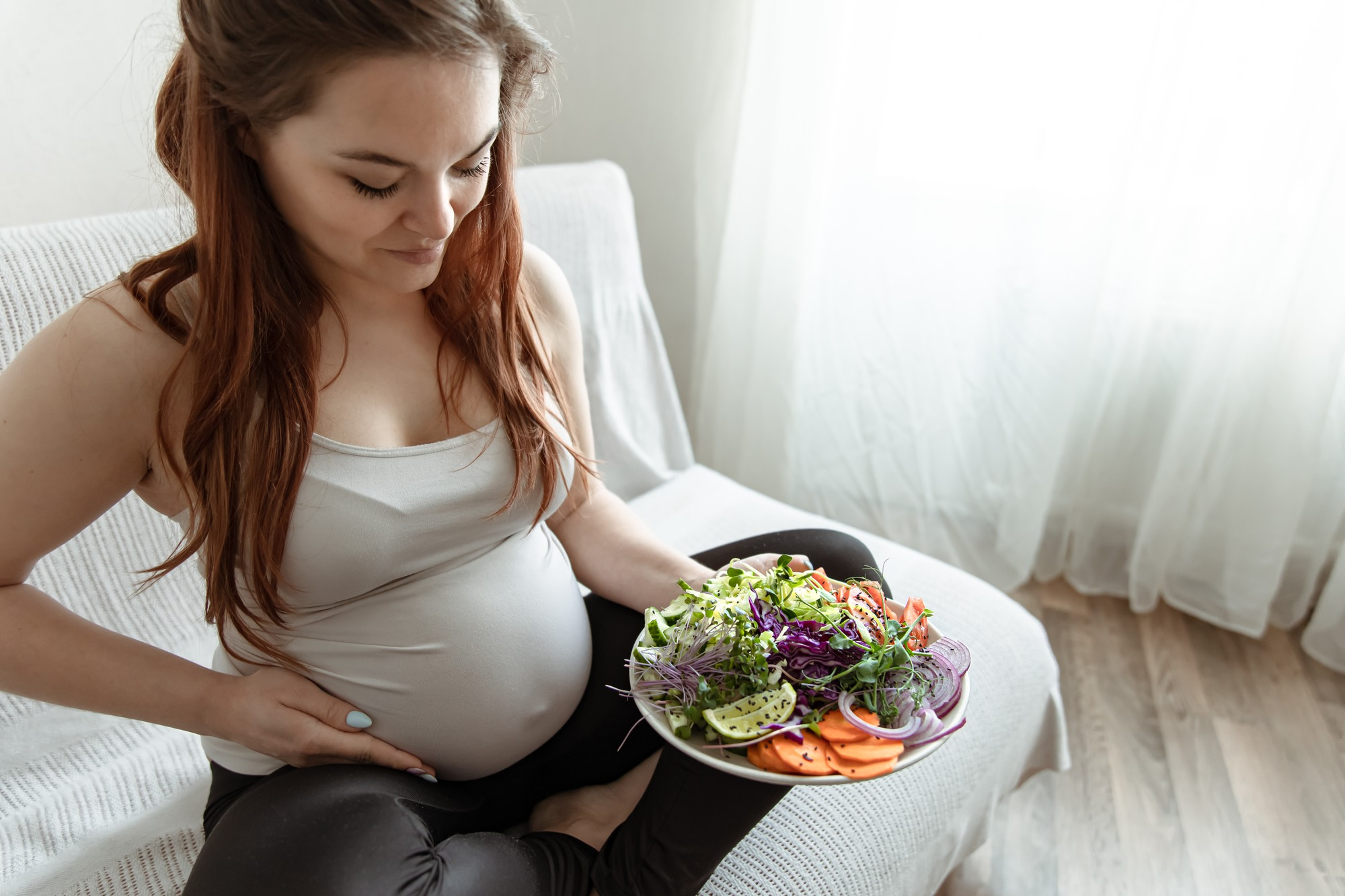
Nutrition During Pregnancy: Best Foods to Eat & Avoid for a Healthy Baby
Learn what to eat and avoid during pregnancy with expert-approved nutrition tips for a healthy mother and baby.
25 Nov 2025
by Prakash Hospital
by Prakash Hospital

Various protein-rich foods, including fish, chicken, eggs, cheese, legumes, nuts, broccoli, and grains, are placed on a wooden board and labeled as “Protein.”
Protein deficiency is far more common in India than most people realise. Studies suggest that over 70% of Indians don't meet their daily protein requirements — not because protein-rich foods are unavailable, but because the Indian diet has traditionally been heavily carbohydrate-centred, with protein as a supporting character rather than the main event.
This matters because protein isn't just for bodybuilders. It's the building material for every cell, enzyme, antibody, and hormone in the body. Adequate protein is essential for immunity, muscle mass, metabolic function, wound healing, and healthy weight management at every age. Protein deficiency contributes to persistent fatigue, poor muscle mass, slow recovery from illness, impaired immunity, and — in severe cases — conditions like kwashiorkor.
The Indian Council of Medical Research (ICMR) recommends approximately 0.8–1 gram of protein per kilogram of body weight per day for healthy adults.
Practical targets:
For people who exercise regularly, do manual labour, or are recovering from illness or surgery, requirements rise to 1.2–1.6 g/kg.
A typical Indian diet of dal-roti-sabzi-rice without deliberate protein focus often provides only 30–45 grams of protein daily — well below recommendations for most adults.
Not all proteins are equal. Protein quality is determined by its amino acid profile.
Complete proteins contain all nine essential amino acids (the ones the body cannot make itself) in adequate amounts. Animal foods — eggs, meat, fish, dairy — are complete proteins.
Incomplete proteins are missing or low in one or more essential amino acids. Most plant proteins are incomplete on their own. However, combining complementary proteins covers all amino acids:
Traditional Indian meals — dal-chawal, dal-roti — are nutritionally smarter than often credited. The protein complementarity is one reason these combinations have persisted for thousands of years.
Protein per 100g: approximately 13g
Per whole egg: ~6–7g
Eggs are the reference standard for protein quality — every other protein source is compared to the egg. They contain all essential amino acids in near-perfect proportions, have very high digestibility, and are among the most affordable protein sources available.
The yolk is often discarded in the name of reducing fat, but this is unnecessary for most people — the yolk contains most of the micronutrients (vitamin D, B12, choline, iron) and the fat is predominantly unsaturated.
Two to three eggs daily is a practical, affordable, and highly effective protein strategy for most adults.
How to include: boiled, scrambled, as an omelette with vegetables, egg curry, anda paratha. Eggs at breakfast specifically reduce total daily calorie intake by improving satiety — making them doubly useful for weight management alongside their protein benefit.
Protein per 100g (cooked chicken breast): approximately 31g
Chicken breast is one of the highest protein foods by weight available in India. 100g of cooked chicken breast — roughly the size of a deck of cards — provides 30+ grams of protein.
Chicken thighs and legs have slightly less protein per gram but more fat (which adds calories — useful for weight gain).
How to include: chicken curry, tandoori chicken, grilled chicken sabzi, chicken soup, egg-and-chicken roll.
Protein per 100g (rohu, pomfret): approximately 18–22g
Fish provides complete protein alongside omega-3 fatty acids — a combination unmatched by any other common Indian food. Fatty fish (hilsa, sardines, mackerel) have higher fat and omega-3; leaner fish (rohu, katla) are similar to chicken in protein content.
Fish twice a week is beneficial for protein, omega-3, and vitamin D.
How to include: fish curry, steamed fish, grilled pomfret, fish in biryani (special occasions).
Protein per 100g: approximately 18–20g
Paneer is the most accessible and culturally familiar high-protein food for vegetarians in North India. It's a complete protein (from dairy), versatile, and can be used in dozens of ways.
The fat content of paneer is significant (approximately 22g per 100g) — making it calorie-dense. This is advantageous for weight gain and appropriate for healthy adults; for those managing weight or cholesterol, moderate portions remain beneficial.
How to include: palak paneer, paneer bhurji (scrambled paneer — an excellent breakfast), paneer tikka, paneer in paratha stuffing, paneer cubes added to sabzi.
Protein per 100g (cooked): approximately 7–9g
Dal is the backbone of Indian dietary protein and for good reason — it's affordable, widely available, culturally central, and provides protein alongside fibre and complex carbohydrate.
Protein comparison across dal types (per 100g cooked):
The key is eating dal in generous quantities — a full bowl, not a thin ladle. Many people eat too little dal and compensate with more rice or roti, which lowers the protein-to-carbohydrate ratio of the meal.
Best strategy: eat dal at both lunch and dinner — a full bowl each time provides 14–18 grams of protein from dal alone across the day.
Protein per 100g: approximately 3.5–4g
Per full bowl (200g): ~7–8g
Curd provides moderate protein alongside calcium and gut-beneficial probiotics. Eaten generously at both meals, it adds 14–16 grams of protein to the daily total.
Greek-style strained curd (hung curd) has more protein per gram than regular curd — approximately double — because the whey is removed. Shrikhand, made from hung curd, is a high-protein Indian dessert (though often high in sugar).
How to include: plain curd with every meal, raita, chaas, lassi (ideally unsweetened), hung curd as a spread, dip, or base for marinades.

An assortment of dairy products is displayed on a round plate against a textured dark background. The selection includes a milk bottle, various cheeses, yogurt, and eggs, arranged neatly to showcase their variety.
Protein per 250ml glass: approximately 8–9g
Milk is a complete protein and widely consumed in India — as chai, plain, or in cooking. Three glasses of full-cream milk daily provide approximately 25 grams of protein. This is a practical and underappreciated protein strategy.
People who are lactose intolerant can usually tolerate curd and paneer because the lactose is partially broken down by bacterial fermentation.
Protein per 100g (tofu): approximately 8g
Soya milk: approximately 7g per 250ml
Soya granules (nutrela): approximately 50g protein per 100g dry weight
Soya is a complete plant protein — unusual among plant foods. Soya granules (nutrela), available inexpensively throughout India, are an excellent and affordable protein source. They can be added to sabzi, bhurji (similar to egg bhurji preparation), pulao, and as a filling for parathas.
Concerns about soya and hormones (because soy contains phytoestrogens) have been significantly overstated in popular discourse. The evidence does not support the idea that normal food amounts of soy are harmful for men or women. It is contraindicated in some specific thyroid conditions — if you have thyroid disease, check with your doctor.
How to include: soya granule bhurji, soya in rajma-like preparations, tofu in sabzi or as a paneer substitute.
Protein per 100g peanuts: approximately 26g
Protein per 2 tablespoons peanut butter: approximately 8g
Peanuts are among the highest-protein legumes and among the most affordable protein sources in India. Roasted peanuts as a daily snack add meaningful protein cheaply.
Peanut butter — now widely available — is versatile and can be stirred into smoothies, spread on roti, or eaten with fruit.
Note: peanut butter sold in India often contains added sugar, palm oil, and salt. Plain peanut butter (just groundnuts) is healthier; or make it at home by blending roasted peanuts.
Protein per 100g (cooked): approximately 9g
Both Bengal gram (kala chana, desi chana) and kabuli chana (chole) are excellent protein sources. Sprouts chana — soaking overnight and then allowing to sprout for 1–2 days — increases bioavailability, reduces phytates, and enhances nutrient absorption.
Roasted chana is one of the best snacks for protein — 30 grams provides approximately 7 grams of protein and 130 calories, far superior to biscuits or chips.
Protein per 100g (cooked): approximately 4–5g
Quinoa is a complete protein grain — one of the very few plants with all essential amino acids. It's becoming more available in Indian supermarkets. It can substitute for rice in pulao or khichdi for a higher protein content.
More expensive than traditional grains, so it's a supplemental option rather than an everyday staple for most.
Make dal the hero, not the side: a full bowl of thick dal, not a thin watery soup on the side. Eat it first, then the roti/rice.
Add paneer or eggs to breakfast: an egg bhurji or paneer bhurji at breakfast sets a high protein tone for the day.
Snack on nuts and roasted chana: replace biscuits, namkeen, and chips with roasted peanuts, almonds, or roasted chana — the protein difference across a week is significant.
Add soya granules to sabzi: a handful of hydrated soya granules can be added to almost any vegetable or curry without dramatically changing the flavour — but adds 10–12 grams of protein per serving.
Drink milk as milk, not just as chai: three cups of milk boiled down for chai provides far less protein than three glasses of milk consumed plain or with limited chai.
Eat curd generously: a full bowl of curd at lunch and dinner, not a small spoonful.
Choose higher-protein breakfasts: oats porridge (5g) is better than white bread toast (3g), but eggs or a dal chilla (15–20g) is much better than either.
| Meal | Foods | Approximate Protein | |---|---|---| | Breakfast | 2 eggs bhurji + 1 glass milk | 22g | | Mid-morning | Roasted peanuts (30g) | 8g | | Lunch | Full bowl dal + paneer sabzi + 2 rotis + curd | 30–35g | | Snack | Roasted chana + chaas | 10g | | Dinner | Dal + chicken curry + 2 rotis | 30–35g | | Total | | ~100–110g |
This is achievable for a 70–80 kg adult and meets protein targets without imported superfoods or supplements.
Protein supplements (whey, casein, plant-based) are genuinely useful for:
They're not necessary for most people who eat a varied diet — food protein is equally or more effective and provides additional micronutrients alongside the protein.
At Prakash Hospital Noida, our physicians and dietitians assess nutritional status and provide personalised dietary guidance — including protein intake assessment for athletes, elderly patients, post-surgical patients, and people managing chronic conditions. Nutritional deficiency testing and management is available.
Whether you live in Sector 18, Sector 62, Greater Noida West, or anywhere in the NCR, Prakash Hospital Noida is a trusted name for nutrition counselling, dietary assessment, and general wellness in Noida.

Care through labour and vaginal birth, including VBAC for suitable women who have had one caesarean before.
Collects spinal fluid from the lower back to diagnose meningitis, bleeding around the brain and nerve inflammation.
Blocks or removes the fallopian tubes for permanent contraception, usually as day-care keyhole surgery.
Free tools to check your weight, plan a pregnancy, track calories and more.
We offer expert care across key specialties, including Medicine, Cardiology, Orthopaedics, ENT, Gynaecology, and more—delivering trusted treatment under one roof.
Learn what to eat and avoid during pregnancy with expert-approved nutrition tips for a healthy mother and baby.
25 Nov 2025
by Prakash Hospital
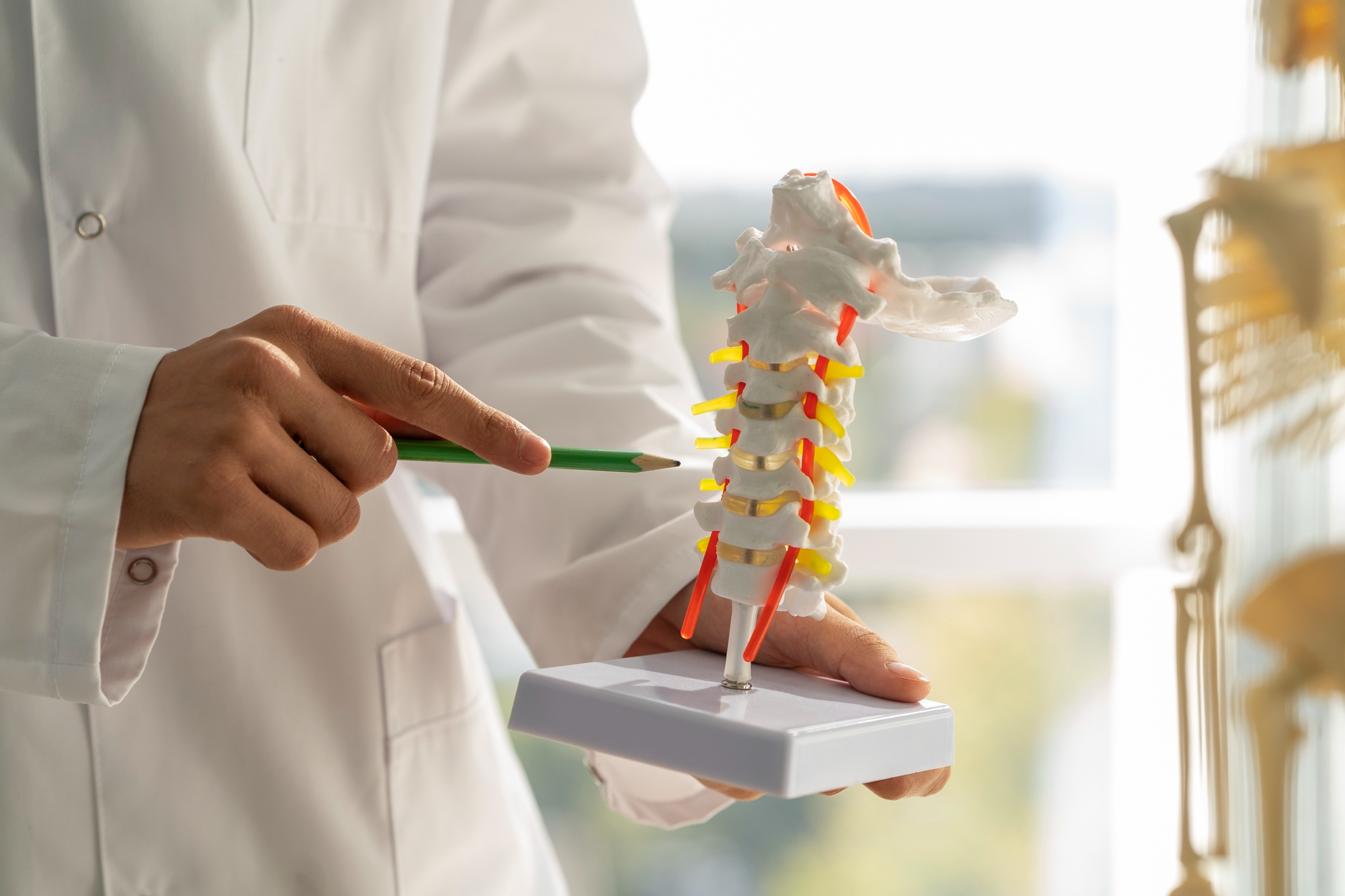
Support fracture recovery with essential nutrients like calcium, vitamin D, and protein for faster bone healing.
19 Nov 2025
by Prakash Hospital
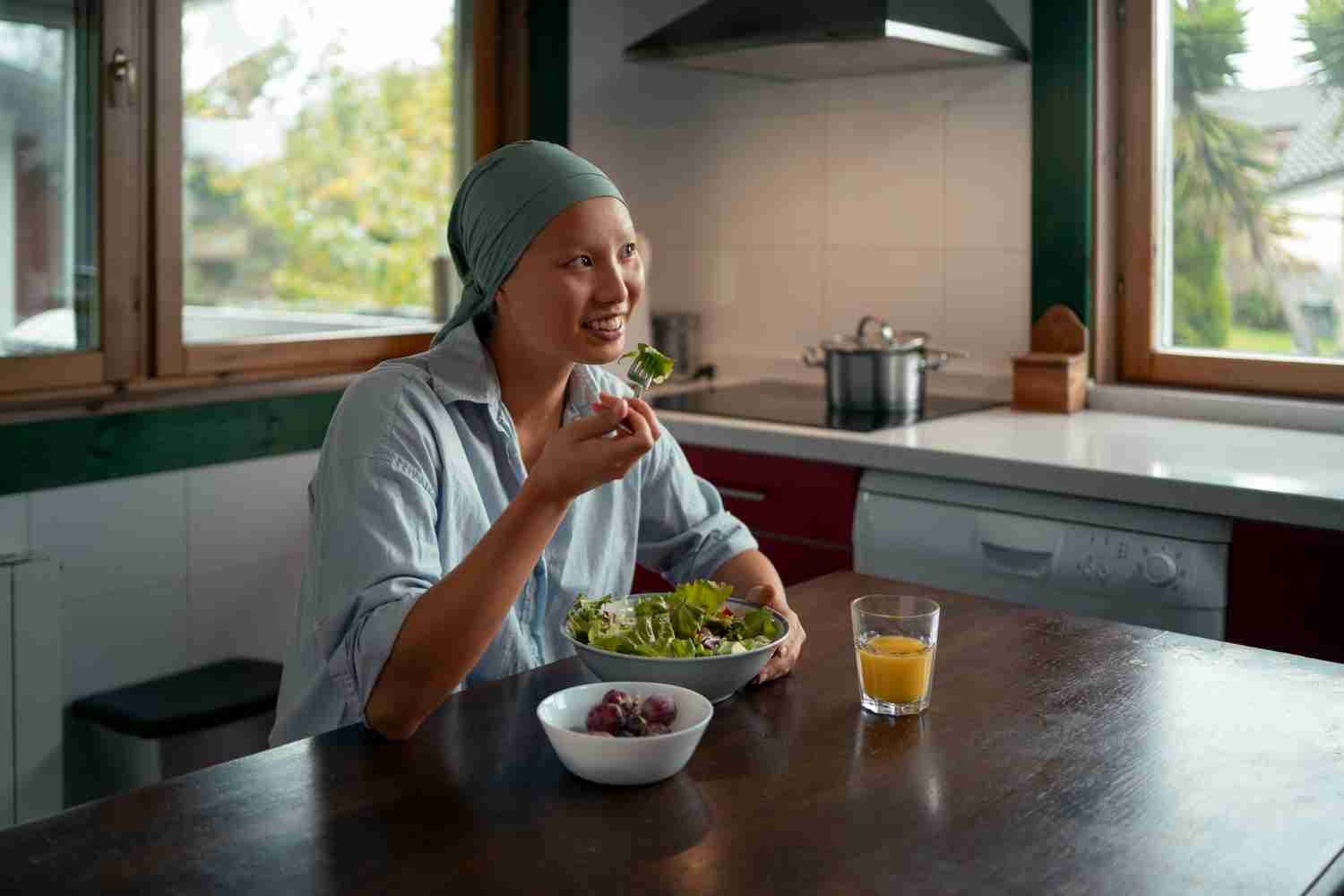
Discover expert-backed nutrition tips for cancer patients. Learn how to manage treatment side effects, stay hydrated, and eat for strength and recovery.
27 May 2025
by Prakash Hospital

COPD क्या है, इसके शुरुआती लक्षण क्या हैं और इसका इलाज कैसे होता है? जानिए क्रॉनिक ऑब्सट्रक्टिव पल्मोनरी डिजीज के बारे में पूरी जानकारी।
11 Mar 2026
by Prakash Hospital

ब्लड क्लॉट (खून का थक्का) क्या है, क्यों बनता है, इसके लक्षण क्या हैं और यह कितना खतरनाक हो सकता है, पूरी जानकारी आसान हिंदी में।
27 Apr 2026
by Prakash Hospital

Discover effective home remedies for dry and wet cough. Know when to seek medical care and get expert respiratory treatment at Prakash Hospital.
5 Feb 2026
by Prakash Hospital
Monsoon brings dengue, malaria, viral fever, and gut infections. Here's how to strengthen your immunity before and during the season. Prakash Hospital Noida.
18 Aug 2026
by Prakash Hospital

Vitamin D rich vegetables and fruits — what actually contains vitamin D and what is myth. Visit Prakash Hospital Noida for nutrition guidance.
30 Jun 2026
by Prakash Hospital

Intermittent fasting for Indians — what the evidence shows, how to fit it around Indian family meal times, and who should avoid it. Prakash Hospital Noida.
7 Oct 2026
by Prakash Hospital


Book a consultation with Prakash Hospital's specialists — 24/7 emergency care, 100+ doctors, NABH accredited.
View All Departments