


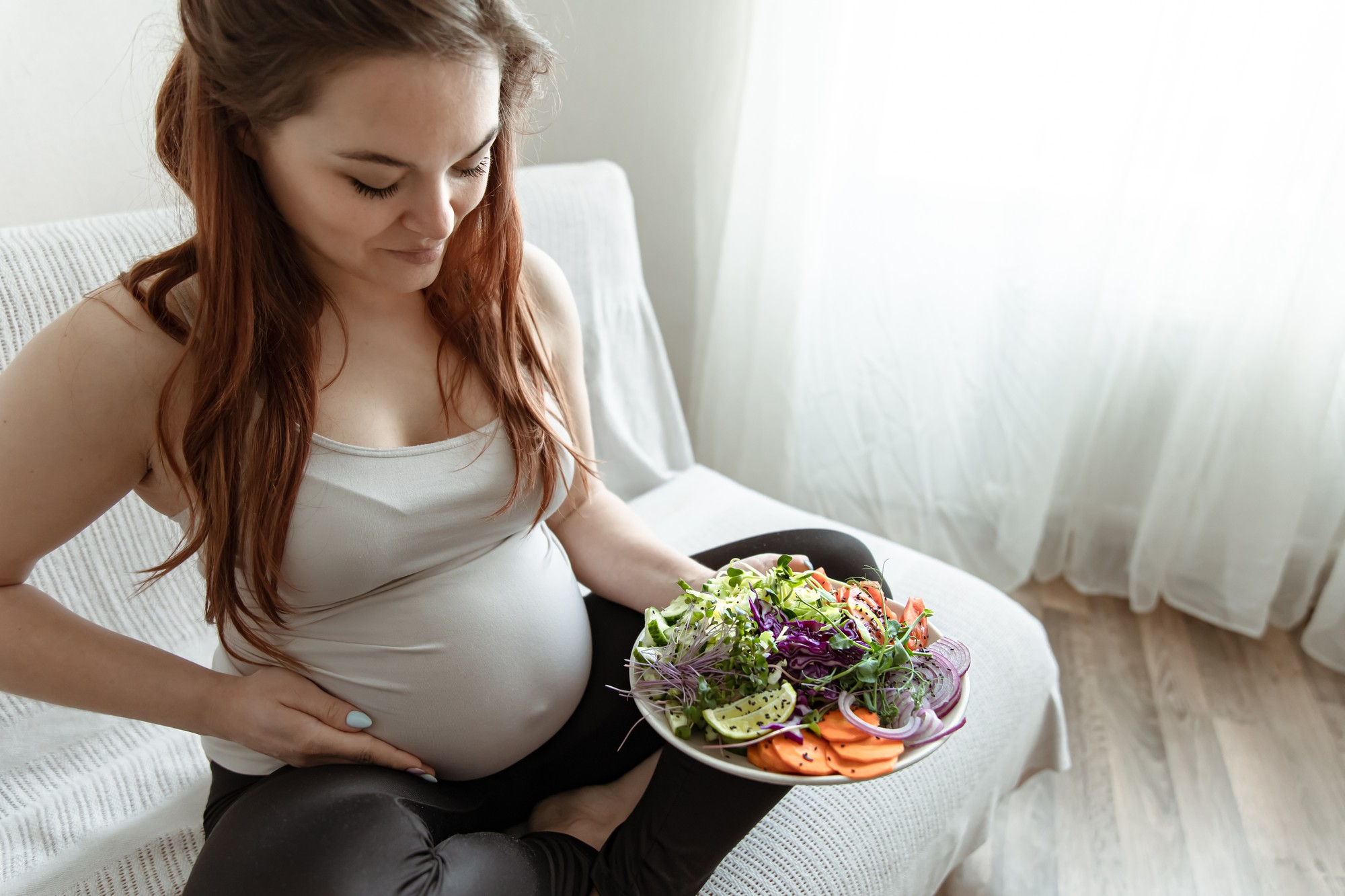
Nutrition During Pregnancy: Best Foods to Eat & Avoid for a Healthy Baby
Learn what to eat and avoid during pregnancy with expert-approved nutrition tips for a healthy mother and baby.
25 Nov 2025
by Prakash Hospital
by By Prakash Hospital

The Navy method estimates body fat from tape measurements of the neck, waist and, for women, the hips.
The US Navy body fat method estimates your body fat percentage from a few tape measurements: height, neck and waist for men, and the same plus hips for women. You put those numbers into a formula and get a percentage. It's popular because it needs no equipment beyond a tape, and in studies it tends to land within roughly 3 to 4 percentage points of a laboratory result.
If you have already read our overview of body fat methods, this is the detailed version. It walks through the measuring technique in more depth than most websites bother to, shows three complete calculations including a mistake that changes the answer, and explains where the method is likely to let you down.
The US Navy needed a quick way to check whether personnel met body composition standards without sending everyone to a lab. Researchers at the Naval Health Research Center (Hodgdon and Beckett, 1984) measured circumferences on a large group of servicemen and women, compared them with underwater weighing, and fitted equations that predict body fat from the tape measurements. The formulas people use today are those equations, usually converted to centimetres.
Two things follow from that history. The equations were built on a military population, largely young and fit adults, so they work best for people who look like that. And the method was designed for screening, not for precise tracking of small changes.
The waist reflects fat stored around the abdomen. The neck acts as a stand-in for lean mass: a bigger neck, for a given waist, usually means more muscle and bone and so less fat. Height scales everything. For women, the hips are added because women store more fat there, and leaving them out would badly under-read.
The clever bit is in the subtraction. Waist minus neck (for men) removes some of the "frame" and leaves something closer to fat. That's why measuring the neck matters, and why a muscular neck changes your result.
A flexible tape. A calculator with a base 10 log button. A mirror or helper to check the tape is level. Morning, empty stomach, bare skin.
Stand barefoot with heels, buttocks and shoulders against a wall. Look straight ahead. Have someone place a flat object on your head and mark the wall. Measure from the floor to the mark in centimetres.
Measure at the narrowest part of the neck, below the larynx. Keep your head level and your eyes forward. The tape should be snug, not pressing. If you have a prominent Adam's apple, measure just below it. Don't flex your neck muscles or stick your head forward.
At the level of the navel. Level all the way round. Breathe out normally. Stomach relaxed.
At the narrowest part of the waist, between the bottom of the ribs and the top of the hip bones. If there's no obvious narrowest point, measure at the navel.
At the widest part of the buttocks, with feet together and the tape parallel to the floor.
Take each measurement three times, round to the nearest half centimetre, and average them.
Use centimetres and base 10 logarithms.
Men: Body fat % = 495 ÷ (1.0324 − 0.19077 × log10(waist − neck) + 0.15456 × log10(height)) − 450
Women: Body fat % = 495 ÷ (1.29579 − 0.35004 × log10(waist + hip − neck) + 0.22100 × log10(height)) − 450
Some sites give the same formulas in inches. They produce almost the same result, but mixing units will give nonsense, so pick one system and stay with it.
Arjun: height 175 cm, neck 36 cm, waist 84 cm.
Suresh: height 168 cm, neck 40 cm, waist 102 cm.
Suresh's waist of 102 cm is well above the 90 cm cut-off proposed for Asian Indian men, and his body fat sits in the obese range on standard charts. Both measures agree.
Kavita: height 162 cm, neck 33 cm, waist 90 cm, hips 104 cm.
A lot, and it's worth seeing. Take Suresh and measure his waist as 98 cm instead of 102 cm (he sucked in a bit).
A 4 cm slip in the waist cost him 2.5 percentage points. This is the main reason people see different results on different days. The formula is not unstable. The tape just moves.
Validation studies compare the tape formula with underwater weighing or DEXA. Typical errors are around 3 to 4 percentage points on average, and individuals can be off by more. It tends to be less accurate in women than in men. It's better at ranking people (who has more fat than whom) and at tracking one person over time than at pinning down an exact value.
In practice:
Very muscular people. The neck is large because of muscle, but the waist is also large because of trunk muscle and a big ribcage. The formula doesn't know the difference and tends to read high.
People with a small waist and big hips (pear shape), especially men. Their fat lives where the tape doesn't look.
People with a protruding abdomen from bloating, a large liver, fluid or a recent meal. Measure in the morning and rule out medical causes.
Older adults. Muscle loss changes the relationship between neck, waist and fat.
Pregnancy and the months after.
Very low or very high body fat. The equations were fitted mostly to people in the middle.
General ranges (ACE categories): men 18 to 24 percent is average and 25 and above is in the obese range; women 25 to 31 percent is average and 32 and above is in the obese range.
South Asians, though, develop type 2 diabetes and heart disease at lower BMI and waist sizes than white populations. A review by Misra and Shrivastava found that at an equal body fat percentage, Asian Indians had a BMI roughly 3 points lower than white participants, and proposed waist cut-offs of above 90 cm for men and above 80 cm for women. So read your Navy result alongside your waist measurement. If the waist is over the line, don't be reassured by an "average" body fat figure.
Place the tape just below the Adam's apple and wrap it level around the neck, snug against the skin. Keep your head level and don't tense your neck muscles.
It's accurate enough for a general estimate, with an average error of about 3 to 4 percentage points. It's less reliable in very muscular, very lean or very obese people.
Yes, but remember the formula was developed on a mostly Western military population and tends to underestimate health risk in South Asians. Check your waist circumference as well.
For men, a waist very close to the neck measurement makes the logarithm unreliable and the result can look unrealistically low. Check your measurements again. If they're correct, your body fat is probably low, and another method would be better to confirm.
BMI can't distinguish muscle from fat. The Navy method uses your waist and neck, so it responds to where your fat sits.
Either, as long as every measurement, including height, uses the same unit and the formula matches. The versions here are in centimetres.
If your waist is over 90 cm (men) or 80 cm (women), even with a normal weight, ask your doctor about a fasting blood sugar or HbA1c, a lipid profile and a liver test. Sudden changes in waist size, unexplained weight loss, or swelling around the abdomen also need medical attention.
Whether you live in Sector 18, Sector 62, Greater Noida West, or anywhere nearby, Prakash Hospital Noida is a trusted name for metabolic health and weight management in Noida. Our physicians can help you interpret your measurements and check what is behind a rising waistline.
To book a consultation, call the number.
Sources: Hodgdon JA, Beckett MB. Prediction of percent body fat for U.S. Navy men and women from body circumferences and height (Naval Health Research Center, 1984). Misra A, Shrivastava U. Obesity and dyslipidemia in South Asians. Nutrients, 2013.
Tags: #USNavyBodyFat #NavyBodyFatFormula #PrakashHospitalNoida

Straightens the bent wall inside the nose to relieve a constantly blocked nostril, with no cut outside.
Removes the uterus through keyhole cuts, for fibroids, heavy periods or adenomyosis that other treatment hasn't fixed.
An X-ray dye test that maps blockages in the heart's arteries and guides the choice between medicines, stents and surgery.
Free tools to check your weight, plan a pregnancy, track calories and more.
We offer expert care across key specialties, including Medicine, Cardiology, Orthopaedics, ENT, Gynaecology, and more—delivering trusted treatment under one roof.
Learn what to eat and avoid during pregnancy with expert-approved nutrition tips for a healthy mother and baby.
25 Nov 2025
by Prakash Hospital
Support fracture recovery with essential nutrients like calcium, vitamin D, and protein for faster bone healing.
19 Nov 2025
by Prakash Hospital

Discover expert-backed nutrition tips for cancer patients. Learn how to manage treatment side effects, stay hydrated, and eat for strength and recovery.
27 May 2025
by Prakash Hospital

Leg pain while walking, cold feet, slow-healing wounds, these could be early signs of Peripheral Artery Disease. Prakash Hospital's vascular specialists in Noida explain what to watch for and when to act.
6 Apr 2026
by Prakash Hospital
Practical ways to lower blood pressure naturally through diet, exercise, and lifestyle — plus when medication is needed. Prakash Hospital Noida.
5 Aug 2026
by Prakash Hospital

Learn what atherosclerosis is, how plaque builds up in arteries, its causes, symptoms, risk factors, and how to prevent heart attack and stroke
6 Mar 2026
by Prakash Hospital

Intermittent fasting for Indians — what the evidence shows, how to fit it around Indian family meal times, and who should avoid it. Prakash Hospital Noida.
7 Oct 2026
by Prakash Hospital
Immunity-boosting foods — the best Indian foods to strengthen your immune system naturally. Visit Prakash Hospital Noida for nutrition consultation.
3 Jul 2026
by Prakash Hospital
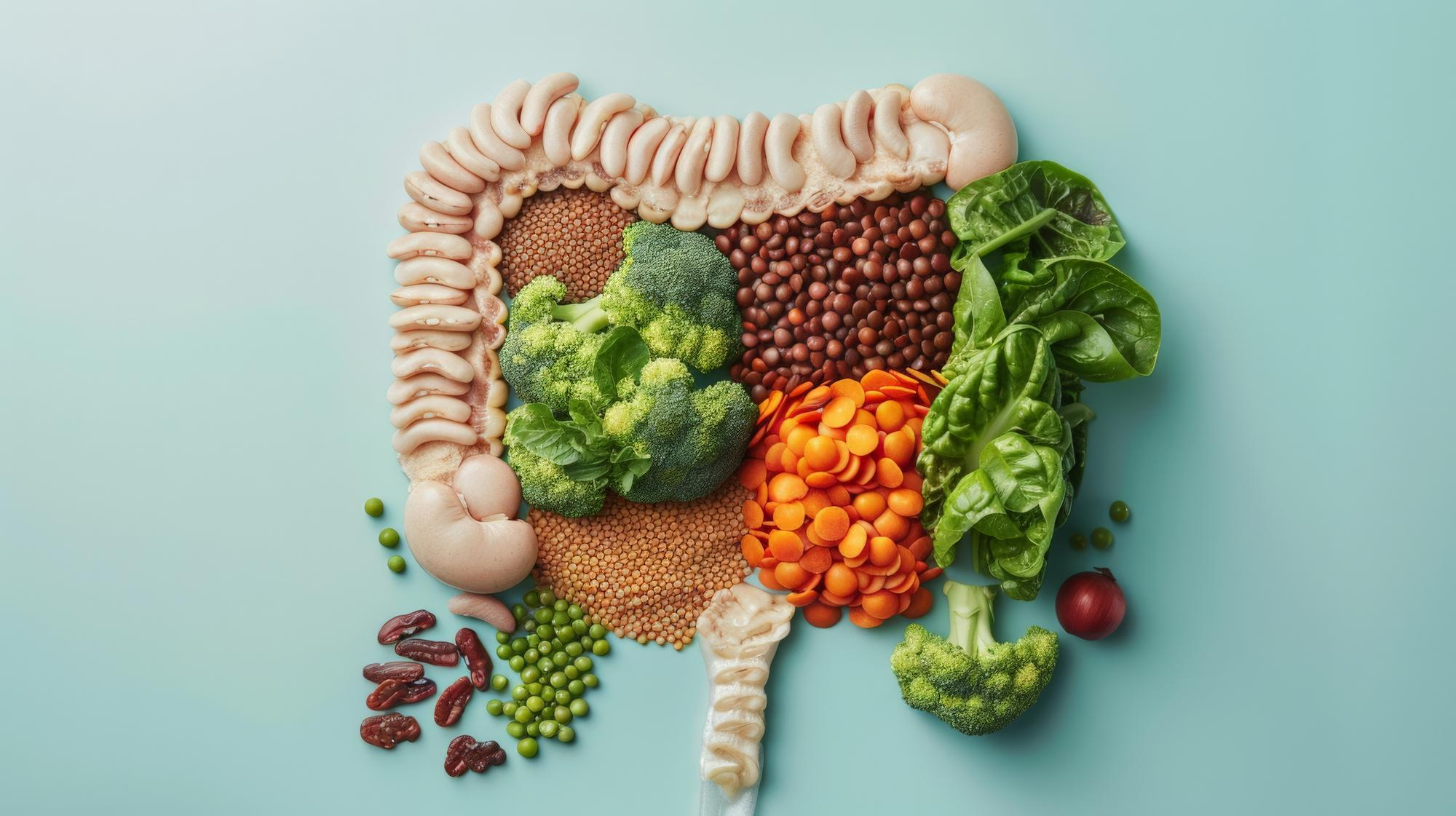
How to improve digestion naturally with Indian diet, lifestyle changes, and traditional remedies. Guide from Prakash Hospital Noida.
18 Aug 2026
by Prakash Hospital


Book a consultation with Prakash Hospital's specialists — 24/7 emergency care, 100+ doctors, NABH accredited.
View All Departments