


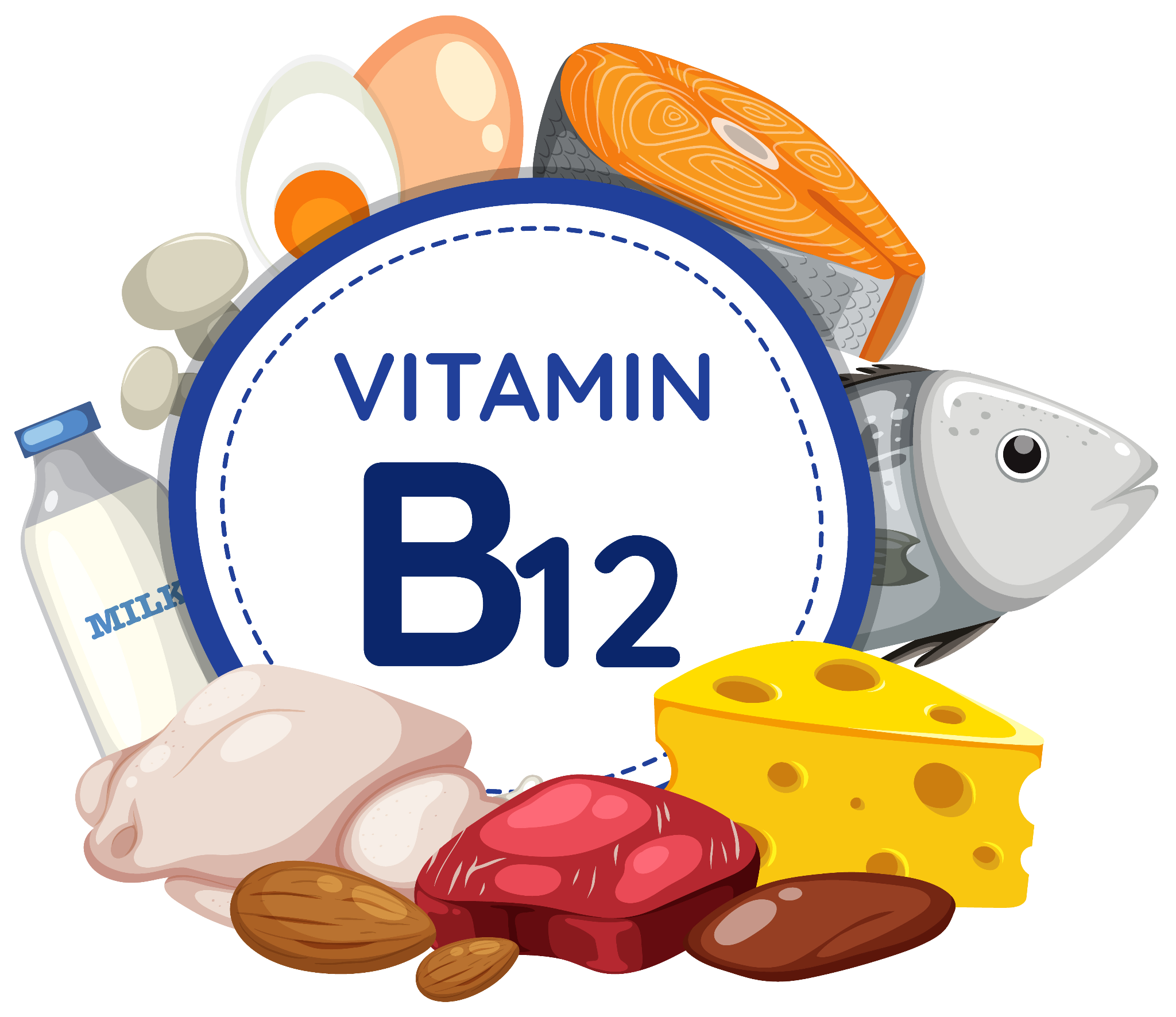
Vitamin B12 Deficiency: Symptoms, Risk Factors and What to Do
Vitamin B12 deficiency symptoms — tingling, fatigue, memory issues and more. Who's at risk in India and how to fix it. Prakash Hospital Noida.
30 Sept 2026
by Prakash Hospital
by By Prakash Hospital

Amla, guava and capsicum often hold far more vitamin C than oranges.
Vitamin C is perhaps the most famous vitamin in the world. We reach for orange juice at the first sniffle, and supplement shelves are crowded with chewable tablets promising to "boost immunity." But what does vitamin C actually do in the body? How much do you need? And do megadoses help?
The honest answer is more interesting than the marketing. Vitamin C is genuinely essential and does many important things. But more is not better, and the best source is usually food.
Vitamin C, or ascorbic acid, is a water-soluble vitamin. Humans cannot make it, so we must get it from food every day. Because it is water-soluble, the body doesn't store large amounts, and excess is excreted in urine.
Vitamin C is essential for making collagen, the protein that gives structure to skin, blood vessels, tendons, ligaments, bones, and gums. Without it, wounds heal poorly and tissues weaken.
It neutralises free radicals, protecting cells from oxidative damage, and helps regenerate other antioxidants such as vitamin E.
Vitamin C accumulates in immune cells and helps them function. Deficiency impairs immunity and increases infection risk.
Vitamin C significantly boosts the absorption of non-heme iron, the form found in plant foods such as dal, spinach, and cereals. This is especially valuable for vegetarians and for people with anaemia.
Higher requirements during recovery from surgery, burns, and injury.
It contributes to the making of certain neurotransmitters and carnitine (needed for energy metabolism).
Regular high-dose vitamin C does not prevent colds in the general population. It may modestly shorten the duration of colds (by around 8 percent in adults) and reduce severity for some people, and it may help prevent colds in those under heavy physical stress such as marathon runners or soldiers in extreme conditions. Taking it after you are already sick has little effect. A balanced diet with enough vitamin C is the most sensible approach.
Vitamin C supports collagen, helps protect against sun and pollution damage, and may reduce the appearance of pigmentation and fine lines when applied topically in stable formulations. Dietary vitamin C supports skin repair from within. It does not replace sunscreen.
Diets rich in vitamin C-containing fruits and vegetables are linked to lower risk of heart disease. Supplements, however, have not shown consistent heart benefits.
Some studies show a small reduction in blood pressure with vitamin C supplementation, but evidence is not strong enough to replace standard treatment.
Higher vitamin C intake may modestly lower uric acid levels and gout risk, though it is not a substitute for medical treatment.
Vitamin C is concentrated in the eye. It may slow progression of age-related macular degeneration when combined with other antioxidants, and diets high in vitamin C are linked to lower cataract risk.
By improving iron absorption, taking iron-rich meals with vitamin C foods helps correct iron deficiency.
Adequate vitamin C keeps gums healthy and helps wounds close properly.
Recommended daily intake (approximate, Indian and international guidance):
| Group | Daily amount | |---|---| | Adult men | 80 to 90 mg | | Adult women | 65 to 75 mg | | Pregnancy | 80 to 85 mg | | Breastfeeding | 115 to 120 mg | | Children (1 to 12 years) | 30 to 50 mg | | Smokers | Add about 35 mg extra |
Smokers need more because of higher oxidative stress. Most healthy people meet their needs with two to three servings of fruits and vegetables a day.
India has some of the richest vitamin C foods in the world, many of them inexpensive and easy to find.
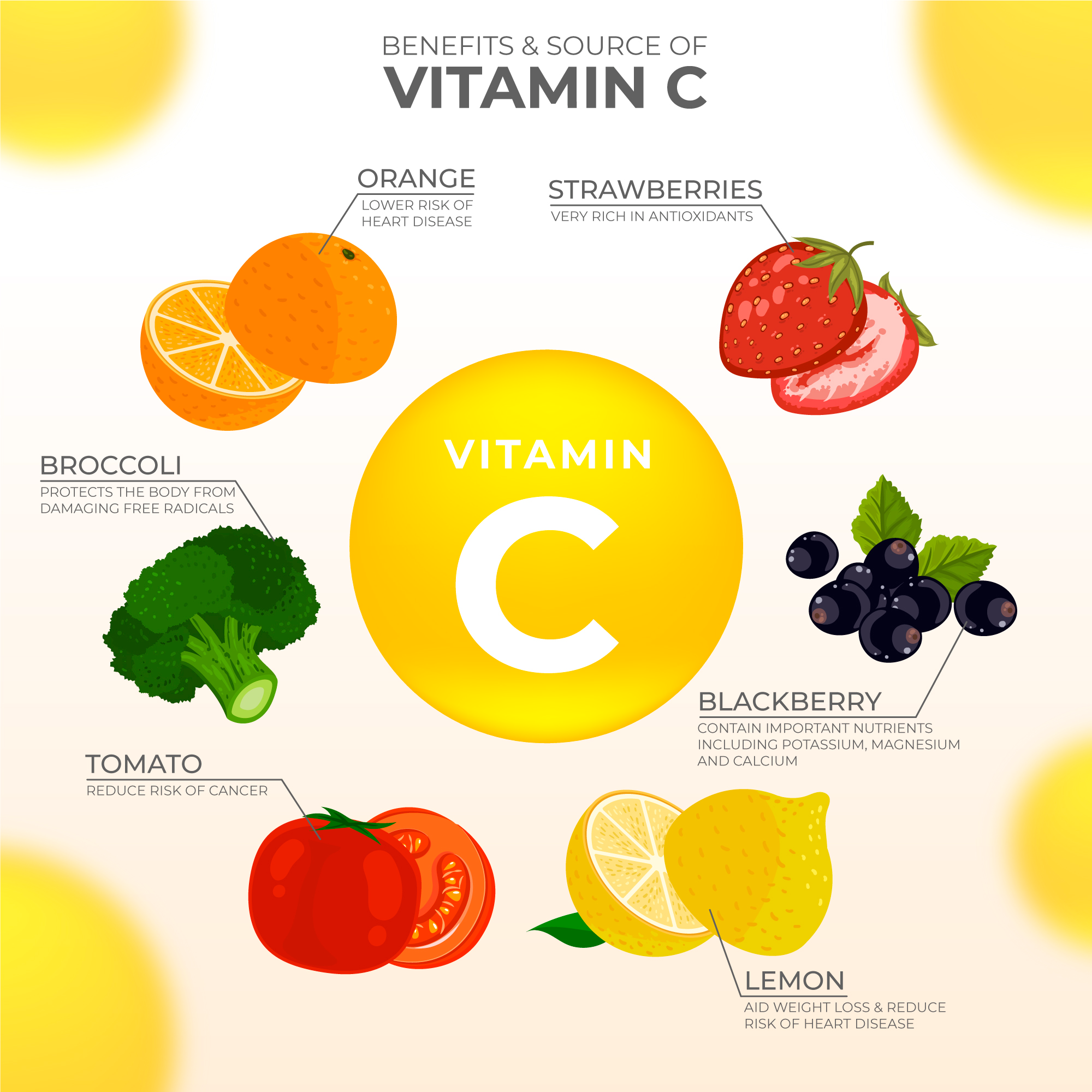
| Food | Approx. vitamin C per 100 g | |---|---| | Amla (Indian gooseberry) | 300 to 600 mg | | Guava | 200 to 230 mg | | Capsicum (red/yellow/green) | 90 to 190 mg | | Kiwi | 90 mg | | Papaya | 60 mg | | Strawberries | 60 mg | | Oranges and mosambi | 45 to 55 mg | | Lemon | 40 to 50 mg | | Broccoli | 90 mg | | Cauliflower | 45 to 55 mg | | Cabbage | 35 to 40 mg | | Tomato | 15 to 25 mg | | Drumstick leaves (moringa) | 140 mg | | Coriander leaves | 135 mg | | Spinach and other leafy greens | 25 to 30 mg |
Amla is exceptional: one medium amla can provide the day's needs. Eat it raw, as a chutney, murabba (watch the sugar), juice, or dried.
Vitamin C is destroyed by heat, long storage, and prolonged cooking.
Severe deficiency, called scurvy, is rare but still occurs in people with very restricted diets, alcohol dependence, severe malnutrition, or certain gut disorders. Milder low intake is more common.
Symptoms
Who is at risk
If you notice bleeding gums, easy bruising, or poor healing, see a doctor.
Most people don't. If your diet contains regular fruit and vegetables, supplements add little.
Possible reasons for supplementation, under medical guidance:
The upper limit for adults is 2,000 mg a day. Higher doses may cause:
Always consult your doctor before taking high doses, especially if you have kidney disease, a history of kidney stones, iron overload, G6PD deficiency, or are on cancer treatment or blood thinners.
"Megadoses prevent colds." Evidence does not support this for most people.
"Orange juice is the best source." Whole fruits provide fibre and more nutrients. Amla, guava, and capsicum often have far more vitamin C than oranges.
"Vitamin C cures cancer or COVID-19." There is no good evidence for this.
"Cooking removes all vitamin C." It reduces it, but cooked vegetables still contribute.
"Fizzy tablets are healthier than fruit." They are not.
At Prakash Hospital Noida, our physicians and dietitians help identify nutritional gaps and guide safe, effective ways to meet your vitamin needs through food and, when necessary, supplements.
Whether you live in Sector 18, Sector 62, Greater Noida West, or anywhere nearby, Prakash Hospital Noida is a trusted name for nutrition counselling and preventive healthcare in Noida.
To book a consultation, call the number.
Tags: #VitaminCBenefits #VitaminCRichFoodsIndia #PrakashHospitalNoida

Microneedling, laser, peels and minor procedures matched to your scar type to smooth pitted acne scars.
An X-ray dye test that maps blockages in the heart's arteries and guides the choice between medicines, stents and surgery.
Replaces only the worn part of an arthritic knee, keeping the healthy cartilage and ligaments.
Free tools to check your weight, plan a pregnancy, track calories and more.
We offer expert care across key specialties, including Medicine, Cardiology, Orthopaedics, ENT, Gynaecology, and more—delivering trusted treatment under one roof.
Vitamin B12 deficiency symptoms — tingling, fatigue, memory issues and more. Who's at risk in India and how to fix it. Prakash Hospital Noida.
30 Sept 2026
by Prakash Hospital

Vitamin D rich vegetables and fruits — what actually contains vitamin D and what is myth. Visit Prakash Hospital Noida for nutrition guidance.
30 Jun 2026
by Prakash Hospital
Vitamin C deficiency — recognise the signs, understand the causes, and learn the best food sources. Visit Prakash Hospital Noida for nutrition care.
26 Jun 2026
by Prakash Hospital

Know the early signs of a stroke, the BE-FAST check, what to do first and why minutes matter. Causes, risk factors and prevention. Prakash Hospital Noida.
22 Oct 2026
by Prakash Hospital

Brain-training apps rarely transfer to real life. Build focus with single-tasking, fewer interruptions, breath practice, exercise, sleep and a 4-week plan.
12 Oct 2026
by Prakash Hospital

Ten quick, evidence-based ways to regain focus in minutes, from water, walking and slow breathing to a brain dump, plus when a slump means something else.
20 Oct 2026
by Prakash Hospital

Top 10 vitamin D foods ranked by content — practical sources for daily intake. Visit Prakash Hospital Noida for health checkups and nutrition guidance.
10 Jun 2026
by Prakash Hospital
Vitamin D rich foods — a complete list of the best dietary sources, from fish and eggs to fortified foods and mushrooms. Visit Prakash Hospital Noida for health checkups.
21 May 2026
by Prakash Hospital

Learn about vitamin D deficiency symptoms, causes, diagnosis, treatment options, and prevention tips at Prakash Hospital, Noida.
20 Jan 2026
by Prakash Hospital


Book a consultation with Prakash Hospital's specialists — 24/7 emergency care, 100+ doctors, NABH accredited.
View All Departments