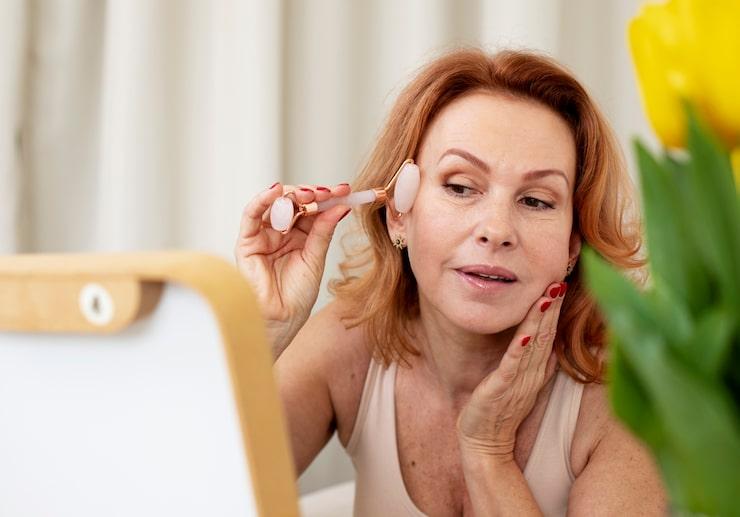
Close-up of woman’s face showing dry skin and acne as symptoms of dehydration
Dry skin (xerosis) is extremely common in India, particularly in North India during winter months when low humidity strips moisture from the skin. It ranges from mildly uncomfortable (tight, rough feeling after bathing) to severely symptomatic (cracked, itchy, bleeding skin that disrupts sleep).
Most dry skin responds well to simple changes. A minority signals an underlying medical condition.
The skin barrier — the outermost layer of interlocking dead skin cells (corneocytes) embedded in a lipid matrix — regulates water loss. When this barrier is compromised or when environmental conditions overwhelm it:
Environmental causes:
Skin-level causes:
Medical causes (dry skin as a symptom):
If dry skin is severe, widespread, doesn't improve with appropriate moisturising, or is associated with other symptoms (fatigue, weight changes, excessive thirst), medical evaluation is appropriate.
Moisturise immediately after bathing while slightly damp: this is critical — applying moisturiser to slightly damp skin seals in the surface moisture. Waiting until fully dry before applying moisturiser is less effective.
Occlusives — create a physical barrier that reduces water evaporation:
Humectants — attract water from the air and deeper skin layers:
Emollients — fill in the spaces between skin cells, smoothing the surface:
Practical Indian winter routine:
Eczema (atopic dermatitis) is a chronic inflammatory skin condition where the skin barrier is genetically impaired (filaggrin gene mutations reduce the barrier protein). The skin is persistently dry and prone to inflammatory flares — intense itching, redness, and sometimes weeping.
Eczema requires more than standard moisturising — prescription topical corticosteroids for flares, emollient-based moisturisers continuously, avoidance of triggers (soaps, detergents, certain fabrics, dust mites, stress), and in severe cases, specialist treatment.
If dry skin is intensely itchy, has been present since childhood, and is associated with asthma or allergies, eczema should be evaluated by a dermatologist.
Whether you live in Sector 18, Sector 62, Greater Noida West, or anywhere in the NCR, Prakash Hospital Noida is a trusted name for skin conditions, eczema, and general medicine in Noida.
Tags: #DrySkinRemedies #DrySkinIndia #PrakashHospitalNoida
 Copy
CopyWe offer expert care across key specialties, including Medicine, Cardiology, Orthopaedics, ENT, Gynaecology, and more—delivering trusted treatment under one roof.
Dr. Meenakshi Nashi
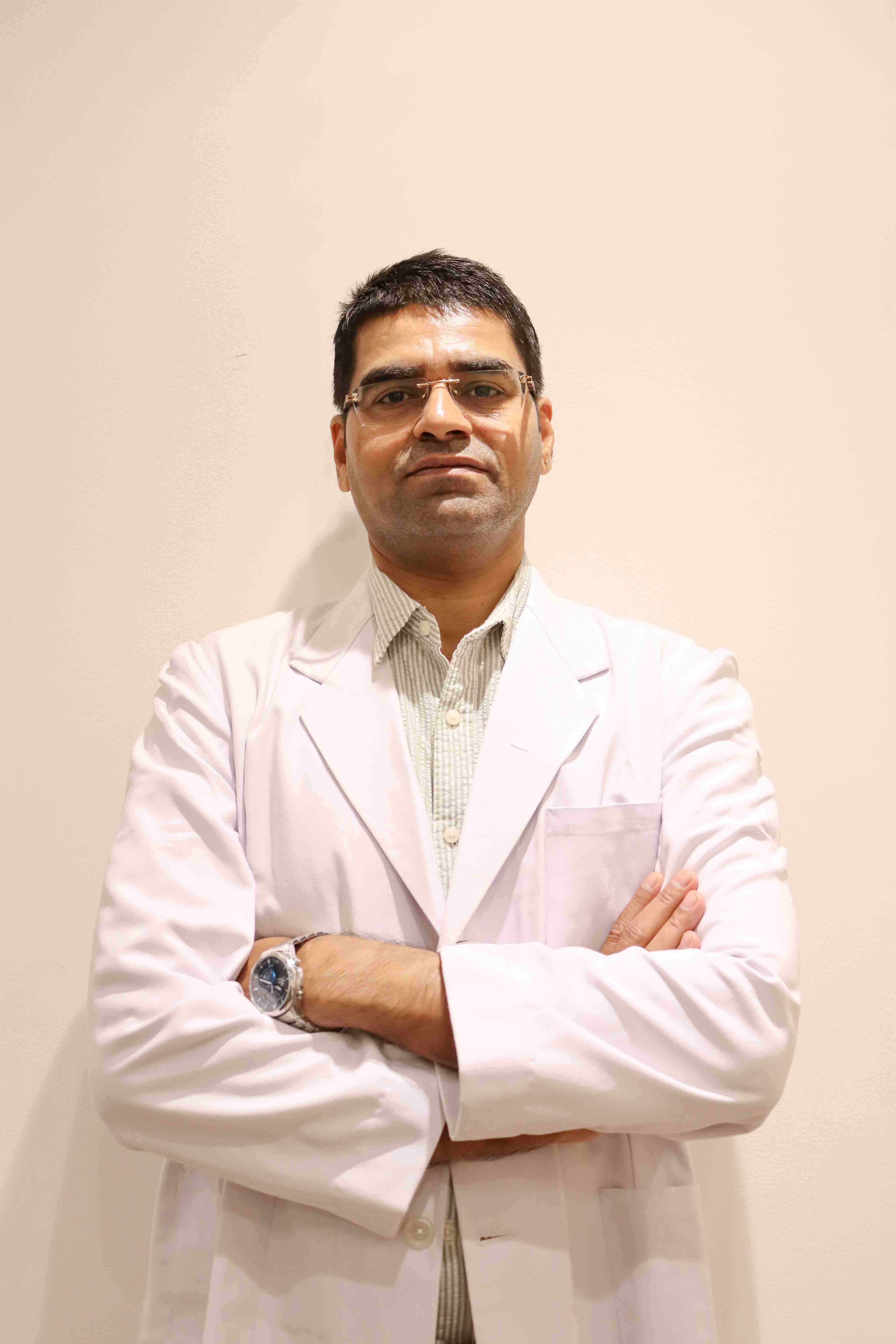
Dr. Divyajyoti Sharma
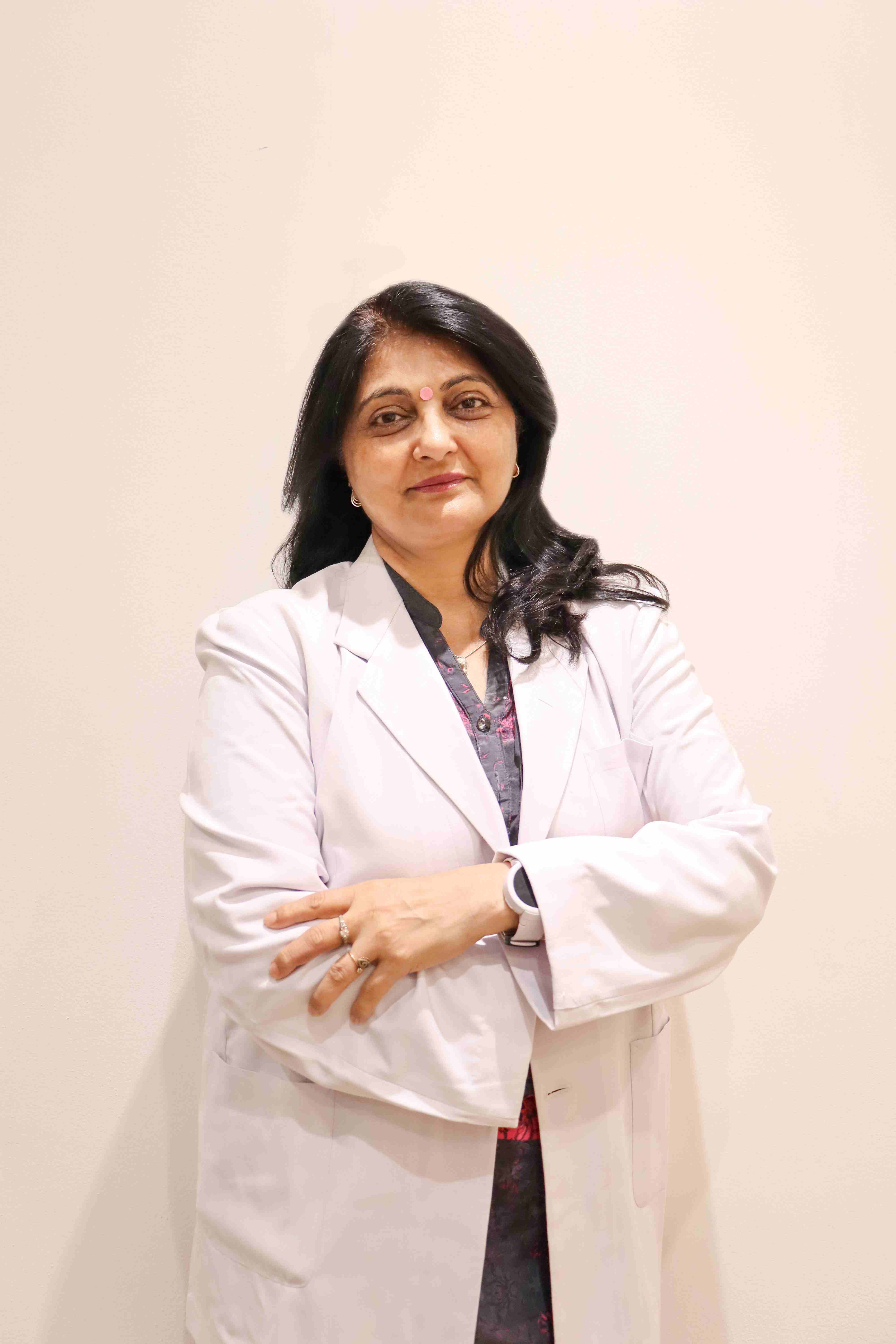
Dr. Alka Kapoor


Book a consultation with Prakash Hospital's specialists — 24/7 emergency care, 100+ doctors, NABH accredited.

Prakash Hospital Pvt. Ltd. is a 100 bedded NABH NABL accredited multispecialty hospital along with a center of trauma and orthopedics. We are in the service of society since 2001.
OUR SPECIALITIES
Patient Services
PROCEDURES
Contact Us
D – 12A, 12B, Sector-33, G. B. Nagar, Noida, Uttar Pradesh 201301
+91-8826000033


© 2026 All rights reserved.
Designed and Developed by Zarle Infotech