


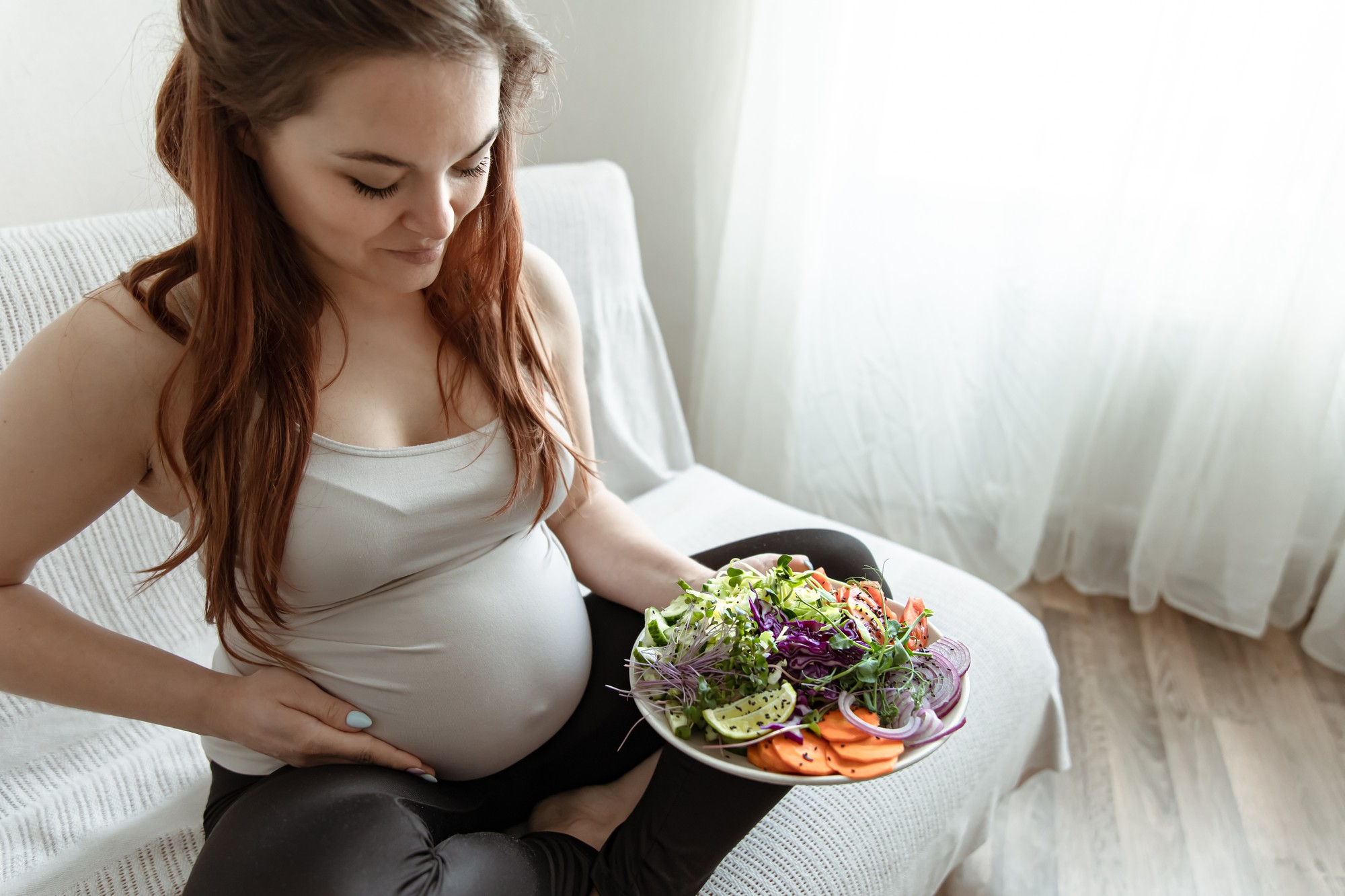
Nutrition During Pregnancy: Best Foods to Eat & Avoid for a Healthy Baby
Learn what to eat and avoid during pregnancy with expert-approved nutrition tips for a healthy mother and baby.
25 Nov 2025
by Prakash Hospital
by By Prakash Hospital

Smart scale lean mass readings can shift by a kilogram or more with water alone.
Lean body mass is everything in your body that isn't fat: muscle, bone, organs, skin, and the water inside all of them. The simplest way to calculate it is to multiply your weight by (100 minus your body fat percentage) and divide by 100. If you don't know your body fat, three formulas (Boer, James and Hume) estimate it from your weight, height and sex. For a 78 kg man who is 172 cm tall, they give roughly 54 to 60 kg, depending on which one you use.
That spread is worth noticing early. Lean body mass can't be measured directly in a living person, so every number you see is an estimate, and different estimates can differ by several kilograms. This guide shows each method, runs them on the same two people, explains what "lean" does and doesn't mean, and tells you how to use the number sensibly.
Close enough for everyday use, but the terms aren't identical.
Because lean mass includes bone and organs, which barely change, tracking it over time mostly tells you about muscle and water.
If you've measured your body fat (tape method, smart scale or DEXA), this is the easiest route.
Lean body mass = body weight × (1 − body fat % ÷ 100)
Weight 78 kg, body fat 23.9 percent (the tape-method result for the man in our body fat guide). Fat mass = 78 × 0.239 = 18.6 kg Lean body mass = 78 − 18.6 = 59.4 kg
Weight 62 kg, body fat 34.3 percent. Fat mass = 62 × 0.343 = 21.3 kg Lean body mass = 62 − 21.3 = 40.7 kg
This method is only as good as the body fat number you feed into it. A 3 to 4 point error in body fat becomes a 2 to 3 kg error in lean mass.
Boer's equations were derived from measurements in adults and are widely used in clinical settings.
(0.407 × 78) = 31.75 (0.267 × 172) = 45.92 31.75 + 45.92 − 19.2 = 58.5 kg
(0.252 × 62) = 15.62 (0.473 × 158) = 74.73 15.62 + 74.73 − 48.3 = 42.1 kg
James's formula is a quadratic and behaves differently at higher weights.
weight ÷ height = 78 ÷ 172 = 0.4535; squared = 0.2057 (1.10 × 78) = 85.8 128 × 0.2057 = 26.33 85.8 − 26.33 = 59.5 kg
62 ÷ 158 = 0.3924; squared = 0.1540 (1.07 × 62) = 66.34 148 × 0.1540 = 22.79 66.34 − 22.79 = 43.6 kg
A known limitation of the James formula is that, in very heavy people, it can predict a falling lean mass as weight rises, which is not realistic. It's best used within normal and moderately overweight ranges.
(0.32810 × 78) = 25.59 (0.33929 × 172) = 58.36 25.59 + 58.36 − 29.53 = 54.4 kg
(0.29569 × 62) = 18.33 (0.41813 × 158) = 66.07 18.33 + 66.07 − 43.29 = 41.1 kg
| Method | Man, 78 kg, 172 cm | Woman, 62 kg, 158 cm | |---|---|---| | From body fat % (tape method) | 59.4 kg | 40.7 kg | | Boer | 58.5 kg | 42.1 kg | | James | 59.5 kg | 43.6 kg | | Hume | 54.4 kg | 41.1 kg |
For the man, Hume sits five kilograms below the others. For the woman, the four methods span almost three kilograms. This is normal. These formulas were fitted to different groups of people, and none of them knows whether you're muscular or not.
A practical approach: calculate with two or three methods, and treat the middle as your working estimate. Or, if accuracy matters, measure body fat with DEXA and calculate from that.
There's no single normal figure, because lean mass scales with height and frame. Two more useful ways to judge it:
This is just 100 minus your body fat percentage. Using common fitness ranges, lean mass is roughly 75 to 86 percent of body weight in men and about 68 to 79 percent in women, though South Asians tend to sit toward the lower end of lean mass share at a given BMI.
FFMI is lean mass divided by height in metres squared, like BMI but for lean tissue. It lets you compare people of different heights.
Commonly cited ballpark figures are around 18 to 21 for average men and 15 to 18 for average women, with strength-trained people higher. These are descriptive numbers from studies, not diagnostic cut-offs, so use them as rough orientation.
Many Indians have less lean mass for their weight than people of other ethnic groups. This is part of the "thin-fat" pattern: a normal BMI, a relatively high body fat percentage, and limited muscle. A review of South Asian body composition (Misra and Shrivastava, Nutrients, 2013) notes that at the same BMI, South Asians carry more body fat, which by simple arithmetic means less lean tissue per kilogram of body weight.
The practical lesson is that for many Indian adults, the thing to improve isn't weight but composition: more muscle, less fat, often at the same weight.
Lean mass peaks in the twenties and thirties. After about 30 to 40, adults lose muscle gradually, on the order of a few percent per decade if they're inactive, and the loss speeds up after 60 or 70. This age-related loss of muscle is called sarcopenia, and it matters because it raises the risk of falls, fractures and loss of independence.
The good news: resistance training and enough protein slow or partly reverse it at any age. Older adults who lift weights regularly keep far more lean mass than those who don't.
When people diet hard, a meaningful share of the weight lost can be muscle. To protect it:
You can check your progress by recalculating lean mass every four weeks from your body fat estimate. If it falls faster than a kilogram a month, your plan may be too aggressive.
To build muscle you need three things: a stimulus (progressive resistance training), enough protein and enough energy. Eating slightly above your maintenance calories, about 250 to 300 kcal a day, supports muscle gain without adding much fat. Realistic rates for beginners are roughly 0.25 to 0.5 kg of lean mass per month for men and half that for women. Faster claims usually involve water, glycogen or fat.
Multiply your body weight by (1 − body fat percentage ÷ 100). If you don't know your body fat, estimate lean mass with the Boer, James or Hume formulas using your weight and height.
The Boer formula for men is (0.407 × weight) + (0.267 × height in cm) − 19.2, and for women (0.252 × weight) + (0.473 × height in cm) − 48.3.
It depends on height and sex. An FFMI of roughly 18 to 21 for men and 15 to 18 for women is a common ballpark for the general population.
Fat mass is the weight of the fat in your body. Lean mass is everything else: muscle, bone, organs and water.
Measure body fat with the tape method or a smart scale, then use the weight formula above. Remember that the result inherits the error of the body fat number.
No. Lean mass includes muscle, bone, organs and water. Muscle mass is one part of it.
Do resistance training two to four times a week, eat enough protein and calories, sleep well and be patient. Gains are slow.
If you're losing weight without trying, notice your strength or muscle size falling, or find daily tasks harder (climbing stairs, getting up from a chair), see a doctor. Loss of muscle can come from poor nutrition, thyroid disease, chronic illness, certain medicines and low testosterone, and it is worth investigating.
Whether you live in Sector 18, Sector 62, Greater Noida West, or anywhere nearby, Prakash Hospital Noida is a trusted name for nutrition counselling and metabolic health in Noida. Our physicians can help you understand your body composition and plan for a healthier balance of muscle and fat.
To book a consultation, call the number.
Sources: Boer P. Estimated lean body mass as an index for normalization of body fluid volumes in humans. American Journal of Physiology, 1984. James WPT. Research on obesity, 1976. Hume R. Prediction of lean body mass from height and weight. Journal of Clinical Pathology, 1966. Misra A, Shrivastava U. Obesity and dyslipidemia in South Asians. Nutrients, 2013.
Tags: #LeanBodyMass #HowToCalculateLeanMass #PrakashHospitalNoida

Keyhole surgery using a thin camera to diagnose and repair problems inside the knee or shoulder.
Straightens the bent wall inside the nose to relieve a constantly blocked nostril, with no cut outside.
Blocks or removes the fallopian tubes for permanent contraception, usually as day-care keyhole surgery.
Free tools to check your weight, plan a pregnancy, track calories and more.
We offer expert care across key specialties, including Medicine, Cardiology, Orthopaedics, ENT, Gynaecology, and more—delivering trusted treatment under one roof.
Learn what to eat and avoid during pregnancy with expert-approved nutrition tips for a healthy mother and baby.
25 Nov 2025
by Prakash Hospital
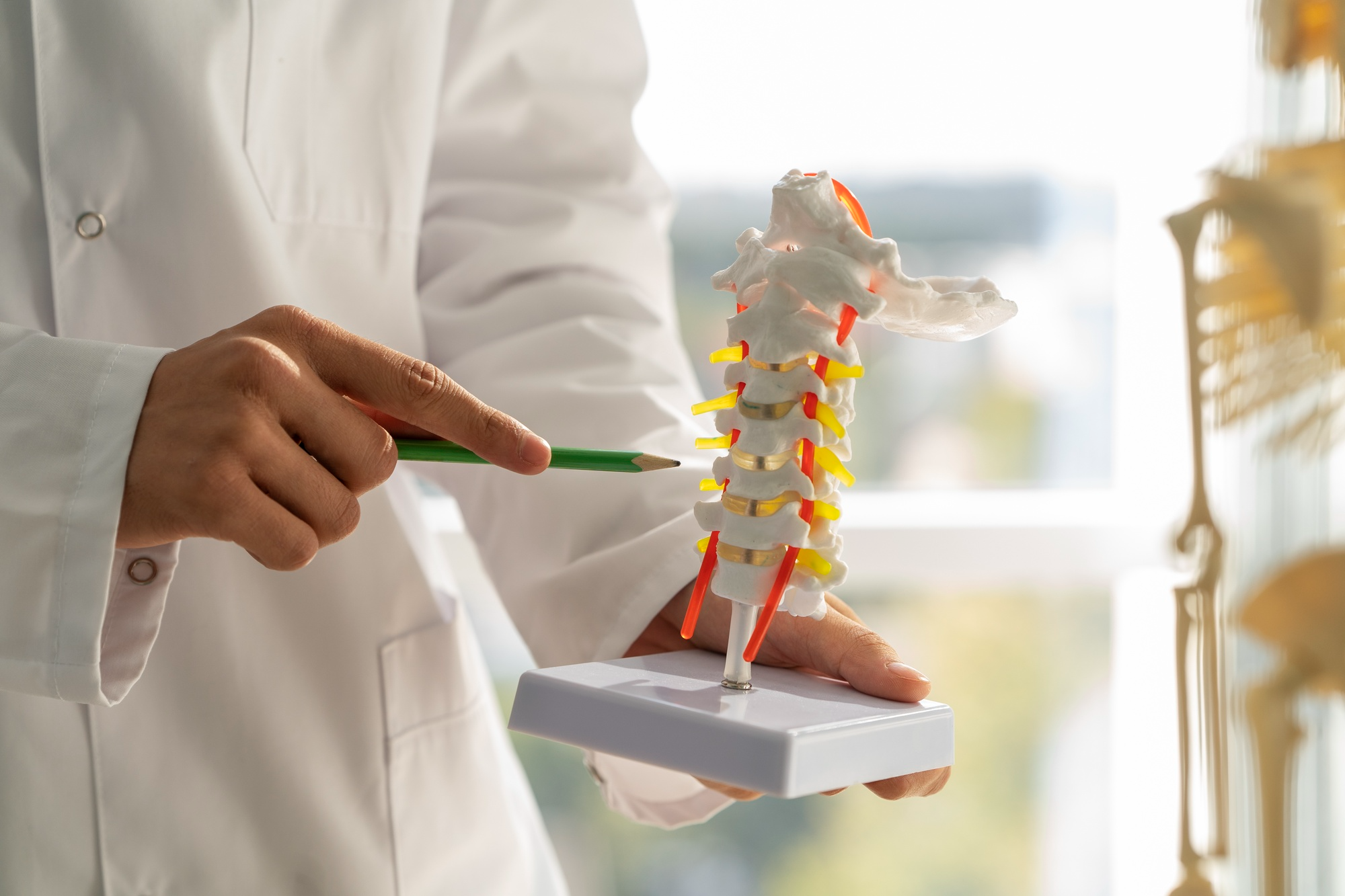
Support fracture recovery with essential nutrients like calcium, vitamin D, and protein for faster bone healing.
19 Nov 2025
by Prakash Hospital

Discover expert-backed nutrition tips for cancer patients. Learn how to manage treatment side effects, stay hydrated, and eat for strength and recovery.
27 May 2025
by Prakash Hospital

Male infertility causes, from varicocele to heat and smoking, the semen analysis, and what helps — a practical guide for Indian men. Prakash Hospital Noida.
7 Oct 2026
by Prakash Hospital

Learn about urinary tract infection (UTI), including symptoms, causes, diagnosis, treatment options, and prevention tips at Prakash Hospital.
17 Feb 2026
by Prakash Hospital

What a high creatinine level means, normal ranges, causes, symptoms, diet tips and when to see a kidney specialist. Kidney care at Prakash Hospital Noida.
30 Oct 2026
by Prakash Hospital

Best protein rich foods in India — vegetarian and non-vegetarian sources, daily requirements, and how to eat enough protein on an Indian diet. Prakash Hospital Noida.
18 Aug 2026
by Prakash Hospital

You can estimate body fat from BMI with the Deurenberg formula, but it often gets Indians wrong. See worked examples, the thin-fat problem and better methods.
22 Oct 2026
by Prakash Hospital

Vitamin B12 deficiency symptoms — tingling, fatigue, memory issues and more. Who's at risk in India and how to fix it. Prakash Hospital Noida.
30 Sept 2026
by Prakash Hospital


Book a consultation with Prakash Hospital's specialists — 24/7 emergency care, 100+ doctors, NABH accredited.
View All Departments