


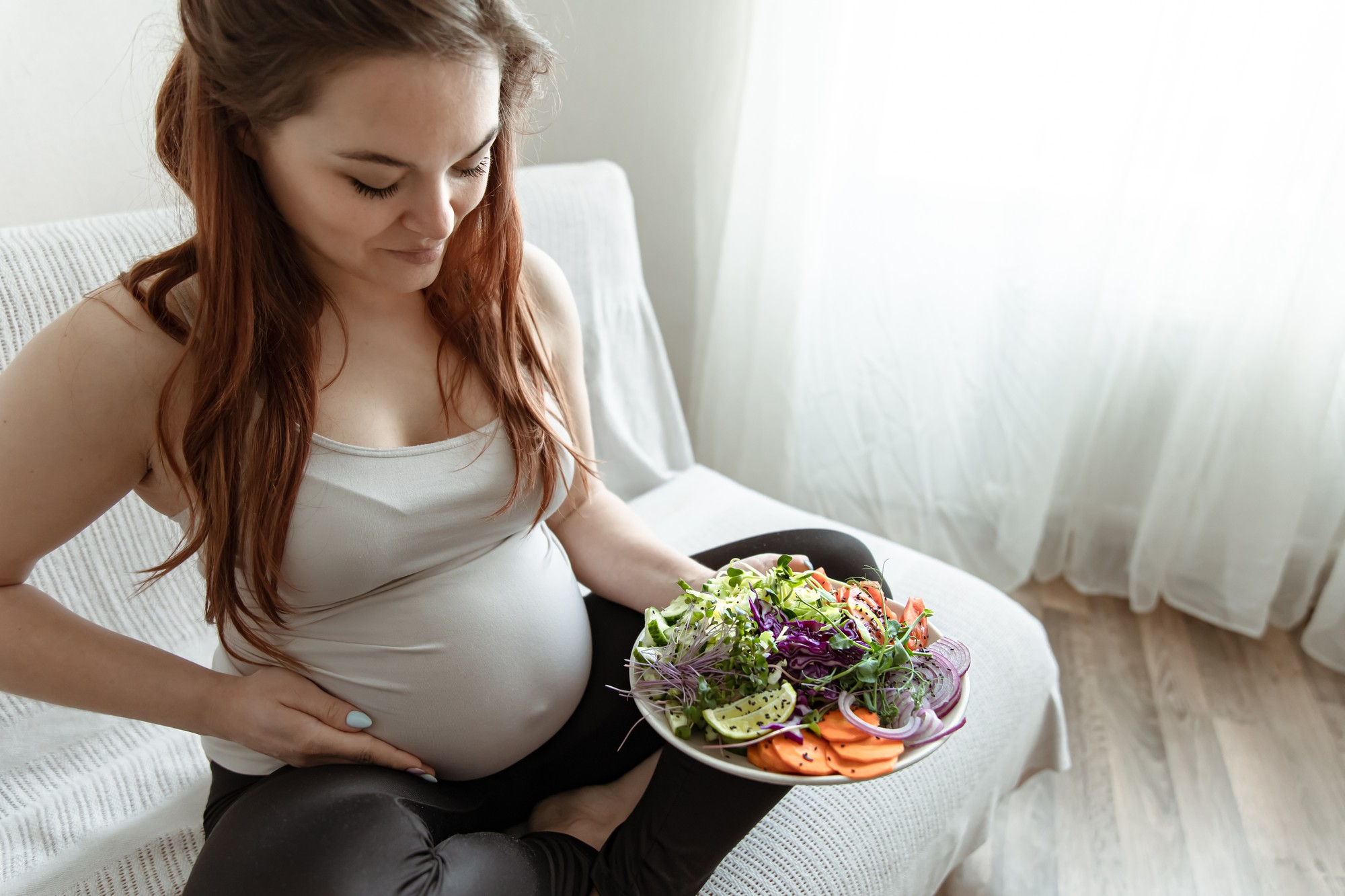
Nutrition During Pregnancy: Best Foods to Eat & Avoid for a Healthy Baby
Learn what to eat and avoid during pregnancy with expert-approved nutrition tips for a healthy mother and baby.
25 Nov 2025
by Prakash Hospital
by By Prakash Hospital

A waist of 80 cm or more in women, or 90 cm or more in men, signals central obesity.
Belly fat is one of the most searched health problems in India, and also one of the most misunderstood. People spend money on belts, teas, and "fat burner" powders, and wonder why the waistline does not change.
The truth is less glamorous and more hopeful. Belly fat responds well to consistent changes in food, movement, sleep, and stress, and losing it improves blood sugar, blood pressure, cholesterol, and liver health long before the mirror shows a big change.
There are two kinds:
Visceral fat is the dangerous kind. It releases inflammatory substances and fatty acids that promote insulin resistance, fatty liver, high blood pressure, abnormal cholesterol, and heart disease. Indians tend to store more visceral fat, even at a normal weight, which is one reason diabetes and heart disease strike earlier.
Measure your waist at the navel level:
Also keep your waist below half your height. If you are above these limits, treat belly fat as a medical issue, not just a cosmetic one.
You cannot choose where fat leaves. Sit-ups and "belly exercises" strengthen muscles but do not burn the fat on top of them. Fat loss happens across the whole body, and the abdomen usually shrinks as overall fat falls. Detox teas, belly wraps, and miracle supplements do not work and some are unsafe.
Create a modest calorie deficit, not a crash diet. Aim for gradual loss of about 0.5 to 1 kg per week.
Practical Indian food changes:
Aerobic exercise: brisk walking, jogging, cycling, swimming, or dancing for at least 150 minutes a week; 250 or more speeds fat loss.
Strength training: two to three days a week. Squats, lunges, push-ups, rows, planks, and weights build muscle, which raises resting calorie burn and improves insulin sensitivity.
Short intense intervals (HIIT): a few sessions a week can be time-efficient for people who are medically fit. Start gradually.
Daily activity: take stairs, walk during calls, and walk 10 to 15 minutes after meals, which lowers blood sugar. Aim for 7,000 to 10,000 steps.
Reduce sitting: stand and move every 30 to 60 minutes.
Seven to eight hours. Short sleep increases hunger hormones and cravings and reduces fat loss. Treat snoring and suspected sleep apnoea.
Chronic stress raises cortisol, which favours abdominal fat and cravings for sugary, fatty foods. Practise yoga, pranayama, meditation, walks in nature, hobbies, and supportive relationships. Seek help for anxiety or depression.
Talk to a doctor if belly fat is hard to shift or accompanies other symptoms. Tests may include:
Measure your waist every two to four weeks, weigh yourself weekly, and note energy and clothing fit. Muscle gain can hide fat loss on the scale.
For people with obesity (BMI of 27.5 or above in Indians, or 23 or above with serious related conditions), a doctor may discuss prescription weight-loss medicines or bariatric surgery. These are not shortcuts, and they work best alongside lifestyle changes.
Most people see their waist begin to shrink within four to eight weeks of consistent changes. Meaningful loss of visceral fat often takes three to six months. Consistency matters far more than perfection.
At Prakash Hospital Noida, our physicians assess belly fat and metabolic risk, test for hormonal and metabolic causes, and design personalised diet and exercise plans with regular follow-up to support lasting results.
Whether you live in Sector 18, Sector 62, Greater Noida West, or anywhere nearby, Prakash Hospital Noida is a trusted name for weight management and metabolic health in Noida.
To book a consultation, call the number.
Tags: #HowToReduceBellyFat #BellyFatLossIndia #PrakashHospitalNoida

Frees a trapped spinal nerve by removing slipped disc or bone, easing sciatica and leg pain.
Targeted injections for chronic migraine, dystonia, eyelid spasm and muscle stiffness after a stroke.
Removes a breast lump after tests, usually as day care, and sends it to the lab to confirm what it is.
Free tools to check your weight, plan a pregnancy, track calories and more.
We offer expert care across key specialties, including Medicine, Cardiology, Orthopaedics, ENT, Gynaecology, and more—delivering trusted treatment under one roof.
Learn what to eat and avoid during pregnancy with expert-approved nutrition tips for a healthy mother and baby.
25 Nov 2025
by Prakash Hospital
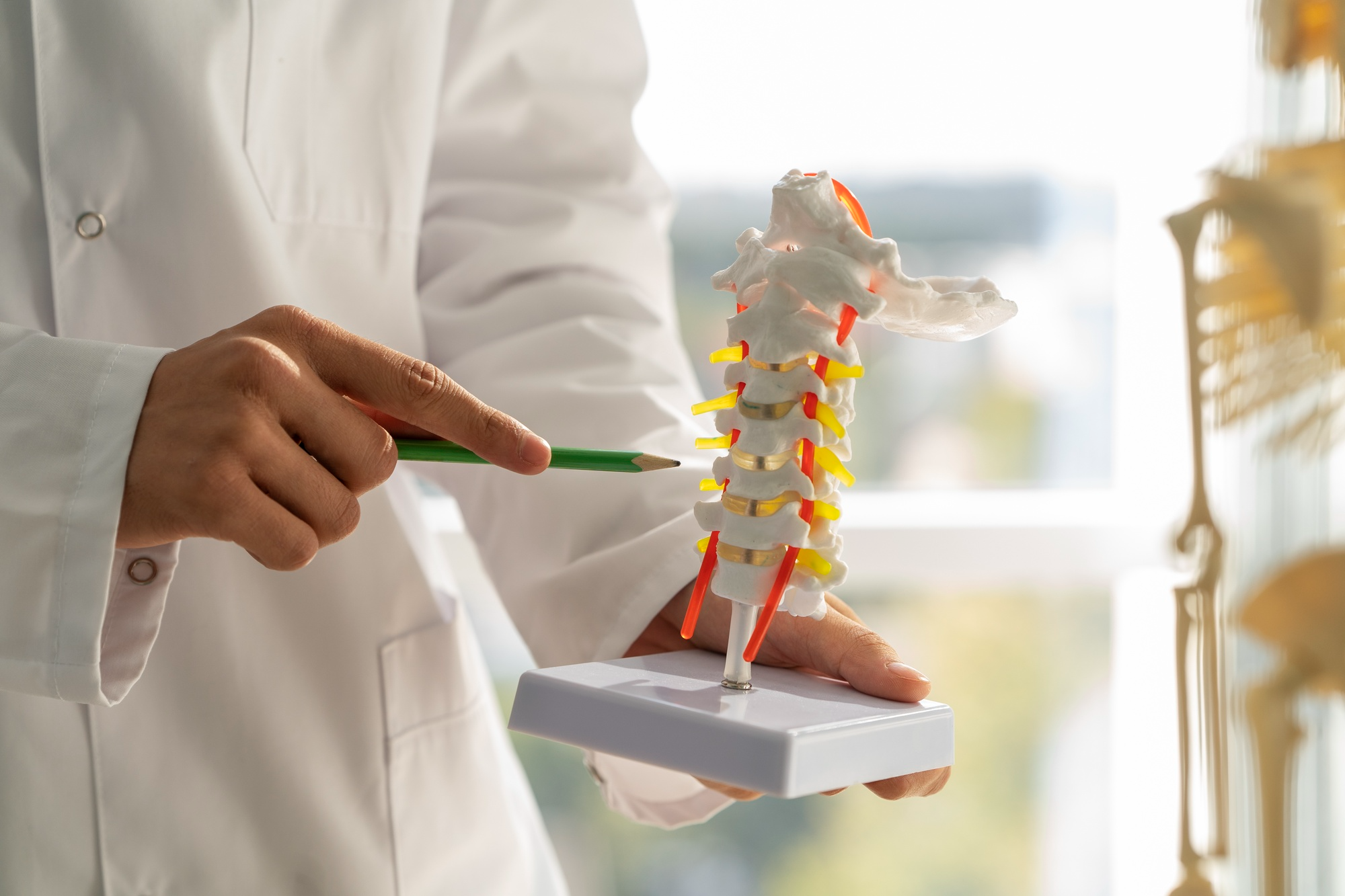
Support fracture recovery with essential nutrients like calcium, vitamin D, and protein for faster bone healing.
19 Nov 2025
by Prakash Hospital

Discover expert-backed nutrition tips for cancer patients. Learn how to manage treatment side effects, stay hydrated, and eat for strength and recovery.
27 May 2025
by Prakash Hospital

Best Indian foods for healthy, glowing skin — what to eat for skin hydration, collagen, and protection from UV damage. Prakash Hospital Noida.
14 Sept 2026
by Prakash Hospital

Learn effective techniques to manage panic attacks, understand triggers, and take control of anxiety with expert-backed strategies.
3 May 2025
by Prakash Hospital

Dry skin causes, best Indian remedies, and when it's something more serious. Prakash Hospital Noida.
10 Sept 2026
by Prakash Hospital
Learn how to calculate body fat percentage with the Navy tape method, BMI formula, calipers, smart scales and DEXA. Worked examples and what your number means.
5 Nov 2026
by Prakash Hospital

Zinc deficiency symptoms such as frequent infections, hair fall and slow healing, who is most at risk in India, and how to fix it. Prakash Hospital Noida.
2 Oct 2026
by Prakash Hospital
How the US Navy body fat method works, with exact measuring steps, the formulas for men and women, three worked examples, accuracy limits and common errors.
11 Nov 2026
by Prakash Hospital


Book a consultation with Prakash Hospital's specialists — 24/7 emergency care, 100+ doctors, NABH accredited.
View All Departments