


Nutrition During Pregnancy: Best Foods to Eat & Avoid for a Healthy Baby
Learn what to eat and avoid during pregnancy with expert-approved nutrition tips for a healthy mother and baby.
25 Nov 2025
by Prakash Hospital
by Prakash Hospital

A well-balanced diet plan featuring nutritious foods such as fresh fruits, vegetables, whole grains, and lean proteins.
Iron deficiency is the most common nutritional deficiency in the world, and India sits squarely at the centre of the problem. Studies of Indian populations consistently show that around half of all women, a significant proportion of children, and meaningful numbers of men have iron deficiency or iron-deficiency anaemia. Many do not realise it. They live with fatigue, low energy, poor concentration, and reduced exercise tolerance, attributing these to workload or age.
Iron is essential for life. It is the core component of hemoglobin, the protein in red blood cells that carries oxygen to every tissue in the body. Without enough iron, hemoglobin production falls, oxygen delivery drops, and every organ system feels the effect.
This article walks through the best iron-rich foods, the difference between heme and non-heme iron, how to maximise absorption, and how to address deficiency through diet.
Iron does several critical jobs in the body.
Most importantly, it forms the heme group in hemoglobin, which carries oxygen from the lungs to every cell. About 70 percent of the body's iron sits in hemoglobin.
It is part of myoglobin in muscle cells, which stores oxygen for muscle activity.
It is essential for the function of many enzymes involved in energy production, DNA synthesis, neurotransmitter production, and immune function.
It supports cognitive development in children and cognitive function in adults.
Iron deficiency affects every one of these functions, which is why the symptoms are so wide-ranging.
Daily requirements vary significantly by age, sex, and life stage.
Adult men need 8 milligrams per day.
Adult women of menstruating age need 18 milligrams per day — much higher because of monthly blood loss.
Pregnant women need 27 milligrams per day.
Breastfeeding women need 9 to 10 milligrams per day.
Postmenopausal women need 8 milligrams per day.
Children and adolescents have variable requirements based on growth.
The Indian context typically pushes requirements slightly higher than international standards because of the predominantly vegetarian diet, which contains iron in a less absorbable form.
The symptoms develop gradually and are often missed.
Persistent fatigue is the most common symptom — feeling tired despite adequate sleep.
Pale skin is a classic sign. The pale appearance is more obvious in the inside of the eyelids, the inside of the lower lip, the nail beds, and the palms.
Weakness and reduced exercise tolerance — getting winded faster than expected.
Shortness of breath with normal activities.
Heart palpitations — racing or pounding heartbeat.
Headaches and dizziness.
Cold hands and feet.
Brittle nails that break easily or develop a spoon-shape (koilonychia) in severe cases.
Hair loss that is sometimes the first sign noticed.
Cracks at the corners of the mouth (angular cheilitis).
A smooth, sore tongue in advanced deficiency.
Restless legs syndrome has been linked to iron deficiency.
Difficulty concentrating, poor memory, and irritability.
Unusual cravings for ice, dirt, or starch (a condition called pica) sometimes appear.
Increased susceptibility to infections because of weakened immune function.
In children, iron deficiency affects cognitive and physical development. Early intervention matters.
This distinction is fundamental to understanding iron sources.
1. Heme iron comes from animal sources — meat, poultry, fish, eggs. It is absorbed at rates of 15 to 35 percent, depending on the body's needs.
2. Non-heme iron comes from plant sources — legumes, vegetables, grains, nuts, and seeds. It is absorbed at much lower rates, typically 2 to 20 percent.
The difference matters because a vegetarian eating the same total amount of iron as a non-vegetarian absorbs significantly less. This is one reason iron deficiency is so common in vegetarian Indian populations despite generally diverse diets.
For non-vegetarians, animal-based iron sources are highly efficient.
Liver — beef liver, chicken liver, mutton liver. The richest dietary source of iron. A 100-gram serving provides 6 to 10 milligrams of highly absorbable iron, along with vitamin B12 and other nutrients.
Red meat — beef, mutton, lamb. A 100-gram serving provides 2 to 3 milligrams of iron, well absorbed.
Poultry — chicken and turkey provide 1 to 2 milligrams per 100-gram serving. Dark meat has slightly more than white meat.
Fish — particularly oily fish like sardines, mackerel, and salmon. Provides good amounts of iron alongside other nutrients.
Shellfish — clams, oysters, mussels are very rich in iron. Clams in particular are one of the richest sources of all.
Eggs — modest source. Two eggs provide about 1.5 milligrams. The iron is in the yolk.
The mainstays of a vegetarian iron-rich diet.
Lentils (dal) — masoor, moong, urad, toor, chana dal. All are excellent iron sources. A cooked cup provides 3 to 7 milligrams.
Chickpeas (chana) — about 5 milligrams per cooked cup. Boiled, roasted, or made into chana masala.
Kidney beans (rajma) — about 4 milligrams per cooked cup.
Black-eyed peas, lima beans, soybeans — all good iron sources.
Spinach (palak) — about 6 milligrams per cooked cup, though much of this iron is poorly absorbed because of oxalates.
Methi (fenugreek leaves) — provides iron along with several other nutrients.
Amaranth leaves (chaulai) — excellent iron content.
Mustard greens, drumstick leaves (moringa) — high iron content.
Bajra (pearl millet) — exceptional iron source, around 8 milligrams per cup. Traditionally eaten in winter in north India.
Ragi (finger millet) — high in iron and calcium.
Jowar (sorghum) — good iron source.
Quinoa — provides reasonable iron along with complete protein.
Whole wheat and fortified wheat flour contribute iron.
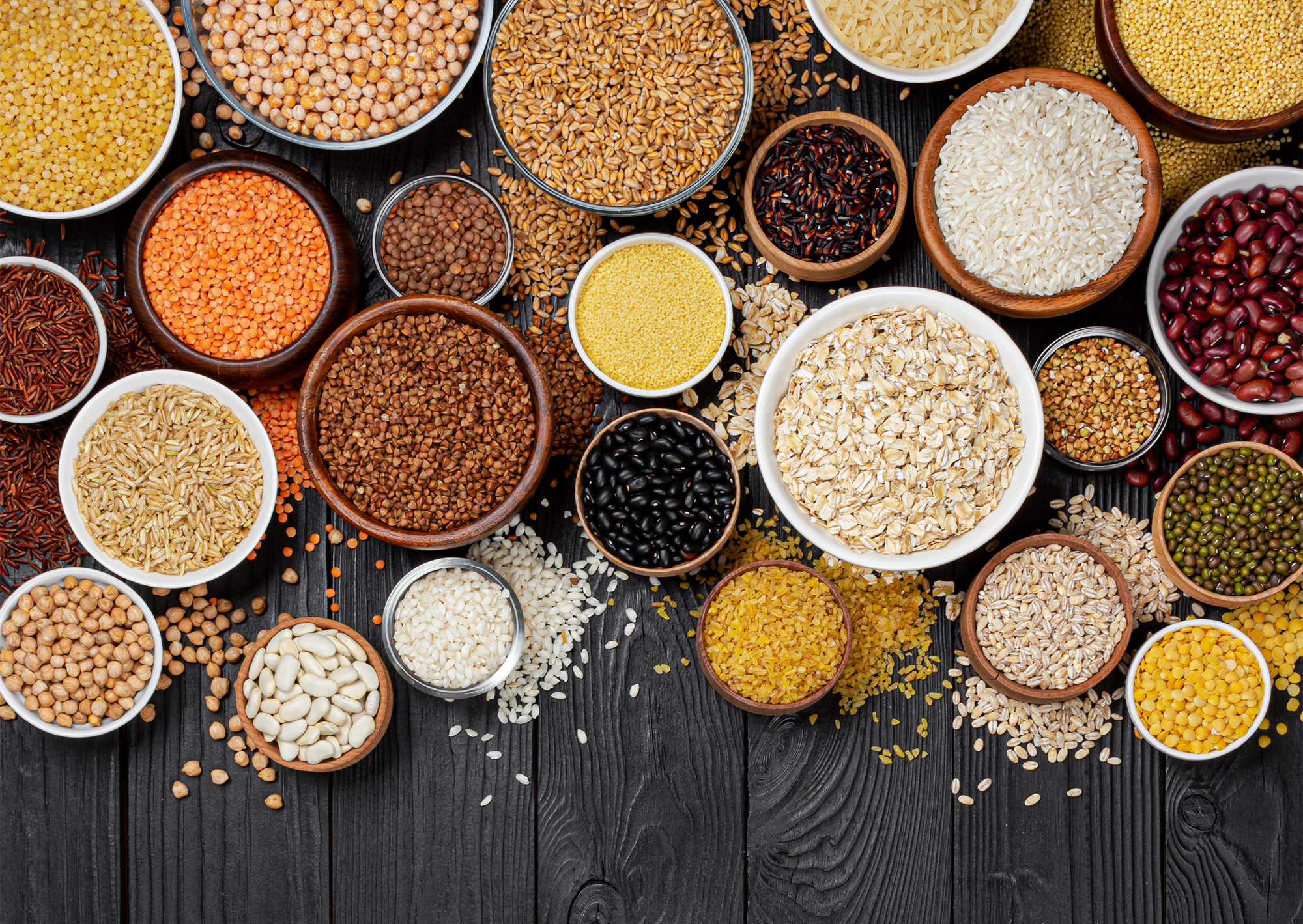
Healthy whole grains such as quinoa, oats, brown rice and barley which are rich sources of fiber and nutrients for a balanced diet with superfoods.
Pumpkin seeds — exceptionally iron-rich. One ounce provides about 2.5 milligrams.
Sesame seeds (til) — high iron content along with calcium.
Cashews, almonds, pistachios — moderate iron content.
Sunflower seeds — provides iron and other nutrients.
Raisins (kishmish) — about 1 milligram per quarter cup.
Dried apricots — concentrated source.
Prunes — moderate iron content.
Dates (khajoor) — particularly the variety eaten in India.
Jaggery (gur) — traditional iron source in Indian cooking. About 4 milligrams per 100 grams.
Tofu and soy products — fortified varieties especially.
Fortified breakfast cereals — read labels.
Whole-grain breads — particularly when made with fortified flour.
This is the single most important skill in addressing iron deficiency from plant sources.
Vitamin C dramatically improves non-heme iron absorption — sometimes by two to four times.
Practical combinations:
This single habit can transform iron intake from a vegetarian diet.
Some substances reduce iron absorption:
Tea and coffee contain tannins that significantly reduce non-heme iron absorption. Avoid drinking them with iron-rich meals. Have them 1 to 2 hours before or after meals instead.
Calcium-rich foods like milk and dairy products reduce iron absorption when eaten together. Spacing them out helps.
Phytates in unprocessed grains, nuts, and seeds can reduce iron absorption. Soaking, sprouting, and fermenting these foods reduces phytates and improves absorption.
Oxalates in spinach and some other vegetables reduce iron absorption. This is why spinach, despite its high iron content, is not the iron powerhouse people imagine.
Cooking acidic foods (tomato curries, lentils) in iron cookware adds meaningful amounts of iron to the food. This is a traditional Indian practice that genuinely helps.
Sprouting chickpeas, moong, and other legumes reduces phytates and improves iron absorption. Fermented foods like idli, dosa, and dhokla have similar benefits.
For non-vegetarians, including some animal-source iron at meals improves the absorption of plant-source iron from the same meal.
A practical day combining these principles:
Breakfast — Ragi or millet porridge with sliced fruit. A glass of fortified orange juice (vitamin C with the iron). A handful of pumpkin seeds.
Mid-morning snack — A small bowl of sprouted moong with lemon and tomato. Or a guava.
Lunch — Chickpea curry with tomatoes (vitamin C helps absorb the iron in chickpeas), whole-wheat roti, a side of spinach with lemon, and salad with bell peppers.
Afternoon snack — Roasted chana with a squeeze of lemon. Avoid tea or coffee close to this if possible.
Dinner — Dal with lemon, brown rice or roti made of mixed flours including bajra or ragi, vegetable curry, and salad. Jaggery in moderation as dessert if desired.
This combination delivers meaningful iron alongside the vitamin C that helps absorb it.
If iron deficiency is established or anaemia is present, dietary changes alone usually take many months to correct it. Iron supplements prescribed by your doctor speed up the correction substantially.
Oral iron supplements are the standard. Common forms include ferrous sulfate, ferrous fumarate, and ferrous gluconate. Newer slow-release formulations are easier on the stomach.

Supplements for iron deficiency.
Side effects include nausea, constipation, dark stools, and stomach upset. Taking supplements with food reduces side effects but also reduces absorption. Taking on an empty stomach with vitamin C maximises absorption.
Duration of supplementation is typically 3 to 6 months — long enough not just to correct anaemia but to replenish body iron stores.
Intravenous iron is used when oral iron is not tolerated or absorbed, when correction is urgent (severe anaemia), or in specific medical conditions.
Blood transfusion is reserved for severe anaemia with symptoms — chest pain, breathing difficulty, very low hemoglobin.
Complete blood count (CBC) measures hemoglobin and red blood cell parameters. Low hemoglobin with small red blood cells (microcytic anaemia) suggests iron deficiency.
Serum ferritin measures stored iron. Low ferritin confirms iron deficiency. This is the most reliable single test for iron stores.
Serum iron, total iron binding capacity (TIBC), and transferrin saturation give additional information.
Underlying cause investigation — for adult men and postmenopausal women with iron deficiency, the cause is rarely just diet. GI bleeding, parasites, or other absorption issues need to be considered. The doctor will investigate accordingly.
Iron loss through menstruation is a major reason women have higher iron requirements. Heavy menstrual bleeding can lead to chronic iron deficiency that resists dietary correction alone. Gynaecological evaluation is part of the picture for women with persistent deficiency.
Iron requirements rise dramatically during pregnancy because of the demands of the developing baby, placenta, and increased blood volume. Routine iron supplementation during pregnancy is standard practice in India.
Iron requirements drop somewhat after delivery because periods often pause during breastfeeding. But the baby's needs draw from maternal stores.
Growth spurts dramatically increase iron requirements. Iron deficiency in children affects cognitive development. Pediatric iron supplementation is common.
The non-heme iron in plant foods is less efficiently absorbed. Vegetarians need to focus on iron-rich plant foods, combine them with vitamin C, avoid tea and coffee at meals, and sometimes consider supplementation.
Older adults may have reduced iron absorption due to lower stomach acid, chronic conditions, and medication use.
Endurance athletes have higher iron requirements because of increased red blood cell breakdown during intense training.
"Spinach is the best iron source." Spinach has significant iron, but oxalates reduce absorption. It is a useful inclusion but not the iron superfood it is often portrayed as.
"Iron deficiency only causes anaemia." Iron deficiency causes many symptoms before anaemia develops — fatigue, hair loss, poor concentration, and brittle nails can all appear with normal hemoglobin but low ferritin.
"You can get all your iron from beetroot." Beetroot has some iron but is not particularly rich. Its reputation comes from its red colour, which has been associated with blood symbolically rather than scientifically.
"More iron is always better." No. Iron overload can damage the liver, heart, and other organs. Iron supplements should only be taken when needed and under medical guidance.
"Iron supplements are safe to start on your own." They can cause side effects and mask underlying causes of anaemia. Always confirm iron deficiency with a doctor first.
"Coffee and tea are fine with iron-rich meals." They significantly reduce iron absorption. Space them apart from meals.
A consultation makes sense if you have persistent fatigue, pale skin, hair loss, brittle nails, shortness of breath, or other suspected iron deficiency symptoms. Annual checkups for women of menstruating age, vegetarians, and other at-risk groups can identify deficiency early.
A simple CBC and ferritin test gives a clear answer.
Working women in Noida and Greater Noida fall into the highest-risk group for iron deficiency. Menstrual blood loss, predominantly vegetarian diets, frequent skipping of meals, tea and coffee throughout the day with meals, and high stress all contribute.
Regular blood tests during annual checkups identify deficiency before it becomes severe. Dietary changes combined with supplementation when needed correct it relatively quickly.
At Prakash Hospital, Noida, experienced doctors offer comprehensive iron studies including hemoglobin, ferritin, and full investigation of the cause of any deficiency. Personalised dietary planning, supplement guidance, and follow-up testing are all part of the service. Gynaecology coordination addresses heavy menstrual bleeding when relevant.
Whether you are in Sector 18, Sector 62, Greater Noida West, or anywhere nearby, Prakash Hospital Noida is a trusted name for blood tests and nutrition consultation.
To book a consultation, call the number.
Iron deficiency is the most common nutritional problem in India, particularly among women, children, and vegetarians. The symptoms — fatigue, hair loss, poor concentration, reduced exercise tolerance — are often dismissed as stress or aging.
The dietary picture is clear. For non-vegetarians, red meat, liver, poultry, fish, and shellfish provide highly absorbable heme iron. For vegetarians, legumes, leafy greens, millets, nuts, seeds, dried fruits, and jaggery all provide iron, though absorption is lower.
The skill is in maximising absorption. Combine iron-rich foods with vitamin C sources. Avoid tea and coffee with meals. Use iron cookware. Sprout and ferment foods when possible. Get blood tests when symptoms suggest deficiency.
With consistent attention, iron deficiency is one of the more easily correctable nutritional problems. Once corrected, the improvement in energy, concentration, and overall wellbeing is often striking.

An X-ray dye test that maps blockages in the heart's arteries and guides the choice between medicines, stents and surgery.
A camera through the cervix to see inside the uterus and remove polyps, small fibroids or scar tissue, with no cuts.
A thin needle sample of liver tissue to diagnose liver disease and measure scarring when other tests can't.
Free tools to check your weight, plan a pregnancy, track calories and more.
We offer expert care across key specialties, including Medicine, Cardiology, Orthopaedics, ENT, Gynaecology, and more—delivering trusted treatment under one roof.
Learn what to eat and avoid during pregnancy with expert-approved nutrition tips for a healthy mother and baby.
25 Nov 2025
by Prakash Hospital
Support fracture recovery with essential nutrients like calcium, vitamin D, and protein for faster bone healing.
19 Nov 2025
by Prakash Hospital
Discover expert-backed nutrition tips for cancer patients. Learn how to manage treatment side effects, stay hydrated, and eat for strength and recovery.
27 May 2025
by Prakash Hospital

जानिए डैंड्रफ बार-बार क्यों होता है, इसके कारण, लक्षण, इलाज और बचाव के तरीके। बालों की सही देखभाल कैसे करें, पूरी जानकारी हिंदी में।
21 Apr 2026
by Prakash Hospital
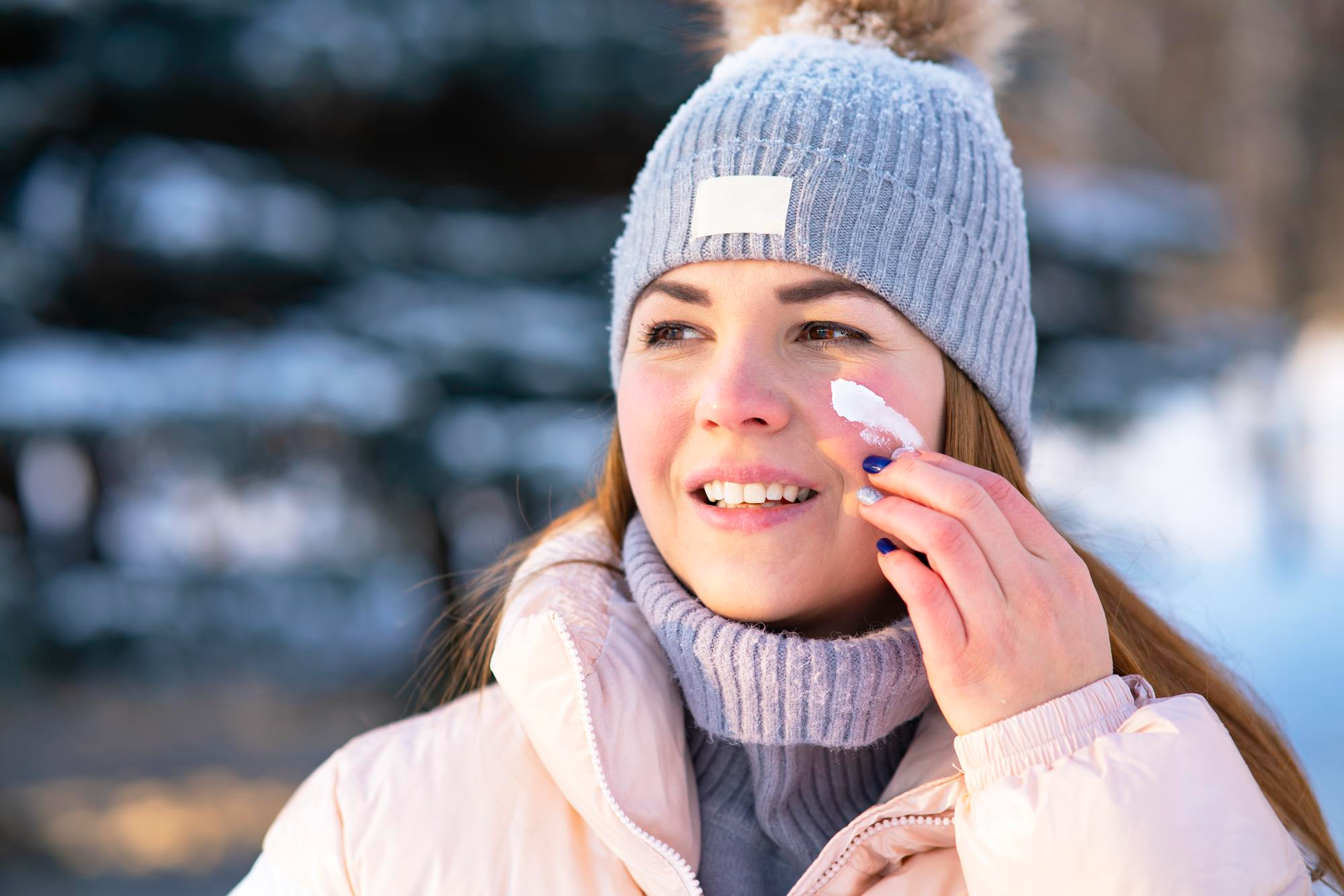
Protect your skin barrier this winter with dermatologist-approved skincare tips and routines by Prakash Hospital.
19 Nov 2025
by Prakash Hospital

स्किन एलर्जी क्यों होती है? जानिए खुजली, लाल चकत्ते, रैश और त्वचा पर सूजन के कारण, लक्षण, जांच और सही उपचार के बारे में पूरी जानकारी।
23 Mar 2026
by Prakash Hospital

Coconut water benefits — hydration, electrolytes, and health effects of this traditional drink. Visit Prakash Hospital Noida for nutrition consultation.
23 Jun 2026
by Prakash Hospital

Vitamin D rich vegetables और fruits की पूरी list — कौन से शाकाहारी foods विटामिन डी देते हैं। नोएडा में health checkup के लिए Prakash Hospital।
17 Jun 2026
by Prakash Hospital

What is a balanced diet — understand the components, daily portions, and how to build one with Indian foods. Visit Prakash Hospital Noida for nutrition consultation.
19 Jun 2026
by Prakash Hospital


Book a consultation with Prakash Hospital's specialists — 24/7 emergency care, 100+ doctors, NABH accredited.
View All Departments